
Hair Care Routine in Your 30s to Prevent Early Hair Thinning
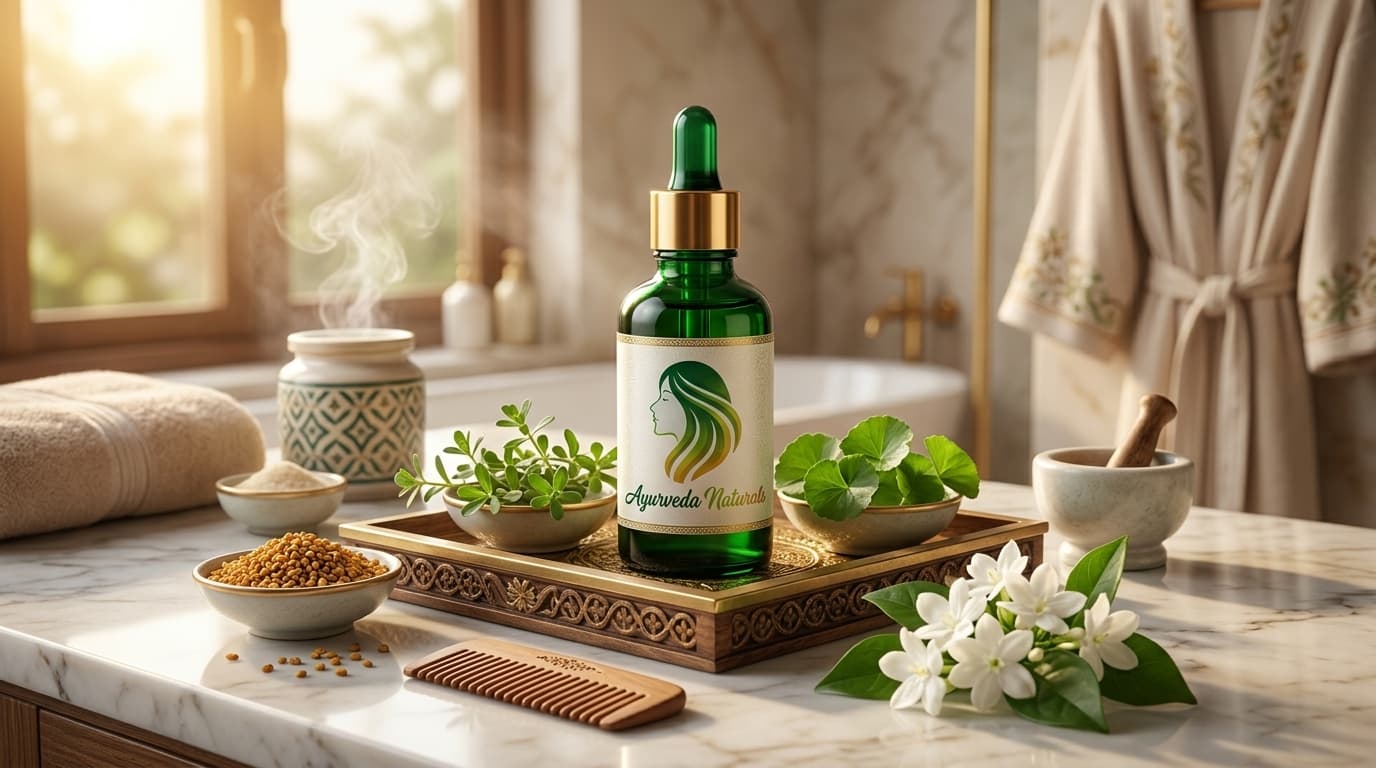
Establishing an effective hair care routine in 30s to prevent early thinning requires a proactive, multi-layered approach that addresses metabolic deceleration, cumulative stress, and the biological transition between doshic life stages. In your 30s, natural cellular turnover slows, microcapillary perfusion to the dermal papilla declines, and hormonal shifts—such as fluctuating estrogen, postpartum imbalances, and increased sensitivity to dihydrotestosterone (DHT)—accelerate follicular miniaturization. An optimal Ayurvedic routine counteracts these shifts by combining bi-weekly warm oil Shiro Abhyanga with potent Rasayana herbs (Bhringraj, Amla, Brahmi), gentle sulfate-free botanical cleansing, daily wooden comb meridian stimulation, and internal nutrition designed to nourish the Asthi Dhatu (bone tissue) and pacify aggravated Pitta and Vata doshas.
The Biological Turning Point: Why Hair Thinning Accelerates in Your 30s
Entering your thirties marks a distinct physiological transition. While the body remains vibrant and resilient, subtle yet significant shifts begin occurring at the cellular and endocrine levels. For many men and women, the thirty-something decade is when hair density first begins to noticeably dwindle, parts widen, temples recede, and the diameter of individual hair shafts (caliber) diminishes. Designing a targeted hair care routine in 30s to prevent early thinning begins with understanding the biological changes taking place beneath the scalp.
From a dermatological standpoint, several key mechanisms converge during this decade:
- Dermal Papilla Senescence: The specialized fibroblasts located at the base of each hair follicle, known as dermal papilla cells, experience a natural reduction in proliferative capacity. As these cells divide more slowly, their ability to synthesize extracellular matrix proteins (like collagen type IV, laminin, and fibronectin) declines, resulting in a progressively smaller hair bulb.
- Shortened Anagen Growth Cycles: In your teens and twenties, hair follicles remain in the active anagen growth phase for 4 to 7 years. In your thirties, oxidative stress, environmental UV exposure, and hormonal changes cause the anagen phase to contract to 2 to 4 years, while the telogen (resting/shedding) phase lengthens. This leads to shorter maximum hair length and increased diffuse shedding.
- Microcirculatory Constriction: Subcutaneous microvascular density in the scalp decreases by approximately 10–15% in your thirties. Fewer capillary loops surround each follicle, reducing the delivery of oxygen, glucose, and essential amino acids (cysteine, methionine) required for keratinization.
- Endocrine Fluctuations & DHT Sensitivity: In men and women alike, baseline DHEA and progesterone levels begin a gradual downward trajectory, creating a relative increase in androgenic activity. Free testosterone is converted into DHT by the 5-alpha reductase enzyme in the scalp. DHT binds to androgen receptors in genetically susceptible follicles, initiating progressive follicle miniaturization. Additionally, many women experience intense postpartum telogen effluvium during their thirties, which can trigger prolonged shedding if the scalp ecosystem is not actively rehabilitated.
In classical Ayurveda, your thirties represent the pinnacle of the Pitta stage of life (the period from age 16 to 50), characterized by intense ambition, career establishment, family building, and high metabolic demands. However, as you approach your mid-to-late thirties, the early influences of the Vata stage of life (dryness, depletion, structural deterioration) begin to emerge. Chronic mental pressure, irregular eating habits, excessive caffeine consumption, and sleeplessness create a devastating combination of high Pitta (scorching the hair roots with internal heat) and elevated Vata (depleting moisture, constricting blood vessels, and causing shaft brittleness). To maintain thick, voluminous locks, you must weave mindful daily rituals into your life, as explored in our guide on the ayurvedic daily hair care routine.
Decoding Your 30s Dosha Dynamics: Pitta Burnout vs. Vata Depletion
In your thirties, hair loss rarely stems from a single isolated cause. It is almost always driven by an intricate interaction between your constitutional blueprint and modern lifestyle stresses. Identifying whether your shedding is primarily driven by Pitta heat, Vata depletion, or a combination of both is essential for customizing your care. For a complete understanding of how your constitutional type influences your hair, explore our guide on understanding your dosha for better hair health.
Pitta-Driven Thinning in the 30s
The thirties are often the most demanding decade professionally and personally. High-stress corporate deadlines, managing finances, and parenting elevate the internal fire element (Tejas). When Pitta boils over:
- The scalp becomes excessively oily, warm to the touch, and prone to inflammatory folliculitis or redness.
- Hair thins primarily in an androgenic pattern—along the crown, the vertex, and the temporal peaks.
- Melanocyte activity drops prematurely, leading to rapidly multiplying silver and gray hairs (Palitya).
- Hair roots feel sore or sensitive when moved or parted in a new direction.
Vata-Driven Thinning in the 30s
As the body transitions toward the Vata phase of life, moisture retention in tissues diminishes. When combined with irregular routines, dehydration, and constant screen time, Vata runs rampant:
- The hair shaft loses its natural elasticity, becoming rough, dull, and prone to breaking mid-strand.
- Split ends multiply rapidly, even without frequent heat styling.
- The scalp feels tight, dehydrated, and exhibits fine, powdery, itchy flakes.
- Hair falls out diffusely from all areas of the head, leaving the ponytail significantly thinner in circumference.
| Biological Marker | 20s Baseline State | 30s Transition State | Targeted 30s Ayurvedic Intervention |
|---|---|---|---|
| Anagen (Growth) Duration | 5 to 7 years. Robust follicular stem cell activity and prolonged cell division. | 2 to 4 years. Shorter growth cycles lead to reduced maximum length and thinner density. | Bhringraj & Brahmi warm oil Shiro Abhyanga to extend anagen duration and stimulate dermal papilla proliferation. |
| Scalp Microcirculation | Dense, highly responsive microcapillary beds delivering optimal oxygen and nutrients. | 10–15% decline in capillary density; peripheral vasoconstriction from chronic cortisol. | Daily Neem wooden comb scalp brushing (100 strokes) and Marma point pressure therapy to stimulate blood flow. |
| Sebum & Lipid Composition | Abundant squalene and wax esters maintaining a healthy, flexible acid mantle. | Declining natural lipid production; vulnerability to dryness, barrier disruption, and oxidative damage. | Pure cold-pressed Sesame, Sweet Almond, and Virgin Coconut carrier oils to replenish essential fatty acids. |
| Hormonal Environment | Balanced estrogen, progesterone, and androgens; high resistance to DHT miniaturization. | Fluctuating progesterone, postpartum shedding, increased 5-alpha reductase enzyme activity. | Topical Amla and Rosemary polyphenols to inhibit 5-alpha reductase; Shatavari & Ashwagandha internally. |
| Asthi Dhatu (Tissue Quality) | High bone density and optimal nutrient absorption through strong metabolic Agni. | Initial depletion of bone minerals if diet is poor; accumulation of digestive Ama. | Rasayana dietary tonics: Organic Grass-Fed Ghee, Black Sesame Seeds, Amla Juice, and CCF Digestive Tea. |
The Definitive 30s Ayurvedic Hair Care Master Routine
To successfully prevent and reverse early thinning in your thirties, your hair care cannot be treated as an occasional weekend afterthought. It must become an intentional, rhythmic self-care practice (Dinacharya and Ritucharya). Here is the comprehensive step-by-step framework tailored specifically for adults in their thirties.
1. Morning Scalp Stimulation and Wooden Comb Ritual
Begin every morning by awakening the microcapillary network of the scalp before washing or styling:
- The 100-Stroke Wooden Comb Massage: Using a wide-toothed, pure Neem wood comb, gently brush your hair from scalp to ends for 2 to 3 minutes. Unlike plastic combs that generate static electricity and snag fragile strands, natural wooden bristles gently stimulate the scalp's reflex points, evenly distribute natural sebum down the hair shaft, and clear away microscopic dead skin cells.
- Marma Activation: Use your thumbs and index fingers to apply rhythmic, pulsating pressure at the temples (Shankha Marma) and the base of the skull (Krikatika Marma) for 60 seconds to release tension and optimize arterial flow to the head.
2. Bi-Weekly Shiro Abhyanga (Therapeutic Warm Oil Infusion)
Warm oil application is the cornerstone of anti-aging hair therapy in Ayurveda. In your thirties, perform this ritual twice weekly:
- Warm 2 to 3 tablespoons of a potent, multi-herb Ayurvedic oil containing Bhringraj, Amla, Brahmi, and Ashwagandha in a warm water bath until lukewarm.
- Part the hair systematically and apply the oil directly onto the scalp, focusing on vulnerable areas: the crown, the center part, and the receding temporal corners.
- Perform deep, circular kneading for 12 to 15 minutes. Use the heel of your palms to move the scalp skin over the underlying cranial bone, rather than simply rubbing your fingers over the hair. This mechanical movement breaks up subcutaneous fibrosis and stimulates dermal papilla fibroblasts.
- Leave the oil on for a minimum of 2 hours, or overnight wrapped in a silk scarf, allowing the bioactive herbal compounds to penetrate the follicle matrix before washing.
3. Botanical Cleansing (Eliminating Surfactant Aging)
In your thirties, the scalp can no longer tolerate the aggressive stripping of industrial sulfates (SLS/SLES) or the suffocating film of non-water-soluble silicones. Transition permanently to a gentle, low-pH herbal shampoo that relies on wild-crafted botanical saponins.
Wash your hair 2 to 3 times per week with a restorative cleanser enriched with Shikakai, Reetha, Amla, and Aloe Vera. These herbs gently lift away sweat, pollution, and excess sebum without disturbing the scalp's moisture barrier. Always rinse with lukewarm or cool water—never hot water, which strips natural lipids and causes hair cuticles to swell and fray.
To experience the synergistic power of a complete, bio-harmonized system, consider adopting our Ultimate Ayurvedic Haircare Bundle. Featuring a complete trio of wild-harvested Hair Regrowth Oil, Purifying Herbal Shampoo, and a hand-crafted Neem Wooden Comb, this comprehensive bundle provides everything required to halt shedding, stimulate dormant follicles, and maintain dense, youthful hair throughout your thirties and beyond.
4. Weekly Restorative Ayurvedic Lepa (Deep Conditioning Hair Mask)
Once a week, treat your hair and scalp to a deeply nourishing herbal mask (Lepa) to repair cumulative environmental damage and rebuild tensile strength:
- 2 tablespoons of Organic Hibiscus (Japapushpa) Powder: Packed with natural amino acids, flavonoids, and mucilage that condition the hair cortex, restore natural bounce, and prevent premature graying.
- 2 tablespoons of Pure Bhringraj Powder: Delivers concentrated coumestans directly to the hair roots to extend the anagen growth cycle.
- 1 tablespoon of Fenugreek (Methi) Seed Paste: Provides plant lecithin and nicotinic acid to fill in structural fissures along weakened hair shafts.
- 3 tablespoons of Fresh Aloe Vera Gel or Coconut Milk: Infuses intense, lightweight moisture without weighing down finer strands.
Mix into a smooth, velvety paste, apply from roots to ends, cover with a shower cap for 35 to 45 minutes, and rinse thoroughly with cool water.
5. Evening Nasya Therapy and Sleep Hygiene
In classical Ayurveda, the nose is considered the direct gateway to the brain and cranial tissues (Nasa Hi Shirso Dvaram). Incorporating nightly Pratimarsha Nasya is one of the most powerful anti-aging secrets for preserving hair density in your thirties:
- Before bed, lie flat and tilt your head backward. Instill 2 drops of lukewarm Anu Taila, organic Sesame oil, or pure Ghee into each nostril.
- Inhale deeply to allow the oil to lubricate the nasal passages and cranial pathways. Nasya pacifies aggravated Vata and Pitta in the head, promotes sound sleep, relieves mental stress, and nourishes the optic and sensory nerves that influence cranial circulation.
- Sleep on a 100% pure Mulberry silk or satin pillowcase. Cotton pillowcases absorb moisture from your hair and create friction that snags and breaks fragile 30-something strands during sleep.
Nutritional Blueprint for 30s Hair Density: Feeding the Asthi Dhatu
Because hair is the metabolic byproduct (Upadhatu) of bone tissue (Asthi Dhatu), preventing early thinning requires providing your body with the exact structural building blocks and trace minerals it needs to manufacture dense keratin fibers.
1. Rasayana Superfoods for Follicular Longevity
- Organic Grass-Fed Ghee (A2 Cow Ghee): Ghee is the supreme Sneha (unctuous substance) in Ayurveda. It contains butyric acid, fat-soluble vitamins (A, D, E, K2), and omega-3 fatty acids. Consuming 1 to 2 teaspoons of warm melted ghee daily lubricates tissues from within, pacifies Vata dryness, and enhances the bioavailability of fat-soluble minerals.
- Black Sesame Seeds (Kala Tila): The single most potent Ayurvedic food for hair and bone strength. Consume 1 tablespoon of lightly roasted black sesame seeds every morning. They are extraordinarily rich in plant calcium, magnesium, copper, zinc, and iron—essential co-factors for the enzymatic synthesis of hair keratin.
- Fresh Amla Juice: Drink 20–30ml of fresh Amla juice with warm water every morning. The heat-stable bioflavonoids and vitamin C support collagen synthesis around the follicular sheath and neutralize systemic oxidative stress.
- Soaked Almonds and Walnuts: Eat 5 soaked, peeled almonds and 2 soaked walnuts daily. They supply biotin, vitamin E, and alpha-linolenic acid (ALA) to nourish the lipid envelope of the hair shaft.
2. Adaptogenic Herbs for Cortisol Regulation
To shield your hair follicles from stress-induced telogen effluvium, incorporate these revered adaptogens into your evening wellness routine:
- Ashwagandha (Withania somnifera): Modulates the hypothalamic-pituitary-adrenal (HPA) axis, lowering serum cortisol by up to 30%, improving sleep quality, and stimulating DHEA production. Take 1/2 teaspoon of organic Ashwagandha powder in warm spiced milk before bed.
- Shatavari (Asparagus racemosus): A master rejuvenator for women in their thirties, Shatavari helps balance estrogen-progesterone dynamics, deeply hydrates parched tissues, and soothes Pitta-induced inflammation.
- Brahmi / Gotu Kola (Centella asiatica): Calms mental anxiety, sharpens cognitive focus, and supports peripheral microcapillary circulation to the scalp.
Pharmacological Profile: Top Botanical Actives to Reverse 30s Thinning
When selecting herbal preparations or formulating treatments for hair in your thirties, ensure your formulas contain these scientifically validated botanical powerhouses:
1. Bhringraj (Eclipta prostrata) - The Cellular Energizer
Bhringraj stimulates protein kinase C activity in follicular matrix cells, actively driving dermal papilla proliferation. Its coumestan constituents (wedelolactone) act as potent anti-inflammatory agents, preventing micro-scarring (fibrosis) around aging follicles and keeping follicular pores open and active.
2. Jatamansi (Nardostachys jatamansi) - The Follicle Awakener
Known as Indian Spikenard, Jatamansi is an exceptional nervine and hair-growth stimulant. Pharmacological research demonstrates that Jatamansi extract significantly accelerates the transition of resting telogen follicles back into active anagen growth, while increasing the diameter and tensile strength of emerging hair fibers.
3. Amla (Phyllanthus emblica) - The Free-Radical Shield
Amla's high concentration of emblicanins protects the delicate DNA of follicular stem cells from UV radiation and environmental pollution. It inhibits 5-alpha reductase activity, preventing DHT from binding to dermal receptors and arresting the miniaturization process in its earliest stages.
4. Rosemary (Rosmarinus officinalis) - The Microcirculation Catalyst
Rosemary oil contains carnosic acid, which repairs tissue and nerve damage around the hair bulb while stimulating peripheral microcirculation. In clinical head-to-head trials, standardized rosemary oil demonstrated hair regrowth results comparable to 2% Minoxidil over a 6-month period, without causing scalp itching or rebound shedding.
Critical 30s Hair Care Pitfalls to Eliminate
To protect your hair density throughout your thirties, eliminate these five common destructive habits:
- Relying on Chemical Dry Shampoos: Commercial aerosol dry shampoos deposit starch, talc, and synthetic polymers that clog the follicular infundibulum, trap bacteria, and trigger subclinical folliculitis. If your scalp feels oily between washes, use a wide-toothed wooden comb and gentle botanical cleansing instead.
- Excessive High-Heat Styling: Using blow dryers, flat irons, and curling wands at temperatures above 300°F (150°C) denatures keratin proteins and vaporizes the hair shaft's internal moisture, creating irreversible structural bubbles (Bubble Hair Deformity). Always air-dry hair 80% before using low-heat styling, and apply a drop of natural herbal oil as a heat protectant.
- Frequent High-Tension Buns and Ponytails: Tying hair tightly while working, exercising, or sleeping places continuous mechanical stress on frontal hair follicles, leading to gradual, permanent hairline recession (Traction Alopecia). Switch to loose braids, claw clips, and soft silk scrunchies.
- Ignoring Chronic Subclinical Dandruff: Many 30-somethings dismiss mild scalp itching or flaking as simple dry skin. In reality, untreated Malassezia yeast overgrowth causes chronic low-grade inflammation that gradually degrades follicular anchoring. Treat flaking immediately with natural antifungal botanicals like Neem and Tea Tree.
- Extreme Fasting and Low-Protein Diets: While intermittent fasting offers metabolic benefits, prolonged severe caloric or protein deprivation in your thirties deprives hair matrix cells of the amino acids needed for keratin synthesis, precipitating telogen effluvium within 8 to 12 weeks.
Frequently Asked Questions: Hair Care in Your 30s
Can hair thinning in your 30s be reversed?
Yes, in most cases, early hair thinning in your 30s is reversible. Because the follicles are typically miniaturized rather than permanently scarred or dead, restoring optimal scalp microcirculation, inhibiting localized DHT, balancing Pitta and Vata doshas, and supplying vital micronutrients can reactivate dormant follicles and restore hair density within 4 to 6 months of consistent care.
Why is my hair thinning in my early 30s when it was thick in my 20s?
Hair thinning in your early 30s is driven by a convergence of biological factors: a natural 10–15% decline in scalp microcirculation, shortened anagen growth cycles, hormonal shifts (such as postpartum recovery or increased follicular sensitivity to DHT), cumulative oxidative stress, and the transition into the Pitta-Vata phase of life where stress and internal heat deplete tissue moisture.
How often should I oil my hair in my 30s?
In your 30s, performing Shiro Abhyanga (warm oil scalp massage) 2 times per week is ideal. Massaging the scalp for 10 to 15 minutes with a multi-herb Ayurvedic oil containing Bhringraj, Amla, and Brahmi stimulates microcapillary blood flow, breaks up scalp tension, and delivers vital lipid-soluble nutrients directly to the dermal papilla.
Is Minoxidil necessary for hair thinning in your 30s, or are natural remedies effective?
Minoxidil is not the only solution. While pharmaceutical Minoxidil provides temporary vasodilation, it often causes scalp irritation, an initial shedding phase, and rapid rebound loss upon stopping. Natural Ayurvedic botanical formulations—featuring clinically validated herbs like Bhringraj, Amla, and Rosemary—offer comparable follicle-stimulating and DHT-modulating benefits without dependency or harsh side effects.
What are the best foods to eat in your 30s for thicker hair?
To nourish the Asthi Dhatu and support dense keratin production, eat nutrient-dense foods including organic A2 ghee, black sesame seeds, fresh Amla juice, soaked almonds, walnuts, pumpkin seeds, dark leafy greens, and curry leaves. Drink warm cumin-coriander-fennel (CCF) tea to optimize your digestive fire (Agni) for superior mineral absorption.
How does postpartum hair loss in the 30s differ from standard thinning?
Postpartum hair loss (Telogen Effluvium) is triggered by the sudden drop in estrogen and progesterone following childbirth, which forces large numbers of hair follicles into the shedding phase simultaneously. While postpartum shedding is temporary, nourishing the scalp with botanical oils, consuming Rasayana herbs like Shatavari and Ghee, and avoiding harsh chemical cleansers ensures full, rapid regrowth without lingering density loss.
Can stress in your 30s cause permanent hair loss?
Stress-induced hair loss (Telogen Effluvium) is typically non-permanent if addressed promptly. However, if chronic stress persists unmanaged for years, elevated cortisol and chronic vasoconstriction can cause permanent follicular miniaturization. Daily pranayama, adaptogenic herbs like Ashwagandha, and nightly Nasya therapy effectively counteract stress-induced shedding.
Protect Your Hair Density for Decades to Come
Take control of your hair's future today. Experience the transformative power of our complete Ayurvedic anti-thinning system, formulated with wild-harvested botanicals to halt shedding and restore thick, vibrant volume.
Discover the Ultimate Haircare BundleReady to stop hair fall naturally?
Don't wait until it's too late. Experience the proven magic of our 100% organic, wild-harvested Ayurvedic formulations and start seeing real results in 14 days.
Free Shipping + Cash on Delivery