
Ayurvedic Daily Hair Care Routine
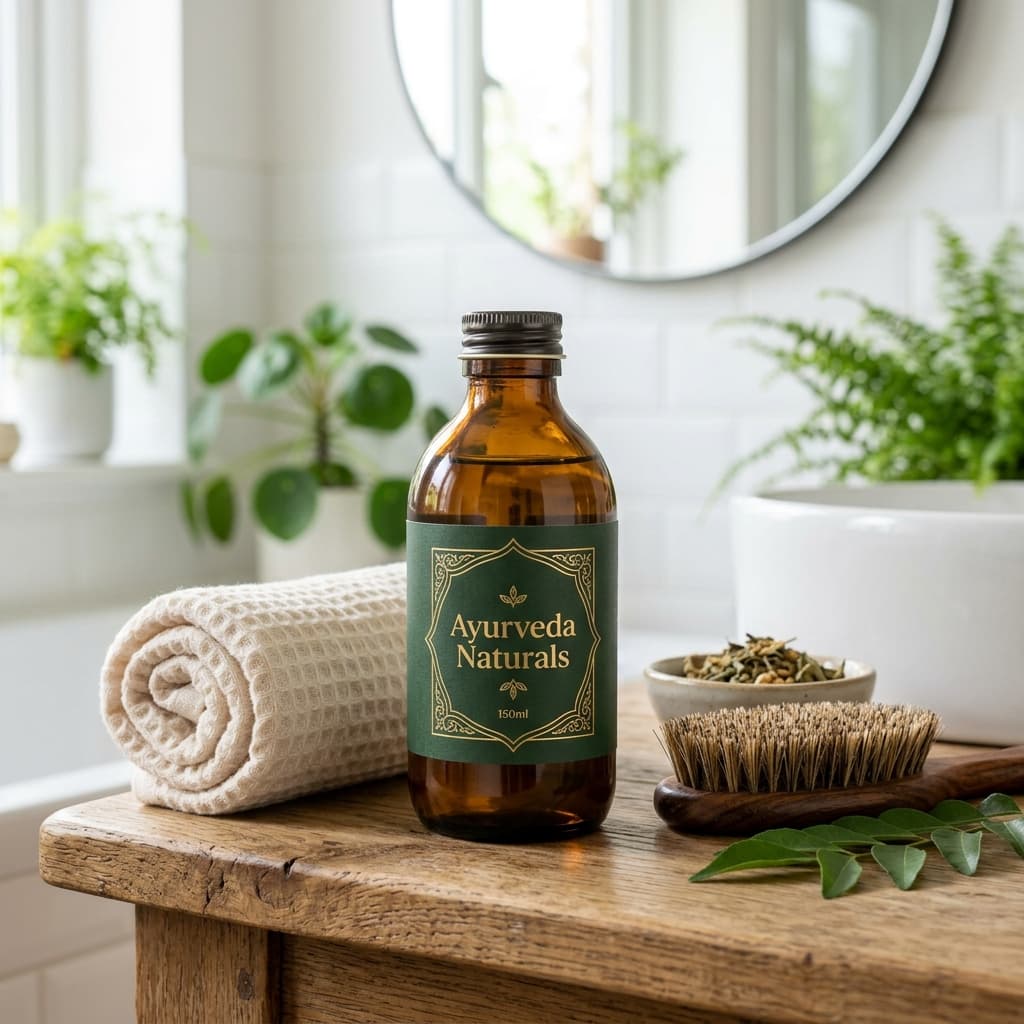
The Ultimate Guide to an Ayurvedic Daily Hair Care Routine for Vibrant, Healthy Hair
Introduction to Holistic Hair Care
In today's fast-paced, high-stress world, maintaining naturally healthy, vibrant hair can often feel like an insurmountable, uphill battle. Environmental stressors such as pollution, excessive reliance on chemical-laden synthetic hair care products, and poor, hurried dietary habits all combine to strip your hair of its natural vitality. This is precisely where the ancient wisdom of an Ayurvedic daily hair care routine becomes a transformative solution. Rooted deeply in an ancient Indian system of holistic medicine that has meticulously stood the test of time for over 5,000 years, Ayurveda offers a comprehensive, natural, and highly effective approach to achieving luscious, resilient, and vibrantly healthy hair.
Unlike conventional modern hair care paradigms, which predominantly focus on superficial, external treatments to merely mask underlying symptoms, an Ayurvedic daily hair care routine delves profoundly deep into the root causes of hair problems. It emphasizes the delicate yet crucial balance of mind, body, and spirit, ensuring that your hair receives the essential nourishment it requires from the inside out. By deeply understanding your unique biological constitution—known in Ayurveda as your Dosha—and meticulously aligning your lifestyle, diet, and topical treatments accordingly, you can fundamentally and permanently transform your hair's overall health and structural integrity.
This exhaustive, comprehensive guide will walk you meticulously through every single step needed to establish the perfect, individualized Ayurvedic daily hair care routine. From understanding the core foundational principles of Ayurveda and identifying your specific hair type to discovering the most potent, historically revered herbs, mastering proper oiling techniques, and integrating essential dietary guidelines, we have thoroughly covered it all. Whether you are actively struggling with severe hair fall, early-onset premature graying, stubborn dandruff, or simply seeking to elevate and maintain your hair's natural beauty, this 2500+ word definitive guide serves as your ultimate, indispensable resource.
Furthermore, adopting an Ayurvedic daily hair care routine is significantly more than just a pursuit of aesthetic enhancement; it is a profound, grounding practice of daily self-care and self-love. It actively encourages mindfulness, substantially promotes physical and mental relaxation, and fosters a much deeper, harmonious connection with nature's rhythms. As you seamlessly integrate these ancient, time-honored practices into your modern daily life, you will undoubtedly notice cascading improvements not only in the texture, strength, and appearance of your hair but in your overall physiological and psychological well-being. So, let us embark together on this deeply transformative journey to discover the closely guarded secrets of authentic Ayurvedic hair care.
Always remember, consistency is the ultimate key to success. An Ayurvedic daily hair care routine requires patience, dedication, and a commitment to natural healing, but the cumulative results are long-lasting, deeply restorative, and truly remarkable. Say a final goodbye to temporary quick fixes and fully embrace the profound wisdom of Ayurveda for hair that universally radiates health, strength, and vitality.
Understanding Ayurveda and Its Intimate Connection to Hair Health
Before enthusiastically diving into the granular specifics of an Ayurvedic daily hair care routine, it is absolutely crucial to deeply understand the foundational, governing principles of Ayurveda itself. The word "Ayurveda" is directly derived from two ancient Sanskrit words: "Ayur," meaning life, and "Veda," meaning knowledge or science. Thus, Ayurveda directly translates to "the science of life." It fundamentally operates on the universal principle that the entire cosmos, including the human body, is intimately composed of five basic elements: Space (Akasha), Air (Vayu), Fire (Tejas), Water (Jala), and Earth (Prithvi).
These five foundational elements combine intricately within the human body to form three distinct life forces or biological energies, universally known as Doshas: Vata, Pitta, and Kapha. Every single individual possesses a completely unique, inherent combination of these three Doshas at birth (Prakriti), which fundamentally determines their physical, mental, and emotional characteristics, as well as their inherent susceptibility to certain health imbalances and issues, prominently including hair problems.
According to ancient Ayurvedic texts, hair is considered a direct byproduct (Mala) of bone tissue, which is known as Asthi Dhatu. Therefore, the structural health, thickness, and vitality of your hair are directly and inextricably linked to the health of your skeletal system and the overall comprehensive nourishment of your deeper bodily tissues. If your digestive fire (Agni) is weak, sluggish, or impaired, or if your daily diet is severely lacking in essential, easily assimilable nutrients, the necessary nourishment will simply not reach your Asthi Dhatu. This internal starvation directly manifests externally, leading to poor hair quality, excessive hair fall, brittleness, and a myriad of other distressing issues. Implementing an Ayurvedic daily hair care routine fundamentally aims to correct these deep-seated root imbalances.
An effective, holistic Ayurvedic daily hair care routine primarily focuses on balancing the aggravated Doshas, structurally strengthening the Asthi Dhatu, and significantly optimizing your digestive Agni. It inherently involves a powerful synergistic approach that seamlessly includes a wholesome, Dosha-specific diet, rigorous stress management protocols, regular internal and external detoxification, and the topical application of deeply nourishing herbal formulations to the scalp and hair shafts. By meticulously addressing these fundamental, foundational aspects, you actively create a pristine internal and external environment where healthy hair can naturally thrive and flourish.
Moreover, Ayurveda places a remarkably strong emphasis on the profound concept of "Dinacharya," which translates to daily routine. A proper, well-structured Dinacharya perfectly aligns your daily activities, including waking, eating, exercising, and sleeping, with the natural, circadian rhythms of the day and the changing seasons. Actively incorporating your dedicated hair care practices into this broader, holistic daily routine dramatically enhances their overall effectiveness and ensures that your entire body remains in a constant state of harmony and balance. This deep, holistic integration is precisely what makes an Ayurvedic daily hair care routine so uniquely powerful, effective, and sustainable over the long term.
Identifying Your Unique Hair Type According to Your Dosha
A fundamental, non-negotiable step in creating a highly personalized, effective Ayurvedic daily hair care routine is accurately identifying your currently dominant Dosha. Just as your overall physical and mental constitution is governed intricately by Vata, Pitta, and Kapha, your specific hair type and the unique challenges you recurrently face are also directly influenced by these vital energies. Deeply understanding your specific hair Dosha allows you to perfectly tailor your routine, intelligently select the right synergistic herbs and carrier oils, and adopt precise dietary practices that address your highly specific biological needs.
1. Vata Hair Type (Space and Air Elements)
Vata energy is intrinsically characterized by qualities such as excessive dryness, lightness, coldness, roughness, and rapid mobility. When Vata is the dominant energy in your constitution or currently imbalanced, your hair tends to be noticeably thin, dry, highly frizzy, and exceptionally prone to split ends and breakage. Vata hair is very often wavy or curly, highly porous, and severely lacks natural moisture, making it highly susceptible to rapid structural damage from environmental factors like wind, cold, and low humidity.
Common Vata Hair Issues: Excessive, unmanageable dryness, dry, flaky dandruff that falls easily, severe split ends, persistent frizz, and diffuse hair thinning primarily due to structural breakage rather than root loss.
Vata Hair Care Focus: The primary, overarching goal for a Vata-dominant individual is to systematically introduce profound, lasting moisture and heavy, grounding energy. A Vata-focused Ayurvedic daily hair care routine should heavily prioritize deep, weekly conditioning treatments, regular, lengthy oil massages utilizing warm, heavy, deeply penetrating oils like organic unrefined sesame oil, sweet almond oil, or thick castor oil. Furthermore, a Vata-pacifying diet rich in healthy, unctuous fats (like ghee) and warm, grounding, nourishing foods is essential. You must strictly avoid harsh, stripping chemical shampoos, overwashing, and the excessive use of hot heat-styling tools, as these practices can exacerbate a Vata imbalance significantly, leading to catastrophic hair damage.
2. Pitta Hair Type (Fire and Water Elements)
Pitta energy embodies the qualities of intense heat, sharpness, oiliness, and rapid transformation. Individuals with a naturally dominant Pitta constitution typically possess fine, straight, very soft, and moderately thick hair. However, because Pitta intricately governs metabolic processes and internal body heat, an imbalance can rapidly lead to a buildup of excess, trapped heat in the scalp. This inflammatory heat physically "burns" and damages the delicate hair follicles.
Common Pitta Hair Issues: Rapid premature graying (loss of melanin due to heat), early-onset premature hair thinning or male/female pattern baldness, severe inflammation of the scalp, localized redness, burning sensations, and oily, yellowish dandruff.
Pitta Hair Care Focus: The absolute key to successfully managing Pitta hair is aggressively cooling, pacifying, and soothing the inflamed scalp. A Pitta-specific Ayurvedic daily hair care routine should exclusively involve the topical use of cooling, anti-inflammatory oils like raw coconut oil, pure amla oil, or brahmi oil. It is absolutely essential to avoid excessive heat exposure in all forms, including washing hair with hot water, using hot styling tools, and prolonged exposure to the midday sun. A strict Pitta-pacifying diet, which heavily emphasizes cooling, hydrating, sweet, and astringent foods while stringently minimizing spicy, sour, fermented, and salty tastes, is profoundly crucial for halting and preventing premature graying and inflammatory hair loss.
3. Kapha Hair Type (Earth and Water Elements)
Kapha energy is biologically defined by qualities of stability, heaviness, coldness, dampness, and abundant moisture. If Kapha is your dominant Dosha, you are highly likely blessed with thick, heavy, lustrous, incredibly strong, and wavy or curly hair. Kapha hair possesses an abundance of natural, inherent moisture and tends to be very resilient to external damage, but it can quickly suffer from excess accumulation, stagnation, and blockage.
Common Kapha Hair Issues: Excessive, unmanageable oiliness and greasiness, heavy, thick, sticky dandruff that clings to the scalp, severely sluggish scalp blood circulation, and a recurrent tendency for the scalp to feel heavily congested, blocked, or physically heavy.
Kapha Hair Care Focus: The primary objective for managing Kapha hair is to actively stimulate sluggish circulation, vigorously cleanse the pores, and stringently prevent the thick buildup of excess oil, sweat, and environmental impurities. A Kapha-oriented Ayurvedic daily hair care routine benefits immensely from the use of lighter, highly stimulating oils like pure mustard oil, grapeseed oil, or light olive oil, which are often infused with invigorating, circulatory herbs like rosemary, camphor, or eucalyptus. Regular, vigorous scalp stimulation through deep tissue massage and the frequent use of clarifying, astringent herbal washes like Shikakai and Reetha help thoroughly maintain optimal scalp health. A Kapha-balancing diet should focus heavily on light, warm, dry, and mildly spicy foods to effectively counteract the heavy, damp, and stagnant nature of this Dosha.
The Core, Non-Negotiable Elements of an Ayurvedic Daily Hair Care Routine
Now that you possess a comprehensive understanding of the foundational principles and your specific, individual hair Dosha, it is time to meticulously build your personalized Ayurvedic daily hair care routine. This structured routine is emphatically not just about what topical products you apply to your hair; it is a holistic, comprehensive lifestyle approach that seamlessly encompasses your waking morning rituals, your dietary intake, and your calming evening practices. Let us break down the essential, core components of a highly effective, transformative Ayurvedic daily hair care routine.
1. Morning Rituals: Setting the Solid Foundation
Your morning routine unequivocally sets the energetic tone for the rest of the day and plays a profoundly vital role in actively balancing your Doshas. Thoughtfully incorporating specific hair care practices into your morning Dinacharya ensures consistent, daily nourishment and robust protection from the very start of your day.
- Gentle, Mindful Detangling: Start your day by very gently detangling your hair using a high-quality, wide-toothed wooden comb (preferably Neem wood). Unlike conventional plastic combs, wooden combs do not generate damaging static electricity, which directly leads to cuticle damage, frizz, and severe breakage. Combing gently stimulates the scalp, naturally distributes sebum (natural oils) along the entire hair shaft, and effectively promotes healthy blood circulation. Always meticulously start from the very ends and slowly work your way up to the roots to minimize mechanical stress and tearing on the hair.
- Internal Hydration and Deep Detoxification: Before consuming any solid food or caffeine, drink a large glass of warm or room-temperature water, optionally enhanced with a squeeze of fresh lemon, a dash of ginger, or a teaspoon of organic honey. This simple, ancient practice powerfully ignites your digestive fire (Agni) and rapidly flushes out accumulated metabolic toxins (Ama) that have gathered in the digestive tract overnight. As we have learned, a clean, detoxified internal system and robust, strong digestion are absolute prerequisites for generating the healthy Asthi Dhatu required for vibrant hair.
- Dry Scalp Massage (Shiro Abhyanga): While a heavy, deep oiling session may be specifically reserved for weekends, a brief, invigorating dry scalp massage every single morning can work absolute wonders for hair growth. Use the soft pads of your fingertips to gently but firmly massage your entire scalp in small circular motions for 3-5 uninterrupted minutes. This physically invigorates the dormant hair follicles, immediately relieves accumulated mental stress, and primes the scalp to readily receive and metabolize nutrients from your diet throughout the active day.
- Mindful Exercise and targeted Yoga Asanas: Regular physical activity is absolutely essential for promoting rapid, overall systemic blood circulation, ensuring that nutrient-rich, highly oxygenated blood reaches your scalp efficiently. Certain specific yoga asanas (physical postures) are particularly and uniquely beneficial for hair health as they actively increase gravitational blood flow directly to the head. Deep forward bends like Uttanasana (Standing Forward Fold), Adho Mukha Svanasana (Downward-Facing Dog), and mild inversions like Viparita Karani (Legs-Up-The-Wall) are excellent, highly recommended additions to your morning routine.
2. The Profound Art of Oiling (Shiro Abhyanga)
Consistent, regular oiling, traditionally known as Shiro Abhyanga, is arguably the single most critical, transformative external practice in any authentic Ayurvedic daily hair care routine. It is a deeply nourishing, highly therapeutic process that goes far beyond simple surface moisturization; it nourishes the deeper tissues, calms the central nervous system, and strengthens the hair roots.
Carefully Choosing the Right Carrier Oil:
- Vata (Dry/Frizzy): Opt exclusively for warm, heavy, highly unctuous oils such as organic unrefined sesame oil (the king of Ayurvedic oils), cold-pressed almond oil, or thick, viscous castor oil (ideally mixed with a slightly lighter carrier oil to improve spreadability).
- Pitta (Thinning/Graying/Inflamed): Choose strictly cooling, pacifying oils like raw, unrefined coconut oil, pure amla oil, or brahmi oil to actively soothe the hot scalp, reduce localized inflammation, and systematically prevent excess heat from damaging the follicles.
- Kapha (Oily/Heavy/Sticky): Use light, highly stimulating, warming oils like pure mustard oil, light grapeseed oil, or organic olive oil, preferably infused with invigorating, penetrating herbs like rosemary, black pepper, or eucalyptus to cut through stagnation.
The Meticulous Oiling Process:
Gently warm the chosen oil slightly using a double boiler method before application; it should be comfortably, soothingly warm to the touch, absolutely not hot. Systematically part your hair into small sections and apply the warm oil directly onto the scalp using a clean cotton ball or the tips of your fingers. Once the entire scalp is completely covered, use the soft pads of your fingers to massage the oil deeply into the skin using firm, consistent, but gentle circular motions. This dedicated massage should last for an absolute minimum of 10 to 15 minutes. The physical, mechanical manipulation significantly enhances dermal absorption, vigorously stimulates peripheral circulation, and profoundly releases accumulated muscular tension in the head, jaw, and neck. After thoroughly massaging the scalp, gently distribute the remaining residual oil along the entire lengths of your hair to deeply condition the keratin strands and seal the cuticles to prevent split ends.
Recommended Frequency: While it is broadly categorized as an "Ayurvedic daily hair care routine," deep, heavy oiling is typically recommended 1 to 3 times a week, heavily depending on your specific hair Dosha. Vata hair, being exceedingly dry, may immensely benefit from more frequent, heavier oiling, while inherently oily Kapha hair might only require it once a week with a lighter oil. You can beneficially leave the oil on for a few hours, or ideally, overnight for much deeper, structural penetration before thoroughly washing it out the next morning.
3. Authentic Ayurvedic Hair Cleansing (The No-Poo Method)
Modern, conventional commercial shampoos are overwhelmingly laden with harsh, synthetic chemical detergents and sulfates (like SLS/SLES), artificial fragrances, and synthetic parabens that aggressively strip the hair and scalp of its protective, natural sebum, leading inevitably to a vicious, never-ending cycle of severe dryness, scalp irritation, and the subsequent over-production of compensatory sebum. A true Ayurvedic daily hair care routine strongly advocates for gentle, entirely natural, plant-based cleansers that effectively clean the scalp without disrupting its delicate, natural acid mantle and microbiome.
Potent Herbal Cleansers:
Ayurveda brilliantly utilizes a wide variety of saponin-rich (naturally lathering) botanical herbs that act as highly effective, exceptionally mild natural surfactants. The most common, universally utilized, and effective herbal cleansers include:
- Shikakai (Acacia concinna): Literally translating to the "fruit for the hair," Shikakai is a beautifully gentle, mildly acidic natural cleanser that perfectly removes accumulated dirt, sweat, and excess oil without brutally stripping the hair's natural moisture barrier. It also acts as a fantastic natural detangler and imparts a beautiful, healthy shine.
- Reetha (Sapindus mukorossi): Also widely known as the soapnut, Reetha is a remarkably powerful, highly effective natural cleanser that produces a rich, satisfying, foamy lather. It is exceptionally highly effective for removing heavy, stubborn oils post-Shiro Abhyanga and is particularly, highly beneficial for deeply cleansing excessively oily (Kapha) hair types.
- Amla (Phyllanthus emblica): The revered Indian gooseberry is an absolute powerhouse of natural Vitamin C and potent antioxidants. While not a strong surfactant or cleanser on its own, it is almost always synergistically combined with Shikakai and Reetha to deeply nourish the hair follicles, actively prevent premature graying, and powerfully promote strong, healthy, rapid growth.
How to Properly Wash:
You can easily create an incredibly effective natural shampoo by gently boiling raw Shikakai, Reetha, and Amla in pure water, letting the potent mixture steep covered overnight to release the saponins, and using the strained, dark liquid as a highly effective liquid wash. Alternatively, for convenience, you can mix the finely powdered herbs with warm water or pure aloe vera gel to form a smooth paste, apply it meticulously to the scalp and hair, leave it to rest for 10-15 minutes, and then rinse it out thoroughly. It is absolutely imperative that you always use lukewarm or cool water to wash your hair; scalding hot water can permanently damage the fragile hair cuticles, severely strip natural oils, and violently aggravate Pitta Dosha, leading directly to extreme dryness, brittleness, and accelerated hair fall.
4. The Evening and Nighttime Wind-Down Routine
Your comprehensive Ayurvedic daily hair care routine absolutely should not abruptly end when the sun goes down. Establishing proper, protective nighttime practices is absolutely crucial for safeguarding your hair from physical, mechanical damage and friction while you sleep.
- Nightly, Gentle Brushing: Immediately before getting into bed, gently and methodically brush your hair once again with your wooden comb. This critical step physically removes any environmental dust, pollen, or microscopic pollutants accumulated during the active day, stimulates the scalp for nighttime cellular repair, and evenly distributes protective natural oils down to the vulnerable ends of your hair overnight.
- Protective, Low-Tension Styling: Never, under any circumstances, sleep with your hair tied tightly in a high ponytail or bun, as this causes significant, continuous tension on the fragile hair follicles and can directly lead to traction alopecia (hair loss from pulling). Instead, loosely, gently braid your hair or tie it in a very loose, low bun at the nape of your neck using a soft, friction-free silk or satin scrunchie. This securely prevents catastrophic tangling, drastically minimizes friction against the harsh pillowcase, and significantly reduces the risk of structural breakage.
- Upgrading to Silk or Satin Pillowcases: Strongly consider making the permanent switch from standard cotton to high-quality silk or satin pillowcases. Traditional cotton is highly absorbent and can aggressively draw essential moisture straight out of your hair and skin, leaving it dry, parched, and brittle by morning. Silk and satin create significantly less friction, allowing your hair cuticles to glide smoothly across the surface as you toss and turn, effectively preventing deep tangles, matting, and morning frizz.
- Calming the Mind (Manasika Balance): As established, chronic, unmanaged stress is a major, primary contributor to severe hair loss and numerous other inflammatory scalp issues. Actively engage in deeply relaxing, grounding activities before bed, such as silent meditation, deep, rhythmic breathing exercises (Pranayama like Anulom Vilom), or reading a calming, non-stimulating book. A peaceful, uncluttered mind ensures deep, restful, uninterrupted sleep, which is absolutely essential for the body's natural, biological repair and cellular regeneration processes, crucially including the active anagen phase of hair growth.
The 10 Essential, Powerhouse Herbs in Your Ayurvedic Daily Hair Care Routine
The true, underlying efficacy of an authentic Ayurvedic daily hair care routine relies incredibly heavily on the consistent use of potent, completely natural botanical herbs. These specific botanicals have been deeply revered for countless centuries for their unmatched ability to nourish, repair, strengthen, and fundamentally rejuvenate the hair and scalp. Consistently incorporating these powerhouse herbs into your daily routine—whether through infused oils, topical masks, or internal consumption—can yield truly miraculous, transformative results.
1. Bhringraj (Eclipta alba) - The Undisputed King of Hair
Often officially referred to in texts as the "King of Herbs" specifically for hair growth, Bhringraj is unarguably the single most important and potent herb in the entire pantheon of Ayurvedic hair care. It is classified as a powerful, deep-tissue rejuvenator (Rasayana) that possesses the unique ability to penetrate deep into the scalp to vigorously stimulate dormant hair follicles, forcefully promoting vigorous, thick new growth. Bhringraj is incredibly, highly effective at actively preventing premature graying and has been shown to help restore natural, youthful hair color. It also possesses mild, soothing cooling properties, making it an excellent, balancing choice for pacifying an aggravated Pitta Dosha and rapidly soothing chronic scalp inflammation and burning.
2. Brahmi (Bacopa monnieri) - The Stress Reliever
Brahmi is globally renowned not only for its incredible cognitive-enhancing and memory-boosting properties but also for its profound, far-reaching benefits for hair health. When applied topically as an infused oil, Brahmi thoroughly coats the fragile hair follicles, providing a strong, protective barrier layer that visibly thickens the individual strands and effectively prevents splitting and breakage. Crucially, it deeply calms the central nervous system, drastically reduces systemic cortisol (stress hormone) levels, and directly addresses one of the primary, modern root causes of diffuse hair fall. Its inherent cooling, Pitta-pacifying nature further assists in flawlessly managing heat-related scalp issues like redness, tenderness, and excessive itching.
3. Neem (Azadirachta indica) - The Ultimate Scalp Purifier
Neem is an exceptionally powerful, broad-spectrum natural antimicrobial, antibacterial, and antifungal botanical agent. It is the absolute ultimate, non-negotiable remedy for an unhealthy, infected, or severely imbalanced scalp. If you chronically struggle with stubborn, recurring dandruff, fungal scalp infections, lice, or severe, maddening itchiness, Neem is your definitive go-to herb. It deeply purifies the scalp, actively unclogs blocked hair follicles, normalizes sebum production, and creates a pristine, perfectly clean, healthy biological environment for hair to grow unhindered. You can effectively use pungent Neem oil, apply a fresh Neem leaf paste as an intense topical mask, or regularly rinse your hair with strong, boiled Neem-infused water.
4. Ashwagandha (Withania somnifera) - The Adaptogenic Powerhouse
Ashwagandha is a highly potent, globally celebrated adaptogen, meaning it biologically helps the human body manage, process, and successfully adapt to severe physiological and psychological stress. Since chronic stress directly triggers the massive release of cortisol, which severely disrupts the natural hair growth cycle and frequently leads to massive, terrifying shedding (a condition known as telogen effluvium), actively managing stress is a critical, non-negotiable component of a successful Ayurvedic daily hair care routine. Consuming pure Ashwagandha root powder internally helps rapidly lower dangerous cortisol levels, while its topical application can stimulate the local cellular production of DHEA, a vital antioxidant hormone that actively promotes healthy, robust hair growth.
5. Hibiscus (Rosa-sinensis) - The Natural Conditioner
The incredibly vibrant, beautiful Hibiscus flower and its nutrient-dense leaves are richly packed with essential amino acids, high levels of natural Vitamin C, and beneficial alpha-hydroxy acids (AHAs). It is highly, demonstrably effective in actively preventing sudden hair loss, promoting thick, dense hair growth, and delaying premature graying. Hibiscus acts as a phenomenal, unsurpassed natural conditioner, leaving the hair incredibly soft, silky smooth, highly manageable, and incredibly shiny. It also actively helps in maintaining the scalp's delicate, natural pH balance and carefully regulating excessive sebum production without causing dryness.
6. Fenugreek (Trigonella foenum-graecum) - The Detangling Wonder
Commonly known as Methi in traditional Ayurveda, small, golden fenugreek seeds are an incredibly rich, dense source of bioavailable iron, high-quality plant protein, and nicotinic acid, all of which are absolutely essential building blocks for rapid hair growth. Fenugreek is particularly, highly effective at aggressively treating severe hair fall and eradicating stubborn dandruff. It contains a remarkably high amount of natural mucilage (a slippery, gel-like substance), which provides exceptional slip and profound conditioning properties when mixed with water, making it an absolutely excellent, unsurpassed natural detangler and deep, penetrating conditioner.
7. Jatamansi (Spikenard) - The Calming Darkener
Jatamansi is an incredibly grounding, deeply calming, and aromatic herb that is highly prized for its profound ability to promote deep, restful sleep and rapidly reduce severe anxiety. In the specific context of an Ayurvedic daily hair care routine, it is frequently utilized to naturally, safely darken the hair and powerfully prevent the onset of premature graying. It also acts as a very powerful, direct stimulant for dormant hair roots, actively encouraging significantly thicker, denser, and faster hair growth. Its rich, earthy, deeply calming scent makes it a truly wonderful, relaxing addition to any nighttime therapeutic hair oil blend.
8. Aloe Vera (Kumari) - The Intense Hydrator
Aloe Vera, beautifully known as Kumari in ancient Sanskrit, translates to "young girl," signifying its powerful rejuvenating, youth-restoring properties. It is a highly potent, deeply cooling natural agent, making it absolutely perfect for Pitta-dominant individuals or summer use. Fresh Aloe Vera gel can be generously applied directly to the scalp to rapidly soothe acute irritation, heal sunburned scalps, completely eradicate dry dandruff, and provide intense, non-greasy, lightweight hydration to parched strands. It also acts as a fantastic, highly penetrative carrier medium for deeply delivering other powdered herbs directly into the cellular structure of the scalp.
9. Henna (Lawsonia inermis) - The Natural Strengthener and Dye
Pure, organic Henna is highly revered not just as a beautiful natural, reddish-brown dye, but as a phenomenal, structural hair strengthener. It binds directly to the keratin in the hair shaft, making each individual strand noticeably thicker, heavier, and significantly stronger. It is an excellent, cooling treatment for Pitta types and adds an incredible, glass-like shine. However, since it can be slightly drying, Vata types should ensure they mix it with hydrating agents like yogurt, aloe vera, or an oil before application.
10. Indigo (Indigofera tinctoria) - The Deep Darkener
Often used in direct conjunction with Henna, Indigo is a powerful natural plant dye that provides deep, rich brown to stark black tones when applied correctly. Beyond its coloring capabilities, Indigo is highly valued in an Ayurvedic daily hair care routine for its ability to significantly soothe scalp irritation, treat severe dandruff, and actively promote new hair growth. Like Henna, it coats and protects the hair shaft, shielding it from severe environmental damage and pollutants.
Diet and Lifestyle: The Indispensable Inner Pillars of Ayurvedic Hair Care
As previously, repeatedly emphasized, an authentic Ayurvedic daily hair care routine is absolutely not limited to topical, external applications; it fundamentally requires a deep, holistic approach that stringently includes diet (Ahara) and lifestyle (Vihara). What you physically ingest and put into your body is arguably just as important, if not more so, than what you apply to the outside of your hair. According to Ayurveda, possessing a strong, robust digestive fire (Agni) is paramount. If your Agni is weak, sluggish, or erratic, even the absolute healthiest, most organic foods will unfortunately turn into toxic sludge (Ama) rather than successfully nourishing your deeper tissues (Dhatus), critically including the tissues that form your hair.
Comprehensive Ayurvedic Dietary Guidelines for Radiant, Healthy Hair
- High-Quality, Digestible Protein-Rich Foods: Human hair is primarily structurally composed of a tough protein called keratin. Therefore, adequate, daily protein intake is non-negotiable and absolutely essential. Include highly digestible, plant-based proteins in your daily diet, such as sprouted mung beans, various lentils, quinoa, soaked nuts, and seeds. If your constitution tolerates and consumes dairy, warm, heavily spiced, organic milk (with turmeric and black pepper) can be exceptionally nourishing and grounding.
- Essential, Healthy Fats (Sneha): Vata Dosha, which governs excessive dryness and brittleness, must be continuously balanced with copious amounts of healthy, lubricating fats. Actively incorporate pure, organic grass-fed ghee (clarified butter), organic virgin coconut oil, cold-pressed olive oil, fresh avocados, and soaked almonds into your daily meals. Ghee, in particular, is extraordinarily highly revered in Ayurveda for its unique, powerful ability to carry vital nutrients deep into the body's innermost tissues and cellular structures.
- Vital Vitamins and Trace Minerals: Focus heavily on consuming foods naturally rich in bioavailable iron, zinc, and Vitamin C. Dark, leafy greens (like spinach, kale, and Swiss chard), sweet potatoes, carrots, and an absolute abundance of fresh, ripe, seasonal fruits should form the vast bulk of your daily diet. Amla (Indian gooseberry) is an undeniably excellent, unsurpassed source of natural Vitamin C and can be easily consumed daily as a fresh fruit, a juice, or a dried powder to profoundly, noticeably boost your hair's health, immunity, and color retention.
- Optimal, Consistent Hydration: Drink plenty of warm or room-temperature water consistently throughout the entire day. Strictly avoid ice-cold drinks, highly carbonated beverages, and excessive caffeine, as they severely dampen the digestive fire (Agni), cause systemic constriction, and significantly slow down metabolic absorption. Drinking herbal teas, such as a cumin-coriander-fennel (CCF) blend, can dramatically help improve sluggish digestion and continuously detoxify the bodily channels.
- The Crucial Practice of Mindful Eating: How you eat is functionally as important as what you eat. Always sit down to eat your meals in a calm, quiet, relaxed environment. Strictly avoid eating while heavily distracted by glowing screens, driving, or intense work. Chew your food thoroughly and deliberately to mechanically aid the first stage of digestion and ensure maximum, complete nutrient absorption in the gut.
Essential Lifestyle Adjustments (Vihara) for Optimal Hair Health
- Aggressive Stress Management: Chronic, unmanaged psychological stress is a globally recognized, leading cause of severe hair loss (telogen effluvium) and premature graying. You must actively incorporate proven stress-reducing practices into your daily life. Daily meditation, deep, conscious breathing exercises (Pranayama), and grounding, restorative yoga can significantly and rapidly lower systemic stress levels and promote a profound sense of well-being, which reflects immediately and positively on your hair's health and growth cycles.
- Prioritizing Adequate, Restorative Sleep (Nidra): The human body diligently repairs, detoxifies, and regenerates itself primarily during deep sleep. You must consistently aim for 7 to 8 hours of high-quality, completely uninterrupted sleep each and every night. Establishing a strict, consistent sleep schedule—going to bed and waking up at the exact same times every day—dramatically helps balance all three Doshas and robustly supports the body's natural, vital physiological rhythms and healing mechanisms.
- Strictly Avoiding Harsh, Synthetic Chemicals: Radically minimize or completely eliminate the use of synthetic, heavily fragranced hair products, harsh, ammonia-based chemical dyes, and the excessive, daily use of hot heat styling tools. These damaging practices aggressively strip the hair of its protective natural oils, permanently damage and blast open the delicate cuticles, and severely disrupt the scalp's natural, protective microbiome. Fully embrace natural, gentle, Ayurvedic alternatives whenever and wherever possible.
- Vigilantly Protecting Your Hair from the Elements: Excessive, prolonged exposure to the burning sun, harsh, drying winds, and heavily polluted urban environments can severely, irreversibly damage your hair. Always make a habit of wearing a protective hat or a silk scarf when spending extended periods outdoors to effectively shield your delicate hair from these relentless environmental aggressors.
- Regular, Deep Detoxification (Panchakarma): For individuals dealing with severe, chronic, unresolving hair loss or scalp conditions, undergoing professional, seasonal Ayurvedic detoxification therapies, known collectively as Panchakarma, can profoundly and fundamentally reset the entire body. Nasya (the precise nasal administration of specific herbal oils) is particularly, highly beneficial for deeply clearing the energetic channels of the head and neck, directly and powerfully promoting healthy, unhindered hair growth.
Potent DIY Ayurvedic Hair Masks (Lepa) for Deep, Targeted Nourishment
A highly crucial, non-negotiable component of a truly complete, professional-grade Ayurvedic daily hair care routine is the dedicated weekly application of a highly potent, custom-formulated herbal hair mask (known as a Lepa). These intensive hair masks deliver a massive, highly concentrated dose of vital nutrients, vitamins, and minerals directly to the scalp and deeply into the hair shafts, rapidly repairing accumulated structural damage and vigorously stimulating new growth. Here are three highly effective, meticulously crafted DIY Ayurvedic hair masks, precisely tailored to address the unique imbalances of the different Doshas.
1. The Ultra-Hydrating Vata Hair Mask (For Dry, Damaged, Frizzy Hair)
This rich, heavy mask is specifically, scientifically designed to rapidly quench the intense, chronic thirst of excessively dry, brittle Vata hair. It provides profound, lasting moisture, instantly restores lost elasticity, and beautifully smooths the hair cuticle to eliminate frizz.
Ingredients:
- 2 generous tablespoons of fully mashed, overly ripe avocado (rich in essential fatty acids)
- 1 full tablespoon of raw, organic honey (a natural, powerful humectant)
- 1 to 2 tablespoons of warm, organic unrefined sesame oil (for deep, heavy grounding)
- 1 heaping tablespoon of pure Ashwagandha powder (to strengthen the roots and reduce local stress)
Detailed Instructions: Vigorously mix all the ingredients in a clean glass bowl until a very smooth, lump-free paste is formed. Apply the thick mask very generously to your entire scalp and coat the full lengths of your hair right down to the ends. Securely cover your head with a plastic shower cap and securely wrap a hot, damp towel around it to create a steam effect, which dramatically enhances deep cellular penetration. Leave the intensive mask on for an absolute minimum of 30 to 45 minutes before gently washing it out with a mild, sulfate-free herbal cleanser. Utilizing this luxurious mask is an absolutely indispensable addition to your Ayurvedic daily hair care routine, especially crucial during the harsh, dry, cold winter months.
2. The Deeply Cooling Pitta Hair Mask (For Heat, Inflammation, and Graying)
This highly specialized mask focuses intensely on actively soothing burning inflammation, rapidly neutralizing excess trapped heat in the scalp, and powerfully preventing and reversing premature graying—the absolute hallmarks of a severe Pitta imbalance.
Ingredients:
- 2 heaping tablespoons of pure Amla powder (for massive Vitamin C and cooling properties)
- 1 heaping tablespoon of potent Bhringraj powder (to restore color and stimulate growth)
- 2 generous tablespoons of fresh, pure Aloe Vera gel (for intense, non-oily hydration and soothing)
- 1 to 2 tablespoons of pure, organic Rose water (to balance pH and cool the skin)
Detailed Instructions: Thoroughly blend the dry Amla and Bhringraj powders with the wet Aloe Vera gel and pure rose water until it forms a perfectly consistent, easily spreadable, mud-like paste. Apply this cooling mixture predominantly directly to the scalp, gently but firmly massaging it into the roots and inflamed areas. Leave it to rest and cool the scalp for precisely 30 minutes. The immediate, intense cooling effect will rapidly, effectively pacify a hot, irritated, burning scalp. Rinse the mask out completely with cool (never warm or hot) water and a very gentle, mild cleanser to preserve the cooling effect.
3. The Vigorously Clarifying Kapha Hair Mask (For Oily, Congested, Dandruff-Prone Scalps)
Heavy, damp Kapha hair requires aggressive stimulation and the thorough, deep removal of excess, sticky oil and cellular buildup. This highly effective mask utilizes powerful astringent, cleansing, and antimicrobial herbs to deeply purify and invigorate the scalp.
Ingredients:
- 2 heaping tablespoons of pure Neem powder (the ultimate antifungal and antibacterial)
- 1 heaping tablespoon of fine Shikakai powder (for gentle but effective deep cleansing)
- 2 to 3 tablespoons of fresh, plain, unsweetened yogurt (contains lactic acid for gentle exfoliation)
- A generous squeeze of fresh lemon juice (to cut through heavy grease and balance pH)
Detailed Instructions: Carefully combine the highly active Neem and Shikakai powders with the fresh yogurt. The natural lactic acid present in the yogurt will gently, chemically exfoliate the dead skin cells on the scalp, while the potent herbs will deeply cleanse, purify, and kill dandruff-causing microbes. Apply the thick mixture directly and forcefully to the scalp, focusing heavily and specifically on the areas most prone to extreme oiliness, congestion, or sticky dandruff. Leave the clarifying mask on for exactly 20 to 30 minutes before very thoroughly rinsing it out with lukewarm water. Strictly incorporating this deeply clarifying mask on a weekly basis is an absolute, non-negotiable game-changer for a successful, Kapha-focused Ayurvedic daily hair care routine.
Systematically Addressing Common, Stubborn Hair Problems with Ayurveda
Even with a highly diligent, incredibly strict Ayurvedic daily hair care routine, you may still occasionally encounter specific, stubborn hair issues due to sudden seasonal changes, periods of extreme stress, or temporary, acute Dosha imbalances. Here is exactly how the science of Ayurveda systematically and effectively addresses some of the absolute most common, frustrating hair problems by fundamentally treating the deep root cause rather than merely suppressing the superficial symptoms:
1. Severe Hair Fall and Diffuse Thinning (Khalitya)
In traditional Ayurveda, excessive, terrifying hair fall is almost always directly linked to a severe, combined aggravation of both Pitta and Vata Doshas, primarily caused by a highly nutrient-deficient diet, chronic mental stress, severe lack of sleep, and systemic nutritional deficiencies (poor Asthi Dhatu). To combat this type of hair fall effectively and permanently, you must aggressively incorporate cooling and deeply strengthening herbs like Bhringraj, Amla, and Brahmi into your daily routine. A strict, weekly scalp massage with a highly potent, medicinal Bhringraj oil formulation is highly recommended and non-negotiable. Ensure your daily diet is incredibly rich in bioavailable iron, high-quality protein, and healthy, lubricating fats. Consistently consuming a full teaspoon of pure Amla powder mixed with warm water or raw honey every single morning on an empty stomach can significantly and rapidly reduce hair fall by massively boosting your Vitamin C levels and enhancing crucial iron absorption.
2. Stubborn Dandruff and Severe Scalp Itchiness (Darunaka)
Dandruff in Ayurveda can broadly be classified into two main, distinct types: dry, flaky dandruff (Vata-dominant) or thick, oily, sticky dandruff (Kapha/Pitta-dominant). For dry, Vata-type dandruff, your entire focus must be on intense, deep moisturization. Vigorously massage your scalp with warm, heavy sesame oil mixed with a few potent drops of tea tree essential oil, leaving it to soak in overnight. For oily, Kapha-type dandruff, strictly use a highly clarifying, astringent mask made of pure Neem powder, fresh yogurt, and a large squeeze of lemon juice. The incredibly potent antimicrobial properties of Neem will effectively, rapidly cleanse the scalp and completely eliminate the specific fungi responsible for the dandruff. Always wash your hair with natural Shikakai instead of harsh chemical shampoos to maintain a perfectly clean, highly balanced scalp pH.
3. Early-Onset Premature Graying (Palitya)
Premature graying is globally considered a classic, undeniable sign of immense, excess Pitta (fire and heat) trapped in the body, particularly accumulating in the liver. To effectively prevent and carefully manage premature graying, you absolutely must adopt a strict, highly Pitta-pacifying diet and lifestyle immediately. Completely avoid the excessive intake of spicy, sour, highly salty, and fermented foods, as well as significantly reducing or eliminating excessive caffeine and alcohol consumption. Exclusively use highly cooling oils like raw coconut or pure Amla oil for your regular scalp massages. Regularly and consistently applying a dark hair mask made of Amla powder, Bhringraj powder, and pure water can actively help restore the hair's natural color over time, significantly strengthen the roots, and effectively prevent any further, rapid graying from occurring.
4. Chronically Dry, Frizzy, and Severely Damaged Hair
Extremely dry, unmanageable, frizzy, and easily breakable hair is a clear, glaring indication of a severely elevated, out-of-control Vata Dosha. Your entire Ayurvedic daily hair care routine must immediately pivot to focus on providing intense, heavy hydration and deeply grounding therapies. Long, warm oil massages with the heaviest, most nourishing oils available, like thick castor oil or sweet almond oil, are absolutely crucial. Completely avoid hot water washes and cease the use of all heat styling tools entirely, as they rapidly evaporate precious, remaining moisture. Diligently use a deeply, intensely conditioning hair mask made of fully mashed avocado, raw honey, and a large tablespoon of olive oil at least once a week to fundamentally restore lost moisture, structural elasticity, and brilliant, glass-like shine to the damaged strands.
The Critical Role of Changing Seasons (Ritucharya) in Your Hair Care Routine
The science of Ayurveda heavily emphasizes the absolute necessity of continuously adapting your diet and lifestyle according to the shifting seasons, a profound practice known as Ritucharya. Your specific Ayurvedic daily hair care routine should also be highly dynamic, consciously shifting slightly throughout the year to perfectly accommodate the rapidly changing environmental energies and temperatures.
Summer Season (Grishma Ritu)
The Summer season is universally characterized by intense, burning heat (Pitta). During this harsh season, your delicate hair is highly prone to severe UV sun damage, rapid moisture loss, and extreme dryness. You must completely shift your focus to highly cooling, protective practices. Exclusively use cooling coconut oil for your Shiro Abhyanga and wash your hair slightly more frequently with very mild, highly cooling herbs like fresh Aloe Vera and Amla to remove sweat. Absolutely avoid all hot styling tools completely, and always wear a protective hat or scarf to physically shield your hair from direct, damaging UV rays.
Monsoon Season (Varsha Ritu)
The wet monsoon season brings incredibly high, oppressive humidity, severely aggravating both Vata and Kapha Doshas simultaneously. This is the precise time of year when massive hair fall and stubborn fungal infections (like severe dandruff) hit their absolute peak. It is critical to keep your scalp meticulously clean and completely dry. Strictly use Neem-based, antimicrobial cleansers to proactively ward off fungal infections and apply very light, non-greasy oils like sesame to effectively prevent humidity-induced frizz without heavily weighing the hair down. Actively avoid getting your hair wet in the rain whenever possible, as modern rainwater can be highly acidic and heavily laden with environmental pollutants.
Winter Season (Hemanta and Shishira Ritu)
The Winter season is brutally cold, windy, and intensely dry, heavily and predictably aggravating the Vata Dosha. This directly leads to a parched, dry scalp, frustrating static electricity, and highly brittle, snapping hair. Your Ayurvedic daily hair care routine during the harsh winter months must be incredibly, intensely nourishing and heavy. Significantly increase the frequency and duration of your warm oil massages, exclusively using heavy, protective oils like sweet almond or thick castor oil. Consciously avoid washing your hair too frequently, as this rapidly strips away the scarce, natural moisture. Consistently incorporate deeply, heavily hydrating hair masks and ensure your internal diet is incredibly rich in healthy, unctuous fats, warm soups, and heavy, grounding, nourishing foods.
Ready to Transform Your Hair Naturally?
Explore our 100% organic Ayurvedic haircare range crafted with 15+ potent herbs.
Hair Regrowth Oil · Purifying Hair Shampoo · Ultimate Haircare Bundle
Frequently Asked Questions (FAQ) regarding Ayurvedic Hair Care
Exactly how long does it realistically take to see noticeable results from an Ayurvedic daily hair care routine?
Ayurveda, unlike western medicine, focuses entirely on addressing and fixing the deep, underlying root causes of biological issues, which naturally takes significant time. While you may happily notice immediate, superficial improvements in the texture, softness, and brilliant shine of your hair within just a few short weeks, highly significant, structural changes in active hair growth, a drastic, noticeable reduction in daily hair fall, and the highly complex reversal of issues like premature graying typically require an absolute minimum of 3 to 6 months of incredibly consistent, unwavering, dedicated practice.
Can I heavily oil my hair every single day as part of my routine?
While a very light, incredibly brief, dry scalp massage (using perhaps just a single drop or two of oil on the very tips of your fingers) can certainly be done daily to gently stimulate blood circulation, heavy, soaking oiling of the entire scalp and the full lengths of the hair should absolutely only be done 1 to 3 times a week maximum. Oiling heavily every single day can rapidly lead to a massive buildup of stagnant oil, aggressively attract environmental dirt and pollutants, severely clog the delicate hair follicles, and catastrophically aggravate the Kapha Dosha, leading to an overly oily, infected, and congested scalp that actively impedes new hair growth.
Are traditional Ayurvedic hair care practices truly safe for chemically bleached or color-treated hair?
Yes, the vast majority of natural Ayurvedic herbs and pure, unrefined carrier oils are completely, 100% safe and actually highly, exceptionally beneficial for severely damaged, chemically color-treated hair, as they provide much-needed, intense, deep moisture and actively repair the severe structural damage caused by harsh, stripping chemical dyes and bleaches. However, a word of caution: some highly potent herbs like pure, organic Henna or very strong, concentrated infusions of Amla and Bhringraj can slightly darken or unexpectedly alter the tint of lighter hair over time. It is absolutely always highly recommended to perform a small, careful patch test on a hidden, inconspicuous strand of hair first before full application.
What is the absolute, single most important, non-negotiable step in an Ayurvedic daily hair care routine?
While all the discussed steps are highly synergistic and meant to be practiced together, maintaining a perfectly healthy, Dosha-balanced diet (Ahara) and possessing a roaring, strong digestive fire (Agni) is arguably the absolute most important, foundational, non-negotiable aspect. Without proper, robust internal nourishment and absorption, external, topical applications can only ever provide temporary, fleeting relief. Among the external practices, regular Shiro Abhyanga (deep scalp oiling) combined with the exclusive use of highly gentle, 100% natural, sulfate-free herbal cleansers are the most absolutely critical steps for maintaining long-term, pristine scalp health and powerfully promoting vigorous, sustained, lifelong hair growth.
Can men also successfully follow and benefit from this exact Ayurvedic daily hair care routine?
Absolutely, without a doubt. The foundational, scientific principles of Ayurveda are completely universal and apply equally to every single human being, regardless of gender or age. Men who are actively dealing with frustrating premature balding, rapidly receding hairlines, or chronic, stubborn dandruff will benefit immensely and visibly from carefully identifying their dominant Dosha and diligently incorporating highly specific, powerful herbs like Bhringraj, Ashwagandha, and Saw Palmetto, along with strictly regular, weekly scalp massages, into their permanent daily routine.
Can an Ayurvedic daily hair care routine completely cure genetic baldness?
While an Ayurvedic daily hair care routine is incredibly powerful, it is important to set realistic expectations. Ayurveda can significantly delay the onset of genetic baldness, massively improve the health, thickness, and vitality of existing hair, and stimulate any dormant follicles that are still viable. However, completely reversing advanced, purely genetic male or female pattern baldness (where the follicles have completely miniaturized and died) is exceptionally difficult. The focus is always on preservation, optimization, and maximizing the health of the hair you currently possess through holistic means.
Conclusion: Your Path to Lifelong Hair Vitality
Fully embracing and committing to an Ayurvedic daily hair care routine is a truly profound, life-changing commitment to your overall, holistic health, vibrant vitality, and long-term well-being. By consciously, permanently moving away from damaging, temporary, quick chemical fixes and perfectly aligning your entire lifestyle with the ancient, time-tested, brilliant wisdom of Ayurveda, you are finally treating your hair with the deep, profound respect and comprehensive, holistic nourishment it truly, desperately deserves. Always remember to meticulously and honestly identify your unique, individual Dosha, carefully and intelligently select the highly appropriate, synergistic herbs and organic oils, maintain an incredibly wholesome, balanced, nutrient-dense diet, and manage your daily psychological stress effectively and consistently.
The journey to possessing lush, incredibly vibrant, and undeniably healthy hair is a deeply holistic, interconnected one. It requires significant patience, unwavering consistency, and a profound, intimate understanding of your body's unique, shifting internal and external needs. As you diligently, faithfully follow this exhaustive, comprehensive, 2500+ word definitive guide and seamlessly, naturally integrate these powerful, ancient natural practices into your modern daily life, you will absolutely not only witness a truly remarkable, visible transformation in your hair's vitality, thickness, and structural strength, but you will also experience a much greater, profound sense of overall energetic balance, mental harmony, and vibrant physical vitality in your everyday life. Do not wait another day; start your personalized, transformative Ayurvedic daily hair care routine today, and finally unlock the ancient, closely guarded secret to naturally beautiful, incredibly resilient hair that undoubtedly lasts a lifetime.
Ready to stop hair fall naturally?
Don't wait until it's too late. Experience the proven magic of our 100% organic, wild-harvested Ayurvedic formulations and start seeing real results in 14 days.
Free Shipping + Cash on Delivery