
Ayurvedic Hair Oil for Dry, Damaged Lengths: A Pre-Wash Routine
Ayurvedic Hair Oil for Dry Damaged Lengths: Complete Lipid Restoration Guide
Answer: The ideal ayurvedic hair oil for dry damaged lengths relies on deeply penetrating lipids from unrefined sesame, virgin coconut, and sweet almond oils infused with restorative herbs like amla and bhringraj. Used as a pre-wash shield, these botanical lipids replenish the hair cuticle, stop hygral fatigue, and repair severe brittleness from heat styling and chemical dyes.
While the living roots of your hair receive a constant supply of nutrients, oxygen, and moisture through the microscopic blood vessels supplying the dermal papilla, the hair lengths tell an entirely different physiological story. Mid-lengths and ends represent the oldest, most exposed, and biologically non-living portions of the hair fiber. A strand of hair that extends past the shoulders has weathered between two and four years of continuous environmental friction, chemical exposure, thermal styling, mechanical brushing, and solar ultraviolet radiation. By the time hair reaches its lower third, the protective outer sheath has suffered extensive structural wear, leaving the delicate inner cortex vulnerable to moisture desiccation, fraying, and catastrophic snapping.
Modern hair care typically responds to this weathered condition by applying synthetic conditioners, heavy silicones, and quaternary ammonium compounds designed to coat the surface and provide immediate cosmetic slip. While these commercial preparations create the temporary illusion of silkiness, they do not replenish the authentic structural lipids that keep the hair shaft supple and resilient. Over time, synthetic coatings accumulate on the fiber, block genuine hydration, and require harsh, stripping detergents to wash away, plunging the hair into an escalating cycle of chronic dryness. Authentic Ayurvedic trichology approaches dry, damaged lengths from a fundamentally restorative perspective: replenishing depleted intercellular lipids, reinforcing the natural cuticle architecture, and shielding fragile fibers against mechanical and water-induced trauma.
By harnessing cold-pressed plant lipids that possess specific molecular weights and fatty acid structures compatible with human keratin, an authentic ayurvedic hair oil for dry damaged lengths penetrates beneath the uplifted surface scales to restore internal flexibility. When combined with time-honored application techniques such as pre-shampoo saturation (pre-poo oiling) and gentle emulsification washes, botanical hair oils transform brittle, straw-like strands into resilient, light-reflective lengths without weighing down the crown or clogging the scalp.
The Biological Science of Hair Fiber Desiccation and Lipid Loss
To comprehend why hair lengths become dry, coarse, and prone to splitting, one must examine the microscopic architecture of the hair shaft. Each human hair strand consists of three concentric anatomical layers: the innermost medulla, the intermediate cortex, and the outermost protective cuticle. The cortex makes up approximately eighty-five to ninety percent of the hair's total dry weight and is composed of tightly packed, longitudinally aligned alpha-helical keratin intermediate filaments cross-linked by cystine disulfide bonds. This internal protein core provides all of the hair's tensile strength, elasticity, and shape.
Surrounding and protecting this fragile cortical core is the cuticle, composed of six to ten overlapping layers of flattened, scale-like cells resembling the tiles on a roof or the scales of a pinecone. In undamaged, newly formed hair near the scalp, these cuticle scales lie perfectly flat, smooth, and tightly bonded to one another. The cement that seals these overlapping scales together is known as the Cell Membrane Complex (CMC), a delicate intercellular layer consisting of proteins, ceramides, free fatty acids, and a specialized, chemically bound surface lipid known as 18-Methyleicosanoic Acid (18-MEA).
The 18-MEA layer serves as the hair's natural hydrophobic shield. It repels excessive environmental moisture, prevents water from rushing unchecked into the cortex, and provides natural lubricity so that adjacent hair fibers glide smoothly past one another without generating abrasive friction. However, this microscopic lipid layer is exceptionally fragile. Exposure to alkaline chemical hair dyes, bleach, perm solutions, chlorine, and hot styling irons above 150 degrees Celsius completely strips the 18-MEA barrier from the hair surface.
Once the 18-MEA layer is stripped away, the hair undergoes a fundamental physical shift: it transforms from naturally hydrophobic (water-repelling) to pathologically hydrophilic (water-craving). Because the protective seal is destroyed, ambient moisture rushes in and out of the exposed cortex unpredictably. When the hair is washed, water pours rapidly into the inner core, forcing the cortical fibers to swell drastically. As the hair dries, the water evaporates, causing the fibers to shrink back down. This continuous, repetitive expansion and contraction cycle is known in cosmetic chemistry as hygral fatigue. Over months of regular washing, hygral fatigue weakens the internal protein matrix, causes micro-fissures in the cuticle scales, and leads directly to longitudinal splitting, mid-shaft breakage, and extreme frizzy porosity.
Why Conventional Conditioners Fail on Severely Damaged Mid-Lengths and Ends
When faced with brittle, straw-like hair, most individuals turn to conventional salon conditioners and deep treatment masks. These formulations predominantly rely on water, fatty alcohols, and high concentrations of synthetic silicones such as dimethicone, cyclopentasiloxane, and amodimethicone. While these ingredients perform well at masking cosmetic flaws, understanding their limitations is vital for long-term fiber health.
Silicones are synthetic polymers that form an impenetrable plastic-like film over the hair shaft. This artificial coating flattens the raised cuticle scales and creates immediate, high-gloss surface shine. However, silicones do not penetrate the hair cortex, nor do they replenish the missing fatty acids within the Cell Membrane Complex. Instead, they form an occlusive barrier that repels natural botanical oils and water-soluble conditioning agents applied subsequently. Over successive washes, heavy silicones accumulate along the lengths, causing the hair to feel waxy, limp, and artificially stiff.
To remove this accumulated silicone residue, consumers are forced to use aggressive, high-pH clarifying shampoos formulated with harsh sulfates like Sodium Lauryl Sulfate (SLS). These strong detergents strip away the silicone film, but in doing so, they also wash away whatever residual endogenous lipids remained within the hair shaft, leaving the exposed keratin even more brittle than before. This destructive cycle of artificial coating followed by aggressive stripping accelerates fiber degradation. If you are struggling with chronic thermal stress, review our detailed guide on how to fix dry brittle hair from heat styling tools to understand how thermal heat denatures keratin proteins.
Ayurvedic Trichology and the Tridoshic Anatomy of Hair Lengths
In the classical Ayurvedic medical texts, hair (known as Kesha) is categorized as an Upadhatu, or secondary tissue, directly derived from Asthi Dhatu (the biological bone tissue system). The vitality, density, and natural luster of the hair serve as an external reflection of the body's deep nutritional reserves, metabolic fire (Agni), and doshic harmony. In traditional Ayurvedic physiology, dry, damaged, and brittle hair lengths represent an acute manifestation of aggravated Vata Dosha localized within the hair shaft, frequently compounded by excessive Pitta Dosha.
Vata Dosha embodies the fundamental physical principles of air and space (Vayu and Akasha). Its inherent biological attributes are Rooksha (dryness), Laghu (lightness), Sheeta (coldness), Khara (roughness), and Chala (mobility). When Vata increases excessively—whether through drying environmental winds, internal dehydration, emotional stress, or external chemical stripping—its drying and rough qualities exhaust the hair's natural biological lubrication, known as Sneha. The hair shaft loses its unctuous, supple quality, becoming coarse, porous, highly electro-static, and vulnerable to mechanical snapping under the slightest tension.
Simultaneously, thermal styling tools, chemical dyes, bleaching treatments, and prolonged solar exposure introduce excessive Ushna (burning heat) and Tikshna (sharp penetrating heat) qualities into the hair shaft, which directly aggravates Pitta Dosha. Excess Pitta scorches the delicate protein fibers, oxidizes natural melanin pigments, and evaporates structural moisture reserves. The result is premature weathering, dull brassiness, frayed tips, and split ends. To manage structural tip splitting without sacrificing your length, explore our companion analysis on split ends treatment without cutting hair.
Ayurveda resolves this imbalance through the profound therapeutic science of Snehana (oleation therapy). The Sanskrit word Sneha carries a dual meaning: it signifies both "oil or unctuousness" and "love or deep nurturing." By saturating dried hair lengths with warm, medicated botanical oils prepared with balancing herbs, you introduce Guru (grounding), Snigdha (nourishing and unctuous), and Manda (calming) qualities directly into the weathered fiber. This ancient practice restores balance to aggravated Vata, neutralizes excess thermal Pitta, and structurally replenishes the depleted Sneha within the hair shaft.
The Tri-Oil Carrier Matrix: Sesame, Coconut, and Sweet Almond
An effective ayurvedic hair oil for dry damaged lengths cannot rely on generic mineral oils or singular, unrefined culinary bases. It requires a meticulously formulated carrier matrix that combines varying molecular weights, carbon chain lengths, and absorption dynamics to address both internal cortical replenishment and external cuticle protection. The ideal Ayurvedic restorative matrix combines three revered traditional oils: cold-pressed sesame oil, extra virgin coconut oil, and sweet almond oil.
1. Cold-Pressed Sesame Oil (Tila Taila): The Penetrating Reconstructor
In classical Ayurvedic pharmacology, Tila Taila (Sesamum indicum seed oil) is celebrated as the foremost among all vegetable carrier oils due to its unmatched penetrating potency (Sukshma Guna) and warming energy (Ushna Virya). Sesame oil possesses an exceptionally balanced lipid architecture, consisting of approximately forty-one percent polyunsaturated linoleic acid (Omega-6), thirty-nine percent monounsaturated oleic acid (Omega-9), and small fractions of palmitic and stearic acids.
Because of its unique balance of unsaturated fatty acids and natural viscosity, sesame oil easily traverses the microscopic gaps between raised cuticle scales, entering the intercellular lipid matrix of the Cell Membrane Complex. Furthermore, unrefined sesame oil contains potent endogenous lignan antioxidants, specifically sesamin and sesamolin, along with rich concentrations of natural gamma-tocopherol (Vitamin E). These powerful phyto-compounds actively resist lipid peroxidation, protecting the hair shaft from environmental oxidative stress and solar degradation while restoring supple flexibility to stiff, brittle strands.
2. Extra Virgin Coconut Oil (Narikela Taila): The Cortical Protein Preserver
While sesame oil nourishes the intermediate lipid layers, extra virgin coconut oil (Cocos nucifera) performs a vital, scientifically verified biological function: preventing protein loss within the deep cortex. Multiple independent peer-reviewed cosmetic science studies have established that coconut oil is the only natural vegetable oil capable of substantial penetration into the innermost core of human hair fibers.
This remarkable capability stems from coconut oil's unique biochemical profile. Over fifty percent of coconut oil consists of lauric acid (C12:0), a medium-chain saturated fatty acid characterized by a low molecular weight and a straight, unbranched hydrocarbon chain. Unlike bulky, branched synthetic silicones or long-chain vegetable oils, the compact linear structure of lauric acid allows it to slip directly through the cuticle and establish strong hydrophobic bonds with human hair keratins. By occupying the microscopic spaces within the cortical protein network, coconut oil physically restricts the influx of water during washing, preventing the traumatic swelling and deswelling that drives hygral fatigue.
3. Cold-Pressed Sweet Almond Oil (Badam Taila): The Cuticle Sealer and Lubricant
Completing the tri-oil matrix is pure sweet almond oil (Prunus amygdalus dulcis), historically prized in Unani and Ayurvedic traditions for its softening (Snigdha) and restorative properties. Sweet almond oil is exceptionally rich in monounsaturated oleic acid (over sixty-five percent), along with natural squalene, plant sterols, and high levels of alpha-tocopherol.
Unlike coconut oil, which moves inward to the cortex, sweet almond oil possesses a higher molecular weight that remains primarily on the outer cuticle surface. It forms an ultra-light, non-greasy, breathable emollient sheath over lifted, chipped scales. This lubricating layer dramatically reduces inter-fiber friction during combing, walking, and sleeping, virtually eliminating mechanical breakage. Furthermore, almond oil's rich sterol content mimics the natural 18-MEA barrier, restoring high light reflectivity, silkiness, and fluid movement to lifeless, stiff hair ends.
Therapeutic Ayurvedic Herb Infusions for Fiber Reconstruction
While the cold-pressed carrier oils deliver vital fatty acids and lipid replenishment, the true therapeutic power of an authentic Ayurvedic preparation lies in the botanicals slowly decocted into the lipid base. In traditional Ayurvedic medicine, oils are not simply mixed with essential oils; they are prepared through the classical Sneha Kalpana method—a meticulous, multi-day process where freshly prepared herbal juices (Swarasa) and finely ground herbal pastes (Kalka) are simmered in the oil over gentle heat until all water content evaporates and the oil absorbs the full spectrum of fat-soluble and water-soluble phytochemicals.
Bhringraj (Eclipta alba): The King of Hair Longevity
Known in classical texts as "Keshraja" or the ruler of the hair, Bhringraj is renowned for its rejuvenative (Rasayana) properties. While widely celebrated for stimulating dermal papilla cells in the scalp, Bhringraj offers immense benefits when applied directly to dry lengths. Rich in wedelolactone, demethylwedelolactone, apigenin, and luteolin, Bhringraj delivers dense bioflavonoid antioxidant protection to the weathered hair shaft. These compounds bind to damaged keratin sites, neutralizing free radicals generated by environmental pollution and thermal styling, while fortifying weakened protein strands against premature splitting.
Amla (Phyllanthus emblica): The Cuticle-Tightening Astringent
Amla, the Indian gooseberry, is one of the most potent natural sources of bioavailable Vitamin C, gallic acid, ellagic acid, and condensed tannins. In Ayurvedic terms, Amla balances all three doshas and exhibits a pronounced Kashaya (astringent) taste. When applied to hair lengths, this natural astringency plays a critical physiological role: it gently tightens and flattens swollen, uplifted cuticle scales. By lowering the surface pH of the hair shaft and contracting the keratin scales back into alignment, Amla restores smooth surface geometry, locks internal moisture into the cortex, and creates a brilliant, mirror-like gloss.
Yashtimadhu (Glycyrrhiza glabra): The Demulcent Smoothing Root
Licorice root, or Yashtimadhu, is categorized in Ayurveda as a premier Vata-Pitta pacifying demulcent herb with Madhura (sweet) and Snigdha (unctuous) qualities. Yashtimadhu is packed with glycyrrhizin, glabridin, flavonoids, and natural plant mucilage. When infused into carrier lipids, these soothing phyto-compounds form an ultra-flexible microscopic film over rough, frayed cuticle edges. This natural botanical coating acts as a biomimetic barrier, filling in microscopic chips and fractures along the weathered hair shaft and imparting exquisite softness to coarse, wiry strands.
Methi (Trigonella foenum-graecum): The Plant Protein and Lecithin Complex
Fenugreek seeds are an abundant source of natural plant-based proteins, amino acids, and high concentrations of lecithin—a natural phospholipid composed of choline, fatty acids, and glycerol. Lecithin possesses natural emulsifying and amphiphilic properties, meaning it can interface effectively with both water and oil. When Methi is infused into hair oil, its lecithin content bonds to porous, structurally compromised cortical areas, restoring structural elasticity, improving tensile strength, and preventing the frayed fiber ends that lead to severe split ends.
Hibiscus (Hibiscus rosa-sinensis): The Natural Mucilage Conditioning Flower
Revered in traditional southern Ayurvedic beauty rituals as Japa Pushpa, Hibiscus flowers and leaves are rich in natural mucilaginous polysaccharides, calcium, phosphorus, and alpha-hydroxy acids (AHAs). The viscous plant mucilage acts as a natural botanical conditioner, coating each individual strand with deep slip and elasticity. This mucilaginous film cushions the hair fiber against mechanical friction from styling tools, prevents knots and matting, and preserves moisture inside dehydrated lengths.
Pre-Poo (Pre-Shampoo) Oiling: The Definitive Cuticle Defense Protocol
One of the most transformative practices in Ayurvedic hair care for dry, damaged lengths is pre-shampoo oiling, colloquially known in contemporary hair science as the "pre-poo" treatment. While many consumers are accustomed to applying oils only after washing as a finishing product, applying oil to dry hair before cleansing is biologically far more effective for fiber preservation.
When dry hair is exposed directly to hot water and shampoo in the shower, the cuticle scales absorb water immediately, flaring open in an abrupt mechanical shift. The surfactants in the shampoo then strip away both dirt and the hair's delicate natural intercellular lipids. By applying a rich botanical hair oil to the mid-lengths and ends thirty to sixty minutes prior to washing, you establish an impenetrable hydrophobic defense.
The low-molecular-weight fatty acids from sesame, coconut, and almond oils penetrate into the cuticle layers, occupying the vacant spaces left by stripped 18-MEA lipids. Consequently, when you step into the shower, water cannot violently flood the inner cortex, effectively halting hygral fatigue in its tracks. Furthermore, when the shampoo lather cascades down from the scalp, the lipid coating buffers the delicate lengths from direct surfactant stripping. The shampoo cleanses away external dust and excess surface oil without removing the vital internal lipids that keep the hair flexible and supple.
Step-by-Step Pre-Poo Application Ritual
- Gentle Dry Detangling: Always begin by detangling dry hair using a wide-toothed neem wooden comb or your fingers. Never comb hair when it is soaking wet, as wet keratin stretches beyond its elastic limit and snaps easily. Start detangling at the bottom three inches, gently resolving knots, and gradually work your way upward toward the crown.
- Thermal Activation (Gentle Warming): Pour two to three tablespoons of your Ayurvedic hair oil into a small glass or ceramic bowl. Place this bowl inside a larger bowl containing hot water for three to five minutes (the double boiler method). Never microwave your botanical oil, as rapid electromagnetic radiation degrades fragile polyphenols, flavonoids, and heat-sensitive herbal enzymes. The oil should feel comfortably warm to the touch, approximately body temperature.
- Targeted Sectioning: Divide your hair into four manageable quadrants: two front sections parted down the center, and two back sections. Secure the sections you are not actively working on with soft claw clips.
- The Praying Hands Technique: Dispense a nickel-sized amount of warm oil into your palms and rub your hands together to distribute it evenly across your fingers. Take a two-inch section of hair, starting at the mid-lengths (roughly at chin level), and clamp your hands together with the hair in between. Smooth your hands firmly downward from the mid-shaft all the way down to the tips in a continuous, rhythmic motion. This smoothing action manually aligns the cuticle scales while depositing a uniform lipid layer.
- Tip Immersion and Twisting: Pay meticulous attention to the final two to three inches of your hair—the oldest and most porous region. Take the tips between your fingertips and gently massage the oil into the frayed ends, twisting the ends lightly to ensure every single hair fiber is thoroughly saturated.
- Thermal Dwell Period: Once all quadrants are saturated, gather your hair into a loose bun secured with a silk scrunchie. Do not use tight elastic bands that cause mechanical tension. For enhanced penetration, wrap your hair in a warm, damp microfiber towel or wear a thermal conditioning cap. Allow the botanical lipids to dwell within the fiber for a minimum of forty-five minutes to two hours. If your hair is severely bleached or heat-scorched, you may leave the pre-poo oil on overnight, sleeping on a pure mulberry silk pillowcase.
Comparison Table: Carrier Oil Penetration, Lipid Profile, and Fiber Affinity
To understand why a curated Ayurvedic tri-oil matrix outperforms single oils, mineral oils, and synthetic silicones, examine the comparative biochemical profiles detailed below:
| Lipid Source / Component | Primary Fatty Acid Profile | Molecular Weight & Size | Target Anatomical Layer | Primary Physiological Benefit | Hygral Fatigue Defense |
|---|---|---|---|---|---|
| Extra Virgin Coconut Oil | Lauric Acid (C12:0) ~52%, Myristic Acid (C14:0) ~19% | Very Low (~638 g/mol triglyceride); compact linear chain | Deep Inner Cortex and Keratin Micro-fibrils | Prevents protein dissolution; locks internal moisture; preserves core tensile strength | Exceptional (90-95% reduction in cortical water swelling) |
| Cold-Pressed Sesame Oil | Linoleic (C18:2) ~41%, Oleic (C18:1) ~39% | Low to Medium (~880 g/mol); flexible unsaturated chains | Cell Membrane Complex (CMC) and Inter-cuticular Lipids | Replenishes missing lipid cement; delivers antioxidant lignans; restores strand elasticity | High (80-85% reduction in moisture shock) |
| Sweet Almond Oil | Oleic Acid (C18:1) ~68%, Linoleic (C18:2) ~21% | Medium (~885 g/mol); rich in natural squalene and sterols | Outer Cuticle Sheath (Epicuticle and Exocuticle) | Mimics missing 18-MEA layer; reduces comb friction; enhances shine and tactile slip | Moderate to High (acts as hydrophobic surface barrier) |
| Cosmetic Mineral Oil (Liquid Paraffin) | Hydrocarbons (saturated alkanes; zero fatty acids) | Variable; completely non-polar synthetic petroleum fractions | Strictly Surface Coating Only (Zero penetration) | Heavy occlusive film; creates synthetic slip but zero biological lipid or protein nutrition | Low (forms superficial film that washes off easily) |
| Synthetic Silicones (Dimethicone) | Polydimethylsiloxane polymers (Synthetic silicon-oxygen chains) | Very High (up to 100,000+ g/mol); dense polymer web | External Cuticle Surface Only | Instant synthetic slip and artificial shine; builds up over time and suffocates fiber | Cosmetic masking only; does not reinforce keratin bonds |
How to Safely Wash Oiled Lengths Without Stripping Moisture
The greatest mistake made by individuals attempting pre-poo oil treatments is aggressively washing the hair afterward with strong chemical detergents. If you apply a restorative botanical oil to your lengths for an hour and subsequently scrub your ends with a harsh sulfate shampoo, you completely negate the benefits of the treatment. Surfactants are chemically engineered to strip lipids away; aggressive washing will drag both the treatment oil and your hair's endogenous lipids down the drain.
The Conditioner Emulsification Method (C-O-W Technique)
To remove excess surface oil while preserving the deeply absorbed lipids within the cortex, utilize the Conditioner-Oil-Wash (C-O-W) emulsification protocol:
- Dry Emulsification: Before stepping under the water stream, apply a generous palmful of a lightweight, silicone-free, plant-based conditioner directly over the oiled mid-lengths and ends. Massage the conditioner gently into the oiled strands. Because conditioner contains mild fatty alcohols and cationic emulsifiers, it naturally binds to the excess oil on the hair surface, breaking its surface tension and making it water-soluble.
- Warm Water Rinse: Step into the shower and rinse the hair with warm (never hot) water. As the water flows through, the conditioner-oil mixture will wash away effortlessly without requiring aggressive friction or lather.
- Scalp-Focused Shampooing: Take a small amount of gentle, sulfate-free Ayurvedic herbal shampoo (formulated with natural saponins like Reetha and Shikakai). Lather the shampoo strictly between your palms and apply it solely to the scalp and roots. Massage the scalp with the soft pads of your fingers to cleanse sweat, sebum, and environmental debris.
- Cascading Rinse: Tilt your head back and allow the diluted herbal shampoo lather to cascade naturally down the lengths of your hair as you rinse your scalp. Do not bunch your lengths up onto the top of your head or scrub them vigorously. The diluted runoff is more than sufficient to cleanse any residual surface dust while leaving the protective lipid barrier intact within the mid-lengths and ends.
- Cool Acidic Seal: Complete your wash by rinsing the lengths with cool water, or perform a final rinse using chilled green tea or two tablespoons of raw apple cider vinegar diluted in one liter of filtered water. The cool temperature and mild natural acidity contract the cuticle scales tightly against the shaft, locking in the restorative lipids and maximizing light reflection.
Targeted Repair Routines by Damage Type
Dryness along the hair lengths presents differently depending on the external trauma that caused it. Customizing your Ayurvedic oil routine according to your specific damage history yields the fastest, most noticeable structural recovery.
1. Heat-Damaged, Scorched Lengths (Thermal Flat Iron Abuse)
Frequent exposure to high-heat straighteners, curling wands, and blow dryers operating above 180 degrees Celsius causes the alpha-keratin helices within the cortex to uncoil into disordered beta-sheet configurations. This thermal denaturation creates tiny microscopic fractures known as trichorrhexis nodosa (white nodes), where strands snap under minimal tension.
Protocol: Perform a warm pre-poo treatment with an amla- and sesame-rich Ayurvedic oil three times weekly. Leave the oil on for a minimum of two hours under a warm towel. Completely eliminate high-heat thermal styling tools for four consecutive weeks, allowing the absorbed fatty acids and botanical tannins to stabilize the damaged keratin bonds and restore natural elasticity.
2. Bleached, Color-Treated, and Chemically Straightened Lengths
Chemical processing relies on high-alkalinity formulations (ammonia or ethanolamine) that force the cuticle scales wide open so that oxidizing agents can bleach out natural melanin or rupture disulfide bonds. This process completely dissolves the 18-MEA layer and leaves the hair in a state of chronic high porosity, where moisture evaporates immediately after washing.
Protocol: High-porosity hair requires a dual-lipid strategy. Begin with an overnight saturation using your Ayurvedic oil blend, ensuring the tips are thoroughly coated. Follow the next morning with the conditioner emulsification wash described above. Once the hair is damp after washing, apply two drops of pure sweet almond oil specifically to the final two inches to act as a permanent, leave-in lipid sealant.
3. Weathered, Sun-Bleached, and High-Friction Lengths
If you have long hair that experiences daily friction from coarse clothing, wool scarves, pillowcases, and solar UV radiation, your damage is primarily physical. The cuticle scales have been chipped away mechanically, resulting in dullness, persistent tangling, and small single-strand knots (trichonodosis).
Protocol: Perform a bi-weekly pre-poo oiling session, focusing intensely on finger-detangling the lengths while the oil is warm. Always sleep on a 100% pure mulberry silk pillowcase or wear a silk bonnet. Silk exhibits an exceptionally low coefficient of friction compared to abrasive cotton, preventing the hair cuticle from snagging and shredding during nighttime movement.
A 4-Week Reconstructive Calendar for Damaged Hair Lengths
Restoring lipid-depleted, brittle hair lengths requires disciplined consistency. Follow this structured four-week Ayurvedic calendar to systematically rebuild fiber resilience, smooth the cuticle, and eliminate chronic breakage:
- Week 1 (The Lipid Infusion Phase):
- Implement a complete cessation of all hot styling tools (flat irons, curling irons, high-heat blow drying).
- Perform a deep pre-shampoo warm oil saturation three times this week, allowing the oil to dwell on the mid-lengths and ends for at least ninety minutes per session.
- Switch immediately to a sulfate-free, botanical cleanser and practice the conditioner emulsification wash method.
- Notice the immediate improvement: hair feels softer to the touch, and brush friction is noticeably reduced.
- Week 2 (The Cuticle Alignment Phase):
- Continue pre-poo oil applications twice weekly, utilizing the praying-hands smoothing technique to encourage lifted scales to flatten.
- Incorporate a cool green tea or diluted apple cider vinegar rinse after every wash to reinforce cuticle contraction.
- Replace abrasive cotton bath towels with a smooth microfiber towel or 100% cotton t-shirt to gently blot water from lengths without rubbing.
- Observe a dramatic reduction in daytime tangling and matted knots along the nape of the neck.
- Week 3 (The Elasticity Restoration Phase):
- Maintain bi-weekly pre-poo oil saturations, with at least one session performed as an intensive overnight treatment.
- Incorporate nourishing healthy fats into your diet (such as a teaspoon of pure organic grass-fed ghee or a handful of soaked almonds daily) to support internal Asthi Dhatu nutrition and natural sebum quality.
- Conduct a wet elasticity check: gently stretch a single damp hair strand. Instead of snapping abruptly, the strand should exhibit natural bounce and recoil.
- Week 4 (The Sealing and Permanent Maintenance Phase):
- Inspect your ends in natural sunlight. Schedule a micro-dusting trim (removing only the final one-eighth to one-quarter inch) to eliminate any old split ends that formed before beginning your lipid restoration routine.
- Transition into your permanent maintenance schedule: one to two pre-poo treatments weekly to protect lengths from environmental weathering.
- Celebrate your transformed hair: lengths are supple, liquid-smooth, deeply hydrated, and radiating authentic, mirror-like botanical shine.
Frequently Asked Questions About Ayurvedic Oil for Dry Lengths
Below are detailed answers to the most common questions regarding lipid replenishment and pre-wash oiling for damaged hair lengths:
Can applying hair oil permanently repair split ends on my lengths?
No cosmetic or botanical oil can permanently fuse split ends (trichoptilosis) back together once the cortical protein fibers have completely separated into two or more distinct branches. However, applying an Ayurvedic hair oil rich in sesame, coconut, and sweet almond lipids seals the exposed edges, provides temporary cohesion, and prevents the split from traveling further up the hair shaft. The only permanent resolution for existing split ends is a clean micro-trim, followed by consistent pre-poo oiling to ensure new splits do not form.
Will applying heavy Ayurvedic oil to my lengths make my scalp greasy or cause breakouts?
When applied correctly, pre-poo oiling on the lengths will not make your scalp greasy or cause forehead acne. The key is targeted application: start your oil distribution at chin level and work downward toward the ends, avoiding the immediate scalp area unless you are intentionally performing a separate cranial massage. Because the oil is washed out using gentle cleansers, no heavy residue remains to migrate onto your face or pillowcase.
How does pre-shampoo oiling protect hair from hygral fatigue?
Hygral fatigue occurs when the hair cortex swells excessively upon water absorption and contracts abruptly during drying, eventually fracturing the cuticle scales. Because virgin coconut oil and cold-pressed sesame oil possess low molecular weights and high affinity for hair proteins, they penetrate the outer layers and establish a hydrophobic barrier within the shaft. This barrier physically limits the amount of water capable of flooding the cortex, reducing destructive fiber swelling by up to ninety percent.
Why is cold-pressed sesame oil considered superior to mineral oil for dry hair?
Mineral oil is an inert, non-polar synthetic petroleum distillate that merely coats the outside of the hair with an occlusive plastic-like film, offering zero nutritional value, zero fatty acids, and zero cortical penetration. In contrast, cold-pressed sesame oil is rich in linoleic and oleic fatty acids, natural squalene, and antioxidant lignans (sesamin and sesamolin) that penetrate the intercellular cement of the hair cuticle, restoring genuine biological flexibility and protecting against oxidative degradation.
How long should I leave an Ayurvedic hair oil on my dry lengths before washing?
For standard maintenance, a dwell time of forty-five to ninety minutes is ideal to allow the low-molecular-weight lipids to penetrate the cuticle and bind to the cortical keratins. For severely bleached, heat-damaged, or chemically relaxed hair, leaving the oil on overnight (eight hours) under a protective silk wrap yields maximum therapeutic softening and structural reinforcement.
Can I use pure coconut oil alone for dry, brittle lengths?
While pure coconut oil is exceptional for preventing protein loss in the cortex, using coconut oil exclusively on coarse, brittle, or high-porosity hair can sometimes cause strands to feel stiff or wiry. This occurs because coconut oil is rich in saturated lauric acid, which solidifies at cool temperatures. Blending coconut oil with unrefined sesame oil and sweet almond oil provides unsaturated oleic and linoleic fatty acids that impart softness, tactile slip, and elasticity, counteracting any potential stiffness.
Restore Your Damaged Lengths With Authentic Botanical Lipids
Dry, brittle, straw-like hair lengths are not an inevitable consequence of aging, nor do they require sacrificing your hard-earned length with drastic salon chops. By shifting your approach away from superficial synthetic coatings and embracing the time-tested science of Ayurvedic lipid restoration, you address the genuine biological root causes of hair desiccation.
Through the regular application of deeply penetrating carrier lipids like sesame, coconut, and sweet almond, enriched with rejuvenating botanicals like bhringraj, amla, and licorice, you replenish the vital intercellular cement that protects your hair. Embrace the ancient ritual of pre-poo oiling, wash your lengths with gentle care, and watch your hair transform into a resilient, flowing crown of vitality and radiant shine.
Revitalize Dry, Damaged Lengths With Authentic Botanical Lipids
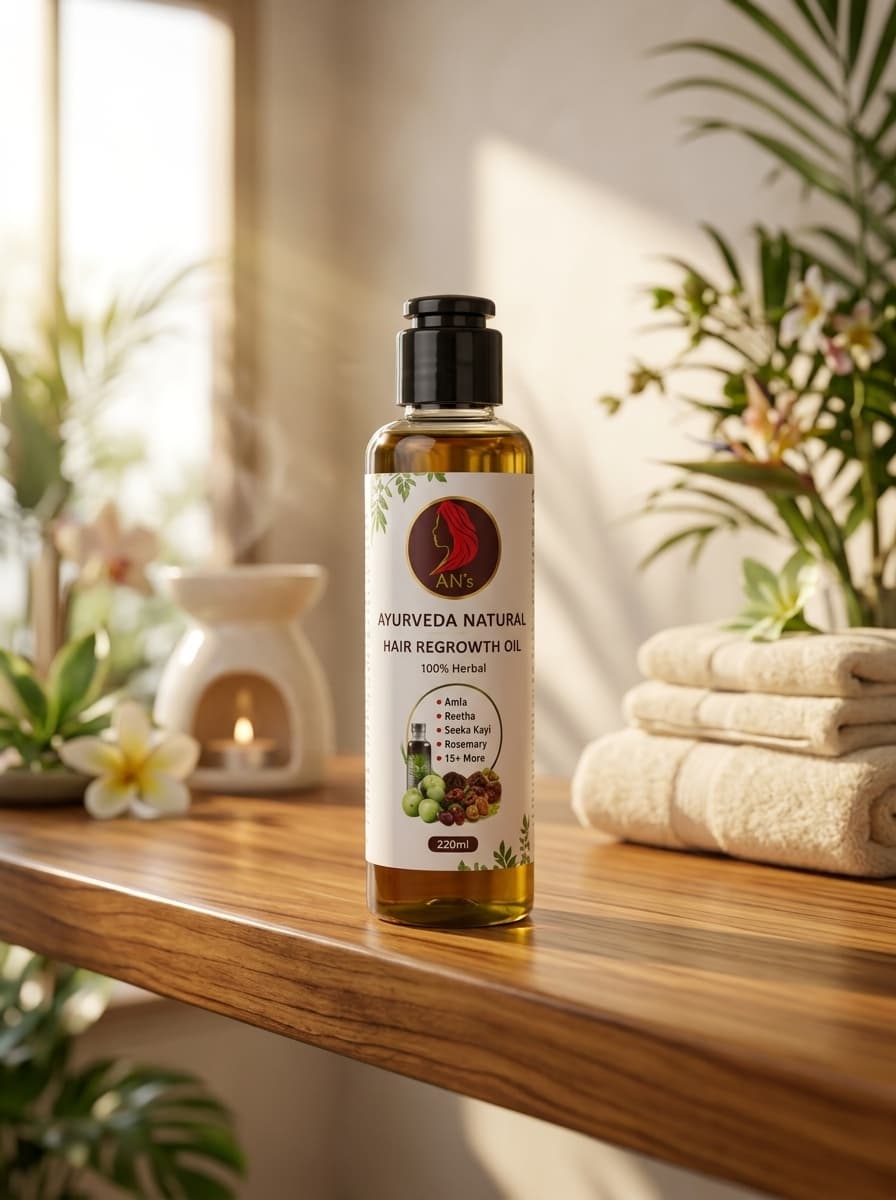
Stop masking brittle hair with temporary synthetic silicones. Our handcrafted Ayurveda Naturals Hair Regrowth Oil combines pure cold-pressed sesame, virgin coconut, and sweet almond oils slow-infused with Bhringraj, Amla, Brahmi, and rare wildcrafted botanicals. It penetrates deep into damaged cuticles, stops hygral fatigue, seals fragile split ends, and restores liquid silkiness to the most weathered hair lengths.
Ready to stop hair fall naturally?
Don't wait until it's too late. Experience the proven magic of our 100% organic, wild-harvested Ayurvedic formulations and start seeing real results in 14 days.
Free Shipping + Cash on Delivery