
Split Ends Treatment Without Cutting Hair
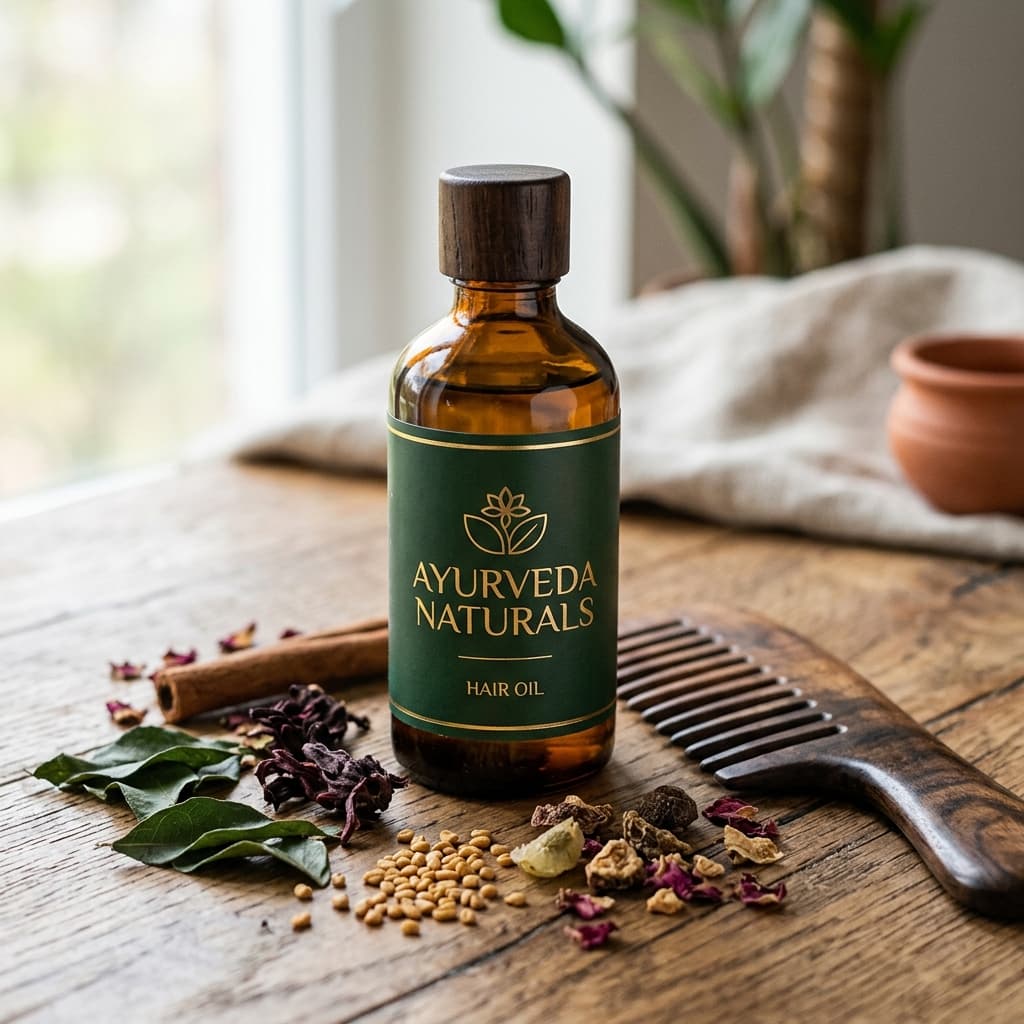
Ultimate Split Ends Treatment Without Cutting Hair: Restore Your Strands Natively
Published on: 2026-07-12 | Author: Ayurvedic Hair Care Expert
Are you struggling with frayed, brittle ends but dreading the thought of losing your hard-earned length? You are certainly not alone. Finding an effective Split Ends Treatment Without Cutting Hair is arguably the holy grail for anyone trying to grow out their hair while maintaining its pristine health and vitality. For decades, the standard advice across salons worldwide has been a ruthless trim. However, modern advancements in cosmetic chemistry, combined seamlessly with the timeless, ancient Ayurvedic wisdom that has nurtured healthy hair for millennia, have finally provided us with robust, scientifically-backed strategies to manage, conceal, and prevent further degradation without ever needing to reach for the scissors.
In this extraordinarily comprehensive guide, we will delve deep into the microscopic anatomy of a split end, explore scientifically proven methods for structural repair, and unveil holistic, natural therapies that fortify your strands from the inside out. Whether your hair damage is primarily caused by relentless daily heat styling, aggressive chemical processing like bleaching and perms, or inescapable environmental weathering from UV exposure and hard water, implementing a targeted Split Ends Treatment Without Cutting Hair protocol can dramatically transform the texture, elasticity, and resilience of your hair.

Understanding the Anatomy of Damage for a Split Ends Treatment Without Cutting Hair
When approaching advanced hair care and attempting to execute a successful Split Ends Treatment Without Cutting Hair, a holistic understanding of the hair shaft's architecture is absolutely crucial. The human hair shaft is a marvel of biological engineering, consisting of multiple distinct layers, primarily the innermost medulla, the structural cortex, and the protective outer cuticle. Damage typically manifests and becomes visible when the outermost protective layer, the cuticle, is severely compromised due to mechanical stress (like rigorous brushing), thermal abuse (from flat irons and blow dryers), or chemical processing (such as highlights or relaxers).
The cuticle itself is composed of overlapping, microscopic scales—much like shingles on a roof. In healthy, virgin hair, these scales lay perfectly flat against the cortex, reflecting light to create a natural, brilliant shine and effectively locking in vital moisture. However, when subjected to repeated trauma, these protective scales begin to lift, splinter, and eventually break off entirely. This exposes the delicate inner cortex, which is composed of elongated keratin fibers bound together by a complex matrix of sulfur bonds. Once the cortex is laid bare, the hair loses its structural integrity. The keratin fibers begin to separate longitudinally, resulting in the classic frayed appearance we identify as split ends (trichoptilosis). By understanding this microscopic degradation, we can better appreciate why surface-level conditioning is insufficient and why infusing the cortex with essential amino acids and sealing the cuticle with specialized bio-lipids is necessary.
The Chemistry Behind an Effective Split Ends Treatment Without Cutting Hair
Contemporary cosmetic science has identified several potent botanical and synthesized compounds capable of temporarily bridging the structural gaps in severely damaged hair. This forms the foundational basis of any reliable Split Ends Treatment Without Cutting Hair. Hydrolyzed proteins, for example—derived from wheat, soy, or silk—possess an incredibly low molecular weight. This microscopic size allows them to easily penetrate the porous, damaged hair shaft, physically binding to areas of severe keratin depletion. While it is important to note that these treatments do not biologically resurrect dead tissue (hair is inherently non-living once it emerges from the scalp), they provide a formidable, semi-permanent scaffold. This newly formed scaffold physically prevents further longitudinal fracturing of the hair fiber.
Consequently, the visual appearance of frizz and fraying is dramatically minimized, offering a remarkably smooth, cohesive look that flawlessly mimics virgin, healthy hair. Furthermore, the integration of advanced polymers and bio-compatible silicones in modern hair care has revolutionized our ability to manage severe structural degradation. These high-performance ingredients create a micro-thin, hydrophobic (water-repelling) film completely encapsulating the hair shaft. This film acts as an artificial cuticle, effectively locking in moisture and smoothing down any lifted natural cuticles. While there is an ongoing debate within the natural hair community regarding the long-term use of certain non-water-soluble silicones, their immediate cosmetic and highly protective benefits are undeniable. When utilized correctly, and clarified periodically to prevent adverse buildup, these compounds serve as a vital protective barrier. They allow the underlying hair structure to recover and maintain its length without being constantly subjected to continuous, daily environmental weathering.
Ayurvedic Approaches to Structural Hair Repair
Historical records and traditional medical systems, such as Ayurveda, have long emphasized the paramount importance of botanical oils and holistic balance in maintaining hair luster, strength, and longevity. According to Ayurvedic principles, hair health is a direct reflection of your internal systemic balance, specifically governed by the Asthi Dhatu (bone tissue). Imbalances in the Vata dosha (characterized by qualities of dryness, coldness, and lightness) are frequently cited as the primary internal culprit behind dry, brittle hair that is highly susceptible to splitting. To counter this, Ayurveda prescribes deeply nourishing, grounding, and warming therapies that restore moisture and vitality.
Ingredients like Amla (Indian Gooseberry), Bhringraj (Eclipta Alba), and pure, unrefined Coconut oil are revered for their deep penetrating properties and incredibly rich antioxidant profiles. Amla, exceptionally high in Vitamin C and essential fatty acids, fortifies the hair follicle and stimulates robust growth. Bhringraj, often referred to as the "King of Herbs" for hair, works to deeply condition the strand and cool the scalp, mitigating stress-induced hair degradation. These natural elixirs not only coat the individual hair strand to prevent transepidermal moisture loss but also deeply nourish the scalp microbiome, fostering an optimal, fertile environment for follicular cellular activity. Modern formulations and organic hair care brands frequently integrate these ancient, time-tested ingredients, continually validating their immense efficacy through rigorous scientific analysis and highly refined extraction methods that maximize their bioactive, restorative potential.
Herbal Infusions: A Natural Split Ends Treatment Without Cutting Hair
Implementing a natural Split Ends Treatment Without Cutting Hair often begins with the regular application of potent herbal oil infusions, traditionally known as 'Shiro Abhyanga' (head massage). The mechanical action of massaging warm herbal oils into the scalp dramatically increases local blood circulation, delivering a surge of oxygen and vital nutrients directly to the hair roots. More importantly for split ends, drawing the oil down the lengths of the hair provides intense lubrication. It significantly reduces the frictional coefficient between individual hair strands, meaning they are far less likely to snag, tangle, and snap during daily activities or while sleeping.
To maximize the benefits of this practice, experts recommend warming the oil slightly before application to facilitate deeper penetration. After generously coating the mid-lengths and ends—where the oldest, most weathered hair resides—wrapping the hair in a warm, damp towel creates a localized steam effect. This gentle heat naturally lifts the hair cuticle just enough to allow the restorative lipids and botanical phytonutrients to infuse deeply into the cortex. Leaving the treatment on for a minimum of two hours, or ideally overnight, yields the most profound results. Regular, weekly adherence to this ancient ritual is arguably the most effective preventative measure against structural hair failure, drastically extending the lifespan of your lengths.
Top 10 Methodologies for a Complete Split Ends Treatment Without Cutting Hair
Achieving tangible, lasting results requires a multifaceted approach. You cannot rely on a single miracle product; rather, you must curate an entire regimen dedicated to preservation and restoration. Here is a definitive, expertly curated list of the top ten methodologies required for a highly successful Split Ends Treatment Without Cutting Hair.
1. Deep Conditioning and Intensive Masking
Regular deep conditioning is non-negotiable. Look for masks rich in humectants (like glycerin and aloe vera) that draw moisture into the hair, combined with emollients (like shea butter and argan oil) that seal it in. Applying a heavy, restorative mask at least once a week restores the elasticity necessary for hair to bend rather than break under stress. This forms the absolute baseline of a good recovery protocol.
2. Protein Reconstructors for Structural Integrity
As discussed, damaged hair is essentially hair that has lost its protein scaffolding. Using a targeted protein reconstructor every 4 to 6 weeks helps temporarily patch the microscopic craters along the hair shaft. However, be cautious not to overuse protein treatments, as excessive protein without adequate moisture can lead to protein overload, rendering the hair stiff, brittle, and even more prone to snapping.
3. Implementing Leave-In Serums and Protective Oils
A high-quality leave-in conditioner followed by a sealing oil is crucial. This "LOC" (Liquid, Oil, Cream) or "LCO" method ensures long-lasting hydration. Focus the application strictly on the bottom three inches of your hair, where the cuticles are oldest and most fragile. Oils like jojoba are excellent as they closely mimic the scalp's natural sebum, providing weightless protection without leaving a greasy residue.
4. Strategic Cuticle Sealing with pH Balance
Managing the pH level of your hair and scalp is an often-overlooked secret. The hair's natural pH is somewhat acidic, typically hovering strictly around 4.5 to 5.5. This optimal acidity keeps the cuticle tight, flat, and securely closed, which is essential for retaining internal moisture and reflecting external light for a healthy, vibrant shine. Many commercial products, especially harsh, sulfate-laden cleansers, are highly alkaline. They aggressively disrupt this delicate balance, causing the cuticle to lift unnaturally and exposing the inner cortex to immediate damage. Utilizing specialized pH-balancing rinses, such as a highly diluted, organic apple cider vinegar rinse or specially formulated acidic professional conditioners, can swiftly restore the hair's optimal state.
5. Drastic Reduction of Thermal and Heat Styling
The single most destructive force against hair integrity is extreme heat. Flat irons and curling wands routinely operate at temperatures exceeding 400°F (200°C), which literally boils the internal water content of the hair, causing the cortex to blister and the cuticle to explode outward. To truly execute a Split Ends Treatment Without Cutting Hair, you must commit to drastically minimizing heat exposure. Embrace heatless styling methods, air dry whenever possible, and if heat is absolutely unavoidable, always use a high-quality, silicone-based thermal protectant spray to create a sacrificial barrier.
6. Mastering Gentle Detangling Techniques
The mechanical handling of hair plays a pivotal, critical role in preventing physical trauma. Utilizing seamless, wide-toothed combs, flexible detangling brushes, and extremely gentle techniques significantly reduces the incidence of breakage and frictional damage. Never brush hair while it is soaking wet, as water breaks hydrogen bonds, making the hair hyper-elastic and extremely vulnerable to stretching and snapping. Instead, detangle with fingers while coated in a slippery conditioner in the shower, or wait until the hair is at least 80% dry before attempting to brush.
7. Utilizing Protective Hairstyles
Keeping the ends of your hair tucked away from environmental elements and friction against clothing is vital. Protective styles such as loose braids, high buns, and gentle twists shield the oldest parts of your hair from mechanical damage. Ensure these styles are not pulled too tightly at the root to avoid traction alopecia, and vary the placement of your hairstyles to prevent repeated stress on the same exact hair sections.
8. Friction Reduction with Silk and Satin
Cotton pillowcases act like microscopic sandpaper against your hair cuticles as you toss and turn at night. They also are highly absorbent, actively pulling vital moisture out of your hair and skin. Sleeping exclusively on high-quality silk or satin pillowcases minimizes these abrasive forces that rough up the cuticle. Additionally, using silk scrunchies instead of traditional elastic hair ties prevents the sharp, localized tension that causes mid-shaft breakage.
9. Chelating and Clarifying Against Environmental Build-up
It is imperative to consider the environmental factors that drastically exacerbate hair weathering. Extreme humidity, and particularly hard water minerals (like calcium, magnesium, and copper), can systematically degrade hair proteins, discolor the strands, and leach out vital moisture. Implementing a robust defense strategy involves utilizing chelating shampoos periodically to actively bind to and remove mineral buildup. This ensures that your expensive treatments can actually penetrate the hair shaft rather than sitting uselessly on top of a hard mineral crust.
10. Nutritional Support and Internal Fortification
The role of internal, systemic nutrition cannot be overstated when discussing long-term hair vitality. The proliferation of healthy hair cells relies heavily on a steady, uninterrupted supply of specific micronutrients, including biotin, zinc, iron, vitamin D, and omega-3 fatty acids. While topical applications address existing, visible damage, a highly nutrient-dense diet ensures that new hair growth emerges with optimal strength and structural soundness. Integrating foods rich in these exact nutrients creates a holistic, unshakeable foundation that fully supports the efficacy of all your external treatments.
Building a Sustainable Routine: The Foundation of a Split Ends Treatment Without Cutting Hair
To fully understand and implement a long-lasting Split Ends Treatment Without Cutting Hair regimen, one must delve into the concept of hair porosity. Porosity refers to the hair's inherent ability to absorb and retain moisture, dictated primarily by the physical condition of the cuticle layer. High porosity hair, often the direct result of excessive chemical treatments or years of heat abuse, has distinct gaps and visible holes in the cuticle. This allows moisture to enter very easily, but tragically, it escapes just as rapidly, leaving the hair chronically dry and brittle. Conversely, low porosity hair has a tightly bound, stubborn cuticle layer that actively resists moisture penetration. Tailoring your specific treatments to your hair's unique porosity—such as exclusively using lightweight, highly penetrating oils (like almond or grapeseed) for low porosity, and heavier, sealing butter (like shea or mango) for high porosity—is a critical, non-negotiable step in maximizing the efficacy of any restorative regimen.
Ultimately, the journey to restoring severely damaged hair is a dedicated marathon, not a quick sprint. It demands intense patience, unwavering consistency, and a willingness to continually adapt one's routine based on the hair's evolving, daily needs. Periodic, honest assessments of your hair's elasticity, moisture levels, and overall texture will tremendously help in fine-tuning your approach over time. By fully embracing a comprehensive, 360-degree strategy that seamlessly combines gentle mechanical handling, optimal internal nutrition, targeted, high-performance topical treatments, and rigorous environmental protection, individuals can genuinely achieve remarkable, jaw-dropping transformations.
We highly recommend expanding your knowledge on holistic hair care by reading our related resources. A critical component of healthy hair is a healthy scalp, which you can learn more about in our guide to Natural Remedies for a Dry, Flaky Scalp. Additionally, to encourage the growth of new, strong hair to replace the damaged lengths over time, explore The Best Ayurvedic Hair Growth Oils for Thickness. These interconnected strategies create the ultimate blueprint for hair perfection.
Clinical Perspectives and Dermatological Evidence
It is essential to back these holistic methodologies with hard scientific facts. According to resources provided by the American Academy of Dermatology (AAD), hair weathering is classified as a progressive condition. Once the structural degradation of the cuticle begins, it accelerates exponentially without proactive intervention. The AAD emphasizes that a proper Split Ends Treatment Without Cutting Hair routine must focus heavily on exogenous hydration and the rigorous restoration of the lipid barrier. Their guidelines suggest minimizing chemical processing and maintaining a gentle grooming routine to preserve the integrity of the hair shaft.
Furthermore, research stemming from leading academic and medical institutions, such as the health publications released by Harvard University, clearly indicates that holistic nutrition plays a fundamental, foundational role in maintaining the structural integrity of the hair shaft. Their experts note that deficiencies in essential nutrients, particularly protein and iron, directly correlate with an increased incidence of telogen effluvium (diffuse shedding) and structural weakness in the keratin matrix. This rigorous scientific backing validates the Ayurvedic approach of treating the body as an interconnected system, where optimal nutrition directly translates to resilient, beautiful hair.
The goal is to establish a resilient, incredibly healthy baseline where the hair is fully capable of withstanding the rigors of modern daily life without continuously succumbing to severe structural failure. This means accepting that while we cannot magically fuse a completely split end back together perfectly forever, we can drastically halt its progression up the hair shaft. We can seal the micro-tears temporarily, immensely improve the aesthetic appearance, and completely stop new splits from ever forming. This proactive, protective philosophy is the true secret behind the world's most impressive, floor-length heads of hair.
Ready to Transform Your Hair Naturally?
Explore our 100% organic Ayurvedic haircare range crafted with 15+ potent herbs.
Hair Regrowth Oil · Purifying Hair Shampoo · Ultimate Haircare Bundle
Frequently Asked Questions About a Split Ends Treatment Without Cutting Hair
How long does a Split Ends Treatment Without Cutting Hair take to show visible results?
Immediate cosmetic improvement can be seen after a single application of a high-quality protein reconstructor or silicone-based sealing serum. These products instantly smooth the cuticle and impart a temporary shine. However, for true, lasting structural improvement and a noticeable reduction in new breakage, a consistent regimen must be strictly followed for at least 8 to 12 weeks. This allows multiple complete cycles of deep conditioning and ensures that new growth is fully protected as it emerges.
Are professional salon treatments better than homemade Ayurvedic remedies?
Both have their distinct place in a comprehensive Split Ends Treatment Without Cutting Hair protocol. Professional salon treatments, such as Olaplex or keratin complex therapies, utilize advanced, patented molecular chemistry to reconnect broken disulfide bonds within the cortex—something that natural oils simply cannot do. However, Ayurvedic remedies, such as deep oiling with Bhringraj, excel at providing unparalleled, long-term lipid restoration and holistic scalp health. The most successful approach usually involves integrating a professional bond builder into your routine while relying on Ayurvedic practices for weekly, ongoing maintenance and deep hydration.
Is there a genuinely permanent fix for split ends without trimming them off?
From a strictly biological and physical standpoint, a completely fractured hair fiber cannot be permanently, biologically fused back together because hair is not living tissue capable of cellular regeneration. However, an advanced Split Ends Treatment Without Cutting Hair can effectively "glue" the split together semi-permanently, preventing the tear from traveling further up the hair shaft and ruining more length. By utilizing powerful binding agents and protective coatings, the hair remains intact, manageable, and aesthetically pleasing until you are finally ready and willing to undergo a microscopic dusting or minor trim on your own terms, rather than being forced into a major haircut due to severe damage.
Ready to stop hair fall naturally?
Don't wait until it's too late. Experience the proven magic of our 100% organic, wild-harvested Ayurvedic formulations and start seeing real results in 14 days.
Free Shipping + Cash on Delivery