
How to Choose a Sulfate-Free Anti-Dandruff Shampoo for a Sensitive Scalp
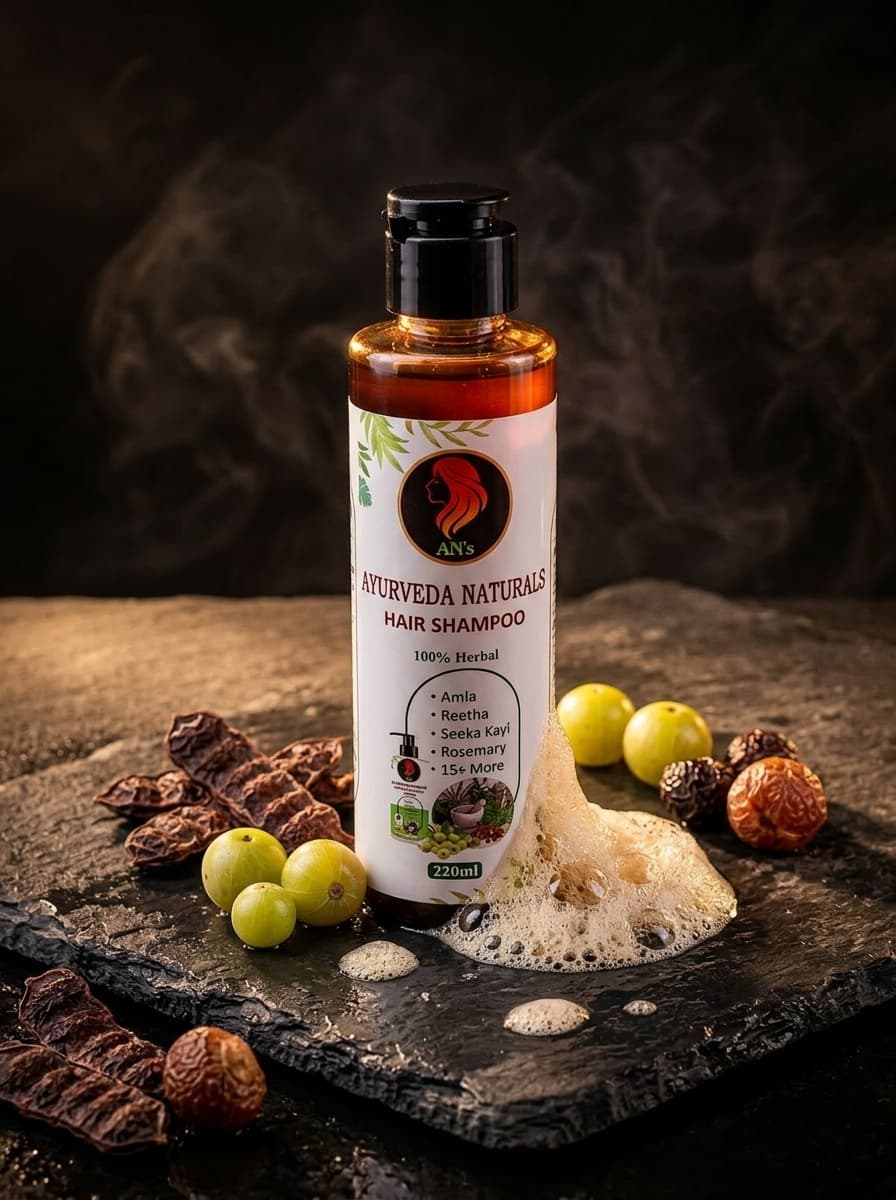
Sulfate-Free Anti-Dandruff Shampoo for Sensitive Scalp: Botanical Barrier Healing
A true sulfate free anti dandruff shampoo for sensitive scalp pairs targeted botanical antifungals like Neem and Tea Tree with calming humectants like Aloe Vera and Shikakai saponins. This dual-action approach suppresses Malassezia fungal proliferation while restoring the damaged epidermal barrier, eliminating persistent flakes and soothing burning redness without harsh chemical stripping.
The Sensitive Scalp Dandruff Dilemma: Microbial Proliferation Meets Barrier Breakdown
Dandruff is frequently misunderstood as a simple cosmetic annoyance easily resolved with an aggressive drugstore wash. However, when dandruff manifests on a sensitive, reactive scalp, standard approaches frequently backfire. Individuals find themselves trapped between two agonizing extremes: severe fungal flaking on one hand, and intense chemical burning, erythema, and barrier peeling on the other. Resolving this dilemma requires examining the precise biological interplay between fungal ecology and epidermal barrier integrity.
The human scalp is colonized by trillions of microscopic organisms, collectively forming the scalp microbiome. Among these residents are lipophilic, commensal yeasts of the genus Malassezia, predominantly Malassezia globosa and Malassezia restricta. Unlike most microorganisms, Malassezia species lack the genetic capability to synthesize their own fatty acids. To survive, they rely entirely on external lipids provided by human sebaceous glands.
These yeasts secrete extracellular enzymes known as lipases. These fungal lipases hydrolyze human sebum triglycerides, consuming the saturated fatty acids necessary for their own survival. In doing so, they leave behind unsaturated fatty acids, most notably oleic acid and related lipid byproducts.
On a genetically resilient scalp with an intact epidermal barrier, oleic acid remains largely on the superficial surface before being washed away. However, on a sensitive scalp, the stratum corneum—the outermost layer of skin composed of corneocytes embedded in a lipid matrix of ceramides, cholesterol, and free fatty acids—is structurally defective or hyper-permeable. Oleic acid readily penetrates this compromised barrier.
Once inside the living epidermis, oleic acid acts as a chemical irritant. It disrupts the organized intercellular lipid lamellae, increases transepidermal water loss, and triggers keratinocytes to release pro-inflammatory cytokines such as interleukin-1 alpha (IL-1 alpha), interleukin-8 (IL-8), and tumor necrosis factor-alpha (TNF-alpha). The body responds by accelerating epidermal cell turnover: instead of the normal 28-day shedding cycle, scalp cells mature and shed in just 7 to 10 days.
These incompletely keratinized, immature cells arrive at the surface glued together by oxidized sebum, forming visible white or yellowish scales. Simultaneously, sensory C-fibers in the dermis become hyper-sensitized, creating a persistent, maddening itch and intense burning sensations. If you are uncertain whether your flakes stem from fungal activity or a dehydrated barrier, consult our diagnostic breakdown on the dry scalp vs dandruff difference.
Crucially, chronic low-grade inflammation at the follicular ostium leads to oxidative stress that damages the surrounding cellular matrix. When sufferers scratch vigorously with fingernails to alleviate the itch, they introduce pathogenic bacteria like Staphylococcus aureus and physically tear the inner root sheath, accelerating premature telogen shedding. Thus, sensitive-scalp dandruff is not merely an aesthetic concern; left unmanaged, it directly accelerates diffuse hair loss.
The Chemical Paradox: Why Conventional Medicated Shampoos Fail Sensitive Scalps
When faced with stubborn flakes and intense itching, most sufferers purchase conventional medicated anti-dandruff shampoos containing synthetic active ingredients such as Ketoconazole, Zinc Pyrithione (ZPT), Selenium Sulfide, or Coal Tar. While these pharmaceutical agents possess undeniable fungicidal properties in vitro, their clinical application on sensitive skin is deeply problematic.
1. The Cytotoxic Surfactant Vehicle (SLS / SLES)
To keep heavy active ingredients in stable suspension, commercial formulas rely on high concentrations of harsh anionic surfactants, primarily Sodium Lauryl Sulfate (SLS) and Sodium Laureth Sulfate (SLES). When massaged into an already inflamed, broken scalp, these low-molecular-weight detergents penetrate microscopic fissures in the stratum corneum. They denature living cellular proteins, dissolve remaining ceramide bilayers, and trigger acute chemical stinging. The wash feels like pouring acid on a sunburn.
2. Rebound Dryness and Accelerated Keratinization
By stripping the scalp bare of every trace of protective moisture, synthetic antifungals induce severe secondary xerosis (extreme dryness). The parched skin tightens and forms micro-cracks. In an attempt to patch these microscopic wounds, the epidermal basal layer accelerates cell production even further, leading to heavier flaking within 48 hours of washing. Sufferers assume their fungal infection has worsened, prompting them to wash even more frequently with the stripping product, creating an escalating cycle of chemical irritation.
3. Fiber Degradation and Breakage
Ingredients like Selenium Sulfide and Zinc Pyrithione deposit metallic particles along the hair shaft that disrupt disulfide bonds, making hair fibers coarse, brittle, and highly susceptible to snapping. Many people successfully reduce fungal flakes only to suffer alarming mid-shaft hair breakage and shedding.
For long-term management on a reactive scalp, one must adopt an antifungal strategy that eradicates Malassezia while simultaneously repairing the damaged stratum corneum. This is where classical Ayurvedic pharmacology provides an ideal therapeutic blueprint. For a comprehensive long-term roadmap, review our guide on how to cure severe dandruff permanently with Ayurveda.
Furthermore, synthetic agents frequently wipe out harmless commensal bacteria such as Cutibacterium acnes and Staphylococcus epidermidis, disrupting the scalp's delicate competitive micro-ecosystem. When beneficial bacteria are eradicated, opportunistic fungal spores re-colonize the scalp with greater virulence once the medicated wash is discontinued. Botanical therapeutics avoid this ecological collapse by gently dampening fungal proliferation without sterilizing the epidermal microbiome.
Botanical Antifungal Action: Neem (Azadirachta indica)
In the classical Ayurvedic tradition, Neem (Azadirachta indica) is universally revered as Sarva Roga Nivarini, meaning "the curer of all ailments." In the context of sensitive-scalp dandruff, Neem represents one of the most potent, biologically safe antimycotic botanicals known to medical science.
The leaves and bark of Neem contain a complex matrix of over 140 distinct bioactive compounds, dominated by tetranortriterpenoid limonoids. The most clinically significant among these are azadirachtin, nimbidin, nimbin, nimbolide, and gedunin:
- Disruption of Fungal Cell Membranes: Bioactive limonoids in Neem interfere with ergosterol biosynthesis in fungal plasma membranes. Unlike synthetic imidazoles that can damage human cellular lipids, Neem’s botanical molecules selectively target fungal cell wall permeability, causing lysis and death of Malassezia cells without harming human keratinocytes.
- Lipase Enzyme Suppression: Neem extract directly inhibits the enzymatic activity of fungal lipases, stopping the conversion of sebum into inflammatory oleic acid at the chemical source.
- Anti-Inflammatory and Antihistaminic Properties: Nimbidin demonstrates clinical anti-inflammatory potency comparable to low-dose hydrocortisone. It inhibits prostaglandin release, downregulates nitric oxide synthesis, and suppresses macrophage migration, rapidly calming the fiery erythema and persistent itch characteristic of sensitive scalps.
From an Ayurvedic doshic perspective, Neem is intensely Tikta (bitter) and Kashaya (astringent) with a cooling Sheeta virya (energy). It directly pacifies aggravated Pitta dosha (heat, inflammation, redness) and clears morbid Kapha dosha (sluggishness, sticky buildup), restoring biological balance to the scalp environment.
Importantly, clinical dermatological trials evaluating aqueous extracts of Azadirachta indica have demonstrated zero development of microbial resistance over extended testing periods. Because Neem operates through multiple biochemical pathways simultaneously—membrane disruption, enzyme inhibition, and reactive oxygen suppression—fungal colonies cannot adapt via single-gene mutations, making it ideal for continuous, long-term maintenance.
Tea Tree Oil (Melaleuca alternifolia): Precision Antimicrobial Control
While Neem provides systemic anti-inflammatory suppression and fungal lysis, Tea Tree Oil (Melaleuca alternifolia) functions as a rapid-action topical antimycotic. However, on a sensitive scalp, the quality, extraction, and dosage of tea tree oil dictate whether it heals or irritates.
Tea tree oil comprises roughly 100 terpene hydrocarbons and their corresponding alcohols. The definitive therapeutic agent is terpinen-4-ol, which must account for at least 35% to 40% of high-grade therapeutic oil, while concentrations of the skin irritant 1,8-cineole must remain strictly below 5%.
Mechanisms of Action on Malassezia Colonies
Terpinen-4-ol is a lipophilic monoterpene alcohol capable of penetrating the thick biofilm that Malassezia colonies establish over the stratum corneum. Many chemical antifungals cannot penetrate this protective biofilm, leading to stubborn treatment resistance. Terpinen-4-ol dismantles this extracellular matrix, compromises the mitochondrial membranes of the yeast, and drains cellular ATP, halting fungal replication.
The Importance of Botanical Micro-Dosing
Many DIY internet recipes instruct sufferers to apply raw, undiluted tea tree oil directly to their scalps. On a sensitive scalp, this causes acute allergic contact dermatitis, severe chemical burns, and widespread peeling. In a scientifically formulated Ayurvedic shampoo, tea tree oil is micro-dosed at precise physiological concentrations (typically 0.5% to 1.5%) and emulsified within soothing plant saponins and Aloe Vera. This ensures complete antifungal efficacy while completely eliminating the risk of epidermal sensitization.
Aloe Vera (Aloe barbadensis): Soothing the Compromised Scalp Barrier
The third crucial botanical in an effective sensitive-scalp anti-dandruff formulation is pure inner-leaf Aloe Vera (Aloe barbadensis). While Neem and Tea Tree eliminate the fungal catalyst, Aloe Vera repairs the underlying structural damage to the stratum corneum.
Aloe Vera is uniquely suited for dandruff-prone sensitive scalps because it delivers intense, bioavailable hydration without adding yeast-feeding lipids. Unlike plant oils (such as coconut, olive, or almond oil) that contain fatty acids between C11 and C24 which actively nourish Malassezia, Aloe Vera is purely water-based and lipid-free.
Biochemical Repair Mechanisms of Aloe Vera
- Acemannan Polysaccharides: These complex long-chain sugars stimulate fibroblast proliferation and collagen synthesis, speeding the re-epithelialization of raw, inflamed scalp tissue and closing microscopic fissures.
- Bradykinase Enzyme: Aloe contains the specialized enzyme bradykinase, which breaks down bradykinin—the primary peptide mediator of acute inflammatory pain and vascular dilation in human skin. This provides immediate relief from burning sensations upon contact.
- Natural Proteolytic Descaling: Aloe contains mild proteolytic enzymes that hydrolyze dead keratinized tissue. Instead of relying on abrasive mechanical scrubs that tear sensitive skin, Aloe enzymatically dissolves adherent flakes, allowing them to rinse away smoothly and gently.
- Sterols and C-Glucosyl Chromone: These natural botanical compounds act as topical anti-inflammatories, suppressing erythema and reducing micro-vascular congestion across the scalp.
In clinical evaluations of seborrheic dermatitis, topical Aloe vera gel produced significant reductions in pruritus, scaling, and the surface area of affected scalp zones. By re-establishing moisture within the inter-cellular spaces of the stratum corneum, Aloe vera prevents the sensation of tightness and itchiness that typically drives individuals to scratch and damage their hair roots.
Reetha and Shikakai: The Non-Irritating Saponin Delivery Vehicle
Even the most potent blend of Neem, Tea Tree, and Aloe Vera will fail if delivered in a base of harsh sulfates or synthetic foam boosters. This is why Reetha (Sapindus mukorossi) and Shikakai (Acacia concinna) are indispensable components of a sensitive-scalp anti-dandruff formula.
As examined previously, the triterpenoid saponins in Reetha and Shikakai clean via natural micellar action. These plant-derived micelles possess a larger molecular structure than synthetic surfactants like SLS. They solubilize surface oil, loose fungal debris, and microscopic crusts without penetrating the epidermal barrier or stripping intercellular ceramides.
Crucially, an authentic decoction of Shikakai maintains a resting pH between 4.8 and 5.2. This ensures that every wash reinforces the scalp's natural acid mantle, actively creating a mildly acidic surface environment hostile to fungal survival while keeping hair cuticles tightly sealed and protected.
Additionally, the natural mucilage polysaccharides within Shikakai coat the hair shaft during cleansing, reducing the friction coefficient between wet hair fibers by over 40%. On a sensitive scalp where hair roots are inflamed and mechanically vulnerable, this effortless glide prevents wash-day shedding caused by tugging and tangling.
Environmental Aggravators in Pakistan: Saline Sweat, Smog, and Hard Water
Treating dandruff on a sensitive scalp in Pakistan requires addressing the extreme external stressors that constantly assault the skin barrier:
1. Coastal Saline Humidity (Karachi & Southern Sindh)
In Karachi, relentless marine humidity (often above 85%) combined with high ambient heat produces copious eccrine sweating. Perspiration contains dissolved sodium chloride, urea, and lactic acid. When sweat pools on an inflamed scalp with micro-fissures from scratching, the salt acts as an acute chemical irritant, triggering agonizing stinging. Furthermore, persistent dampness creates a tropical micro-greenhouse beneath the hair canopy, accelerating Malassezia replication.
2. Industrial Smog and Acid Particulates (Lahore & Central Punjab)
During the cooler months, urban smog traps fine particulate matter (PM2.5), sulfur dioxide, and airborne heavy metals. These toxic particles settle onto oily dandruff flakes, forming a caustic, adherent sludge that triggers severe contact dermatitis, neurogenic itching, and follicle-weakening inflammation.
3. Hard Groundwater Mineral Calcification
Domestic boring water across Pakistan is laden with calcium and magnesium ions. When rinsed with hard water, soap residue and natural lipids react to form insoluble calcium salts. These crystalline mineral deposits lodge in open pores and inflame raw skin, exacerbating sensitivity and preventing active botanical ingredients from penetrating the scalp.
Step-by-Step Gentle Wash Protocol for Sensitive, Flaking Scalps
When your scalp is raw, sensitive, and shedding flakes, the physical manner in which you wash your hair is just as critical as the ingredients inside the bottle. Follow this gentle, restorative routine:
- Lukewarm Pre-Rinse (60–90 Seconds): Never let scalding hot water touch an inflamed scalp. Wet your hair thoroughly with lukewarm or room-temperature water. Let the water soften adherent scales and rinse away loose salt and surface dust.
- Gentle Palm Activation: Dispense a moderate amount of botanical shampoo into wet palms. Rub your hands together for five seconds to activate the natural saponins into a delicate micro-lather before touching your scalp.
- Fingertip-Only Application: Apply the micro-lather directly to the scalp. Use the soft pads of your fingers—never your fingernails—in gentle, slow circular motions. Do not aggressively scrub or attempt to physically scrape flakes off the skin; this will create open wounds and trigger inflammatory flare-ups.
- The 3-Minute Therapeutic Dwell Time: Allow the herbal lather to rest quietly on your scalp for a full two to three minutes. This contact period is essential; it gives the bioactive limonoids in Neem, the terpinen-4-ol in Tea Tree, and the soothing acemannan in Aloe Vera time to penetrate the stratum corneum and perform their antifungal and anti-inflammatory work.
- Thorough Cool Rinse: Rinse your hair with cool running water until every trace of lather is removed. The cool water constricts dilated dermal capillaries, soothing itchiness and locking down the cuticle layer.
- Gentle Pat Drying: Never vigorously rub your wet hair with a rough bath towel. Gently wrap your hair in a soft cotton t-shirt or microfiber towel and press lightly to absorb excess moisture. Allow your scalp to air-dry in a well-ventilated room.
Critical Ingredients and Practices to Avoid on a Sensitive Scalp
To allow your scalp barrier to repair itself, eliminate these common cosmetic irritants:
1. Synthetic Fragrances and Artificial Parfums
Synthetic fragrances are among the top causes of cosmetic contact dermatitis worldwide. They contain dozens of hidden petrochemicals and phthalates that trigger burning, itching, and immune-mediated flare-ups on sensitive skin.
2. Synthetic Menthol and Camphor Overdoses
Many anti-dandruff shampoos add heavy doses of synthetic menthol to create a cooling sensation that tricks users into feeling clean. On an inflamed, sensitive scalp, menthol acts as a severe chemical irritant that exacerbates vascular redness and burning.
3. Comedogenic Carrier Oils on Active Dandruff
Never apply pure coconut oil, olive oil, or mustard oil directly to an active, itchy dandruff flare-up. These oils are rich in medium-chain fatty acids that directly feed Malassezia yeasts, dramatically multiplying their population and worsening the condition.
4. Physical Scrubs and Scalp Brushes
Abrasive salt, sugar, or plastic scalp scrubs, along with stiff silicone scalp brushes, rip through the fragile stratum corneum. This physical trauma induces the Koebner phenomenon, worsening flaking and opening the door to secondary bacterial infections.
Comparison: Botanical Anti-Dandruff vs. Chemical Antifungal Agents
To evaluate your therapeutic options, examine how gentle botanical formulations compare against standard pharmaceutical anti-dandruff actives:
| Evaluation Metric | Botanical Sulfate-Free (Neem, Tea Tree, Aloe, Reetha) | Ketoconazole 2% Shampoo | Zinc Pyrithione (ZPT) Formula | Selenium Sulfide Formula |
|---|---|---|---|---|
| Antifungal Mechanism | Disrupts fungal cell walls & lipases via limonoids & terpinen-4-ol. | Inhibits fungal ergosterol synthesis via synthetic imidazole. | Non-specific disruption of fungal membrane transport systems. | Cytostatic reduction of corneocyte turnover and fungal viability. |
| Scalp Barrier Impact | Preserves ceramide matrix and promotes epithelial repair via Aloe. | Stripping; high SLS vehicle causes transepidermal moisture loss. | Moderately drying; can induce localized contact dermatitis. | Severely drying; alters lipid profile and triggers rebound oiliness. |
| Burning / Stinging Risk | Virtually zero; bradykinase and Shikakai soothe nerve endings. | High on broken, scratched, or inflamed scalp skin. | Moderate; can cause chemical stinging during flare-ups. | Very high; frequent complaints of intense burning and irritation. |
| Hair Fiber Feel | Soft, lustrous, and detangled due to Shikakai mucilage. | Stiff, dry, and coarse along the mid-lengths and ends. | Dull, squeaky, and prone to mechanical mid-shaft snapping. | Extremely brittle and straw-like, often discoloring hair. |
| Long-Term Usability | Safe for indefinite, continuous routine maintenance. | Restricted to short courses (2–4 weeks); resistance risk. | Restricted usage; banned or heavily restricted in EU cosmetics. | Restricted usage; potential systemic toxicity if overused. |
Frequently Asked Questions: Sensitive Scalp Dandruff Care
Why does traditional dandruff shampoo burn and sting my sensitive scalp?
Conventional anti-dandruff shampoos rely on aggressive synthetic sulfates (such as SLS and SLES) and harsh chemical actives like high-concentration Zinc Pyrithione or Selenium Sulfide. These chemicals strip away the stratum corneum's protective ceramide barrier, causing microscopic fissures in the scalp. When harsh detergents penetrate these open cracks, sensory neuro-receptors trigger acute burning, stinging, and persistent redness.
Can a sulfate-free shampoo truly eliminate stubborn dandruff flakes?
Yes. A well-formulated sulfate-free shampoo utilizes botanical antifungals like Neem and Tea Tree to suppress Malassezia yeast at the biological root, while gentle plant saponins from Reetha and Shikakai emulsify and lift away adherent flakes. Because it cleanses without stripping the skin's moisture barrier, it eliminates flakes without causing the rebound dryness that triggers recurrent flaking cycles.
How do Neem and Tea Tree compare clinically to synthetic antifungals like Ketoconazole?
Ketoconazole inhibits fungal ergosterol synthesis quickly but can cause contact dermatitis, extreme dryness, and brittle hair fibers with prolonged use. Neem (Azadirachta indica) and Tea Tree (Melaleuca alternifolia) deliver broad-spectrum antimycotic action via limonoids and terpinen-4-ol while preserving the scalp's beneficial microflora, soothing localized inflammation, and allowing safe, long-term maintenance without building fungal resistance.
Why should I avoid applying pure coconut oil to an itchy, flaking scalp?
Malassezia yeast is a lipophilic organism that lacks its own fatty acid synthase enzyme. It feeds specifically on medium- and long-chain fatty acids with carbon chain lengths between C11 and C24. Pure coconut oil contains roughly 50% lauric acid (C12), which acts as a rich food source for the yeast. Applying coconut oil to active dandruff fuels fungal proliferation, worsens oleic acid irritation, and intensifies flaking.
How long does it take for an Ayurvedic anti-dandruff shampoo to clear flakes?
Most individuals notice a significant reduction in itching and burning within the first two washes. Visible scaling and flaking typically improve dramatically within 10 to 14 days of consistent use (washing 3 times weekly). Full epidermal barrier recovery and stabilization of the scalp microbiome generally take between 3 and 4 weeks.
Can hard municipal water in Pakistani cities make sensitive scalp dandruff worse?
Yes. High levels of calcium carbonate and magnesium in groundwater react with sweat and sebum to form an insoluble mineral scum that traps fungal metabolites against the scalp. These hard mineral deposits also weaken the skin barrier, creating micro-inflammation and intensifying the itching and burning sensations associated with sensitive-skin dandruff.
What is the primary difference between dry scalp flaking and fungal dandruff?
Dry scalp produces tiny, loose, translucent white flakes that fall like fine powder, accompanied by a tight, dehydrated sensation across the scalp. Fungal dandruff (pityriasis capitis or seborrheic dermatitis) produces larger, greasy, yellowish or grayish flakes that adhere to the roots, accompanied by persistent itching, redness, and excess sebum production.
Soothe Your Sensitive Scalp and Eliminate Dandruff
Formulated specifically for reactive scalps facing hard water and climate stress, our Purifying Hair Shampoo combines antifungal Neem, pharmaceutical-grade Tea Tree, and cooling Aloe Vera in a gentle Reetha-Shikakai saponin base.
Shop Purifying Hair Shampoo NowReady to stop hair fall naturally?
Don't wait until it's too late. Experience the proven magic of our 100% organic, wild-harvested Ayurvedic formulations and start seeing real results in 14 days.
Free Shipping + Cash on Delivery