
Dry Scalp Vs Dandruff Difference
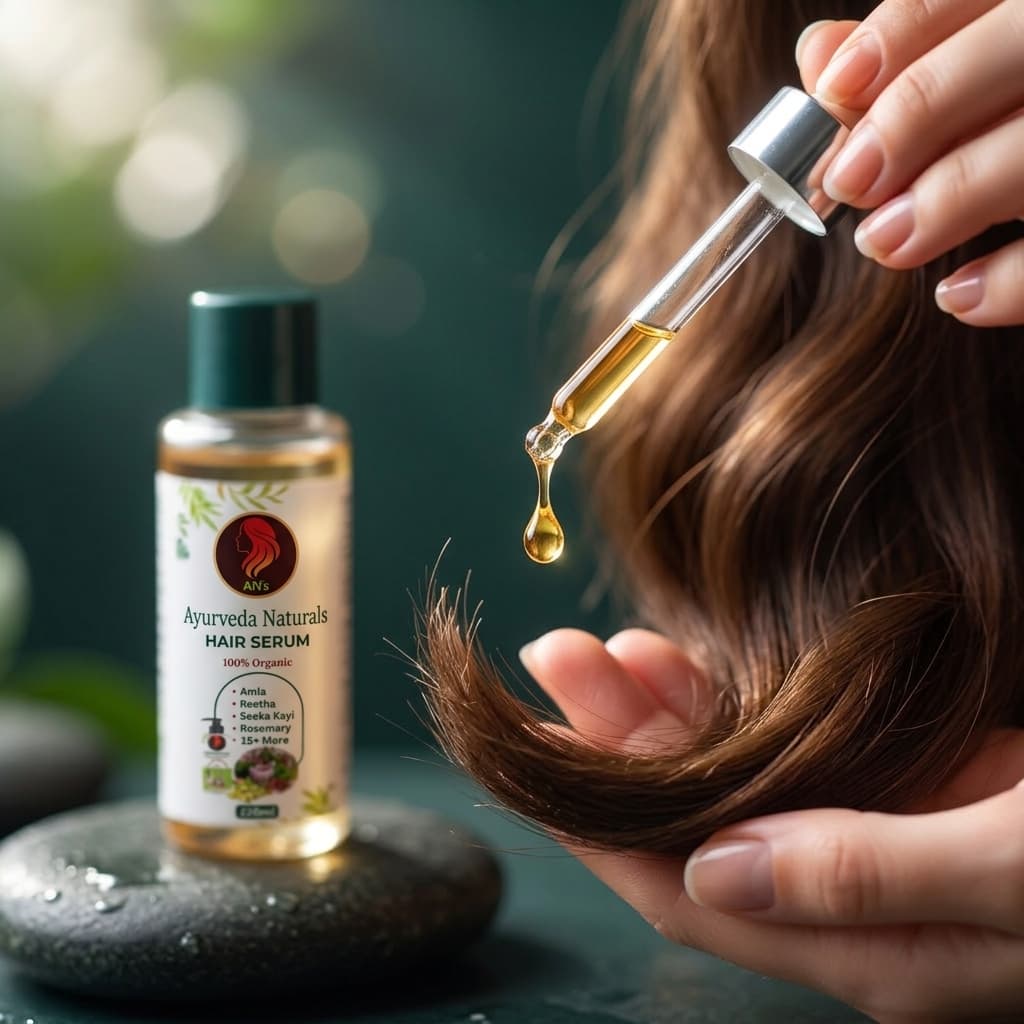
dry scalp vs dandruff difference
If you are struggling with a flaky, itchy head, understanding the dry scalp vs dandruff difference is the very first and most crucial step toward finding lasting, natural relief. Countless individuals across Pakistan experience varying degrees of scalp discomfort, especially considering our shifting geographical climates—ranging from the intensely dry, freezing winters of Islamabad and Quetta to the sweltering, sticky humidity of Karachi and Lahore. While both conditions share highly frustrating similarities, such as an uncontrollable urge to scratch and the embarrassing appearance of white flakes scattered across your shoulders, they are fundamentally different dermatological issues that require completely distinct treatment approaches. Applying a harsh, chemical-laden anti-dandruff shampoo to a dry scalp can severely strip away the little remaining moisture, exponentially exacerbating the problem. Conversely, using heavy, deeply moisturizing plant oils on a true dandruff condition can accidentally feed the yeast responsible for the flaking, leading to a much more severe and inflammatory outbreak. By the end of this comprehensive, expert-led guide from Ayurveda Naturals, you will possess the deep knowledge necessary to correctly identify your specific scalp condition, understand the underlying root causes from both a modern dermatological and an ancient Ayurvedic perspective, and discover holistic, natural solutions to restore your scalp's optimal health and vibrant vitality.
The Fundamentals: What Exactly is a Dry Scalp?
A dry scalp occurs precisely when the skin on your head lacks the necessary moisture and natural oils (sebum) to stay properly hydrated, protected, and supple. Just as the skin on your face, hands, or legs can become parched, tight, and begin to peel when exposed to harsh conditions, your scalp can suffer the exact same fate. When the scalp skin loses its vital moisture barrier—often referred to as the acid mantle—the topmost layer becomes brittle. The dead skin cells shed at an accelerated rate but in very small, fine pieces, leading to dry flakes that easily detach when you brush your hair, scratch your head, or even just run your fingers through your roots.
Common Causes of a Dry Scalp
- Harsh Weather Conditions: In regions of Pakistan where winters are fiercely cold and dry, the freezing outdoor air combined with indoor gas heating systems rapidly depletes the scalp's moisture levels. This process is known as Transepidermal Water Loss (TEWL).
- Over-Washing Your Hair: Washing your hair too frequently, or double-cleansing daily, strips the scalp of its natural, protective sebum. This is particularly problematic if you are using commercial shampoos loaded with harsh synthetic surfactants like sulfates (SLS/SLES) and parabens.
- Hot Water Showers: While a steaming hot shower feels luxurious during the winter months, it effectively melts away your skin's natural lipid barrier, leaving your scalp vulnerable, tight, deeply dehydrated, and prone to micro-cracking.
- Contact Dermatitis: An allergic or irritant reaction to synthetic hair care products, harsh chemical dyes, styling gels, or artificial synthetic fragrances can cause the scalp to become acutely inflamed, dry, and intensely itchy.
- Dietary Deficiencies: A systemic lack of essential fatty acids (such as Omega-3 and Omega-6), insufficient daily water intake, and a diet lacking in vital fat-soluble vitamins (like Vitamin A and E) can reflect directly on your scalp's health, turning it dry and flaky.
- Hard Water: Many cities in Pakistan have hard water supplies that contain high levels of calcium and magnesium. These minerals build up on the scalp, blocking moisture absorption and causing intense dryness.
The flakes associated with a dry scalp are typically very small, white, and nearly translucent. They tend to fall easily from the hair onto your dark clothing, often resembling fine snow or powder. Your hair itself may also appear frizzy, dull, and prone to breakage and split ends due to the lack of nourishing oils traveling down the hair shaft.
The Fundamentals: What Exactly is Dandruff?
Dandruff, scientifically known in the medical community as pityriasis capitis, is a completely different beast altogether. Unlike a dry scalp, dandruff is actually a result of too much oil combined with an overgrowth of a naturally occurring, yeast-like fungus called Malassezia globosa. This specific fungus lives harmlessly on the scalps of most healthy adults and feeds on the natural sebum produced by your hair follicles. However, in some individuals, the immune system overreacts to oleic acid—a highly irritating byproduct produced when the Malassezia yeast breaks down your natural sebum. This aggressive inflammatory response triggers the skin cells on the scalp to rapidly multiply and shed at an abnormally fast rate, sometimes turning over in just a few days rather than a full month.
Common Causes of Dandruff
- Excess Sebum Production: Individuals with inherently oily skin types are much more prone to developing dandruff because the excess oil provides an incredibly abundant food source for the Malassezia yeast to feast upon.
- Infrequent Washing: If you do not wash your hair regularly enough, the heavy buildup of dead skin cells, stale sweat, and oxidized sebum creates the absolute perfect breeding ground for fungal overgrowth and microbial imbalance.
- Humid Weather: The intense monsoon season and highly humid summers in Pakistan (particularly in the southern coastal regions) can dramatically exacerbate dandruff, as the combination of heat and trapped sweat creates an ideal, incubator-like micro-environment for yeast to thrive and multiply.
- Hormonal Fluctuations: Hormonal changes during puberty, pregnancy, menopause, or periods of extreme chronic stress can strongly stimulate the sebaceous glands to produce excess oil, throwing off the scalp's delicate microbiome.
- Seborrheic Dermatitis: A more severe, chronic form of dandruff that causes intensely red, greasy patches covered with thick, flaky white or yellow scales. This condition often affects not just the scalp, but also the eyebrows, the sides of the nose, and the chest.
Dandruff flakes are noticeably larger, thicker, and often have a distinct yellowish or grayish tint. Because they are bound together by excess oil and sebum, they tend to stick stubbornly to the hair shafts and clump up on the scalp rather than falling freely like dry scalp flakes. When you scratch dandruff, you will often find an oily residue trapped under your fingernails.
The Ultimate Checklist: Spotting the Key Differences
To effectively implement a targeted, holistic Ayurvedic treatment plan, you must first accurately diagnose your underlying condition. Here is a definitive, easy-to-reference breakdown of the dry scalp vs dandruff difference:
- Flake Appearance: Dry scalp flakes are small, delicate, white, and powdery. Dandruff flakes are large, waxy, clumpy, and typically yellowish.
- Flake Behavior: Dry scalp flakes fall off easily with minimal movement. Dandruff flakes stick firmly to the hair strands and clump together directly on the scalp.
- Scalp Texture: A dry scalp feels physically tight, parched, and lacks any natural oil. A dandruff-prone scalp feels greasy, oily, and is sometimes visibly inflamed, swollen, or red.
- Itching Sensation: Both conditions cause itching, but dandruff often involves a much more intense, sometimes painful burning or stinging itch due to active fungal inflammation, whereas a dry scalp feels more like a tight, dry tickle that is relieved temporarily by scratching.
- Response to Moisture: Applying oil to a dry scalp brings immediate, soothing relief and absorption. Applying oil to a dandruff-prone scalp often sits heavily on the surface and worsens the flaking and itching over the next 24 hours by feeding the fungal yeast.
The Ancient Ayurvedic Perspective on Scalp Health
Ayurveda, the ancient Indian science of life and longevity, views the human body holistically and strictly treats the underlying root cause of ailments rather than merely masking surface symptoms with temporary chemical fixes. According to core Ayurvedic principles, scalp issues are a direct physical manifestation of an internal imbalance in your body's vital bio-energies, which are known as Doshas: Vata, Pitta, and Kapha.
Dry Scalp and Vata Imbalance
A dry scalp is classically viewed in Ayurvedic texts as an aggravation of the Vata dosha. Vata is primarily composed of the elements of Air and Space (Ether), and its inherent qualities are dry, cold, light, mobile, and rough. When Vata is thrown out of balance—often caused by exposure to cold winter weather, excessive travel, chronic anxiety, lack of sleep, or consuming too many dry, cold, and raw foods—it effectively draws vital moisture and lubrication out of the body's tissues. This systemic internal dryness inevitably manifests physically on the outermost layer of the skin and scalp, leading to a severe lack of sebum, brittle hair, split ends, and powdery, snow-like flakes.
Dandruff and Kapha-Pitta Imbalance
Dandruff, especially the heavy, oily, yellowish kind, is typically associated with a complex, combined imbalance of the Kapha and Pitta doshas. Kapha (which represents the elements of Earth and Water) governs the body's structural integrity, bodily fluids, physical lubrication, and sebum production. Pitta (which represents Fire and Water) governs heat, digestion, cellular metabolism, and inflammation. When Kapha is aggravated by consuming heavy, sweet, starchy, or excessively oily and fried foods, it leads to a sluggish overproduction of sebum on the scalp. When Pitta is simultaneously aggravated by consuming extremely spicy foods, profound emotional stress, or living in hot, tropical climates, it causes internal heat and localized skin inflammation. This hot, incredibly oily environment (the Kapha-Pitta intersection) is exactly what allows the Malassezia fungus to proliferate rapidly, resulting in thick, inflammatory, stubborn dandruff.
Natural Ayurvedic Remedies for a Dry Scalp
If you have accurately identified that your flakes are due to a dry scalp (Vata imbalance), your primary restorative objective is deep, penetrating hydration and soothing nourishment to rebuild the broken skin barrier and ground the Vata dosha.
1. Deep Tissue Oiling (Shiro Abhyanga)
Regular, intentional scalp massage with warm, nutrient-rich botanical oils is the absolute cornerstone of Ayurvedic dry scalp treatment. Oiling not only replenishes severely depleted moisture levels but also stimulates local micro-blood circulation to the dormant hair follicles, encouraging robust hair growth. We highly recommend massaging your scalp thoroughly twice a week with our specially formulated Ayurvedic Hair Regrowth Oil. This highly potent, traditional blend contains deep moisture-locking carrier oils like cold-pressed Sesame oil and Coconut oil, infused over days with strengthening, Vata-pacifying herbs like Bhringraj, Amla, and Brahmi. Gently warm the oil in a double boiler before application, massage it into the roots using firm, circular motions, and leave it on overnight or for a minimum of two hours before washing.
2. Fresh Aloe Vera and Raw Honey Hydration Mask
Aloe Vera is a globally renowned natural humectant that physically draws atmospheric moisture directly into the skin, while raw, unpasteurized honey possesses incredible soothing, anti-inflammatory, and hydrating properties. Mix three tablespoons of freshly extracted Aloe Vera gel with one tablespoon of organic honey. Apply this viscous mask directly to your freshly washed scalp, let it sit under a shower cap for 30 to 45 minutes, and rinse with lukewarm water. This acts as a deeply cooling, restorative balm for tight, parched skin.
3. Switch to a Botanical, Sulfate-Free Cleanser
You must stop using chemical-laden, commercial drugstore shampoos immediately. Transition to gentle herbal cleansers that wash away dirt without stripping natural oils. Look for formulations containing Reetha (Indian soapnut) and Shikakai, which provide a mild, naturally derived lather that perfectly preserves your scalp's fragile protective lipid barrier while imparting a natural shine.
Natural Ayurvedic Remedies for Dandruff
If your symptoms strongly align with dandruff (Kapha-Pitta imbalance), your strategy must completely shift from deep moisturization to highly active anti-fungal, purifying, and clarifying treatments. You must actively remove the excess oil buildup, fight the underlying fungal overgrowth, and calm fiery inflammation without aggressively dehydrating the hair strands.
1. Harness the Antimicrobial Power of Neem and Tea Tree
Neem (Margosa) is revered throughout ancient Ayurvedic texts as an immensely powerful antibacterial, antifungal, and blood-purifying botanical powerhouse. It is arguably the most effective natural remedy on earth against the Malassezia fungus. To effectively combat the true root cause of your dandruff, integrate our Purifying Hair Shampoo into your weekly routine. Expertly formulated with highly concentrated Neem leaf extracts, therapeutic-grade Tea Tree essential oil, and cooling herbs like Mint and Tulsi, this shampoo deeply cleanses the scalp, regulates the overactive sebaceous glands, and eliminates fungal overgrowth without utilizing harsh, synthetic chemical detergents that trigger rebound oiliness.
2. Apple Cider Vinegar (ACV) and Triphala Rinse
The dandruff-causing Malassezia fungus thrives almost exclusively in an alkaline environment. Restoring your scalp's naturally slightly acidic pH (around 4.5 to 5.5) is absolutely crucial for eradicating dandruff long-term. Mix one tablespoon of raw, unfiltered Apple Cider Vinegar with a cup of strong, brewed Triphala tea (an ancient Ayurvedic blend of three detoxifying fruits: Amla, Bibhitaki, and Haritaki). After shampooing and rinsing your hair, pour this active mixture over your scalp as a final clarifying rinse. Let it sit for three minutes before rinsing it out lightly with cool water. The Triphala detoxifies the follicles, while the ACV swiftly restores the acidic mantle.
3. Strictly Limit Heavy Oil Applications
Unlike a dry, Vata-imbalanced scalp, a dandruff-prone scalp does not benefit from leaving heavy, saturated oils on overnight. If you wish to oil your hair for conditioning purposes to prevent dry ends, apply a lightweight, non-comedogenic oil (like Jojoba or a specific Neem-infused oil) only to the mid-lengths and ends of your hair, or apply it directly to the scalp as a pre-wash treatment for a strict maximum of 30 minutes before thoroughly washing it out.
Building Your Ultimate Haircare Routine in Pakistan
Achieving a healthy, perfectly flake-free scalp requires unyielding consistency, the correct high-quality botanical ingredients, and a steadfast commitment to natural, holistic healing. Trying to piece together a fragmented routine with mismatched, chemically clashing products often leads to prolonged frustration and wasted money. For those looking for a complete, synergistic solution that simultaneously addresses both scalp health and the structural vitality of your hair, we highly recommend investing in our comprehensive Ultimate Haircare Bundle. This thoughtfully curated collection provides you with all the foundational, premium Ayurvedic products necessary to cleanse, deeply nourish, and protect your scalp environment, taking the confusing guesswork out of your daily beauty regimen.
Essential Diet and Lifestyle Modifications for Scalp Vitality
In the profound wisdom of Ayurveda, topical treatments applied to the exterior are only half the equation. True, radiant health originates from within the digestive tract. Your daily diet and habitual lifestyle routines play a monumental role in determining the long-term condition of your scalp.
Dietary Interventions for Optimal Scalp Health
- Internal Hydration is Key: Whether you suffer from a dry scalp or chronic dandruff, drinking an absolute minimum of 2.5 to 3 liters of filtered water daily is non-negotiable. Proper systemic hydration ensures your skin organs function properly, flushing out accumulated toxins.
- Consume High-Quality Healthy Fats: For a dry, Vata-aggravated scalp, consciously increase your daily intake of healthy, lubricating lipids. Incorporate a spoonful of pure desi ghee into your meals, and snack on avocados, soaked walnuts, almonds, and roasted flaxseeds.
- Eliminate Processed Sugars and Refined Carbohydrates: For dandruff (Kapha-Pitta imbalance), processed sugar is your absolute worst enemy. High sugar intake causes rapid insulin spikes, which in turn triggers a massive systemic increase in sebum production, directly feeding the yeast on your scalp. Drastically cut down on commercial sweets, oily fried street foods (like pakoras and samosas), and heavily processed, packaged snacks.
- Embrace Anti-inflammatory Culinary Spices: Liberally incorporate organic turmeric, cumin, coriander powder, and fresh ginger into your daily cooking. These incredible spices help detoxify the liver, purify the blood, and dramatically reduce systemic inflammation that presents as redness on the scalp.
Crucial Lifestyle Recommendations
- Proactively Manage Stress Levels: High chronic stress elevates the hormone cortisol, leading to devastating hormonal imbalances that can instantly trigger both severe dandruff flare-ups and intense, sudden scalp dryness. Practice daily Yoga asanas, deep breathing exercises (Pranayama), or mindfulness meditation to keep your Vata and Pitta doshas thoroughly grounded.
- Protect Your Scalp from Extreme Elements: During the harsh, blistering Pakistani summers, wear a breathable, natural cotton scarf or hat to protect your scalp from intense UV radiation damage and excessive, trapped sweating. In the winter, wear protective headgear to shield your scalp from freezing, moisture-robbing winds.
- Practice Regular Hair Brushing: Brush your hair diligently every single day with a high-quality, pure wooden comb or a natural boar-bristle brush. For a dry scalp, this practice helps manually distribute natural oils from the oily root down to the dry tip. For dandruff, gentle brushing helps physically dislodge dead skin cells before they have a chance to accumulate, bind with oil, and form large, visible flakes.
Frequently Asked Questions (FAQs)
Can I have both a dry scalp and dandruff at the exact same time?
While relatively rare, it is indeed possible to experience a combination of symptoms, often known dermatologically as "combination scalp" or mixed seborrheic dermatitis, especially when transitioning between extreme seasons. For instance, you might suffer from an oily, dandruff-prone crown but experience dry, flaky, irritated patches near the nape of your neck or behind the ears. In such complex cases, treating the entire scalp with balancing, exceptionally gentle, pH-balanced herbs like Aloe Vera and mild, sulfate-free cleansers is the safest and most effective approach.
How long does it typically take for natural Ayurvedic remedies to show results?
Unlike harsh chemical treatments (like coal tar or zinc pyrithione shampoos) that offer a very temporary, superficial fix but damage the hair shaft over time, Ayurveda works meticulously to physically heal the damaged skin barrier and rebalance your internal body energies. You will very likely notice soothing symptomatic relief from itching within the first two to three washes, but true, lasting, cellular-level healing of the scalp environment generally takes a dedicated 4 to 6 weeks of consistent topical care paired with strict dietary adherence.
Does washing my hair every single day help get rid of dandruff faster?
Absolutely not. Washing every single day with a strong, highly detergent chemical shampoo will severely strip your hair of all moisture and cause immediate rebound oil production from your panicked sebaceous glands, ultimately worsening the dandruff in the long run. However, washing 3 to 4 times a week with a very gentle, herbal, purifying cleanser specifically designed for scalp health is ideal for continuously managing sebum levels without causing chronic irritation or dryness.
Is dandruff contagious? Can I catch it from someone else's hairbrush?
No, dandruff is completely non-contagious. The Malassezia fungus that is primarily responsible for dandruff naturally exists on the scalps of almost every single human being on the planet. Dandruff is simply an individual, localized inflammatory reaction to that specific fungus, usually triggered by personal internal factors like excess oil production, stress, or diet. You cannot catch dandruff from sharing a hairbrush, towel, or pillowcase, though it is always best practice for overall hygiene to use your own personal hair tools.
Conclusion
Deeply understanding the dry scalp vs dandruff difference is profoundly empowering. It completely saves you from the highly frustrating, expensive cycle of endlessly buying and using the wrong commercial products and inadvertently worsening your specific scalp condition. Always remember this fundamental rule: a parched, dry scalp requires profound, soothing hydration and rich lipid nourishment to effectively calm the Vata dosha, while a greasy, dandruff-prone scalp requires deeply purifying, antimicrobial, and antifungal botanical treatments to balance the Kapha and Pitta doshas. By completely shifting your mindset and approach to holistic, traditional Ayurvedic care, you are not merely fighting superficial flakes—you are actively cultivating an optimal, perfectly balanced biological environment where your scalp can breathe and your hair can genuinely thrive. Embrace the profound healing power of nature, listen closely to your body's unique signals, and let Ayurveda Naturals guide you on your transformative journey to a healthy, vibrant, and completely flake-free scalp.
Ready to stop hair fall naturally?
Don't wait until it's too late. Experience the proven magic of our 100% organic, wild-harvested Ayurvedic formulations and start seeing real results in 14 days.
Free Shipping + Cash on Delivery