
Premature Graying Of Hair Treatment Naturally
Premature Graying Of Hair Treatment Naturally: The Ultimate Evidence-Based Guide

Are you searching for a highly effective, science-backed Premature Graying Of Hair Treatment Naturally? You are certainly not alone. Across the globe, millions of individuals are experiencing the sudden and often distressing appearance of silver, white, or gray strands long before their biological senior years. While graying is an inevitable and beautiful part of the natural aging process, encountering it in your twenties, thirties, or even early forties can be a source of profound psychological distress and, more importantly, a critical indicator of underlying systemic imbalances. In this comprehensive, expert-led guide, we will explore the deepest physiological roots of follicular depigmentation and provide you with a masterclass on holistic restoration.
As a Senior Holistic Health Practitioner with over a decade of clinical experience in dermatology and Ayurvedic medicine, I have witnessed firsthand the profound impact that premature graying can have on an individual's self-esteem and confidence. The modern cosmetic industry is quick to offer synthetic chemical dyes as a rapid fix, but these solutions merely mask the symptom while often exacerbating the underlying follicular damage. True healing requires a paradigm shift. It requires us to look inward, to understand the biochemistry of our bodies, and to harness the synergistic power of clinical nutrition, stress modulation, and ancient botanical wisdom. By the end of this definitive article, you will be equipped with a robust protocol to not only halt the progression of premature graying but potentially restore your natural pigment.
Why You Need a Premature Graying Of Hair Treatment Naturally
Implementing a Premature Graying Of Hair Treatment Naturally is not merely about aesthetics; it is fundamentally about preserving the long-term structural integrity of your hair and safeguarding your overall systemic health. Conventional hair dyes are heavily laden with aggressive chemical agents such as Paraphenylenediamine (PPD), ammonia, hydrogen peroxide, and resorcinol. When applied repeatedly to the scalp, these compounds forcefully lift the hair cuticle to deposit synthetic pigment, permanently altering the hair shaft's porosity and leading to chronic dryness, brittleness, and eventual breakage. Furthermore, the scalp is a highly vascularized area, meaning that these synthetic chemicals can easily penetrate the dermal barrier and enter the bloodstream.
Prolonged exposure to PPD, for instance, is notorious for inducing severe allergic contact dermatitis and has been linked in various epidemiological studies to increased risks of systemic toxicity and immunological disruption. Ammonia, used to swell the hair follicle, can cause severe respiratory irritation and disrupt the delicate acid mantle of the scalp, creating an alkaline environment where pathogenic bacteria and fungi can thrive. In stark contrast, an integrative, natural approach focuses on nourishing the hair follicle from within. By providing the essential micronutrients, antioxidants, and adaptogens required for optimal melanocyte function, we address the root cause of the depigmentation. This ensures that the hair that grows is not only naturally pigmented but also structurally robust, deeply hydrated, and resilient against environmental stressors.
The Biology of Melanin and Hair Pigmentation
To truly comprehend how to reverse this condition, we must first dive into the fascinating microscopic world of the hair follicle. The color of your hair is entirely determined by a complex pigment called melanin, which is synthesized by specialized cells known as melanocytes. These melanocytes reside in the hair bulb, located at the very base of the hair follicle deep within the dermis. There are two primary forms of melanin that dictate human hair color: eumelanin, which is responsible for dark brown and black hues, and pheomelanin, which produces yellow, orange, and red pigments. The precise ratio and concentration of these two pigments, genetically determined, give rise to the vast spectrum of human hair colors.
The production of melanin, a process called melanogenesis, is highly active during the anagen (growth) phase of the hair cycle. Melanocytes synthesize melanin and transfer it to the rapidly dividing keratinocytes, which then form the growing hair shaft. This intricate process is heavily reliant on an enzyme called tyrosinase, which catalyzes the oxidation of the amino acid tyrosine to produce melanin. However, melanocytes are exceptionally sensitive to oxidative stress and nutrient deprivation. Unlike the melanocytes in our skin, which are relatively long-lived, the melanocytes in the hair follicle must be continuously replenished from a reservoir of melanocyte stem cells located in a region of the follicle known as the bulge. If this stem cell reservoir is depleted due to chronic stress, nutritional deficiencies, or excessive oxidative damage, the follicle loses its ability to produce pigment, resulting in the growth of a transparent, white hair strand. Understanding this profound biological mechanism is the first step in formulating a targeted intervention.
Top Causes and the Need for Premature Graying Of Hair Treatment Naturally
Before diving into any Premature Graying Of Hair Treatment Naturally, it is imperative to understand the root physiological triggers that precipitate the premature depletion of melanocyte stem cells. Graying is a multifactorial condition, meaning it is rarely caused by a single isolated variable. Instead, it is usually the culmination of genetic predispositions interacting with environmental stressors and metabolic imbalances. Let us break down the primary culprits.
Genetic Factors
Genetics play an undeniable role in determining the chronological onset of hair graying. If your parents or grandparents experienced premature graying, there is a statistically higher probability that you may inherit this trait. Recent genome-wide association studies have identified specific genetic markers, such as the IRF4 (Interferon Regulatory Factor 4) gene, which is strongly associated with hair graying. This gene helps regulate the production and storage of melanin. However, it is crucial to understand the field of epigenetics—the study of how environmental factors and lifestyle choices can influence gene expression. Just because you possess a genetic predisposition does not mean premature graying is your immutable destiny; it simply means your melanocytes may require more robust nutritional and antioxidant support to function optimally.
Nutritional Deficiencies
The melanogenesis pathway is highly metabolically demanding and requires a specific suite of essential micronutrients to operate. A deficiency in any of these cofactors can bring melanin production to a grinding halt.
- Vitamin B12 (Cobalamin): Perhaps the most critical nutrient for hair pigmentation, B12 is essential for DNA synthesis and the rapid cellular division occurring in the hair follicle. A deficiency, often seen in strict vegans or individuals with malabsorption issues (such as low stomach acid or lack of intrinsic factor), severely compromises melanocyte health.
- Copper: This trace mineral is the absolute, non-negotiable cofactor for the enzyme tyrosinase. Without adequate copper, tyrosinase cannot catalyze the conversion of tyrosine into melanin, directly resulting in hypopigmentation.
- Iron: Iron deficiency anemia disrupts the delivery of oxygen to the highly active cells of the hair bulb. Ferritin, the stored form of iron, must be maintained at optimal levels (often much higher than the standard laboratory minimums) for healthy hair growth and pigmentation.
- Zinc: Zinc acts as a vital structural component for hundreds of enzymes, including zinc finger proteins that regulate genetic expression in the hair follicle. It also plays a key role in protecting melanocytes from oxidative damage.
Oxidative Stress and Hydrogen Peroxide Buildup
One of the most groundbreaking discoveries in trichology regarding gray hair is the role of oxidative stress, specifically the accumulation of hydrogen peroxide (H2O2) within the hair follicle. Hydrogen peroxide is a natural byproduct of cellular metabolism. In a healthy, youthful follicle, an enzyme called catalase rapidly breaks down this hydrogen peroxide into harmless water and oxygen. However, as we age, or when we are exposed to excessive environmental toxins, UV radiation, or poor diets, our natural production of catalase plummets. The resulting buildup of hydrogen peroxide effectively bleaches the hair from the inside out, severely damaging tyrosinase and inducing melanocyte apoptosis (cell death).
Evaluating Your Options for Premature Graying Of Hair Treatment Naturally
When considering a Premature Graying Of Hair Treatment Naturally, targeted nutritional therapy is the first pillar of intervention. You cannot out-supplement a nutrient-devoid diet. The goal is to flood the body with the exact building blocks and antioxidant enzymes required to neutralize hydrogen peroxide and support tyrosinase activity. A therapeutic diet for reversing gray hair should heavily feature foods that are naturally rich in catalase, copper, and B-vitamins.
Another crucial component of a successful Premature Graying Of Hair Treatment Naturally is effectively managing psychological stress. We have long colloquially associated severe stress with turning hair gray overnight (the so-called "Marie Antoinette syndrome"), but modern science has finally elucidated the mechanism. When you experience chronic psychological stress, your sympathetic nervous system is perpetually activated in a "fight or flight" response. This causes a systemic release of the neurotransmitter noradrenaline. According to a landmark Harvard University research on stress and gray hair published in the journal Nature, this flood of noradrenaline reaches the hair follicle and causes the melanocyte stem cells to hyper-activate. They all prematurely differentiate into pigment-producing cells, migrate away from the bulge, and permanently deplete the stem cell reservoir. Once this reservoir is gone, the follicle can never produce pigment again. Therefore, stress mitigation is not just a wellness buzzword; it is a critical biological imperative for preserving your hair color.
| Essential Nutrient | Biological Mechanism | Optimal Natural Sources |
|---|---|---|
| Catalase | Breaks down hair-bleaching hydrogen peroxide into water and oxygen. | Garlic, Leeks, Onions, Broccoli, Sweet Potatoes, Cabbage. |
| Copper | Essential enzymatic cofactor for Tyrosinase to produce Melanin. | Sesame seeds, Cashews, Shiitake mushrooms, Spirulina, Beef liver. |
| Vitamin B12 | Supports DNA synthesis and red blood cell formation for follicular oxygenation. | Nutritional yeast, Wild-caught salmon, Organic eggs, Fortified plant milks. |
| Vitamin C | Potent antioxidant that protects melanocytes from free radical damage. | Amla (Indian Gooseberry), Citrus fruits, Bell peppers, Camu Camu. |
Ayurvedic Approaches to Premature Graying Of Hair Treatment Naturally
Ayurveda offers arguably the most comprehensive Premature Graying Of Hair Treatment Naturally available today. In the traditional Ayurvedic medical system, which has been continuously practiced for over 5,000 years, premature graying is clinically referred to as Palitya. It is primarily classified as an imbalance of the Pitta dosha. Pitta, which represents the dynamic elements of fire and water, governs all metabolic processes, digestion, and heat production in the body. When an individual consumes excessively spicy, sour, salty, or deeply fried foods, or experiences chronic emotional stress, anger, and frustration, the Pitta dosha becomes aggravated. This excessive metabolic heat (Ushna) travels upward through the bodily channels (Srotas) to the scalp, where it literally "burns out" the hair follicles and the local melanocytes, resulting in graying and premature hair thinning.
A highly successful Premature Graying Of Hair Treatment Naturally often incorporates Amla, Bhringraj, and other cooling, Pitta-pacifying botanicals. Let us explore the pharmacology and application of these ancient master herbs in detail.
Amla (Indian Gooseberry - Phyllanthus emblica)
Amla is unequivocally the crown jewel of Ayurvedic dermatology and hair care. It is classified as a Rasayana (rejuvenative) herb, renowned for its extraordinary density of heat-stable Vitamin C and a vast array of potent polyphenols, including gallic acid, ellagic acid, corilagin, and emblicanin. These phytochemicals endow Amla with an incredibly high ORAC (Oxygen Radical Absorbance Capacity) value, making it one of the most powerful natural antioxidants on the planet. By neutralizing reactive oxygen species at the follicular level, Amla prevents the oxidative destruction of melanocytes. Furthermore, Amla is deeply cooling and specifically pacifies aggravated Pitta dosha in the scalp. To utilize Amla effectively, you can prepare a traditional infusion: mix two tablespoons of premium, organic Amla powder with cold-pressed coconut oil, gently warm the mixture in a double boiler until it turns a deep, dark brown, and allow it to steep for 48 hours. Massaging this potent medicinal oil into the scalp twice a week dramatically improves blood circulation and delivers these critical antioxidants directly to the hair roots.
Bhringraj (False Daisy - Eclipta prostrata)
The Sanskrit translation of Bhringraj literally means "Ruler of the Hair," which should give you an indication of its profound efficacy. Bhringraj is a highly specific hepatic (liver) tonic in Ayurveda. According to traditional medicine, the health of the hair is intrinsically linked to the health of the liver and the blood (Rakta dhatu). By deeply detoxifying the liver and purifying the blood, Bhringraj ensures that only nutrient-dense, toxin-free blood reaches the delicate hair follicles. Topically, Bhringraj extract has been shown in various ethnopharmacological studies to significantly induce vasodilation, increasing the diameter of blood vessels in the scalp and prolonging the anagen (growth) phase of the hair cycle. This extended growth phase gives the melanocytes ample time to synthesize and deposit optimal amounts of melanin. To find high-quality formulations incorporating these herbs, consider exploring our complete guide on Ayurvedic hair care principles.
Curry Leaves and Coconut Oil
Curry leaves (Murraya koenigii) are a staple in South Indian culinary and medicinal traditions, and for excellent reason. They are extraordinarily rich in beta-carotene, proteins, and specific carbazole alkaloids that possess potent antimicrobial and antioxidant properties. When curry leaves are slowly boiled in virgin coconut oil, they release their volatile compounds into the lipid base, creating a dark, deeply aromatic, and highly therapeutic hair tonic. The coconut oil acts as a perfect carrier, owing to its high concentration of lauric acid and low molecular weight, which allows it to penetrate the hair shaft completely rather than just coating the surface. This combination revitalizes dormant hair follicles, restores natural pigmentation, and drastically improves the tensile strength of the hair.
Lifestyle Changes for Premature Graying Of Hair Treatment Naturally
A truly holistic Premature Graying Of Hair Treatment Naturally requires examining daily habits and environmental exposures. Even the most potent Ayurvedic herbs cannot overcome the damaging effects of a chronically toxic or stressful lifestyle. It is imperative to cultivate a daily routine (Dinacharya) that actively supports systemic balance and down-regulates the sympathetic nervous system.
Stress Management and Yoga
As we previously discussed regarding the Harvard studies, chronic stress is a direct, mechanistic cause of melanocyte stem cell depletion. Therefore, stress management is non-negotiable. Incorporating traditional Hatha Yoga into your daily routine can yield profound results. Inversion asanas (postures), such as Shirshasana (Headstand), Sarvangasana (Shoulder Stand), and Adho Mukha Svanasana (Downward-Facing Dog), reverse the flow of gravity, flushing the scalp and face with highly oxygenated blood and essential nutrients. Additionally, the ancient practice of Balayam (reflexology involving vigorously rubbing the fingernails together for 10-15 minutes daily) is highly revered in Ayurveda for stimulating the nerve endings connected to the scalp, purportedly increasing energy flow and circulation to the hair follicles.
Sleep Hygiene and Melatonin
Do not underestimate the power of deep, restorative sleep. Sleep is the primary period during which the body engages in profound cellular repair and detoxification. Furthermore, the pineal gland secretes melatonin during deep sleep in complete darkness. While commonly known as the sleep hormone, melatonin is also one of the most potent intracellular antioxidants discovered by science. Recent dermatological research indicates that hair follicles actually possess melatonin receptors and can synthesize melatonin locally. Maintaining strict sleep hygiene—sleeping in a completely dark room, avoiding blue light from screens two hours before bed, and maintaining a consistent sleep schedule—ensures optimal melatonin production, providing systemic antioxidant protection against the hydrogen peroxide that causes graying.
Toxin Avoidance
To support your journey, you must also eliminate environmental toxins that place an undue oxidative burden on your body. This includes cessation of smoking, as cigarette smoke is heavily laden with free radicals that aggressively constrict blood vessels and accelerate the aging of all cells, including melanocytes. Additionally, meticulously audit your personal care products. Discard shampoos and conditioners containing Sodium Laureth Sulfate (SLS), parabens, phthalates, and synthetic fragrances, as these endocrine disruptors and harsh detergents strip the scalp of its protective microbiome and natural sebum. Transition to gentle, plant-based cleansers and explore our organic hair oils for pure, unadulterated nourishment.
Scientific Validation and Case Studies
For decades, the medical establishment viewed the graying of hair as an irreversible, one-way street. However, paradigm-shifting research is actively disproving this dogma. A groundbreaking study published in eLife utilized high-resolution scanning techniques to map the pigmentation patterns of individual human hair shafts. The researchers observed robust, undeniable evidence of depigmentation followed by repigmentation occurring within the exact same hair strand. Crucially, by mapping these pigmentation shifts to the subjects' psychological diaries, the researchers found a direct, quantifiable correlation: periods of profound psychological stress were perfectly aligned with the graying segments of the hair shaft, while periods of relaxation and stress alleviation directly correlated with the restoration of the hair's natural dark pigment.
Further supporting this, National Institutes of Health (NIH) studies on hair pigmentation have extensively documented the critical role of micronutrients in melanogenesis. Case studies of individuals suffering from severe Vitamin B12 deficiency (often manifesting as pernicious anemia) frequently highlight premature graying as a primary clinical symptom. Upon receiving therapeutic doses of Vitamin B12, either via intramuscular injections or high-dose oral liposomal supplements, these patients routinely experience a remarkable and complete restoration of their original hair color over a period of several months. For more detailed clinical guidelines on optimal dosing and physiological mechanisms, you can refer to the official Vitamin B12 fact sheet from the NIH. These studies collectively prove that the hair follicle remains highly plastic and capable of profound regeneration when provided with the correct biological environment.
Ready to Transform Your Hair Naturally?
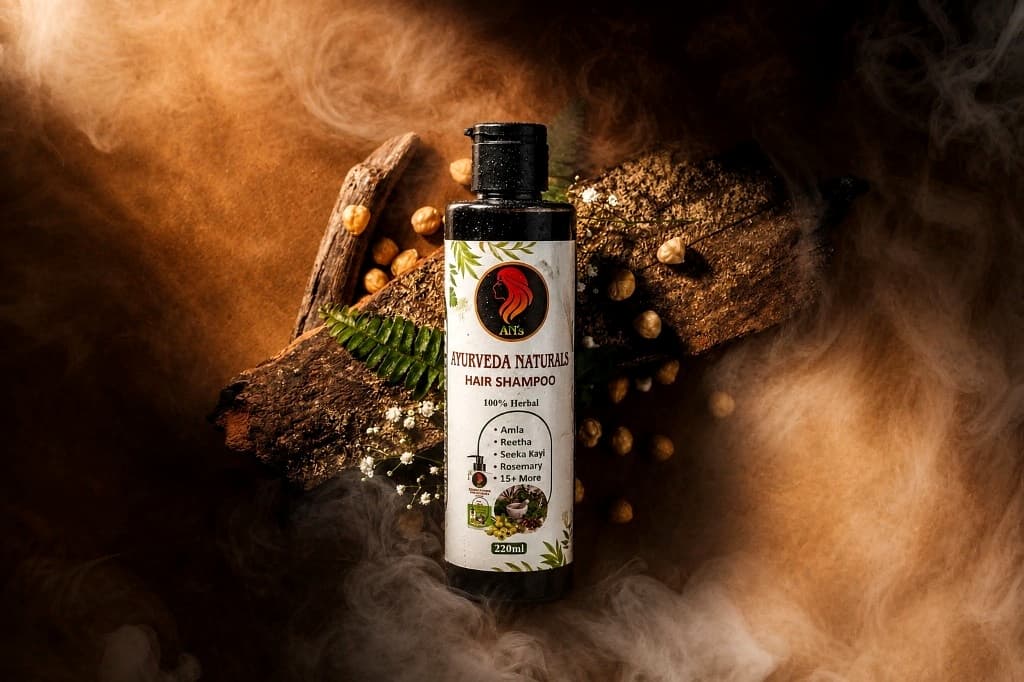
Explore our 100% organic Ayurvedic haircare range crafted with 15+ potent herbs.
Hair Regrowth Oil · Purifying Hair Shampoo · Ultimate Haircare Bundle
Frequently Asked Questions
FAQ about Premature Graying Of Hair Treatment Naturally
Can white hair turn black naturally?
Yes, a meticulously followed Premature Graying Of Hair Treatment Naturally can be highly effective in restoring natural pigment, provided the melanocyte stem cell reservoir in the follicle's bulge has not been completely exhausted. If the graying is relatively recent and primarily driven by nutritional deficiencies (such as B12, copper, or iron), severe oxidative stress, or acute psychological trauma, the condition is highly reversible. Once the nutrient deficiency is corrected and the systemic inflammation is quelled, the follicle will begin producing pigmented hair during its next anagen cycle. However, if the hair has been totally white for decades, indicating complete stem cell death, natural repigmentation becomes exceptionally difficult, if not impossible.
How long does it take for natural treatments to work?
Patience is absolutely paramount. Hair grows at an average rate of merely half an inch (1 to 1.5 centimeters) per month. Furthermore, natural therapies do not act as superficial dyes; they must alter the underlying biochemistry of the body, which takes time. When you correct a nutritional deficiency or begin an Ayurvedic herbal protocol, it will take at least 3 to 4 months for the newly pigmented hair to grow long enough to be visible at the scalp level. Therefore, you must commit to your natural protocol for a minimum of 6 to 12 months before evaluating its true efficacy. Consistency is the key to success.
Does plucking a gray hair cause multiple gray hairs to grow in its place?
This is one of the most pervasive and enduring myths in trichology, and it is entirely biologically false. Plucking a single gray hair will only ever result in one hair growing back from that specific follicle, as one follicle can only support one hair shaft. However, plucking is strongly discouraged. Repeatedly forcefully ripping the hair out can cause severe micro-trauma to the delicate hair follicle and the surrounding dermal tissue. Over time, this chronic inflammation can lead to permanent scarring, follicular miniaturization, and irreversible traction alopecia (baldness) in that specific spot. It is far better to carefully trim the gray hair with sterile scissors near the root if it is bothersome.
Are there any side effects to using Ayurvedic herbs like Amla and Bhringraj?
When used topically as infused oils or hair masks, Ayurvedic herbs are generally exceptionally safe and well-tolerated, possessing an excellent safety profile. However, as with any botanical substance, there is always a minor risk of allergic contact dermatitis. It is highly recommended to perform a standard patch test on the inner forearm 24 hours prior to a full scalp application. When considering taking these herbs internally as dietary supplements, it is strongly advised to consult with a qualified Ayurvedic practitioner or a functional medicine doctor, especially if you are pregnant, nursing, or currently taking prescription medications, as certain herbs can interact with liver enzyme pathways.
Conclusion
Embracing a Premature Graying Of Hair Treatment Naturally is a profound commitment to your overall well-being. It represents a conscious decision to reject quick, toxic cosmetic fixes in favor of deep, systemic healing. By meticulously optimizing your nutritional intake with critical cofactors like Copper and Vitamin B12, significantly reducing oxidative stress through the consumption of catalase-rich foods, leveraging the ancient wisdom of Ayurvedic botanicals like Amla and Bhringraj, and rigorously managing your psychological stress levels, you create the optimal biological environment for your melanocytes to thrive and regenerate.
In summary, your journey to find a Premature Graying Of Hair Treatment Naturally requires patience, consistency, and a multi-faceted approach. There is no single magic pill, but rather a synergistic lifestyle protocol. The silver strands you see today are not necessarily a permanent life sentence; they are a vital communication from your body, urging you to restore balance, nourishment, and vitality to your internal ecosystem. Start your holistic healing journey today, and witness the remarkable regenerative capacity of your own biology.
Ready to stop hair fall naturally?
Don't wait until it's too late. Experience the proven magic of our 100% organic, wild-harvested Ayurvedic formulations and start seeing real results in 14 days.
Free Shipping + Cash on Delivery