
How To Detox Scalp Buildup At Home
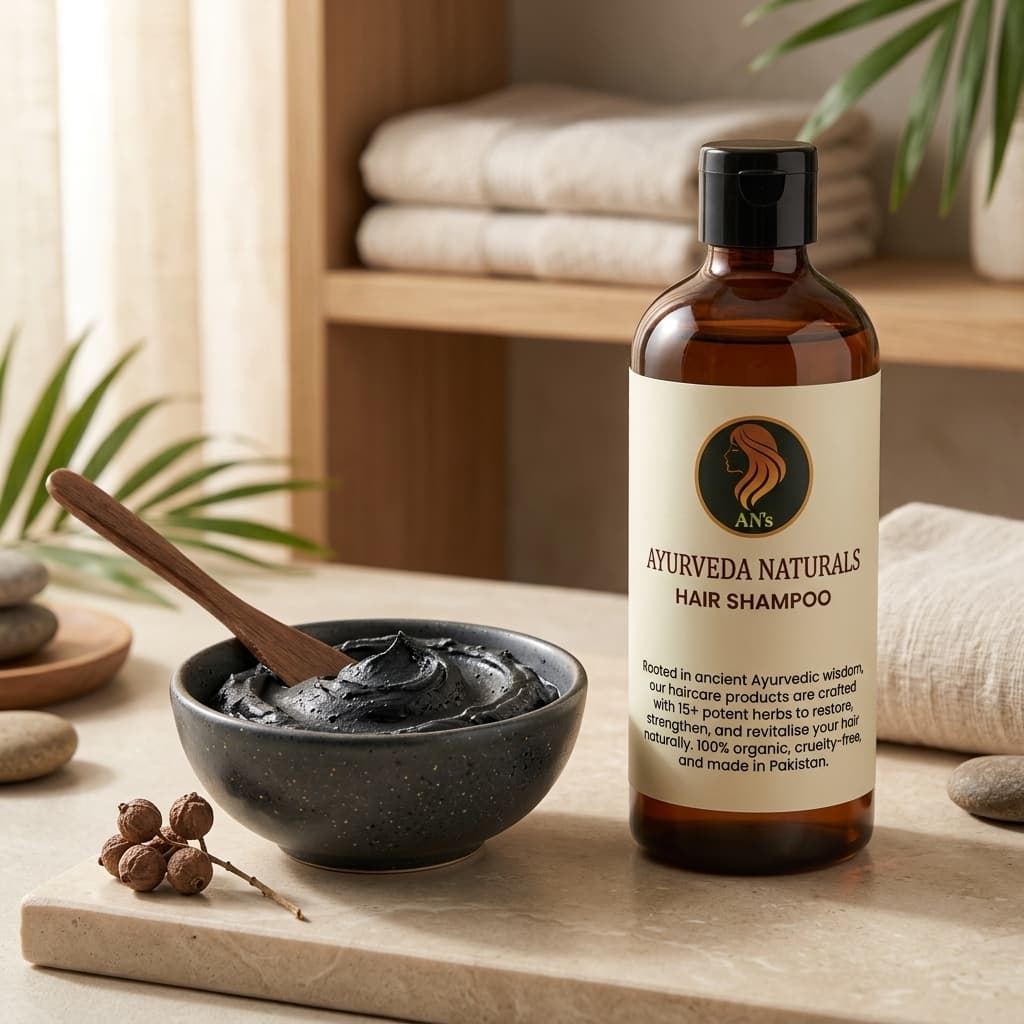
How To Detox Scalp Buildup At Home: The Ultimate 2026 Guide
Introduction: The Hidden Epidemic of Scalp Buildup
If you have been struggling with dull, lifeless hair, an endlessly itchy scalp, or stunted hair growth, the underlying culprit might be hiding right at your roots: scalp buildup. Learning exactly how to detox scalp buildup at home is one of the most fundamentally transformative steps you can take for your daily hair care routine. Far too many people focus their entire beauty budget and attention on the mid-lengths and ends of their hair strands—investing in expensive serums, hydrating masks, and heavy conditioners—while completely neglecting the biological foundation of their hair: the scalp.
Just like the delicate skin on your face, your scalp requires regular, thorough cleansing, gentle exfoliation, and targeted detoxification to remain healthy and function optimally. The scalp contains thousands of sebaceous glands, sweat glands, and hair follicles. When these become clogged with a mixture of synthetic product residue, hard water minerals, environmental pollutants, dead skin cells, and excess sebum, the environment becomes hostile to healthy hair growth.
In this extensive, deeply researched 2500+ word guide, we will explore the science of scalp health, the root causes of accumulation, and provide you with a foolproof, step-by-step masterclass on how to detox scalp buildup at home. By the end of this article, you will have the expert knowledge required to reset your scalp microbiome, eliminate stubborn flaking, and pave the way for thicker, more resilient hair.

Understanding the Anatomy: What Exactly Is Scalp Buildup?
Before diving into how to detox scalp buildup at home, it is crucial to understand what you are actually trying to remove. Scalp buildup is a complex matrix of organic and inorganic matter that accumulates on the epidermal layer of the scalp and around the opening of the hair follicles. This layer of grime is not just "dirt"—it is a combination of several different elements that bond together to form a stubborn, waxy, or flaky barrier.
At a microscopic level, the scalp is a highly active biological ecosystem. It naturally produces sebum (oil) to lubricate the hair shaft and protect the skin barrier. It also constantly sheds dead epidermal cells. Under normal conditions, routine washing removes this natural accumulation. However, modern lifestyles introduce a myriad of complications. Synthetic styling products containing non-water-soluble silicones (like dimethicone), heavy waxes, and polyquaterniums adhere tightly to the hair and scalp. When mixed with natural sebum, sweat, and urban pollution, these substances form an impermeable layer.
Furthermore, if you live in an area with hard water, calcium and magnesium deposits react with the fatty acids in your shampoo to form a soap scum that clings to your roots. Over time, this buildup suffocates the hair follicle, disrupts the acid mantle (the natural pH barrier of the scalp), and creates an ideal breeding ground for Malassezia—a yeast naturally found on the skin that, when overgrown, triggers severe dandruff and seborrheic dermatitis.
Common Signs You Need to Detox Scalp Buildup At Home
How do you know if you are suffering from severe accumulation? Your scalp and hair will provide several distress signals. Recognizing these symptoms early is the key to effectively mastering how to detox scalp buildup at home before permanent follicular damage occurs.
- Chronic Itching and Irritation: A persistent, maddening itch that isn't relieved by normal washing is the most common symptom. Buildup traps irritants against the skin, causing inflammation and pruritus.
- Flaking and 'Faux Dandruff': While true dandruff is a fungal issue, product buildup often presents as white or yellowish flakes that shed onto your shoulders. Unlike dandruff flakes, which are usually yellowish and oily, buildup flakes can sometimes be white, powdery, and mixed with product residue.
- Greasy, Heavy Roots: If your hair feels oily, flat, or coated immediately after you have washed it, you are dealing with a severe layer of silicone or hard water buildup that your regular shampoo cannot penetrate.
- Dull, Lackluster Hair: When the hair cuticle is coated in mineral deposits and waxes, it cannot reflect light. Your hair will look perpetually dull, regardless of how much glossing serum you apply.
- Stunted Hair Growth or Increased Shedding: Perhaps the most alarming symptom is hair loss. When follicles are blocked by hardened sebum and product, the hair shaft becomes miniaturized, leading to weakened strands that shed prematurely.
- Unpleasant Odor: A scalp that smells musty or sour even shortly after washing is a clear indication that trapped sweat, oil, and bacteria are decomposing under a layer of buildup.
The Root Causes: Why You Need to Detox Scalp Buildup At Home
To effectively prevent future issues, you must identify the primary contributors to your specific scalp environment. Learning how to detox scalp buildup at home requires a holistic understanding of these root causes.
1. Heavy Hair Care Products and Silicones
The beauty industry heavily relies on silicones, heavy butter, and synthetic waxes to provide immediate (but temporary) slip and shine. Ingredients like cyclopentasiloxane, dimethicone, and amodimethicone are notorious for creating a waterproof seal over the hair and scalp. Because they are hydrophobic (water-repelling), standard sulfate-free shampoos cannot wash them away. They simply accumulate layer upon layer with each use.
2. Hard Water Minerals
A staggering percentage of households have hard water, which contains high levels of calcium carbonate and magnesium. These minerals attach themselves to the protein structure of your hair and the skin of your scalp. Not only do they cause physical buildup, but they also elevate the pH of your scalp, making it alkaline. An alkaline scalp is prone to bacterial infections, cuticle damage, and extreme dryness.
3. Over-Production of Sebum and Sweat
For individuals with naturally oily skin types or those who engage in intense physical activity, the sheer volume of sebum and sweat can overwhelm regular cleansing routines. Sweat contains salt, lactic acid, and urea, which can dry out the scalp if left sitting, while excess sebum oxidizes and hardens within the pore.
4. Infrequent Washing and Co-Washing
While the "no-poo" (no shampoo) and co-washing (conditioner washing) movements have gained massive popularity for preserving moisture in curly and textured hair, they often lack the necessary surfactants to properly clean the scalp. Relying solely on cleansing conditioners for extended periods is a guaranteed recipe for massive scalp buildup.
Core Benefits of Learning How To Detox Scalp Buildup At Home
Taking the time to understand and implement a protocol for how to detox scalp buildup at home yields profound, scientifically proven benefits for your dermatological and trichological health.
1. Restores the Scalp Microbiome: A thorough detox removes the food sources (dead skin and oxidized oils) that pathogenic bacteria and yeast feed on. This restores a harmonious balance to your scalp's microbiome, significantly reducing instances of dermatitis and dandruff. To understand more about holistic balance, check out our best ayurvedic herbs for hair guide.
2. Unclogs Hair Follicles for Maximum Growth: A clear, unobstructed follicle is essential for healthy hair growth. By removing the hardened plugs of sebum and product, you allow the hair to emerge from the scalp without restriction, potentially increasing hair density and diameter over time.
3. Normalizes Sebum Production: Paradoxically, a scalp coated in buildup often overproduces oil to compensate for the fact that the skin underneath is chronically dehydrated. Detoxifying resets the sebaceous glands, leading to less oiliness in the long run.
4. Enhances Product Efficacy: If your expensive hair growth serums and hydrating masks aren't working, buildup is likely blocking their absorption. A clean scalp acts like a sponge, readily absorbing the active ingredients in your topical treatments.

Step-by-Step Guide: How To Detox Scalp Buildup At Home
Now that we have established the science, let us move into the practical application. Here is the ultimate, expert-approved protocol for how to detox scalp buildup at home. This routine should be performed once every two to four weeks, depending on your lifestyle and product usage.
Step 1: The Pre-Detox Assessment and Dry Brushing
Before you even step into the shower, you must mechanically loosen the buildup. Start with dry hair. Use a high-quality boar bristle brush or a dedicated scalp exfoliating brush with flexible silicone bristles. Gently massage your scalp in circular motions. This process, known as dry brushing, stimulates microcirculation, bringing oxygen-rich blood to the follicles, and physically dislodges flakes and dried product from the epidermis. Spend at least 3 to 5 minutes on this step, ensuring you cover the crown, nape, and hairline.
Step 2: Choosing and Applying a Natural Exfoliant
Next, you need a chemical or physical exfoliant to break down the waxy bonds of the buildup. While there are many commercial scrubs available, creating one at home is highly effective and allows you to control the ingredients. A popular physical scrub involves mixing finely milled brown sugar with a carrier oil like jojoba or sweet almond oil. Alternatively, for a chemical exfoliant (which uses natural acids to dissolve dead skin), a mixture of Aloe Vera gel and a small amount of Salicylic Acid (if available) or Apple Cider Vinegar works wonders.
Part your hair into small sections and apply the exfoliant directly to the scalp, avoiding the mid-lengths and ends as much as possible to prevent mechanical damage to the hair shaft. Gently massage using the pads of your fingers—never your nails, as this can cause micro-abrasions and invite infection.
Step 3: The Deep Clarifying Cleanse
Once the scalp has been exfoliated and the buildup is loosened, it must be washed away completely. This is where a clarifying shampoo is non-negotiable. Regular moisturizing shampoos simply do not contain the strong surfactant profile necessary to bind to and remove heavy silicones and minerals. Look for a clarifying shampoo that contains ingredients like sodium C14-16 olefin sulfonate or sodium lauryl sulfate (used occasionally, SLS is highly effective for deep cleansing).
Apply the clarifying shampoo directly to the roots. Lather thoroughly, focusing entirely on the scalp. Let the lather sit for 2 to 3 minutes to allow the surfactants to emulsify the oils and product residue. Rinse with lukewarm water. If you have extreme buildup, a second lather may be required.
Step 4: The Apple Cider Vinegar (ACV) pH Reset
Clarifying shampoos, while effective, have a high alkaline pH that can leave the hair cuticle raised and the scalp vulnerable. The secret weapon in how to detox scalp buildup at home is the ACV rinse. Apple cider vinegar contains acetic acid, which naturally lowers the pH of the scalp back to its ideal acidic state (around 4.5 to 5.5). It also possesses potent antimicrobial properties.
Mix 2 to 3 tablespoons of raw, unfiltered apple cider vinegar (with "the mother") into 2 cups of filtered water. After rinsing out your shampoo, pour this mixture slowly over your scalp. Massage it in and let it sit for 3 to 5 minutes. Rinse thoroughly with cool water to seal the hair cuticle.
Step 5: Intense Hydration and Barrier Restoration
A true detox strips away everything—the bad buildup and the good natural oils. Therefore, restoring moisture is critical. Apply a deep conditioning mask or a rich, silicone-free conditioner strictly to the mid-lengths and ends of your hair. To hydrate the scalp without clogging it, look for a lightweight scalp serum containing hyaluronic acid, aloe vera, or a few drops of pure argan oil applied to the skin while damp.
For more insights on maintaining moisture balance based on your hair's unique characteristics, review our comprehensive hair porosity guide.
Top Natural Ingredients for How To Detox Scalp Buildup At Home
When formulating your own treatments for how to detox scalp buildup at home, nature provides some of the most potent and scientifically backed ingredients available. Here is a breakdown of the best natural detoxifiers:
1. Bentonite Clay and Rhassoul Clay
Clays are extraordinary detoxifiers due to their unique molecular structure. Bentonite clay carries a strong negative electromagnetic charge when mixed with water. It acts like a powerful magnet, drawing out positively charged toxins, heavy metals, impurities, and product buildup from deep within the pores. Rhassoul clay, mined in Morocco, is slightly gentler and rich in silica, magnesium, and potassium, making it excellent for dry scalps that still need a deep cleanse.
2. Tea Tree Essential Oil
Extracted from the leaves of the Melaleuca alternifolia plant, tea tree oil is a powerhouse of antibacterial, antifungal, and anti-inflammatory properties. It is scientifically proven to combat the Malassezia fungus responsible for dandruff. Adding just 2 to 3 drops of pure tea tree oil to your clarifying shampoo or carrier oil can drastically reduce scalp inflammation and prevent microbial overgrowth.
3. Aloe Vera
Aloe Vera is nature's ultimate soothing agent. It contains proteolytic enzymes which help repair dead skin cells on the scalp. It also acts as a fantastic conditioner and leaves your hair all smooth and shiny. Furthermore, Aloe Vera's high water content provides unparalleled, oil-free hydration to a freshly detoxed, sensitive scalp.
4. Activated Charcoal
Activated charcoal is highly porous and has an immense surface area, allowing it to adsorb (bind to) toxins, odors, and excess oils. It is particularly effective for those living in highly polluted urban environments, as it pulls micro-pollutants out of the hair follicles effortlessly.
DIY Recipes to Detox Scalp Buildup At Home
Ready to mix your own treatments? Here are three highly effective, expert-formulated recipes for how to detox scalp buildup at home using kitchen staples.
Recipe 1: The Deep-Pull Bentonite Clay Mask
Best for: Severe product buildup, oily scalps, and hard water detox.
- 1/2 cup Bentonite Clay (Use a wooden or plastic spoon; metal deactivates the clay's charge)
- 1/2 cup Apple Cider Vinegar
- 1/4 cup Aloe Vera Juice
Instructions: Mix the ingredients in a non-metal bowl until a smooth, yogurt-like paste forms. Apply directly to the scalp in sections. Leave on for 15-20 minutes. Do not let it dry completely hard. Rinse thoroughly with warm water, followed by a light shampoo.
Recipe 2: The Brown Sugar & Oat Soothing Scrub
Best for: Dry, flaky scalps, sensitive skin, and gentle exfoliation.
- 3 tablespoons finely ground Brown Sugar (melts easily, preventing micro-tears)
- 2 tablespoons finely ground Colloidal Oatmeal (highly soothing and anti-inflammatory)
- 2 tablespoons Jojoba Oil or Sweet Almond Oil
Instructions: Mix into a gritty paste. Apply to a damp scalp and massage gently in circular motions for 3 minutes. Rinse well and proceed with your clarifying shampoo.
Recipe 3: The Lemon & Sea Salt Clarifier
Best for: Fungal issues, excessive grease, and deep pore cleansing.
- 2 tablespoons fine Sea Salt (antimicrobial and exfoliating)
- 1 tablespoon fresh Lemon Juice (contains citric acid to break down oils)
- 1 tablespoon Olive Oil (to buffer the acidity and provide moisture)
Instructions: Combine the ingredients. Massage into the scalp focusing on problem areas. Leave for exactly 5 minutes, then rinse thoroughly. Note: Do not use this if you have active scratches or severe scalp irritation, as the salt and lemon will sting.
Scientific Insights on How To Detox Scalp Buildup At Home
To truly master how to detox scalp buildup at home, we must look at the dermatological science. The scalp is a unique extension of facial skin, possessing a higher density of terminal hair follicles and sebaceous glands. According to research published by the National Institutes of Health (NIH), the scalp microbiome is highly susceptible to dysbiosis (imbalance) when covered by exogenous substances (like hair products).
The acid mantle, a very fine, slightly acidic film on the surface of human skin acting as a barrier to bacteria, viruses, and other potential contaminants, is consistently compromised by the alkaline nature of hard water and traditional soaps. When we perform a scalp detox, specifically utilizing pH-adjusting agents like Apple Cider Vinegar, we are actively engaging in biomimicry—restoring the physiological conditions required for the resident protective flora (like Staphylococcus epidermidis) to thrive, while suppressing pathogenic strains.
Furthermore, the American Academy of Dermatology (AAD) emphasizes that follicular occlusion (blockage) can trigger inflammatory cascades that prematurely force hair follicles into the telogen (resting/shedding) phase, leading to noticeable hair thinning. Thus, regular detoxification is not merely cosmetic; it is a vital preventative healthcare practice for long-term hair retention.

Preventing Future Accumulation: Beyond the Detox
Knowing how to detox scalp buildup at home is only half the battle. The true secret to a perpetually healthy scalp is preventing severe accumulation from returning. Implement these preventative lifestyle and routine changes:
1. Audit Your Hair Products
Read the ingredient labels on your shampoos, conditioners, and styling agents. Ruthlessly eliminate products containing heavy, non-water-soluble silicones (dimethicone, cyclomethicone) and waxes. Opt for water-soluble alternatives or silicone-free formulations that rely on natural plant extracts and lightweight oils like squalane or grapeseed oil for moisture.
2. Install a Shower Filter
If you live in a hard water zone, your water supply is actively depositing calcium on your head every single time you shower. Installing a high-quality shower head filter designed to neutralize hard water minerals and filter out heavy chlorine will drastically reduce mineral buildup and preserve your scalp's pH.
3. Master the 'Double Cleanse'
Borrowing a concept from facial skincare, the double cleanse is highly effective for the scalp. The first shampoo breaks down the surface layer of sebum, environmental dirt, and styling products. The second shampoo actually cleanses the scalp skin and penetrates the follicles. Always double cleanse if you go more than three days between washes.
4. Optimize Internal Hydration and Diet
Your scalp health is a direct reflection of your internal physiological state. Diets high in refined sugars and highly processed foods trigger insulin spikes, which in turn stimulate the sebaceous glands to overproduce sebum. Increase your intake of Omega-3 fatty acids (found in salmon, chia seeds, and walnuts), zinc, and Vitamin A to regulate sebum production naturally from the inside out. Furthermore, drinking adequate water ensures the skin of the scalp remains hydrated, preventing the over-production of compensatory oil.
Ready to Transform Your Hair Naturally?
Explore our 100% organic Ayurvedic haircare range crafted with 15+ potent herbs.
Hair Regrowth Oil · Purifying Hair Shampoo · Ultimate Haircare Bundle
Frequently Asked Questions About How To Detox Scalp Buildup At Home
1. How often should I detox my scalp at home?
The frequency depends entirely on your lifestyle, hair type, and product usage. If you use heavy styling products daily, swim in chlorinated pools, or have hard water, a detox every 2 weeks is ideal. If you use minimal products and wash regularly, once a month is sufficient. Over-detoxifying can strip the scalp of essential lipids, leading to rebound oiliness and severe dryness.
2. Can I detox my scalp if I have color-treated or bleached hair?
Yes, but you must proceed with caution. Clarifying shampoos and strong exfoliants like Apple Cider Vinegar or Lemon Juice can strip artificial hair dye, especially semi-permanent colors and toners. If you have color-treated hair, focus your detox efforts purely on the scalp skin using targeted applicator bottles, avoiding the hair lengths. Follow up immediately with a color-safe, deep moisturizing mask to seal the cuticle and lock in the pigment.
3. Is it normal to experience hair shedding during a scalp detox?
It is perfectly normal to see some loose hairs wash away during a detox. These are typically hairs that have already detached from the follicle (in the telogen phase) but were glued to the scalp by layers of waxy buildup and sebum. The mechanical action of scrubbing simply dislodges them. However, if you experience severe pain, burning, or handfuls of hair loss, stop immediately and consult a board-certified dermatologist.
4. What is the difference between clarifying and detoxifying?
While often used interchangeably, there is a nuanced difference. Clarifying generally refers to using a strong surfactant (shampoo) to strip away surface-level product buildup and minerals from the hair strands. Detoxifying is a more holistic, deeper process focused on the scalp skin—it involves chemical or physical exfoliation to remove dead skin cells, drawing out impurities from the pores (often using clays), and rebalancing the scalp's microbiome and pH levels.
5. Will a scalp detox cure my dandruff?
A scalp detox is an excellent complementary treatment for dandruff because it removes the excess oil and dead skin that the dandruff-causing yeast (Malassezia) feeds upon. However, if you have a medically diagnosed case of severe seborrheic dermatitis or psoriasis, a detox alone may not be a cure. You will likely need to integrate medicated treatments containing Ketoconazole, Zinc Pyrithione, or Coal Tar, as prescribed by your physician.
Conclusion: Mastering How To Detox Scalp Buildup At Home
In conclusion, mastering how to detox scalp buildup at home is not just a passing beauty trend; it is a fundamental pillar of comprehensive hair and scalp hygiene. By understanding the biological mechanics of your scalp, identifying the root causes of product and mineral accumulation, and implementing a consistent, scientifically backed detox routine, you are setting the stage for the healthiest hair of your life.
Remember that consistency is key. Start by auditing your current hair care products, invest in a water filter, and integrate a deep clarifying and exfoliating session into your monthly regimen. Whether you choose the magnetic pull of Bentonite clay, the acidic rebalancing of Apple Cider Vinegar, or the soothing mechanical exfoliation of a brown sugar scrub, taking the time to care for your roots will inevitably result in a flourishing, vibrant, and incredibly healthy head of hair.
Take control of your scalp health today, and watch as your hair transforms from dull and restricted to voluminous and thriving. Your roots will thank you.
Ready to stop hair fall naturally?
Don't wait until it's too late. Experience the proven magic of our 100% organic, wild-harvested Ayurvedic formulations and start seeing real results in 14 days.
Free Shipping + Cash on Delivery