
How To Fix Chemically Damaged Hair Without Cutting
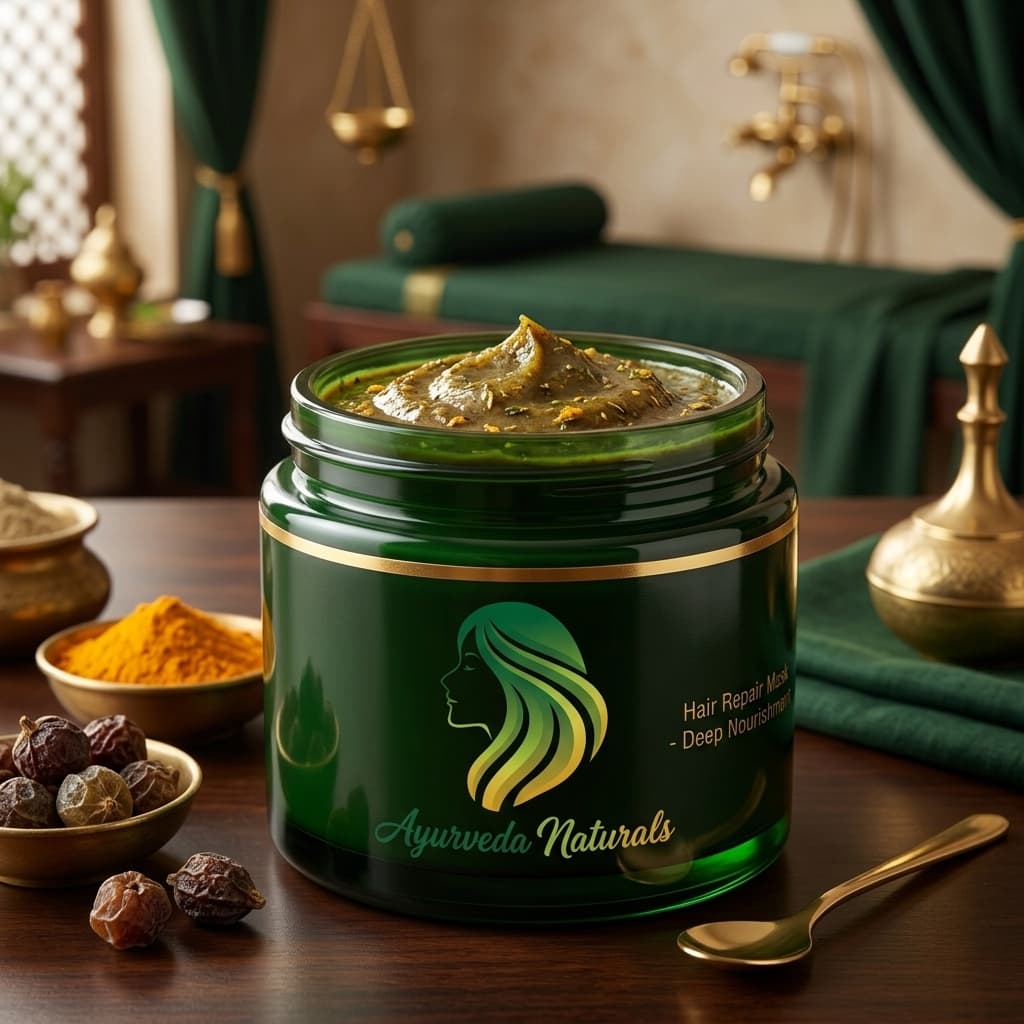
How To Fix Chemically Damaged Hair Without Cutting: Expert Repair Guide
How to fix chemically damaged hair without cutting is the most urgent question after a bleach disaster or perm failure. You can repair chemically damaged hair without scissors by immediately applying an active bond-building treatment, utilizing hydrolyzed protein masks to fill cuticle gaps, and sealing the hair shaft with acidic leave-in conditioners. This targeted three-step methodology actively restores structural elasticity and halts mid-shaft snapping.
Chemical processing forcefully lifts the protective cuticle layer. Therefore, bleach, relaxers, and perms inevitably break internal disulfide bonds. As a result, your hair becomes a porous, fragile sponge. Many people panic and assume a pixie cut is the only solution. However, cosmetic chemistry offers proven alternatives. Instead of chopping off your lengths, you can leverage advanced molecular repair.
This comprehensive guide details exactly how to fix chemically damaged hair without cutting. Specifically, we will explore the exact ingredients, pH levels, and daily habits required to reverse extreme structural damage. By the end of this protocol, you will possess a precise scientific roadmap to save your compromised strands.
The Science of How To Fix Chemically Damaged Hair Without Cutting
To understand how to fix chemically damaged hair without cutting, we must first examine hair anatomy. Hair primarily consists of a protein called keratin. This protein forms three distinct layers. Namely, these layers are the medulla (the core), the cortex (the middle layer containing melanin and bonds), and the cuticle (the overlapping outer scales). Chemical damage aggressively attacks the cortex and cuticle.
During a bleaching session, high-pH alkaline agents force the cuticle scales open. Subsequently, oxidative chemicals penetrate the cortex to dissolve melanin. Unfortunately, this violent reaction also destroys structural proteins. Consequently, the hair loses its tensile strength. When wet, severely compromised hair feels gummy or sticky. Conversely, when dry, it feels like brittle straw.
Repairing this matrix requires targeted intervention. First, you must manually lower the hair's pH. Second, you need micro-proteins small enough to penetrate the cortex. Third, you require synthetic lipid barriers to replace the stripped natural oils. Therefore, a successful strategy relies entirely on molecular science, not generic moisturizing conditioners.
Diagnosing Your Damage Level
Before implementing a repair routine, you must diagnose your exact level of chemical trauma. Treatment protocols vary significantly based on symptom severity. For example, applying heavy protein to mildly damaged hair causes stiffening. Conversely, applying only moisture to severely damaged hair causes elastic snapping. Therefore, accurate diagnosis remains critical.
Perform the wet stretch test to determine your current baseline. Take a single wet strand of hair and gently pull it. Healthy hair stretches up to 30% and returns to its original length. However, damaged hair behaves differently. Evaluate your results using the diagnostic table below.
| Damage Level | Wet Stretch Test Result | Dry Texture Characteristics | Primary Treatment Focus |
|---|---|---|---|
| Mild | Stretches slightly but returns, though slightly rough. | Frizzy ends, minor tangling, dull appearance. | Moisture and light cuticle sealants. |
| Moderate | Stretches easily but breaks if pulled too far. | Split ends, visible white dots, severe tangling. | Equal balance of protein and moisture. |
| Severe | Stretches like a rubber band and snaps, or feels mushy. | Breaks upon brushing, gummy when wet, severe shedding. | Intensive bond builders and heavy proteins. |
If you fall into the severe category, you are actively losing hair mass daily. Because of this, you must begin aggressive structural repair immediately. Knowing how to fix chemically damaged hair without cutting requires matching the solution precisely to the symptom.
Essential Ingredients: How To Fix Chemically Damaged Hair Without Cutting
Generic drugstore conditioners simply coat the hair in silicones. While this provides temporary smoothness, it does absolutely nothing for internal structural repair. Instead, you must aggressively hunt for specific molecular compounds. Therefore, always read product ingredient labels before purchasing.
1. Active Bond Builders
True bond builders operate at a molecular level. Specifically, they seek out broken disulfide bonds and create synthetic bridges to reconnect them. Bis-aminopropyl diglycol dimaleate is the patented active ingredient in Olaplex. Meanwhile, biomimetic peptides (like those in K18) reconnect broken polypeptide chains along the Y-axis of the hair. These ingredients physically rebuild the core architecture.
2. Hydrolyzed Proteins
Hair is 95% protein. When chemicals destroy that protein, you must replace it. However, standard protein molecules are far too massive to penetrate the hair shaft. Therefore, you must use hydrolyzed proteins. Through a process called hydrolysis, these proteins are chopped into tiny fragments. Look for hydrolyzed wheat, hydrolyzed soy, hydrolyzed keratin, or hydrolyzed silk on ingredient lists. These tiny fragments fill microscopic craters in the hair shaft.
3. Acidic pH Balancers
Healthy hair naturally sits at an acidic pH between 4.5 and 5.5. Conversely, bleach and relaxers push the hair to an extreme alkaline pH of 10 to 14. This high alkalinity keeps the cuticle permanently flared open. Consequently, moisture rapidly escapes, and environmental damage easily enters. Using products formulated with a low pH forces the cuticle scales to lay flat. Citric acid and malic acid are excellent ingredients for restoring acidic balance.
4. Penetrating Oils vs. Sealing Oils
Not all oils provide identical benefits. Penetrating oils possess a small molecular structure. For instance, coconut oil, babassu oil, and argan oil can enter the cortex to provide deep conditioning. Sealing oils, however, feature massive molecular structures. Jojoba oil and castor oil cannot penetrate the hair. Instead, they sit on the surface to lock in underlying moisture. You need both to effectively repair compromised cuticles.
Step-by-Step Routine: How To Fix Chemically Damaged Hair Without Cutting
Understanding the science is only the first step. Next, you must execute a flawless daily and weekly routine. How to fix chemically damaged hair without cutting relies heavily on consistency. You cannot skip steps. A rigorous, structured wash day protocol prevents mechanical breakage while wet.
Step 1: Pre-Wash Bond Treatment
Water aggressively swells the hair shaft. For severely damaged hair, this swelling causes the fragile cuticle to burst. Therefore, you must apply your strongest bond builder before applying shampoo. Dampen your hair slightly. Next, apply a generous amount of your chosen bond builder (e.g., Olaplex No. 3). Leave it on for an absolute minimum of 10 minutes. However, leaving it on for 45 minutes yields significantly better structural repair. This step fortifies the hair before the stress of washing begins.
Step 2: Gentle Acidic Cleansing
Sulfates are incredibly harsh detergents. They ruthlessly strip natural lipids from the scalp and hair. Therefore, you must immediately switch to a sulfate-free, acidic shampoo. Apply shampoo strictly to the scalp. Do not violently scrub your lengths. Instead, simply let the suds wash down the strands as you rinse. Because damaged hair tangles easily, gentle handling prevents mechanical snapping.

Step 3: The Protein and Moisture Sandwich
After rinsing your shampoo, gently squeeze excess water from your hair. Next, apply a hydrolyzed protein mask to the mid-lengths and ends. Allow it to sit for 5 to 10 minutes. Rinse thoroughly. Because protein treatments can leave hair feeling slightly rigid, you must follow up immediately with a hydrating, emollient-rich deep conditioner. This technique, known as the protein-moisture sandwich, ensures the hair gains tensile strength without sacrificing flexibility.
Step 4: Acidic Leave-In Protection
Once you exit the shower, your repair work continues. Your hair is highly vulnerable when wet. Therefore, avoid rough towel drying. Instead, gently squeeze moisture out using a soft microfiber towel or an old cotton t-shirt. Apply a low-pH, leave-in conditioner immediately. This seals the cuticle shut. Subsequently, apply a few drops of a sealing oil (like jojoba) exclusively to the very ends. This creates a synthetic lipid barrier to prevent split ends from traveling upward.
Crucial Lifestyle Adjustments For Recovery
Learning how to fix chemically damaged hair without cutting requires significant lifestyle changes. Your hair is currently in critical condition. Therefore, you must treat it like spun glass. Mechanical friction easily destroys what chemical treatments weakened.
Eliminate Direct Heat
You must completely stop using flat irons, curling wands, and high-heat blow dryers. Heat aggressively boils the internal moisture inside the cortex. For compromised hair, this internal boiling blows microscopic holes through the cuticle. If you absolutely must blow-dry, use the lowest, coolest setting. Furthermore, hold the dryer at least six inches away from the hair shaft. Always utilize a high-quality thermal protectant spray. However, air drying remains the safest possible choice.
Upgrade Your Sleep Setup
Cotton pillowcases act like sandpaper against fragile hair cuticles. Moreover, cotton is highly absorbent, meaning it literally sucks the moisture out of your hair overnight. Consequently, you must invest in a pure silk or high-grade satin pillowcase. Alternatively, wear a silk bonnet to bed. This eliminates nocturnal friction entirely. Before sleeping, gather your hair into a loose, low braid. This prevents aggressive tangling and knotting while you toss and turn.
Master Safe Detangling
Never drag a hard plastic brush through wet, damaged hair. Wet hair stretches up to 30%. Damaged wet hair stretches until it snaps. Therefore, you must only detangle when the hair is saturated in a slippery conditioner. Use a wide-tooth seamless comb or a flexible detangling brush. Always start at the absolute bottom of your hair. Gently work your way up to the roots inch by inch. Patience during detangling prevents massive hair loss.
What to Avoid When Repairing Hair
Avoiding further damage is just as critical as applying reparative treatments. Many common habits actively sabotage your recovery efforts. If you want to master how to fix chemically damaged hair without cutting, you must eliminate the following destructive practices.
- Chlorine and Hard Water: Chlorine aggressively strips hair. Hard water deposits heavy minerals (like calcium and iron) onto the cuticle, causing extreme brittleness. Therefore, install a shower filter immediately. Always wet your hair with clean water and coat it in conditioner before swimming.
- Tight Hairstyles: High, tight ponytails and slicked-back buns place immense tension on the hairline and crown. Because your hair is weakened, this tension causes immediate traction alopecia and mid-shaft breakage. Instead, use soft silk scrunchies and favor low, loose styles.
- Over-Proteination: Using protein masks every single day causes a condition called protein overload. The hair becomes violently stiff and snaps off in short, rigid pieces. Therefore, balance every protein treatment with a heavy moisture treatment. Monitor your hair's elasticity closely.
- Coloring Over Damage: Do not attempt to fix a bad bleach job by immediately dyeing over it with box color. Box dye contains high volumes of developer that will further obliterate your cuticle. Instead, use deposit-only, semi-permanent glosses if you absolutely must tone the color.
For more insights on natural hair health, consider exploring Ayurvedic hair oils for growth which naturally nourish the scalp without harsh synthetics. Additionally, scientific studies from the National Institutes of Health confirm that proper lipid replacement drastically reduces grooming friction.
Case Study: Reversing Extreme Bleach Damage
Consider the case of a client who underwent three consecutive bleaching sessions in a single week. Her goal was to transition from level 3 dark brown to a level 10 platinum blonde. Unsurprisingly, her hair entered a state of catastrophic failure. It felt like melted chewing gum when wet. She believed she needed a buzz cut. However, she implemented a rigorous routine to fix chemically damaged hair without cutting.
First, she stopped all heat styling immediately. Second, she began alternating Olaplex No. 3 and K18 treatments every single wash day. Third, she implemented the protein-moisture sandwich technique twice a week. Specifically, she used a hydrolyzed keratin mask followed by a heavy shea butter deep conditioner. Finally, she slept exclusively in a silk bonnet.
Within exactly four weeks, the gummy texture completely disappeared. The hair regained its structural integrity. While the ends remained slightly dry, the catastrophic mid-shaft snapping completely halted. Her tensile strength returned to a functional baseline. This proves that dedicated, scientifically sound routines can indeed salvage seemingly destroyed hair.
Deep Dive: The Role of pH in Hair Repair
Understanding pH is arguably the most critical component of how to fix chemically damaged hair without cutting. The pH scale measures how acidic or alkaline a substance is, ranging from 0 to 14. Hair thrives in an acidic environment (4.5 to 5.5). In this state, the cuticle scales lay perfectly flat, locking in moisture and reflecting light.
Chemical treatments deliberately weaponize high pH. Bleach typically sits at a pH of 11. Relaxers can reach a shocking pH of 13. This extreme alkalinity forces the cuticle to violently swell and flare open, allowing chemicals to attack the cortex. Unfortunately, the cuticle rarely returns to its flat state naturally after such trauma.
Therefore, you must manually force the cuticle closed. You achieve this by exclusively using acidic hair products. Shampoos formulated with citric acid, apple cider vinegar rinses, and low-pH leave-in conditioners are mandatory. By constantly exposing the hair to an acidic environment, you physically flatten the cuticle scales. Consequently, the hair instantly feels smoother, tangles less, and retains internal moisture significantly better.
Advanced Protective Styling Strategies
When you are desperate to learn how to fix chemically damaged hair without cutting, protective styling becomes your greatest ally. A protective style tucks the fragile ends of your hair safely away, shielding them from environmental friction, clothing snags, and relentless touching.
However, you must execute protective styles correctly. Applying massive tension to the scalp creates worse problems. Avoid heavy box braids or tight cornrows on chemically damaged hair. The weight of extensions easily pulls fragile strands straight out of the follicle. Instead, opt for low-manipulation styles. Loose French braids, soft twisted buns secured with hair forks, or simple claw clip updos are ideal.
Furthermore, you must continue to moisturize your hair while it remains in a protective style. Do not abandon your routine just because your hair is tied up. Lightly mist your ends with a watery leave-in conditioner every single morning. Subsequently, seal that moisture with a single drop of argan oil. This continuous hydration prevents the hair from drying out inside the updo.
The Importance of Scalp Health
While this guide focuses heavily on repairing the hair shaft, you must not ignore the scalp. Chemical burns from bleach or relaxers severely traumatize the scalp microbiome. A damaged scalp produces poor-quality hair. Therefore, facilitating scalp recovery is an integral part of the overall repair process.
If your scalp feels tight, itchy, or flaky following a chemical service, immediately suspend the use of harsh clarifying shampoos. Instead, utilize gentle, soothing botanical oils. Jojoba oil closely mimics natural human sebum. Massaging a few drops of jojoba oil into the scalp stimulates blood flow and provides immediate relief from chemical dryness. Additionally, ingredients like aloe vera and chamomile aggressively reduce topical inflammation.
Remember, the hair you currently have is dead, but the hair growing from your scalp is alive. By prioritizing scalp health, you ensure that the new growth emerging from the follicle is incredibly strong, dense, and resilient. For medically reviewed guidance on managing scalp trauma, consult the American Academy of Dermatology.
Ready to Transform Your Hair Naturally?
Explore our 100% organic Ayurvedic haircare range crafted with 15+ potent herbs.
Hair Regrowth Oil · Purifying Hair Shampoo · Ultimate Haircare Bundle
Frequently Asked Questions
Can you actually repair chemically damaged hair permanently?
Hair is technically dead tissue containing no living cells. However, you can temporarily repair the structural integrity using molecular bond builders and hydrolyzed protein masks. Therefore, you must continuously apply these reparative treatments to prevent further breakage until the damaged portions eventually grow out completely.
How often should I use protein treatments on damaged hair?
Start with a protein treatment once every two weeks. If your hair feels mushy, stretches infinitely when wet, and lacks elasticity, you can increase application to once weekly. Conversely, if your hair feels stiff, crunchy, and snaps easily, reduce protein application immediately. In this scenario, you must focus heavily on deep moisture treatments instead.
Does Olaplex or K18 work better for bleached hair?
Olaplex primarily works by reconnecting broken disulfide bonds. Meanwhile, K18 uses a specific biomimetic peptide to repair broken polypeptide chains along the hair's Y-axis. Consequently, both formulas target completely different types of structural damage. Because of this, many professional stylists recommend alternating between both products for the most comprehensive, full-spectrum repair.
How long does it take to see results when repairing damaged hair?
Immediate cosmetic improvement, such as reduced frizz and increased softness, often happens after just one wash using high-quality bond builders. However, establishing significant structural stability typically requires four to six weeks of a strictly consistent repair routine. Therefore, absolute patience is essential during the initial recovery phase.
Can I still use heat styling while fixing chemically damaged hair?
You must strictly avoid direct heat above 300°F (150°C) during the first month of intense repair. Applying high heat to fragile hair boils internal moisture, causing the cuticle to explode outward. Instead, use a high-quality thermal protectant if you absolutely must blow-dry for an event. Ultimately, air drying remains significantly safer for compromised, lifted cuticles.
Conclusion: Taking Action Today
Learning how to fix chemically damaged hair without cutting demands patience, precise chemistry, and unwavering consistency. You absolutely do not need to shave your head after a chemical disaster. By utilizing targeted molecular bond builders, balancing hydrolyzed proteins with heavy emollients, and strictly eliminating mechanical friction, you can successfully salvage your lengths.
Remember, repair is a continuous journey. You are artificially maintaining the structural integrity of compromised fibers. Therefore, you cannot abandon your routine once the hair starts feeling better. Keep your pH low, keep your moisture levels high, and protect those fragile ends at all costs.
Are you struggling to build the perfect recovery routine for your specific hair type? Do not navigate this stressful process alone. Book a personalized hair consultation with our experts today. We will analyze your exact damage level and formulate a custom, step-by-step recovery plan designed to save your hair.
Ready to stop hair fall naturally?
Don't wait until it's too late. Experience the proven magic of our 100% organic, wild-harvested Ayurvedic formulations and start seeing real results in 14 days.
Free Shipping + Cash on Delivery