
How Air Conditioning Dries Out Scalp & Hair: Ayurvedic Protection
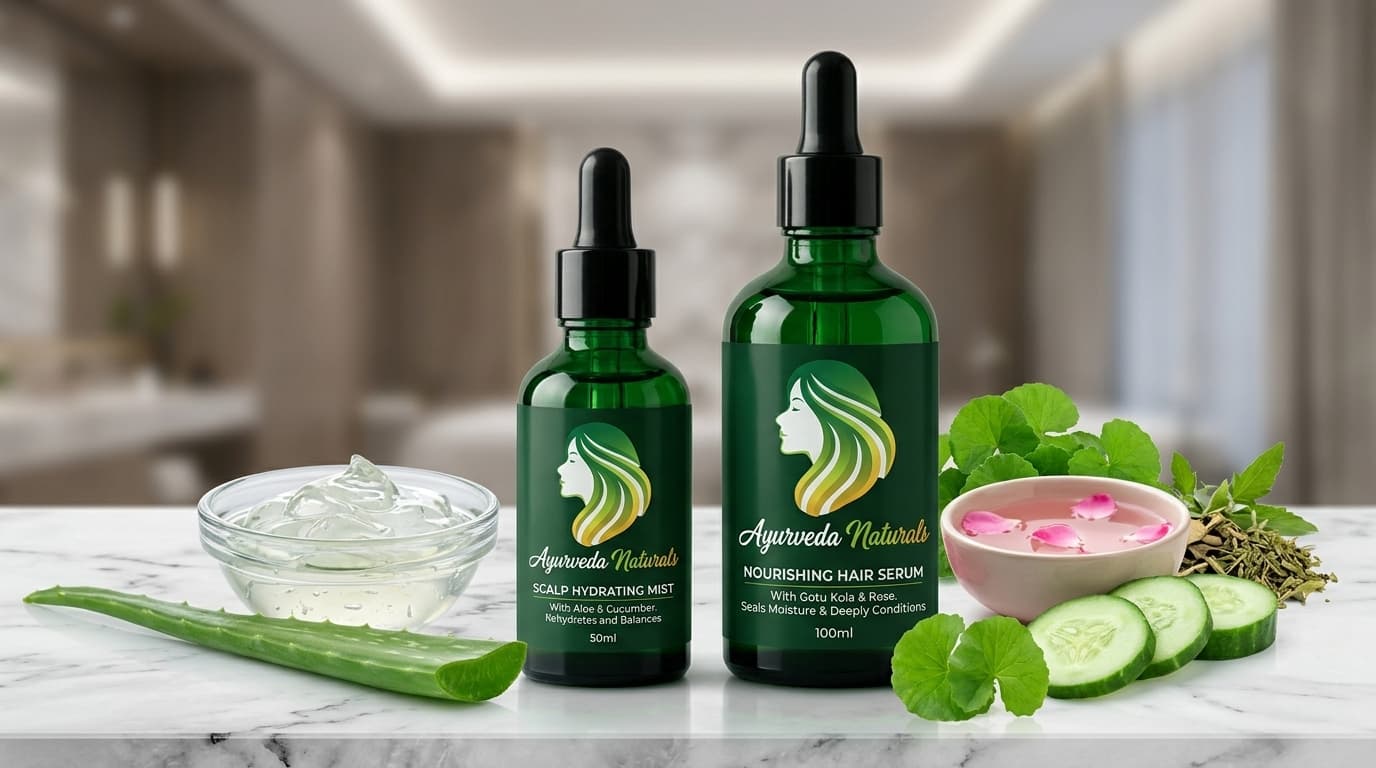
Direct Answer: Understanding how air conditioning dries out your scalp and hair comes down to the biophysics of artificial refrigeration: AC units act as heavy dehumidifiers, plunging indoor relative humidity to desert-like levels (20%–30%). This dry air triggers rapid Transepidermal Water Loss (TEWL) from the scalp and evaporates essential water molecules bound within the hair's keratin cortex. In Ayurveda, this causes acute Vata aggravation (cold and dry qualities) in the middle of summer, leading to tight, flaky scalps, compensatory oily roots, split ends, and severe mid-shaft breakage.
During the scorching summer months across urban hubs like Lahore, Karachi, Dubai, Riyadh, and modern metropolitan centers worldwide, air conditioning is considered an indispensable necessity for modern survival. We spend upwards of 16 to 20 hours a day encased in climate-controlled environments—moving seamlessly from refrigerated bedrooms to air-conditioned vehicles, and into chilly corporate offices. While this crisp, cool air provides welcome psychological relief from sweltering outdoor heat, it quietly inflicts severe, cumulative biophysical trauma on your scalp skin and hair fibers.
Most individuals notice a bizarre, frustrating set of symptoms during peak summer: despite the intense heat outside, their scalp feels unusually tight, itchy, and irritated, occasionally shedding small powdery white flakes. Simultaneously, their hair lengths become coarse, brittle, dull, and prone to static flyaways, while their roots paradoxically become uncomfortably greasy within hours of washing. When sufferers consult commercial beauty counters, they are often sold harsh clarifying shampoos or heavy synthetic styling serums that make the condition drastically worse. In this comprehensive master guide, we explore the deep biophysics and ancient Ayurvedic science of how air conditioning dries out your scalp and hair, providing you with actionable, natural restoration protocols to keep your hair lush, hydrated, and resilient.
The Biophysics of AC Dehydration: How Refrigeration Strips Moisture
To grasp why indoor air conditioning is so destructive to biological tissues, we must examine the thermodynamic principles of the vapor-compression refrigeration cycle. An air conditioning unit does not merely blow cold air into a room; its primary operational mechanism involves passing warm, ambient indoor air across an evaporator coil filled with cold refrigerant.
As the warm air contacts the freezing evaporator coils, its temperature drops rapidly below its dew point. Water vapor contained within the air condenses into liquid water on the cold metal surface, which is then drained outside through a pipe. In thermodynamics, this process is known as dehumidification. For every hour an air conditioner runs, it extracts liters of water vapor from the indoor atmosphere, causing indoor Relative Humidity (RH) to plummet from a healthy 50%–60% down to a desert-dry 20%–30%.
Human skin and hair are hygroscopic biological tissues, meaning they naturally exchange moisture with the surrounding atmosphere until a state of equilibrium is reached. When the ambient relative humidity falls to 20%, a steep vapor pressure deficit is created between your warm body and the thirsty indoor air. The consequences for your hair and scalp are catastrophic:
- Accelerated Transepidermal Water Loss (TEWL): Water molecules bound within the living stratum corneum of your scalp are physically drawn upward and evaporated into the dry room air. The intercellular lipid matrix of ceramides, cholesterol, and fatty acids dries out, resulting in micro-fissuring of the skin barrier.
- Depletion of Bound Cortical Water: Healthy hair fibers contain 10% to 15% water, which is structurally bound to the alpha-keratin proteins within the cortex. Dry AC air evaporates this bound water, causing the amorphous protein matrix to shrink, stiffen, and lose its natural elasticity.
- Cuticle Desiccation & Micro-Cracking: As the inner cortex shrinks from dehydration, the outer protective cuticle scales are subjected to severe inward mechanical tension, causing them to crack, lift, and chip off during routine combing.
- Static Electricity Accumulation: Dry air eliminates the microscopic conductive water layer on the hair surface. Without this moisture dissipation layer, electrostatic charges accumulate rapidly as hair strands brush against clothes or chairs, causing flyaway hairs and severe friction tangling.
The Scalp Paradox: Why AC Causes Oily Roots and Dry Ends
One of the most perplexing challenges people face in air-conditioned environments is the "Oily Scalp, Parched Ends" Paradox. Sufferers are often baffled: how can a scalp be dehydrated and excessively greasy at the exact same time?
The answer lies in your scalp's evolutionary defense mechanisms. When cold, refrigerated air continuously strips moisture from the epidermal surface, the scalp's cutaneous nerve endings detect a crisis of barrier desiccation. To prevent the skin from cracking and allowing pathogen entry, the brain sends emergency biochemical signals to the sebaceous glands to ramp up lipid synthesis.
The sebaceous glands respond by pumping out massive quantities of heavy, viscous sebum. However, because cold air causes the hair cuticles to contract and close irregularly, this thick sebum cannot travel down the hair shaft. Instead, the excess sebum pools heavily at the roots, suffocating follicular pores and providing a feast for opportunistic Malassezia yeast. Meanwhile, the long hair shafts—deprived of natural sebum distribution and starved of atmospheric humidity—remain bone-dry, frizzy, and brittle. Treating this condition by washing with harsh clarifying shampoos only strips the scalp further, triggering an even more violent rebound oil production cycle.
This localized barrier failure also alters the acid mantle (the natural protective film of sebum and lactic acid hovering between pH 4.5 and 5.5). When the acid mantle is compromised by rapid moisture evaporation, the scalp loses its natural defense against environmental allergens and microbial pathogens. This triggers subclinical micro-inflammation around the follicular bulb, manifesting as scalp tenderness, sensitivity, and gradual hair thinning.
Ayurvedic Pathophysiology: Artificial Vata-Pitta Imbalance & Thermal Shock
Classical Ayurvedic philosophy provides a profound, holistic explanation for the destructive nature of modern air conditioning. In Ayurveda, summer is designated as Grishma Ritu—a season naturally governed by the fiery, transformative energy of Pitta Dosha (Fire and Water elements). During Grishma Ritu, the sun's intense rays naturally draw moisture out of the earth and living beings.
However, when modern humans spend their summer enclosed in air-conditioned rooms, they subject their physiology to an unnatural, artificial micro-climate characterized by intense cold (Sheeta), extreme dryness (Ruksha), and lightness (Laghu). These are the exact, defining attributes of Vata Dosha (Air and Space elements). Consequently, the body experiences a dangerous, conflicting dual imbalance: Pitta aggravation from the external season and acute Vata aggravation from the indoor air conditioning.
The Danger of Krama Viruddha (Thermal Shock)
Furthermore, consider the physical shock of modern daily life: you step out of a 20°C air-conditioned office into 42°C outdoor humidity, and then back into an air-conditioned car. In Ayurveda, this abrupt, extreme fluctuation in temperature and environmental qualities is termed Krama Viruddha (lifestyle/environmental incompatibility).
Thermal shock causes rapid, violent alternating cycles of cutaneous vasodilation (capillary expansion in heat) and vasoconstriction (capillary narrowing in cold). This continuous vascular whipping exhausts the smooth muscle tissue of cranial blood vessels, severely diminishing the steady delivery of oxygen and nutrients via Rakta Dhatu (blood tissue) to the dermal papilla. Starved of nutrition and traumatized by thermal shock, hair follicles prematurely enter the telogen resting phase, leading to diffuse hair shedding and severe loss of tensile strength.
Depletion of Tarpaka Kapha & Cranial Dehydration
In Ayurvedic neuro-anatomy, the head and cranial cavity are lubricated by a specialized sub-dosha called Tarpaka Kapha. Tarpaka Kapha provides essential moisture, lipid cushioning, and grounding stability to the sensory organs, brain, and cranial nerve endings. Cold, dry air conditioning circulating around the head continuously exhausts Tarpaka Kapha. When this cranial moisture reservoir is depleted, individuals experience not only parched scalp skin and brittle hair, but also brain fog, tension headaches, insomnia, and heightened sensory anxiety.
Compounding Environmental Threats: Hard Water & Hot Showers
The dehydrating impact of air conditioning does not occur in a vacuum; it is heavily exacerbated by everyday domestic hair care practices. When an AC-dehydrated scalp is washed with mineral-heavy hard water or exposed to incorrect water temperatures, the structural destruction of the hair fiber is multiplied tenfold.
1. The Hard Water Mineral Crust
In many metropolitan regions, municipal tap water is heavily contaminated with dissolved calcium carbonate, magnesium, and toxic chlorides. When you wash AC-parched hair in hard water, these heavy positively charged metal ions bind aggressively to the negatively charged, dry hair shaft, creating an insoluble, concrete-like mineral coating. For a comprehensive survival blueprint on municipal water contamination, read our guide on how to protect hair from hard water damage Lahore Karachi.
2. Incorrect Water Temperatures
After spending a long day in a freezing air-conditioned office, many people make the grave mistake of stepping into a steaming, scalding hot shower. Hot water instantly melts away what little protective sebum remains on the scalp, opening cuticle scales wide and supercharging transepidermal moisture loss the moment you step back into an AC room. To discover the exact scientifically proven water temperatures for every wash stage, consult our master guide on the best temperature of water to wash hair.
The 6-Step Ayurvedic Defense Blueprint for AC Environments
You do not need to suffer through summer heat without air conditioning to have healthy, hydrated hair. By implementing these six Ayurvedic and biophysical protocols, you can completely insulate your scalp and tresses from indoor dehydration.
1. Ultrasonic Room Humidification (Target 45%–55% RH)
The most direct way to neutralize air conditioning dehydration is restoring moisture to your immediate indoor air. Place an ultrasonic cool-mist room humidifier in your bedroom and office workspace. Keep the unit running throughout the night while you sleep. Maintaining ambient indoor relative humidity between 45% and 55% stops Transepidermal Water Loss in its tracks, ensuring that water molecules remain locked inside your scalp stratum corneum and hair cortex.
2. Daytime Ayurvedic Hydrosol Spritzing (Pitta-Pacifying Mists)
Keep a small amber glass spray bottle of pure, steam-distilled botanical hydrosols on your office desk. Whenever your scalp feels tight or your hair appears dull and staticky, lightly spritz your head from a distance of 8 inches.
- Rose Water (Gulab Jal - Rosa damascena): Pure rose water has a natural pH of 5.5, perfectly matching the scalp's acid mantle. It delivers instant humectant hydration, constricts dilated pores, and calms Pitta heat.
- Vetiver Hydrosol (Khus - Chrysopogon zizanioides): Vetiver is celebrated in Ayurveda as one of the most profoundly cooling (Sheeta Virya) roots in nature. It extinguishes scalp burning, relieves stress tension, and locks in deep cellular moisture.
- Pure Aloe Vera Juice: Dilute fresh organic aloe vera juice with distilled water (1:1 ratio) to infuse acemannan polysaccharides that coat dry hair cuticles in a breathable moisture film.
- Sandalwood Water (Chandan): Delivers soothing anti-inflammatory sesquiterpenols that calm sensitive scalp nerve endings exposed to dry indoor drafts.
3. Biomimetic Pre-AC Lipid Shielding
Before entering high-powered air-conditioned environments, apply a microscopic barrier of biomimetic botanical lipids to seal your cuticles against moisture evaporation. Avoid heavy mineral oils; instead, utilize lightweight, cold-pressed oils with high concentrations of monounsaturated fatty acids:
- Cold-Pressed Sweet Almond Oil (Badam Taila): Exceptionally rich in Vitamin E, magnesium, and oleic acid, almond oil forms an ultra-thin, weightless protective film that prevents ambient dry air from extracting cortical water.
- Plant-Derived Squalane / Jojoba Oil: Jojoba liquid wax esters mimic human sebum with 97% molecular fidelity. Applying 2 drops to damp or dry hair lengths creates an impenetrable barrier against AC dehydration without leaving a greasy residue.
- Moringa Seed Oil: Rich in behenic acid, it glazes over frayed cuticles, smoothing out static charge and locking in cortex hydration for up to 24 hours.
4. Weekly Shiro Abhyanga & Intensive Dhatri Lepam
To rehabilitate cumulative AC damage, perform a deep, nourishing Ayurvedic hot oil massage (Shiro Abhyanga) twice a week. Warm a medicated herbal oil rich in Bhringraj (Eclipta alba), Brahmi (Bacopa monnieri), and Amla (Phyllanthus emblica) to 38°C. Massage deeply into the scalp for 15 minutes, stimulating cranial Marma points (Adhipati and Simanta) to restore microcapillary blood flow.
Follow your oil massage with a weekly hydrating Dhatri Lepam (Amla-Yogurt-Fenugreek mask) to infuse bio-proteins and lactic acid directly into desiccated hair roots. For the ultimate clinical-grade restoration protocol combining 100% pure cold-pressed oils and restorative herbal shampoos, explore the complete Ayurveda Naturals Ultimate Haircare Bundle.
5. Nighttime Silk Protection
Sleeping in an air-conditioned room on standard cotton pillowcases creates a disastrous "moisture-wicking vortex." The dry AC air dehydrates the cotton fabric, which in turn acts like a thirsty sponge, violently sucking moisture and natural oils out of your hair while you sleep. Replace cotton pillowcases with 100% pure Mulberry Silk or high-grade satin, or tuck your hair into a silk sleeping bonnet. Silk is non-absorbent, frictionless, and preserves your hair’s vital lipid bilayer throughout the night.
6. Internal Hydration & Ojas-Building Nutrition
Drinking icy cold water from the office dispenser will not hydrate an AC-parched scalp; cold liquids extinguish digestive fire (Mandagni), constrict peripheral blood vessels, and exacerbate internal Vata dryness. Follow these Ayurvedic dietary rules to hydrate from the cellular level up:
- Warm Herbal Water Infusions: Sip warm water infused with fennel seeds (Saunf), coriander seeds (Dhania), and licorice root (Yashtimadhu) throughout the workday. This combination cools internal Pitta while lubricating dry Vata channels.
- Daily Healthy Fats (Ghrita): Consume 1 to 2 teaspoons of pure A2 cow's ghee with your lunch daily. Ghee directly nourishes Majja Dhatu and Asthi Dhatu, providing the essential building blocks for thick, hydrated hair growth.
- Fresh Coconut Water (Narikela Jala): Drink one glass of fresh, room-temperature tender coconut water daily. Packed with natural electrolytes, potassium, and lauric acid, it hydrates biological tissues faster than plain water.
- Soaked Sweet Almonds & Black Raisins: Eat 5 blanched almonds and 10 soaked black raisins every morning to build vital biological essence (Ojas) and fortify hair roots against environmental stress.
- Basil Seeds (Sabja / Tukhm-e-Balanga): Soak 1 teaspoon of basil seeds in a glass of water with a dash of rose syrup; these mucilaginous seeds act as natural internal humectants, cooling internal heat and hydrating deep bodily tissues.
Comparison: Indoor AC Damage vs. Outdoor Sun & Heat Damage
To clearly distinguish how indoor air conditioning affects your hair compared to outdoor solar radiation, review the following scientific comparison.
| Parameter | Indoor Air Conditioning Damage | Outdoor Sun & Heat Damage |
|---|---|---|
| Primary Environmental Trigger | Artificial dehumidification, low RH (20%–30%), cold refrigerated air | Direct Ultraviolet (UVA/UVB) radiation, high heat, solar oxidation |
| Biophysical Impact on Scalp | Severe TEWL, stratum corneum micro-fissures, compensatory sebum overproduction | Photochemical sunburn, erythema, scalp inflammation, sweat buildup |
| Impact on Hair Fiber Keratin | Evaporates bound water in cortex; causes brittle contraction and mid-shaft snapping | Cleaves cystine disulfide bonds; bleaches melanin, causing color fading |
| Primary Doshic Imbalance | Acute Vata Aggravation (Cold, Dry, Rough) inside Pitta season | Severe Pitta Aggravation (Hot, Sharp, Caustic) |
| Visible Hair Symptoms | Flaky tight scalp, greasy roots, parched straw-like ends, static flyaways | Brassy discolored hair, frayed split ends, rough porous cuticles, sun thinning |
| Cranial Nervous System Impact | Depletes Tarpaka Kapha, triggers tension headaches, sensory dryness | Overheats Sadhaka Pitta, causes irritability, physical fatigue |
| Primary Ayurvedic Countermeasure | Warm unctuous Snehana (Sesame/Almond oil), room humidification, rose hydrosol | Cooling Pitta-pacifying lepams (Amla, Sandalwood, Coconut milk), UV oil barriers |
The Ultimate 24-Hour AC Protection Schedule
To keep your hair fully protected throughout long workdays and refrigerated nights, implement this structured 24-hour daily rhythm.
| Time of Day | Specific Protective Action | Targeted Biological Benefit |
|---|---|---|
| Morning (7:30 AM) | Apply 2 drops of Sweet Almond or Jojoba oil to hair mid-lengths and ends before leaving home; drink 1 glass of warm fennel-infused water. | Establishes a weightless hydrophobic barrier to prevent cortical moisture extraction during morning commutes and office AC exposure. |
| Midday (1:00 PM) | Consume 1 teaspoon of pure cow's ghee with a warm lunch; lightly spritz scalp and hair lengths with pure Rose Water / Khus hydrosol at your desk. | Delivers instant humectant cellular hydration, calms Pitta irritation, and neutralizes static charge without leaving greasiness. |
| Evening (7:00 PM) | Gently detangle hair with a wide-toothed Neem wooden comb; drink a glass of room-temperature coconut water or soaked basil seed drink. | Distributes natural scalp sebum evenly down the desiccated hair shaft and restores essential cellular electrolytes. |
| Night (10:30 PM) | Turn on the ultrasonic bedroom humidifier (target 50% RH); wrap hair in a 100% pure Mulberry silk bonnet or rest on a silk pillowcase. | Eliminates overnight transepidermal water loss and prevents cotton fabric friction from stripping vital lipid bilayers while you sleep. |
Frequently Asked Questions (FAQ)
How does air conditioning dry out your scalp and hair?
Air conditioning dries out your scalp and hair by acting as an industrial dehumidifier. As the AC cools the air, it strips atmospheric moisture, dropping indoor relative humidity to 20%–30%. This low-humidity environment pulls water out of the scalp's stratum corneum and the hair's keratin cortex via rapid Transepidermal Water Loss (TEWL), causing flaky tightness, brittle strands, and split ends.
Why does air conditioning make your roots oily but hair ends dry?
This occurs due to a compensatory sebaceous reflex. When refrigerated AC air aggressively dehydrates the scalp's surface barrier, the sebaceous glands panic and overproduce sebum to lubricate the skin. However, this heavy sebum cannot travel down the long, damaged hair shafts, resulting in an oily, greasy scalp paired with parched, straw-like ends.
How does Ayurveda explain the health impact of air conditioning on hair?
In Ayurveda, air conditioning creates an artificial micro-climate of intense cold (Sheeta) and extreme dryness (Ruksha). This directly aggravates Vata dosha during the hot summer (Pitta season). Furthermore, constantly shifting between 40°C outdoor heat and 20°C refrigerated indoor air creates thermal shock (Krama Viruddha), depleting the scalp's natural lubrication (Tarpaka Kapha) and starving hair follicles.
What can you do to protect your hair while sleeping with the AC on?
To protect your hair overnight in an AC room, run an ultrasonic cool-mist humidifier to keep bedroom humidity at 45%–55%, apply 2 drops of jojoba or almond oil to dry ends before bed, and sleep on a 100% pure Mulberry silk pillowcase or wear a silk bonnet to prevent overnight moisture evaporation and friction.
Does misting hair with rose water help prevent AC dryness?
Yes, spritzing your hair and scalp with pure, distilled Rose Water (Gulab Jal) or Vetiver (Khus) hydrosol infuses natural cellular hydration, calms Pitta-induced inflammation, and restores optimal scalp pH without leaving a greasy or sticky residue during the workday.
How often should you oil your hair if you work in an air-conditioned office?
If you spend 8+ hours daily in air-conditioned environments, perform a warm Ayurvedic oil massage (Shiro Abhyanga) 2 to 3 times a week using a nourishing herbal oil containing Bhringraj, Amla, and Brahmi. This reinforces the lipid barrier and replaces the ceramides stripped by dry indoor air.
Can air conditioning cause increased hair shedding and hair loss?
Yes, chronic AC-induced dehydration weakens the follicular anchorage, while thermal shock from temperature fluctuations constricts cranial microcapillaries. Combined with brittle hair shafts that snap midway, prolonged exposure to refrigerated air significantly increases both root shedding and breakage.
What internal drinks protect the body from AC-induced dehydration?
Combat internal AC dryness by drinking warm water infused with fennel and licorice, fresh coconut water (rich in potassium and electrolytes), soaked basil/sabja seed drinks, and taking 1 teaspoon of pure cow's ghee daily to lubricate internal bodily tissues (Dhatus).
Rehydrate and Protect Your Hair From AC Dehydration
Do not let artificial refrigerated air drain the vitality and luster from your hair. Rebuild your scalp’s lipid barrier and nourish parched strands with the complete, all-in-one Ayurvedic care system.
Get the Ultimate Ayurvedic Haircare BundleComplete 3-Step System • 100% Pure Botanicals • Cash on Delivery Available
Ready to stop hair fall naturally?
Don't wait until it's too late. Experience the proven magic of our 100% organic, wild-harvested Ayurvedic formulations and start seeing real results in 14 days.
Free Shipping + Cash on Delivery