
Best Temperature Of Water To Wash Hair
The Ultimate Guide to the Best Temperature Of Water To Wash Hair
Introduction: Why Does the Best Temperature Of Water To Wash Hair Even Matter?
When it comes to establishing a flawless, effective hair care routine, most individuals spend an inordinate amount of time and money researching the perfect shampoos, deeply hydrating conditioners, and advanced styling products available on the market. However, there is one foundational element that is almost universally overlooked despite its massive, undeniable impact on scalp health and hair vitality: the water temperature. Specifically, determining the exact best temperature of water to wash hair is a critical decision that can either elevate your entire hair care regimen to professional salon levels or completely undermine the efficacy of those expensive products you have carefully invested in. The water temperature you consistently select directly influences the structural integrity of your hair cuticles, the moisture retention capabilities of your individual strands, and the overall delicate balance of your scalp's natural microbiome.
In this exhaustive, definitive, and scientifically backed guide, we will explore the underlying science of human hair structure, dissect the precise physiological and chemical effects of various water temperatures, and ultimately reveal the best temperature of water to wash hair for every conceivable hair type, texture, and porosity level. Whether you are constantly battling uncontrollable frizz, dealing with excessive oil production at the roots, or desperately trying to preserve an expensive color treatment, understanding the best temperature of water to wash hair will serve as the absolute cornerstone of your journey toward achieving consistently healthy, radiant, and resilient hair for years to come.
Understanding Human Hair Structure: The Foundation of Temperature Sensitivity
Before we can definitively identify the best temperature of water to wash hair, it is absolutely essential to comprehend the basic anatomical structure of a single hair strand. Without this biological context, recommendations regarding water temperature are merely anecdotal. A hair shaft is composed of three distinct, concentric layers: the medulla, the cortex, and the cuticle.
The Anatomy of a Hair Strand
The medulla is the innermost core, which is often completely absent in fine or naturally blonde hair, making it the least structurally significant layer for the purposes of daily washing. Surrounding the medulla is the cortex, which comprises the vast majority of the hair's mass. The cortex contains the melanin pigments that provide your hair with its unique natural color, as well as the dense bundles of keratin proteins that determine the hair's structural strength, elasticity, shape, and overall texture. Finally, the outermost layer is the cuticle, a microscopic series of overlapping, scale-like cells (similar in appearance to the shingles on a roof) that serve as the primary defensive barrier for the delicate inner structures of the hair shaft.
The cuticle is highly reactive to environmental stimuli, most notably moisture and thermal changes. When the cuticle is exposed to elevated temperatures, these microscopic scales swell and lift outward, allowing moisture and chemical agents to penetrate deeply into the cortex. Conversely, when exposed to cooler temperatures, the scales rapidly contract and lay flat, sealing the inner layers and reflecting ambient light to create a glossy, shiny appearance. This fundamental physiological reaction is the primary reason why identifying the best temperature of water to wash hair is not merely a matter of personal comfort, but a scientifically validated necessity for maintaining structural integrity and preventing long-term mechanical damage.
How Porosity Dictates the Best Temperature Of Water To Wash Hair
To further contextualize why the best temperature of water to wash hair is such a critical consideration, we must delve deeper into the cuticle's role in moisture retention, a concept commonly referred to as hair porosity. Healthy hair relies on an extremely delicate balance of internal hydration and natural lipid production (sebum) from the scalp's sebaceous glands. Porosity is a spectrum that ranges from low to high, and it plays a massive role in how your hair interacts with water and temperature.
Low porosity hair features a tightly bound cuticle layer that vigorously resists moisture penetration. For this specific hair type, utilizing slightly warmer water can be highly beneficial, as it gently coaxes the stubborn cuticle to open, allowing moisturizing conditioners and intensive treatments to penetrate effectively into the cortex. Conversely, high porosity hair already possesses a chronically raised, damaged, or completely missing cuticle layer, often due to chemical processing, excessive heat styling, or environmental wear and tear. For individuals battling with high porosity, discovering the best temperature of water to wash hair almost always points toward cooler spectrums. Cool water helps to rapidly seal whatever remains of the cuticle, lock in any available moisture, and prevent the hair from becoming structurally compromised, waterlogged, and overly fragile during the mechanical stress of the washing process.
The Pros and Cons of Hot Water for Hair Washing
Many individuals instinctively gravitate toward scorching hot showers, finding the enveloping warmth deeply relaxing and therapeutic after a long, stressful day, particularly in colder climates. However, while hot water may provide significant psychological comfort and muscular relaxation, its physiological effects on your hair and scalp are significantly more complex and, in many cases, highly detrimental. Understanding these effects is a crucial component of determining the best temperature of water to wash hair.
The Specific Benefits of Using Hot Water
It would be scientifically inaccurate to claim that hot water is entirely devoid of benefits in the context of human hygiene. In fact, elevated temperatures excel at dissolving and emulsifying persistent accumulations of dirt, environmental pollutants, dead skin cells, and stubborn product buildup. If you frequently use heavy, occlusive styling products such as waxes, pomades, silicone-based serums, or aerosol dry shampoos, hot water functions as an incredibly effective solvent. It forcefully opens the cuticle layer, allowing your clarifying shampoo to penetrate deeply and extract microscopic impurities that might otherwise suffocate the hair follicle and inhibit healthy hair growth over time.
Furthermore, hot water acts as a potent vasodilator, stimulating increased blood circulation to the superficial capillaries of the scalp. Enhanced blood flow means a greater, more rapid delivery of vital oxygen, essential nutrients, and amino acids to the hair follicles, which can hypothetically promote more robust and accelerated hair growth. Therefore, when attempting to define the best temperature of water to wash hair, one must acknowledge that hot water has a specific, albeit highly limited, utility for deep, occasional cleansing and circulatory stimulation.
The Severe Drawbacks of Hot Water on Hair and Scalp
Despite these very specific cleansing benefits, the disadvantages of consistently washing your hair with hot water heavily outweigh the advantages, which is exactly why dermatologists and certified trichologists rarely recommend it as the best temperature of water to wash hair. Hot water acts as a harsh, aggressive astringent, rapidly stripping the scalp and hair shafts of their natural, protective lipid barrier (sebum). Without this crucial layer of sebum, the hair immediately becomes dehydrated, brittle, and highly prone to snapping under minimal mechanical tension, such as routine brushing or styling.
Furthermore, the aggressive removal of natural oils triggers a compensatory, panic-like reaction from the scalp's sebaceous glands, leading them to produce sebum in extreme overdrive. This paradoxical effect means that washing with excessively hot water can actually cause your hair to become significantly greasier much faster, trapping you in an endless, frustrating cycle of daily washing that further degrades the hair's structural integrity. Additionally, for individuals with color-treated hair, hot water is the absolute worst enemy. The extreme thermal expansion of the hair cuticle allows the artificially deposited pigment molecules to rapidly leach out and wash straight down the drain, resulting in premature fading, significant loss of vibrancy, and an unappealing, brassy undertone. Consequently, it is an undeniable scientific fact that scorching hot water is definitively not the best temperature of water to wash hair under any normal, daily circumstances.

The Pros and Cons of Cold Water for Hair Washing
On the completely opposite end of the thermal spectrum is cold water, a temperature range that is frequently touted by beauty influencers, professional stylists, and holistic wellness experts as the holy grail of hair care. The "cold water rinse" has become a ubiquitous piece of advice in the modern beauty community, but is cold water truly the best temperature of water to wash hair for the entirety of your shower routine? Let us examine the empirical evidence.
Why Cold Water Can Be Highly Beneficial
The primary and most celebrated benefit of cold water is its profound ability to rapidly constrict and seal the hair cuticle. When you subject your hair to cold water, the overlapping scales of the cuticle lay perfectly flat and tight against the hair shaft. This physiological response effectively seals in the moisture, proteins, and nutrients deposited by your conditioner, trapping hydration exactly where it is needed most. A smooth, closed cuticle also creates a highly reflective, mirror-like surface, which translates visually to incredibly shiny, glossy, and vibrant hair.
Furthermore, by firmly locking the cuticle, cold water significantly reduces internal friction between individual hair strands. Less friction means a dramatic reduction in tangles, knots, and the development of unmanageable frizz, especially in highly humid environments. For those concerned with preserving expensive color treatments, cold water is absolutely essential; by keeping the cuticle tightly closed, it prevents the artificial color molecules from escaping, thereby extending the life and brilliance of your dye job by weeks or even months. Finally, cold water is highly beneficial for the overall health of the scalp ecosystem. It does not strip away the natural sebum, thus maintaining a balanced, healthy scalp microbiome and drastically reducing the likelihood of inflammatory conditions such as dandruff, seborrheic dermatitis, and chronic dry, itchy scalp.
The Negative Effects of Using Exclusively Cold Water
Despite these seemingly miraculous, heavily publicized benefits, cold water is not without its significant drawbacks, which severely complicates its status as the absolute best temperature of water to wash hair. The most glaring issue is that cold water is an exceptionally poor solvent. It severely lacks the necessary thermal energy required to effectively break down and emulsify heavy product buildup, excess sebum, and accumulated environmental grime.
If you were to conduct your entire washing routine using strictly cold water, your hair would likely remain coated in a microscopic layer of residue, leaving it feeling heavy, limp, and fundamentally unclean. Your shampoo would simply fail to lather properly, and its active cleansing surfactants would not be able to perform their intended chemical functions. Furthermore, cold water acts as a potent vasoconstrictor, causing the capillaries in the scalp to shrink rapidly and reducing vital blood flow to the hair follicles. Chronic reduction in scalp circulation could theoretically impede the delivery of nutrients necessary for optimal hair growth and density over an extended period. Therefore, while cold water is an excellent, unparalleled finishing step, it is functionally inadequate to serve as the exclusive best temperature of water to wash hair throughout the entire cleansing and lathering process.
Finding the Sweet Spot: The Best Temperature Of Water To Wash Hair
If hot water is too damaging and cold water is too ineffective for actual cleansing, what is the viable solution? The overwhelming consensus among dermatologists, trichologists, and professional stylists is abundantly clear: the definitive best temperature of water to wash hair is not a single, static temperature from start to finish, but rather a strategic, two-step thermal approach that intelligently leverages the specific scientific benefits of both warm and cold water in sequence.
The Warm Water Cleanse Phase
The first crucial phase of the optimal hair washing routine dictates that the initial wetting, lathering, shampooing, and rinsing should be conducted using explicitly lukewarm water. Warm water—specifically water that is comfortably warm to the touch, roughly around human body temperature (98°F to 100°F or 36°C to 38°C)—strikes the perfect, delicate balance. It provides just enough thermal energy to gently open the hair cuticle and emulsify excess sebum, dirt, and product buildup without aggressively stripping the scalp of its vital, protective lipid layer.
This moderate, balanced temperature allows the surfactants in your chosen shampoo to effectively penetrate and thoroughly cleanse the hair shaft and the scalp surface. By utilizing lukewarm water, you ensure that your hair is genuinely, deeply clean, preparing a pristine canvas for the subsequent conditioning step to work its magic. When determining the best temperature of water to wash hair for the active cleansing phase, lukewarm water is the undeniable, scientifically backed champion, offering maximum efficacy with minimal structural damage.
The Cold Water Rinse Technique
The second and equally vital phase of the routine involves the application of conditioner and the absolute final rinse before exiting the shower. After you have thoroughly cleansed the hair with lukewarm water, you should apply your conditioner, focusing primarily on the mid-lengths and ends where moisture is most desperately needed. Once the conditioner has had sufficient time (usually 3 to 5 minutes) to penetrate and perform its restorative functions, it is time to deploy the secret weapon: the cold water rinse.
You should dramatically lower the water temperature to the coolest setting you can comfortably tolerate and thoroughly rinse out the conditioner. This sudden, deliberate drop in temperature instantly shocks the hair cuticle, forcing it to snap shut tightly, locking in the hydration, smoothing the outer layer of the hair shaft, and preparing the hair to reflect massive amounts of light. This two-step process—warm water for effective cleansing followed immediately by cold water for optimal sealing—is universally recognized by hair care professionals globally as the absolute best temperature of water to wash hair. This methodology provides the deep clean associated with warmer temperatures while simultaneously delivering the incredible shine, profound frizz reduction, and robust moisture retention benefits characteristic of colder temperatures.

How Different Hair Types Should Approach Water Temperature
While the warm-to-cold methodology is generally considered the universal, gold standard for the best temperature of water to wash hair, it is critical to acknowledge that human hair is not a monolithic entity. Different hair types, textures, densities, and chemical histories require specific, nuanced modifications to this general rule in order to achieve truly optimal results and maintain peak structural health.
Fine, Thinning, and Delicate Hair
Individuals with fine or thinning hair possess strands with a significantly smaller overall diameter, making them inherently more fragile and highly susceptible to both mechanical breakage and thermal damage. For this specific demographic, the best temperature of water to wash hair skews slightly cooler than the average recommendation. Hot water will absolutely decimate fine hair, leaving it looking incredibly flat, limp, lifeless, and devoid of any natural volume or bounce.
Furthermore, fine hair tends to become visibly greasy much faster because the sebum produced by the scalp travels down the thin hair shaft more rapidly without any texture to slow it down. Therefore, using barely lukewarm water (bordering on cool) for cleansing and a strictly ice-cold rinse is paramount to preserving maximum volume, preventing rapid, excess oil production, and fiercely protecting the delicate, fragile structure of fine hair strands.
Thick, Coarse, and Curly/Coily Hair
Thick, coarse, and naturally curly or coily hair types (such as type 3 and type 4 hair) present a completely different set of structural challenges. These hair types are notoriously prone to chronic, severe dryness because the natural sebum produced at the scalp has a very difficult time traveling down the twists, sharp turns, and tight spirals of the hair shaft. Consequently, the cuticle layer often remains slightly lifted and parched, leading to massive frizz and rapid moisture loss.
For thick and curly hair, the best temperature of water to wash hair is solidly in the warmer category for the cleansing and deep conditioning phases. The warm water is absolutely essential for opening the highly resilient cuticle layer to allow heavy, deeply hydrating conditioners, penetrating oils, and nourishing hair masks to penetrate the cortex fully. However, the cold water rinse remains an absolutely non-negotiable step. Without the freezing cold water to aggressively seal the cuticle afterward, curly hair will immediately lose that newly acquired moisture to the atmosphere, resulting in a halo of uncontrollable frizz and undefined, messy curls. In short, curly hair needs the heat to receive moisture, and the cold to retain it.
Chemically Treated and Color-Treated Hair
If you invest significant time and financial resources into coloring, highlighting, relaxing, or bleaching your hair, your approach to the best temperature of water to wash hair must be extremely rigid and uncompromising. Color-treated and chemically processed hair is structurally compromised by definition; the bleaching and dyeing processes forcefully open the cuticle to strip or deposit pigment, often leaving the cuticle permanently slightly raised, highly porous, and vulnerable.
Hot water is a literal death sentence for expensive color treatments. The heat causes the already vulnerable cuticle to expand further, allowing the artificial pigment molecules to rapidly escape and wash away. To preserve vibrancy, prevent premature, rapid fading, and extend the longevity of your color, the best temperature of water to wash hair is the coolest temperature you can possibly tolerate for the entire process. While you may use slightly lukewarm water for the initial, very brief cleanse, the vast majority of the routine, especially the final rinse, must be conducted with cold water to keep those precious pigment molecules securely locked inside the cortex.
Ayurvedic Perspectives on the Best Temperature Of Water To Wash Hair
The ancient Indian holistic healing system of Ayurveda offers profound, highly detailed, and time-tested insights into daily hygiene practices, including comprehensive hair care regimens. Ayurvedic principles heavily emphasize the maintenance of delicate balance within the body's subtle energies, known as Doshas (Vata, Pitta, and Kapha). According to classic Ayurvedic texts, the head is considered a highly sensitive, vital region containing numerous energy points (Marmas), and exposing it to extreme temperatures is strongly discouraged.
Balancing the Doshas During the Hair Washing Ritual
In traditional Ayurvedic medicine, the best temperature of water to wash hair is unequivocally room temperature or slightly lukewarm water, never extreme hot or extreme cold. Hot water applied directly to the scalp is believed to severely aggravate the Pitta dosha (the fire element), leading to increased heat in the body, premature graying, thinning hair, excessive shedding, and a chronically inflamed, irritated scalp. Conversely, excessively cold water can aggravate the Vata dosha (the air element), causing constriction, severe dryness, flaking, and a lack of proper, healthy circulation.
Ayurveda teaches that maintaining a moderate, lukewarm temperature preserves the delicate balance of the scalp's ecosystem, promotes healthy, steady blood flow without causing overstimulation, and fiercely protects the integrity of the hair follicles. Therefore, when viewing the question of the best temperature of water to wash hair through an authentic Ayurvedic lens, the answer perfectly aligns with modern dermatological advice: absolute moderation and avoidance of extremes is the key to long-term health.
Natural Herbs and the Interplay with Water Temperatures
Authentic Ayurvedic hair care often involves the frequent use of potent botanical powders such as Shikakai, Reetha (soapnut), Amla (Indian gooseberry), Neem, and Brahmi. When mixing these herbal pastes or utilizing them as natural, non-toxic cleansers in place of commercial shampoos, the best temperature of water to wash hair and rinse out these treatments is strictly lukewarm. The gentle warmth helps to fully activate the saponins (the natural, foaming cleansing agents) present in Reetha and Shikakai without destroying the highly volatile essential oils, antioxidants, and heat-sensitive nutrients contained within the herbs.
Using boiling water to mix these herbs will destroy their potency, while using freezing water will fail to activate their cleansing properties. A final cool rinse can then be used to close the cuticle and impart a natural, vibrant shine, demonstrating that ancient Eastern wisdom and modern Western science often arrive at the exact same, irrefutable conclusions regarding optimal hair care practices.
Common Myths About Hair Washing and Water Temperature
In the modern age of viral social media trends, conflicting beauty advice on TikTok, and endless internet forums, numerous pervasive myths regarding the best temperature of water to wash hair have proliferated. This misinformation frequently leads to widespread confusion and the adoption of highly suboptimal, damaging hair care routines.
Myth vs. Fact: Debunking Bad Advice
Myth 1: You must wash your hair with scalding hot water to "kill bacteria."
Fact: This is entirely, dangerously false. The temperature required to actually kill bacteria on contact (typically boiling water at 212°F or 100°C) would cause severe, life-threatening third-degree burns to your scalp long before it sterilized anything. The cleansing action of your shampoo's surfactants, combined with the mechanical friction of your fingertips, is what physically removes bacteria, sebum, and impurities. The thermal heat of the water plays a very minor role in actual sanitation. Therefore, scalding hot water is absolutely never the best temperature of water to wash hair.
Myth 2: Freezing cold water makes your hair grow significantly faster.
Fact: While cold water is excellent for sealing the cuticle and preventing breakage (which helps you retain length over time, giving the illusion of faster growth), it does not directly accelerate the biological, cellular rate of hair growth from the follicle itself. Hair growth is primarily determined by genetics, internal nutrition, hormonal balance, and overall physical health, not by freezing your scalp to the point of numbness.
Myth 3: You should switch temperatures randomly and frequently during the shower to "confuse" the hair.
Fact: Inconsistency is the ultimate enemy of healthy hair. Rapidly fluctuating back and forth between extreme hot and extreme cold can cause severe structural fatigue to the cuticle layer over time, similar to how metal weakens when rapidly heated and cooled. The established warm-to-cold sequence is the only logically and scientifically sound method for determining the best temperature of water to wash hair.
The Ultimate Step-by-Step Guide for the Optimal Hair Washing Routine
To fully synthesize all of this extensive information into an actionable, daily regimen, here is the definitive, step-by-step protocol utilizing the best temperature of water to wash hair for maximum health, blinding shine, and robust structural resilience:
- Pre-Shower Preparation: Before even stepping into the shower, gently detangle your hair with a wide-tooth comb or a dedicated detangling brush to minimize breakage when the hair is wet, swollen, and at its most vulnerable.
- The Warm Wet Down: Adjust your shower to a comfortable lukewarm setting (around 98°F to 100°F). Thoroughly saturate your hair from root to tip. This lukewarm temperature is the best temperature of water to wash hair during the initial phase, as it gently opens the cuticle and loosens dirt without stripping the scalp.
- Targeted Shampooing: Emulsify a quarter-sized amount of high-quality shampoo in your hands and massage it exclusively into your scalp using the pads of your fingers. Do not use your nails. Allow the suds to gently wash down the lengths of your hair without harshly scrubbing the fragile ends.
- The Warm Rinse: Rinse the shampoo out completely using the exact same lukewarm water. Ensure absolutely no residue remains on the scalp, as leftover shampoo can cause severe irritation and flaking.
- Strategic Conditioning: Apply your conditioner strictly from the mid-lengths down to the extremely fragile ends. Do not apply conditioner directly to the scalp, as this can cause rapid oil accumulation, clog follicles, and weigh down the roots, destroying volume.
- The Mandatory Cold Shock: Now, lower the water temperature to the coolest setting you can possibly stand. This is the crucial, magical final step in utilizing the best temperature of water to wash hair. Thoroughly rinse out the conditioner with the cold water for at least 30 to 60 seconds. You will literally feel the hair become noticeably smoother and more slippery as the cuticle aggressively seals shut under your fingers.
- Gentle Drying: Gently squeeze excess water from your hair. Never wring or twist the hair. Use a microfiber towel or a soft cotton t-shirt to gently blot it dry. Never rub aggressively with a traditional terrycloth towel, as this causes immense friction, immediate frizz, and long-term breakage.
Ready to Transform Your Hair Naturally?
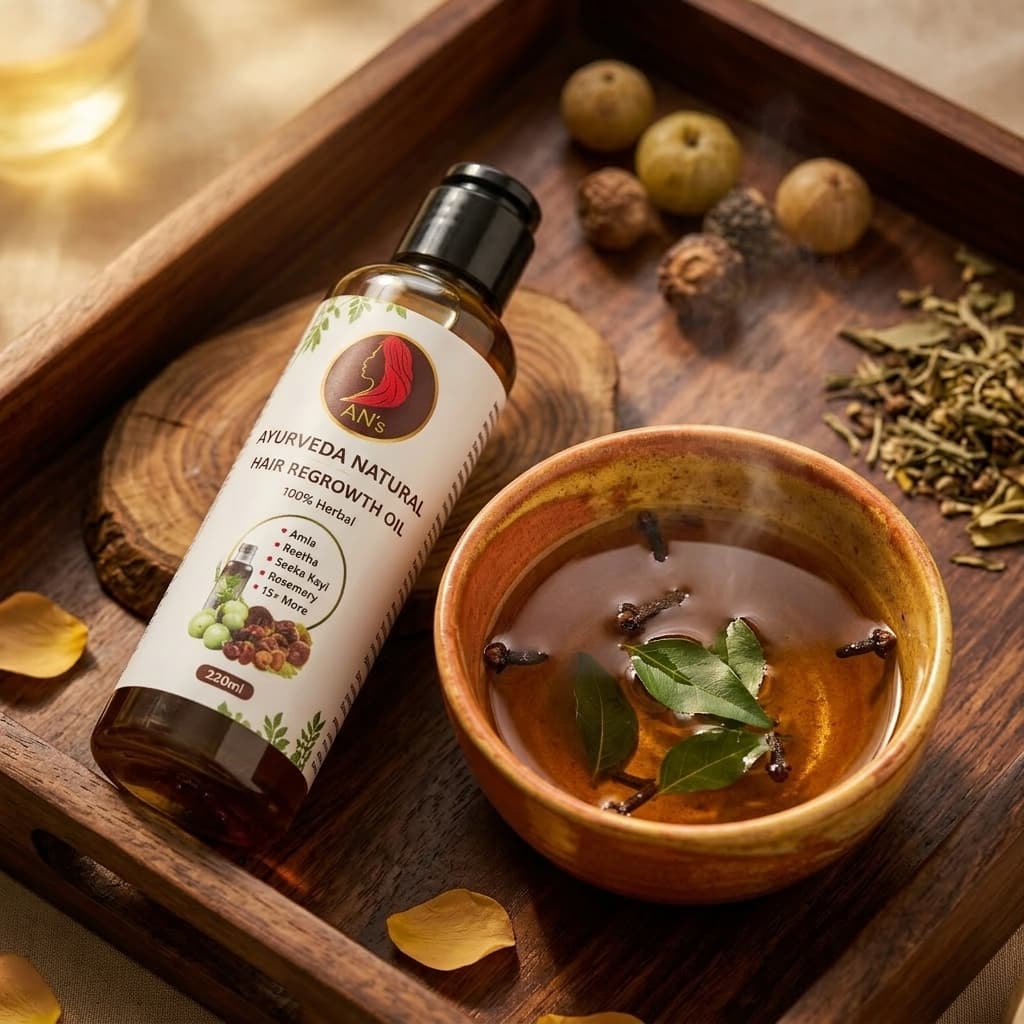
Explore our 100% organic Ayurvedic haircare range crafted with 15+ potent herbs.
Hair Regrowth Oil · Purifying Hair Shampoo · Ultimate Haircare Bundle
Frequently Asked Questions (FAQ)
Q: How often should I utilize the best temperature of water to wash hair technique?
A: You should employ the warm-cleanse, cold-rinse methodology every single time you wash your hair, without fail. Consistency is the primary, unavoidable driver of long-term structural improvement and visible hair health.
Q: Will washing my hair with cold water entirely cure my frizz once and for all?
A: While a cold water rinse is a powerful, effective tool for sealing the cuticle and significantly reducing surface frizz, it is not a magical, overnight cure-all. Frizz is also heavily influenced by your local climate, your hair's inherent genetic porosity, and the specific hydrating leave-in products you use post-shower to block atmospheric humidity.
Q: I live in a freezing climate during the winter; do I really have to use ice-cold water?
A: If a freezing cold rinse is completely intolerable and causes physical pain during the winter months, you can definitely compromise by using slightly cool or room-temperature water. The primary objective is simply to create a distinct, noticeable temperature drop from the lukewarm cleansing water to encourage the cuticle to lay flat. It does not need to be painfully icy to be highly effective.
Conclusion: Committing to the Best Temperature Of Water To Wash Hair
In conclusion, the lifelong quest to discover the absolute best temperature of water to wash hair does not end with a single, universally applicable number on a thermometer. It is a nuanced, scientifically grounded process that requires an in-depth understanding of your own hair anatomy, your specific porosity level, and the chemical mechanics of cleansing. By definitively abandoning scalding hot water and permanently adopting the professional two-step method—utilizing lukewarm water for thorough, gentle cleansing and concluding with a revitalizing cold water rinse for massive cuticle sealing—you are making a profound, long-term investment in the health of your hair.
This strategic, thoughtful approach to the best temperature of water to wash hair guarantees maximum moisture retention, brilliant natural shine, vastly extended color longevity, and robust structural resilience against breakage. Stop treating water temperature as an afterthought. Implement this optimal thermal routine today, be consistent with the process, and watch over the coming weeks as your hair transforms into its healthiest, most vibrant, and most manageable state ever. The best temperature of water to wash hair is ultimately the temperature that respects your hair's delicate biology, and that is a combination of warm and cool.
| Water Temperature | Physiological Effect on Hair Cuticle & Scalp | Best Used For / Recommendation |
|---|---|---|
| Hot Water (Over 105°F / 40°C) |
Forces cuticle wide open, aggressively strips natural sebum, causes extreme thermal expansion and inflammation. | Absolutely nothing in a standard routine. Avoid at all costs to prevent severe dehydration, breakage, and rapid color fading. |
| Warm / Lukewarm (98°F - 100°F / 36°C - 38°C) |
Gently opens the cuticle, effectively emulsifies dirt, sweat, and oils without excessive stripping of the lipid barrier. | The initial wetting, shampooing, lathering, and general cleansing phase of the routine. The foundation of a good wash. |
| Cold Water (Under 70°F / 21°C) |
Aggressively constricts and seals the cuticle flat, locking in hydration, proteins, and reflecting massive amounts of ambient light. | The final rinse after deep conditioning to maximize shine, dramatically reduce frizz, and lock in color molecules. |
Further Reading and Authoritative Resources
For further authoritative reading on dermatological health and advanced hair care science, we highly recommend visiting the American Academy of Dermatology for clinical guidelines, or reviewing extensive scientific literature on hair shaft structure and porosity via the National Institutes of Health (NIH).
Additionally, be sure to explore our other in-depth resources to complete your holistic journey. Read our comprehensive guide on creating the perfect Ayurvedic Hair Care Routine to balance your doshas, and dive into our exhaustive list of the Best Herbs for Hair Growth to naturally stimulate your follicles without harsh chemicals.
Ready to stop hair fall naturally?
Don't wait until it's too late. Experience the proven magic of our 100% organic, wild-harvested Ayurvedic formulations and start seeing real results in 14 days.
Free Shipping + Cash on Delivery