
Chemical Vs Organic Shampoo Comparison
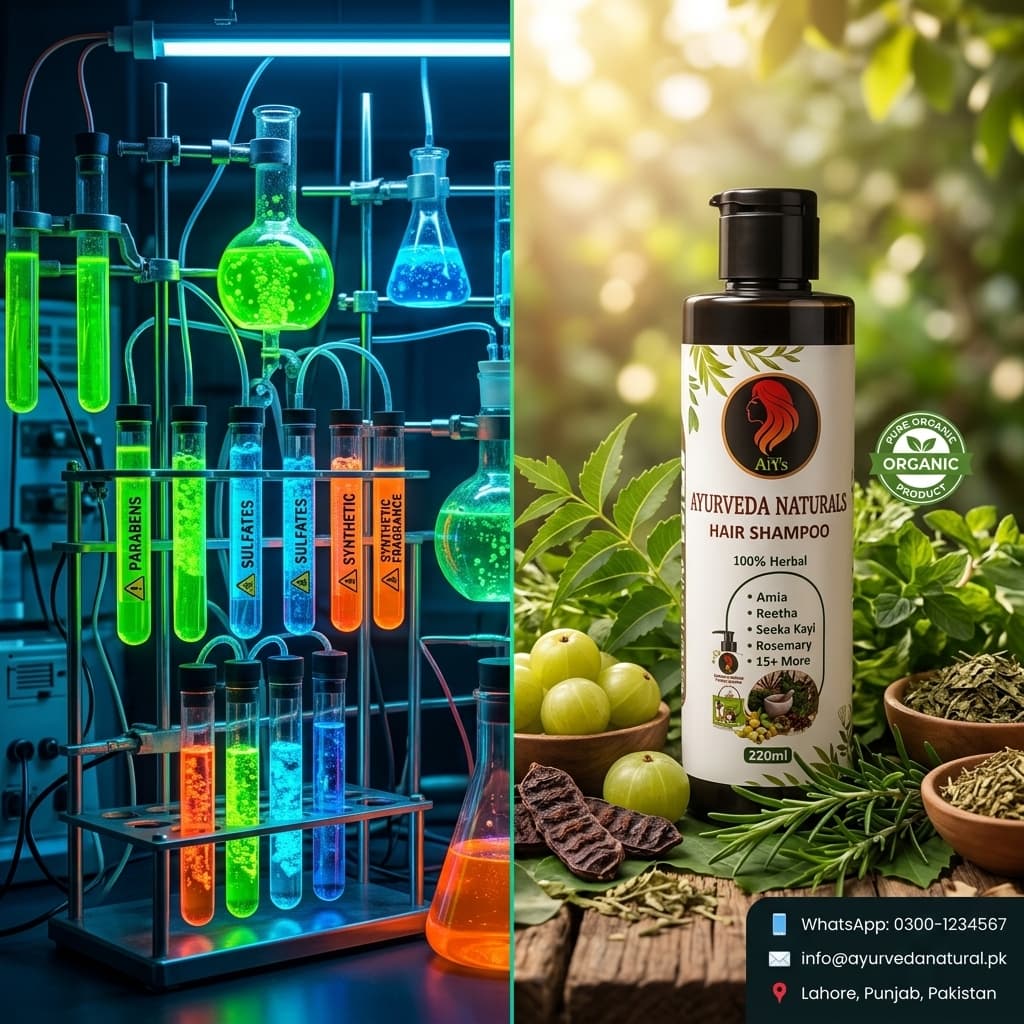
Chemical Vs Organic Shampoo Comparison: The Ultimate Guide to Healthy Hair
Welcome to the definitive Chemical Vs Organic Shampoo Comparison. In today's highly informed consumer landscape, personal care routines are undergoing a massive transformation. For decades, conventional, chemically-formulated shampoos have dominated the shelves of supermarkets, pharmacies, and high-end salons. These products promised instant shine, massive volume, and absolute cleanliness, largely delivered through complex synthetic compounds. However, a significant paradigm shift toward natural, holistic, and sustainable living has brought organic, plant-based shampoos into the spotlight. If you are struggling with chronic scalp issues, persistent dandruff, dry and brittle hair strands, or simply want to reduce your daily toxic load, you are likely wondering which option is truly the best for your long-term health. This comprehensive guide will dissect the science, the ingredients, the environmental footprint, and the biological impact of both choices. By the end of this deep dive, you will have all the actionable knowledge required to make an informed, health-conscious decision that benefits both your body and the planet.
The beauty and personal care industry is famously under-regulated in many parts of the world, meaning countless synthetic ingredients are used in everyday products without rigorous, long-term safety testing regarding their cumulative effects on human health. When you wash your hair, the warm water opens up the pores on your scalp, significantly increasing the skin's permeability. This allows the chemical compounds present in your shampoo to penetrate the dermal layers and potentially enter your systemic circulation. Therefore, an exhaustive Chemical Vs Organic Shampoo Comparison is not merely a superficial debate about hair aesthetics; it is a critical evaluation of your overall systemic health and well-being. According to leading dermatologists and toxicologists, the scalp is one of the most absorbent epidermal regions on the human body, absorbing chemicals at a rate much higher than your arms or legs.
Furthermore, the ecological implications of our daily bathing rituals cannot be ignored. The chemical runoff from millions of showers flows directly into our municipal water systems and, eventually, into our natural waterways. Conventional shampoos frequently contain microplastics, non-biodegradable synthetic fragrances, and harsh surfactants that have been proven to be highly toxic to aquatic ecosystems. Transitioning to eco-friendly, biodegradable options represents a vital step toward environmental stewardship. Consequently, this comprehensive analysis will thoroughly weigh the ecological footprints of these products alongside their cosmetic efficacy.
Chemical Vs Organic Shampoo Comparison: The Anatomy of Conventional Hair Care
To establish an objective baseline for our Chemical Vs Organic Shampoo Comparison, we must first rigorously define what constitutes a "chemical" or conventional shampoo. These products are formulated in large-scale cosmetic laboratories using predominantly synthetic, petroleum-derived ingredients. They are meticulously engineered to provide immediate, superficial results. They are designed to lather aggressively, strip all dirt and natural oils instantly, and coat the hair shaft in synthetic polymers so the hair feels smooth and manageable immediately after washing.
The Harsh Reality of Sulfates (SLS and SLES)
Sulfates, specifically Sodium Lauryl Sulfate (SLS), Sodium Laureth Sulfate (SLES), and Ammonium Lauryl Sulfate (ALS), are inexpensive, industrial-grade detergents that create the rich, voluminous lather that consumers have been conditioned to associate with cleanliness. However, these surfactants are essentially powerful degreasers, originally developed for cleaning garage floors and heavy machinery. When applied to the delicate ecosystem of the human scalp, they aggressively strip away the stratum corneum's protective lipid barrier and the scalp's natural sebum. This leads to a vicious, self-perpetuating cycle: the scalp is stripped dry, which triggers the sebaceous glands into an emergency overproduction of oil, which in turn makes the hair feel greasy faster, necessitating more frequent washing. This aggressive stripping effect is a primary cause of severe scalp irritation, contact dermatitis, dandruff, and the rapid fading of expensive color treatments. Over time, the constant disruption of the scalp's moisture barrier can lead to chronic inflammatory conditions that impede healthy hair follicle function.
Parabens and Endocrine Disruption
Parabens (such as methylparaben, propylparaben, and butylparaben) are synthetic preservatives widely used to prevent bacterial and fungal growth, thereby extending the shelf life of personal care products for years. However, extensive toxicological studies have demonstrated that parabens possess estrogen-mimicking properties. Once absorbed through the scalp, they can potentially disrupt the human endocrine system by binding to cellular estrogen receptors. While some regulatory agencies maintain that they are safe in minimal concentrations, the cumulative effect of using multiple paraben-containing products—from shampoo and conditioner to body wash, deodorant, and lotion—daily over a lifetime is a subject of intense scientific scrutiny and valid consumer concern. The "cocktail effect" of multiple low-dose exposures is a burgeoning field of toxicology that highlights the hidden dangers of modern cosmetic formulations.
Synthetic Fragrances and Phthalates
When reviewing the ingredient list on a conventional shampoo bottle, you will almost invariably see the term "fragrance" or "parfum". Due to intellectual property loophole regulations, this single umbrella term can legally hide a proprietary cocktail of thousands of undisclosed synthetic chemicals. Among the most concerning of these hidden ingredients are phthalates. Phthalates are chemical plasticizers utilized to make scents adhere to the hair and last longer. Unfortunately, phthalates are also notoriously potent endocrine disruptors, consistently linked in epidemiological studies to reproductive toxicity, metabolic disorders, and developmental issues. The intoxicating, long-lasting aroma of a conventional shampoo often comes at an unacceptably high cost to your internal hormonal balance.
Silicones and The Illusion of Health
Silicones, identifiable by ingredients ending in "-cone" (such as dimethicone, cyclomethicone, and amodimethicone), are synthetic polymers heavily utilized in conventional shampoos and conditioners to coat the hair shaft. This synthetic coating effectively glues down the hair cuticle, reflecting light and providing the immediate illusion of incredibly shiny, healthy, frizz-free hair. However, this is nothing more than a cosmetic band-aid. Because most heavy silicones are extremely hydrophobic (water-repellent) and not easily water-soluble, they relentlessly build up on the hair over time. This impermeable synthetic shield suffocates the hair shaft, completely preventing essential moisture, natural oils, and botanical nutrients from penetrating the cortex. Beneath the shiny silicone coating, the core of the hair gradually becomes desperately dehydrated, fragile, and highly susceptible to severe breakage, split ends, and unmanageable tangling.
Synthetic Thickeners and Stabilizers
Beyond cleansers and conditioners, conventional shampoos rely on synthetic thickeners like Polyethylene Glycols (PEGs) to create a luxurious, viscous texture. PEGs are often contaminated with 1,4-dioxane and ethylene oxide, both of which are known human carcinogens. While the amounts may be small, the daily application of these contaminants to a highly absorbent scalp raises significant long-term health questions. The pursuit of the perfect product texture often exposes consumers to unnecessary toxicological risks.
Chemical Vs Organic Shampoo Comparison: The Power of Natural Alternatives
Moving to the other side of our comprehensive Chemical Vs Organic Shampoo Comparison, we examine the philosophy and formulation of authentic organic shampoos. True organic hair care products are derived from potent, plant-based, natural ingredients that are cultivated without the use of synthetic pesticides, herbicides, or genetically modified organisms (GMOs). Instead of forcing the hair into superficial submission with synthetic polymers, organic formulations aim to deeply nourish the hair follicle and scalp, working synergistically with your body's innate biological processes rather than fighting against them. They operate on the principle of bio-compatibility, meaning the ingredients are recognized and easily assimilated by human skin cells.

Gentle Botanical Surfactants
Instead of relying on harsh, stripping industrial sulfates, organic shampoos utilize exceptionally gentle, plant-derived surfactants. Ingredients such as saponified coconut or olive oils, decyl glucoside, lauryl glucoside, or traditional Ayurvedic cleansing herbs like Reetha (soapnuts) and Shikakai are commonly employed. These natural cleansers effectively bind to dirt, environmental pollutants, and excess sebum, lifting them away without destroying the scalp's crucial acid mantle. While the lather produced by these botanical surfactants might be less dramatic and effervescent than that of SLS, the cleansing efficacy is just as robust and fundamentally healthier for the cellular integrity of the scalp and hair. The goal is to cleanse, not to sterilize.
Essential Oils for Scalp Therapy
Rather than relying on toxic synthetic "parfums" laden with phthalates, organic products utilize pure, therapeutic-grade essential oils to provide beautiful, natural scents. Beyond their aromatic appeal, these essential oils offer profound physiological benefits. For instance, organic tea tree oil possesses powerful natural antibacterial and antifungal properties, making it highly effective at combating the root causes of dandruff and seborrheic dermatitis without the use of harsh chemical fungicides like pyrithione zinc. Peppermint and rosemary essential oils are renowned for their ability to significantly stimulate microcirculation in the scalp, increasing the flow of oxygenated blood to the hair follicles and actively promoting robust, accelerated hair growth. Lavender oil is widely used for its soothing, anti-inflammatory properties, providing immediate relief for irritated, itchy, and sensitized scalps.
The Ayurvedic Approach to Hair Care
A thorough evaluation must acknowledge the rising influence of ancient holistic systems, particularly Ayurveda, in modern organic hair care. Ayurvedic formulations consistently incorporate potent adaptogenic herbs and botanical extracts that have been successfully utilized for millennia. Ingredients like Amla (Indian Gooseberry), which is extraordinarily rich in Vitamin C, tannins, and antioxidants, help to prevent premature graying, neutralize free radicals, and massively strengthen the hair root. Bhringraj, universally recognized in Ayurveda as the "king of herbs" for hair, is celebrated for its scientifically documented ability to rejuvenate dormant hair follicles, reverse hair loss, and stimulate the anagen (growth) phase of the hair cycle. Incorporating these time-tested, nutrient-dense botanicals elevates organic shampoos from mere cleansers to powerful therapeutic medical treatments for the scalp.
Natural Preservatives and Stability
A common misconception addressed in this guide is that organic products spoil immediately. While they absolutely do not have the indefinite, zombie-like shelf life of paraben-laden products, organic shampoos are effectively stabilized using safe, natural, or food-grade preservatives. Ingredients such as Vitamin E (tocopherol), rosemary oleoresin extract, potassium sorbate, naturally derived citric acid, and sodium benzoate ensure that the product remains safe, stable, and completely free from microbial contamination for a reasonable period—usually 12 to 18 months—without introducing known endocrine-disrupting chemicals into your systemic circulation. This represents a perfect balance between consumer safety and product viability.
Deep Conditioning with Plant Butters and Oils
Where chemical shampoos use silicones to fake hydration, organic shampoos use actual, molecularly compatible lipids to provide true moisture. Organic unrefined shea butter, cold-pressed argan oil, jojoba oil, and virgin coconut oil contain essential fatty acids (like oleic and linoleic acid) that are structurally similar to human sebum. These incredible oils penetrate the hair shaft, reinforcing the internal protein structure and healing micro-tears in the cuticle. The result is hair that is genuinely strong, deeply hydrated, and naturally radiant, rather than just synthetically shiny.
Chemical Vs Organic Shampoo Comparison: Deep Dive into Scalp Biology
When conducting a truly comprehensive analysis, top dermatologists, trichologists, and holistic health practitioners consistently emphasize the paramount importance of the scalp. Your scalp is essentially a complex extension of the skin on your face; it is a highly dynamic, living ecosystem that requires a highly specific, delicate balance of moisture, natural oils, and a diverse array of beneficial microflora to remain healthy and function optimally. The acid mantle, a microscopic, fine film on the surface of the skin with a slightly acidic pH (typically maintaining a pH between 4.5 and 5.5), is your scalp's primary, indispensable defense mechanism against pathogenic bacteria, harmful fungi, and relentless environmental oxidative stressors.
Conventional chemical shampoos ruthlessly obliterate this intricate, life-sustaining microbiome. The highly alkaline nature of industrial sulfates violently disrupts the acidic equilibrium of the mantle, stripping away absolutely every trace of protective sebum. This severe physiological trauma triggers the sebaceous glands to enter a frantic state of hyper-production, churning out massive quantities of excess oil to overcompensate for the severe, chemically induced dryness. This biological reaction is precisely why individuals heavily reliant on conventional chemical shampoos often feel compelled to wash their hair every single day; their scalp is tragically trapped in a relentless, chemically-induced cycle of stripping and panicked over-production. Furthermore, the synthetic fragrances, artificial dyes, and harsh synthetic preservatives act as aggressive contact allergens. Over time, constant exposure to these chemicals can induce chronic, sub-clinical dermal inflammation, leading directly to a perpetually itchy, red, flaky, and highly sensitized scalp environment that is completely inhospitable to healthy hair growth.
Conversely, precisely formulated organic shampoos fundamentally respect, support, and actively nourish the scalp's natural biological ecosystem. The exceptionally gentle botanical cleansers effectively remove accumulated daily dirt and excess oxidized oil while meticulously preserving the structural integrity of the acid mantle. Deeply soothing, biologically active ingredients like organic aloe vera juice, calendula extract, and German chamomile gently calm existing inflammation and dramatically reduce cellular oxidative stress at the follicle level. By diligently maintaining the scalp's natural lipid barrier and optimal acidic pH, organic shampoos allow the traumatized sebaceous glands to recalibrate, relax, and eventually normalize their oil production. Consequently, over time, dedicated users of organic shampoos frequently discover they need to wash their hair far less often, as their scalp has finally achieved a state of balanced, healthy, self-regulating homeostasis.
Clinical studies have consistently demonstrated that maintaining an optimal scalp microbiome is the absolute foundational prerequisite for preventing premature hair thinning and loss. When the scalp is inflamed by synthetic chemicals, the hair follicles physically miniaturize, producing weaker, thinner strands before eventually ceasing production altogether. Organic hair care intervenes in this destructive cycle by providing an anti-inflammatory, nutrient-rich environment where follicles can thrive indefinitely.
Chemical Vs Organic Shampoo Comparison: Environmental Impact and Sustainability
Another crucial, yet often overlooked, dimension of our analysis involves the health of our planet. The global beauty and personal care industry is notoriously polluting, and mass-market hair care products represent a massive, ongoing ecological disaster that threatens global biodiversity and water security.
The Toxicity of Chemical Runoff
Every single time you rinse a conventional chemical shampoo down the drain, you are inadvertently flushing a highly toxic, bioaccumulative cocktail of synthetic detergents, endocrine-disrupting parabens, and microscopic plastic polymers directly into the municipal water supply. Standard municipal water treatment facilities are frequently not equipped or technologically advanced enough to filter out these highly complex, microscopic chemical compounds. As a direct, unavoidable result, these persistent pollutants inevitably find their way into our fragile rivers, lakes, and oceans. Sulfates are conclusively known to be acutely toxic to aquatic life, actively destroying the protective mucus lipid layers of fish and amphibians, leaving them highly susceptible to fatal diseases. Furthermore, endocrine-disrupting chemicals like parabens and phthalates have been conclusively shown in marine biology studies to severely affect the reproductive systems and hormonal balance of wildlife, leading to devastating, rapid population declines in sensitive aquatic ecosystems. For an authoritative perspective, comprehensive data, and peer-reviewed research on the severe environmental impact of chemical runoff from personal care products, you can consult the extensive resources provided by the Environmental Protection Agency (EPA).
The Sustainability of Organic Ingredients
By strict legal definition, authentic organic shampoos exclusively utilize ingredients that are grown, cultivated, and harvested without the use of toxic synthetic pesticides, herbicides, or synthetic nitrogen fertilizers. This regenerative, sustainable agricultural approach fiercely protects the structural integrity of the topsoil, completely prevents toxic agricultural chemical runoff into local watersheds, and actively preserves local insect and plant biodiversity. The botanical ingredients utilized in genuine organic formulations are inherently and rapidly biodegradable, meaning they will naturally and safely break down into harmless, basic organic compounds in the environment within a matter of days, without causing absolutely any ecological damage or bioaccumulation. Furthermore, highly conscientious organic brands are typically committed to holistic, end-to-end sustainability across their entire supply chain. This admirable commitment frequently includes utilizing exclusively eco-friendly, fully recyclable, post-consumer recycled (PCR), or completely compostable biodegradable packaging materials. Additionally, many of these visionary brands engage in ethical, transparent sourcing practices, establishing long-term fair trade partnerships that actively support, fairly compensate, and economically empower the local farming communities cultivating these precious botanical ingredients around the globe.
Chemical Vs Organic Shampoo Comparison: The Transition Phase and What to Expect
If the compelling evidence presented in this guide has inspired you to finally make the profoundly beneficial switch to a natural hair care routine, it is absolutely imperative that you are mentally and practically prepared for the mandatory transition period, frequently and accurately referred to within the natural beauty community as the "detox" phase. Your hair and scalp have been entirely chemically dependent on harsh synthetic detergents and artificial, suffocating silicone coatings for years, and very likely for decades. Adjusting to natural, biocompatible ingredients is a complex biological process that requires both time and immense patience.
During the initial two to four weeks of using an organic shampoo exclusively, you may experience a frustrating period where your hair feels unusually heavy, slightly greasy, strangely textured, or even waxy at the roots. Do not panic, and do not abandon the process; this is a completely normal, scientifically expected, and entirely temporary physiological reaction that occurs for two primary biological reasons. First, your scalp's sebaceous glands are still stubbornly habituated to wildly overproducing oil, a desperate defensive mechanism developed to combat the extreme, daily stripping effects of the harsh sulfates you previously used. It takes significant time for the glands to receive and process the biological signal that they no longer need to wildly overcompensate, gradually allowing oil production to slowly regulate and normalize. Second, the incredibly gentle organic cleansers are working diligently to meticulously break down, dissolve, and lift away the years of stubborn, impermeable accumulated silicone buildup left behind by your conventional chemical shampoo and conditioner. As this synthetic plastic coating breaks down, it can temporarily make the hair feel tacky or heavy.
To significantly expedite and greatly ease this vital transition phase, you can proactively implement a weekly clarifying apple cider vinegar (ACV) rinse. Raw, unfiltered apple cider vinegar is a highly potent natural astringent that effectively cuts through dense silicone buildup, perfectly balances the scalp's pH back to its optimal acidic state, and imparts incredible, natural, reflective shine to the hair cuticle by laying the scales flat. Simply mix one part ACV with four parts water, pour it over your hair after shampooing, let it sit for two minutes, and rinse thoroughly with cold water. Be remarkably patient during this crucial detoxification phase; you must deeply understand that you are fundamentally healing your hair at a cellular level, not just superficially washing it. The incredible long-term rewards of cultivating truly healthy, vibrantly alive, and deeply resilient hair are exponentially worth the minor, temporary inconvenience of the detox period.
Chemical Vs Organic Shampoo Comparison: Cost Analysis and Long-Term Value
For a vast majority of practical consumers, the ultimate deciding factor in a Chemical Vs Organic Shampoo Comparison inevitably comes down to retail price and economic accessibility. Historically, conventional chemical shampoos have been significantly cheaper to mass-manufacture and are completely ubiquitous, available in massive, highly inexpensive plastic bottles at literally any local drugstore, supermarket, or large discount retailer. This low price point is achieved by using the absolute cheapest, lowest-grade synthetic industrial chemicals available on the global market.
Conversely, premium, authentic organic shampoos inherently carry a noticeably higher upfront retail price. This price disparity is entirely justified by the immensely higher cost of goods. High-quality, ethically sourced organic botanical extracts, painstakingly cold-pressed therapeutic oils, and pure, highly concentrated, unadulterated essential oils cost exponentially more to carefully cultivate, sustainably harvest, and meticulously process than cheap, mass-produced synthetic chemicals synthesized in a sterile laboratory. Furthermore, the rigorous, highly bureaucratic certification process required to legally verify and label ingredients as USDA Organic or EcoCert adds a massive, unavoidable premium to the final production cost.
However, framing this solely as an immediate financial expense is a fundamentally flawed, short-sighted perspective; this is a classic, undeniable case of "you get exactly what you pay for." By confidently purchasing a high-quality organic shampoo, you are making a highly proactive, intelligent preventative investment in your long-term holistic health. You are actively and strategically avoiding the massive hidden, often substantial future medical and cosmetic costs associated with treating severe scalp conditions, chronic dermatitis, hormonal imbalances, or irreparably damaged hair caused by prolonged, daily exposure to cheap, toxic chemical products. Furthermore, because effective organic shampoos successfully normalize the scalp's biological oil production, the vast majority of users quickly find that they need to wash their hair far less frequently—often successfully extending their wash cycle from a damaging daily routine to just a healthy twice a week. Consequently, a single, concentrated, high-quality bottle of organic shampoo can actually last significantly longer than its seemingly cheaper chemical counterpart, ultimately completely equalizing the long-term financial investment while delivering vastly superior health benefits.
Summary of Our Chemical Vs Organic Shampoo Comparison
To successfully conclude our exhaustive and definitive Chemical Vs Organic Shampoo Comparison, let us succinctly and clearly summarize the core scientific, environmental, and practical findings. Conventional chemical shampoos are fundamentally formulated utilizing cheap synthetic detergents, toxic artificial fragrances, harsh endocrine-disrupting preservatives, and suffocating silicone derivatives. They provide an aggressively stripping clean and deliver an immediate, entirely superficial, artificial plastic shine. However, overwhelming scientific evidence conclusively demonstrates that they cause profound, cumulative long-term damage to the delicate scalp microbiome, severely compromise the hair's internal structural integrity, dangerously disrupt human endocrine systems, and inflict devastating, irreversible toxicity upon our global aquatic environments. Their absolute only primary advantages are that they are remarkably cheap, universally accessible, and produce a luxurious, albeit entirely deceptive, synthetic chemical lather.
In stark, undeniable contrast, authentic organic shampoos prioritize holistic, systemic human health and critical ecological sustainability above all other concerns. They are meticulously and lovingly crafted using exceptionally gentle plant-based surfactants, deeply penetrating and nourishing botanical oils, and potent, highly therapeutic essential oils. They clean the hair highly effectively while fiercely protecting and deeply respecting the scalp's natural, delicate biological balance, and they biodegrade entirely safely without causing absolutely any harm to fragile aquatic ecosystems. While they inevitably necessitate a temporary physiological transition period, produce a noticeably less dramatic lather, and require a somewhat higher initial financial investment, they possess the unique, unparalleled capability to cultivate truly healthy, exceptionally resilient, and profoundly naturally beautiful hair from the inside out. For further authoritative reading on strict organic standards and regenerative agricultural practices, we highly recommend visiting the official website of the United States Department of Agriculture (USDA).
We sincerely hope this rigorous evaluation has completely empowered you with the comprehensive, scientifically-backed clarity you require to make the absolute best, most healthy choice for your daily personal care routine. By deeply understanding the exact chemical compounds and potent botanical ingredients you choose to expose your body to on a daily basis, you significantly empower yourself to live a vastly healthier, far more conscious, and beautifully sustainable lifestyle. The truly transformative, life-changing journey to achieving the beautiful, natural, and vibrantly healthy hair you undeniably deserve begins with a single, highly informed, conscious choice made in the shower.
Ready to Transform Your Hair Naturally?
Explore our 100% organic Ayurvedic haircare range crafted with 15+ potent herbs.
Hair Regrowth Oil · Purifying Hair Shampoo · Ultimate Haircare Bundle
Internal Resources for Further Reading
If you found the profound insights in this guide valuable, we highly encourage you to immediately explore our extensively related, in-depth content to successfully continue your vital educational journey toward holistic, natural beauty:
Ready to stop hair fall naturally?
Don't wait until it's too late. Experience the proven magic of our 100% organic, wild-harvested Ayurvedic formulations and start seeing real results in 14 days.
Free Shipping + Cash on Delivery