
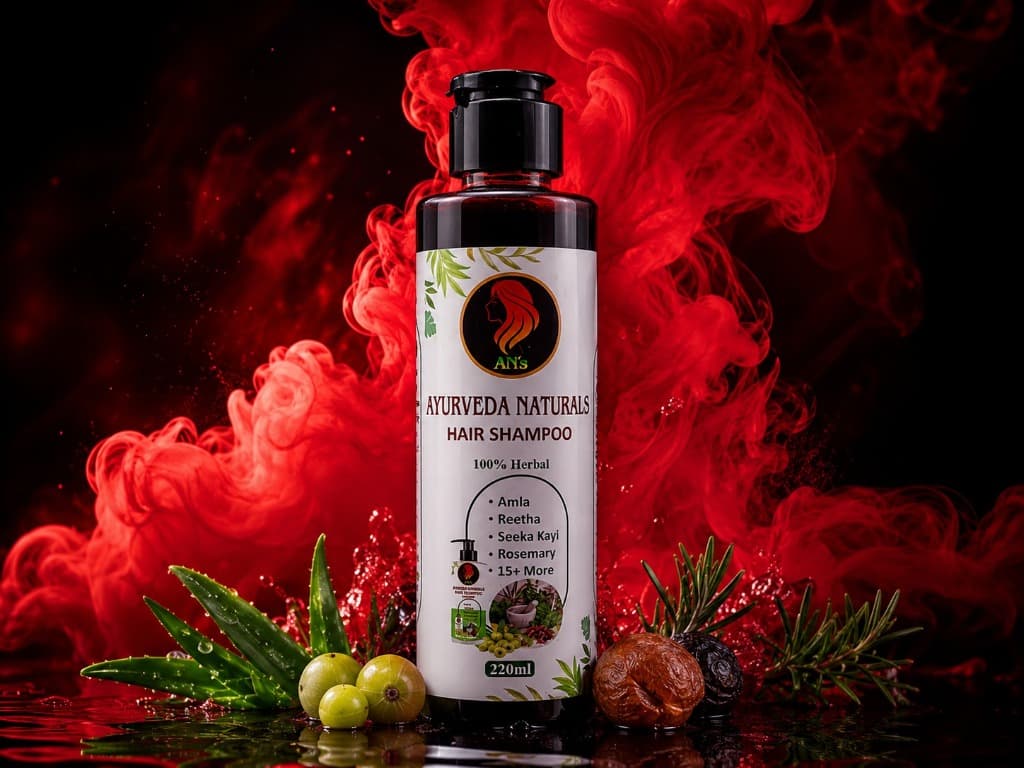
Best Shampoo for Hair Fall in Pakistan: Choose by Hair Type
Best Shampoo for Hair Fall in Pakistan: Choose by Hair Type
Short answer: the best shampoo for hair fall in Pakistan is one that cleans your scalp comfortably and does not make your hair lengths feel rough or hard to detangle. Shampoo cannot diagnose or cure hair loss, so choose by scalp type and seek professional help for sudden, patchy, or persistent shedding.
Why “hair fall shampoo” is not one category
People use “hair fall” for breakage, seasonal shedding, a widening part, hair after illness, and many other concerns. A cleanser can remove sweat, oil, and styling residue; it cannot tell which cause applies to you. The useful question is whether your scalp feels comfortable after washing and whether your routine minimises avoidable breakage from rough washing, tangling, heat, or tight styling.
Match the shampoo to your scalp
- Oily scalp: use enough shampoo to cleanse the scalp and rinse carefully. Put conditioner on lengths, not roots.
- Dry or processed hair: avoid aggressive scrubbing, use lukewarm water, and condition mid-lengths and ends.
- Flakes or itch: consider a dandruff-focused active ingredient and seek advice if symptoms persist.
- Sensitive scalp: introduce one formula at a time and patch-test if you react easily.
How to wash without adding breakage
Wet hair fully, apply shampoo to the scalp, massage with fingertips rather than nails, and let the lather rinse through the lengths. Rinse thoroughly. Comb conditioner through the ends with a wide-tooth comb only if your hair tolerates it, then dry by pressing with a soft towel rather than rubbing. This routine will not change the medical causes of hair loss, but it can make hair care gentler.
When to get medical advice
Book an appointment for smooth round patches, scalp pain or scaling, a sudden increase in loss, or shedding that continues. The NHS hair-loss guide outlines common causes and treatment routes. Avoid buying a string of “anti-hair-fall” products before understanding the pattern.
If your scalp becomes oily while your ends stay dry, see our Pakistan wash-routine guide. For a product category overview, visit the Purifying Hair Shampoo page and review its ingredients before purchasing.
FAQ
Should I shampoo every day for hair fall?
Wash frequency depends on oil, sweat, styling products, and comfort. More washing is not automatically better or worse.
Does sulfate-free mean it prevents hair fall?
No. It describes a cleansing system. It may suit some routines, but it does not guarantee less shedding or regrowth.
First, work out what “hair fall” means in your case
When people say hair fall, they may mean hairs collected in the shower, short snapped pieces around the hairline, a part that looks wider, a ponytail that feels thinner, or sudden loss from one area. These can have different causes. Shampoo has a limited role: it removes oil, sweat, pollution, and styling residue from the scalp and can make a wash routine less rough on hair. It does not diagnose a deficiency, a hormonal pattern, an autoimmune condition, traction from tight styles, or a reaction to a medicine.
That does not mean shampoo choice is pointless. A formula that stings, leaves residue, or makes lengths tangle can make routine care harder. A product you can rinse thoroughly and use consistently is more useful than an impressive claim on a front label. Keep expectations grounded: a comfortable wash routine supports scalp hygiene and reduces avoidable mechanical breakage; it is not a promise of new growth.
Choose by scalp type, then protect the lengths
For an oily scalp, the priority is removing excess sebum and buildup without repeatedly stripping the ends. Wet the hair completely, apply shampoo to the roots, massage with finger pads, and rinse. If you use a heavy pre-wash oil or a lot of styling product, a second light cleanse can be appropriate. Conditioner belongs mainly on mid-lengths and ends. Applying rich conditioner at the root can make fine hair look greasy sooner and may make it difficult to tell whether a shampoo actually cleansed well.
For dry, coloured, rebonded, or heat-styled hair, work the shampoo gently around the scalp rather than scrubbing every inch of the length. Let the lather travel down as you rinse. Follow with conditioner on the areas that feel rough. Use lukewarm water and press a towel against hair instead of rubbing it. These habits do not treat medical shedding, but they can reduce breakage and make hair easier to handle.
For a sensitive scalp, fewer changes are better. Fragrance, essential oils, strong actives, and even repeated scratching can be triggers for some people. Patch-test when appropriate, introduce one formula at a time, and stop if you develop burning, rash, swelling, or persistent discomfort. If you have active eczema, psoriasis, or another diagnosed skin condition, ask your clinician which products fit your treatment plan.
Flakes, itch, and hair fall need a separate check
Dandruff, dermatitis, and scalp inflammation can be uncomfortable and may coexist with shedding, but they should not be treated as proof that your shampoo is “causing hair loss.” If flakes are recurrent, thick, painful, or accompanied by redness, an evidence-based dandruff ingredient or clinical guidance may be needed. A sulfate-free label alone does not indicate a dandruff treatment. Read our guide to sulfate-free anti-dandruff choices for a clearer way to assess the claim.
It is also sensible to check timing. New shedding after fever, surgery, childbirth, a major stressor, dietary restriction, or a medication change deserves a different conversation from gradual family-pattern thinning. The NHS overview of hair loss explains several common causes and when to seek advice. A clinician can determine whether any tests or treatments are appropriate; an online product quiz cannot.
A low-friction wash routine
- Detangle gently before showering if your hair knots easily.
- Wet the scalp and roots thoroughly before applying shampoo.
- Use fingertips, not nails; scratching can inflame skin and snag hairs.
- Rinse longer than you think you need, especially after oil or styling products.
- Condition only where hair is dry or rough.
- Blot dry, then use a wide-tooth comb or fingers instead of forceful brushing.
- Reduce high heat and tight hairstyles if you see breakage around the hairline.
How to compare shampoos without chasing every claim
Keep a single shampoo in your routine for several washes unless it irritates you. Note scalp comfort later that day, root oiliness the next day, how easily the lengths comb, and whether there is residue. Do not judge a product by the amount of foam, by an influencer’s before-and-after photo, or by a promise that it “stops” hair fall. Hair normally sheds as part of its cycle, and daily variation in shedding is common.
When comparing options in Pakistan, also consider water quality, commute, weather, gym or sports frequency, and whether you regularly oil your hair. The best schedule may be every other day for one oily scalp and twice weekly for another person with dry, curly hair. Adapt to your actual scalp condition rather than copying an exact routine online.
When to get professional help
See a dermatologist or qualified healthcare professional if you have smooth round patches, a rapidly widening part, sudden clumps of hair, scalp pain, heavy scale, signs of infection, or shedding that continues despite a gentle routine. Bring a timeline, a list of medicines and supplements, and photos taken in similar lighting. This information makes the consultation more useful than trying a new shampoo each week.
For everyday product selection, visit the Purifying Hair Shampoo page and read the current ingredient and use information. Choose it only if it suits your routine and sensitivity needs. For roots that become greasy while lengths stay dry, our oily-scalp, dry-ends routine gives a more specific wash plan.
Reading ingredient lists without overpromising
Ingredient lists help you identify the type of cleansing system, fragrance, and ingredients you already know you tolerate or avoid. They do not reliably tell you how a shampoo will feel on your hair, and they cannot confirm a hair-growth outcome. Start with a short list of practical priorities: does your scalp need frequent cleansing because of oil or sweat; are your lengths dry from bleaching or heat; do you react to fragrance; and do you use a dandruff treatment? These questions are more useful than hunting for a single fashionable botanical.
A “natural,” “herbal,” or “sulfate-free” claim can describe one aspect of a formula, but none of those labels guarantees that it is gentle for every scalp. Likewise, a stronger cleanser is not always harmful; a person who regularly applies heavy oil may need more thorough cleansing than a person with short, dry hair. The right choice is the least complicated formula that keeps your scalp comfortable and your routine realistic.
Hair fall versus breakage: why the difference matters
Shedding hairs generally have a small bulb at one end and come from the follicle. Breakage produces shorter pieces and can be related to friction, bleaching, heat, relaxing treatments, tight styles, rough towel drying, and detangling. Shampoo can support a breakage-conscious routine when it is paired with conditioner and gentle handling, but a shampoo cannot reverse severe chemical damage. If your hair is snapping, reduce heat exposure, use protective styles that are not tight, and consider a trim for damaged ends.
If you notice whole hairs coming out in an unusual amount, look at the pattern and timeline rather than simply changing cleanser. A gradual change at the temples or crown, diffuse shedding after an event, and isolated smooth patches point to different next steps. This is why a product promise such as “anti-hair-fall” should never be treated as a diagnosis.
Wash frequency: use evidence from your own scalp
There is no evidence-based universal rule that everyone must shampoo daily, weekly, or after exactly a certain number of days. Wash when the scalp has oil, sweat, residue, odour, or discomfort that your normal routine does not manage. People with fine hair and an oily scalp may feel best washing frequently; people with coily, dry, or chemically processed hair may wash less often and focus more on conditioning. Both can be reasonable when the scalp remains comfortable.
Do not avoid washing solely because you see hairs in the drain. Hairs that were already in the shedding phase can become visible during washing, so a wash day can make ordinary shedding look alarming. If the amount is clearly increasing over several weeks or the hair density is changing, take dated photographs in consistent light and seek clinical advice.
How to use a dandruff shampoo alongside a regular shampoo
If a pharmacist or clinician recommends an anti-dandruff shampoo, follow its exact instructions about frequency and contact time. Some people alternate it with a regular cleanser; others use it for a defined period. Do not dilute it with oil, combine it with several new scalp products, or use it more often than directed in the hope of faster results. If a medicated product burns or causes a rash, stop and ask for advice.
On the rest of the wash days, a simple regular shampoo can support clean hair and comfort. This separation prevents the misleading idea that a gentle cosmetic shampoo is expected to perform the work of a medicated treatment. It also makes it easier to know what is helping and what is irritating.
Product claims worth treating carefully
- “Stops hair fall”: no shampoo can promise this across the many causes of hair loss.
- “Regrows follicles”: cosmetic cleanser claims should not be treated as medical treatment.
- “Chemical-free”: this phrase is not a meaningful safety test; everything is made of chemicals, including botanical extracts and water.
- “Works for every hair type”: scalp oil, texture, damage, and sensitivity vary too much for a universal claim.
- “Immediate detox”: a comfortable clean scalp is a reasonable aim; dramatic detox language is not a diagnosis.
A practical shopping checklist
Before buying, read the complete product page, not only the headline. Check the intended use, current ingredient list, directions, return information, and whether you have reacted to similar products. If you have an oily scalp with dry ends, plan to buy conditioner or use a length-focused treatment as part of the routine; no shampoo has to do both jobs. If your priority is reducing visible breakage, focus equally on combing, towel use, heat styling, and chemical processing.
After buying, give the routine enough time to judge scalp comfort but stop immediately for an adverse reaction. A good evaluation is not “did I wake up with more hair?” It is “does my scalp feel calm, do the lengths behave better, and am I avoiding habits that damage hair?” For true hair-loss concerns, combine that routine with proper assessment.
Frequently asked questions about shampoo and hair fall
Can shampoo cause hair fall?
An irritating product or rough washing can worsen scalp discomfort or breakage, but hair loss has many possible causes. Stop a product that causes a reaction and seek advice if shedding continues.
Should I use hot water to remove oil?
No. Very hot water can be uncomfortable and dry the lengths. Use lukewarm water and rinse carefully instead.
Do I need a separate conditioner?
If your lengths are dry or tangle easily, conditioner can improve manageability. Apply it below the roots so an oily scalp is not weighed down.
When is hair fall urgent?
Seek prompt medical advice for sudden loss, smooth patches, scalp pain, signs of infection, or a major change in density.
How family routines and local habits affect shampoo choice
In many homes, hair is oiled before washing, washed on a set family day, or covered for long periods during travel and work. These habits are not automatically good or bad, but they affect what a shampoo needs to do. If you oil heavily before every wash, expect to rinse longer and consider whether the amount of oil is more than your scalp enjoys. If you wash infrequently because the lengths feel dry, use conditioner and gentler drying methods before assuming that avoiding shampoo is the only answer.
Hard water can also leave hair feeling coated or less smooth. Rather than buying several “hair fall” shampoos, first make sure you are using enough water to rinse product away and that styling residue is not building up. A regular, well-rinsed routine is easier to evaluate than an elaborate routine with changing products.
Build a plan you can explain to a clinician
For two to four weeks, note your wash days, scalp symptoms, changes in shedding, recent illness or stress, medications, and any new products. Take photographs of the part, temples, or patchy areas once a week in the same light. This does not replace professional diagnosis, but it gives a dermatologist useful information if you need an appointment. It also reduces the temptation to react to one shower or one bad hair day.
The best shampoo for hair fall in Pakistan is therefore not the one with the boldest claim. It is the one that fits your scalp, protects the lengths through sensible technique, and leaves room for medical care when hair loss needs more than cosmetic support.
Ready to stop hair fall naturally?
Don't wait until it's too late. Experience the proven magic of our 100% organic, wild-harvested Ayurvedic formulations and start seeing real results in 14 days.
Free Shipping + Cash on Delivery