
Herbal Hair Oil Shampoo Combo Pakistan
The Foundation of Healthy Hair: Why You Must Look to the Scalp
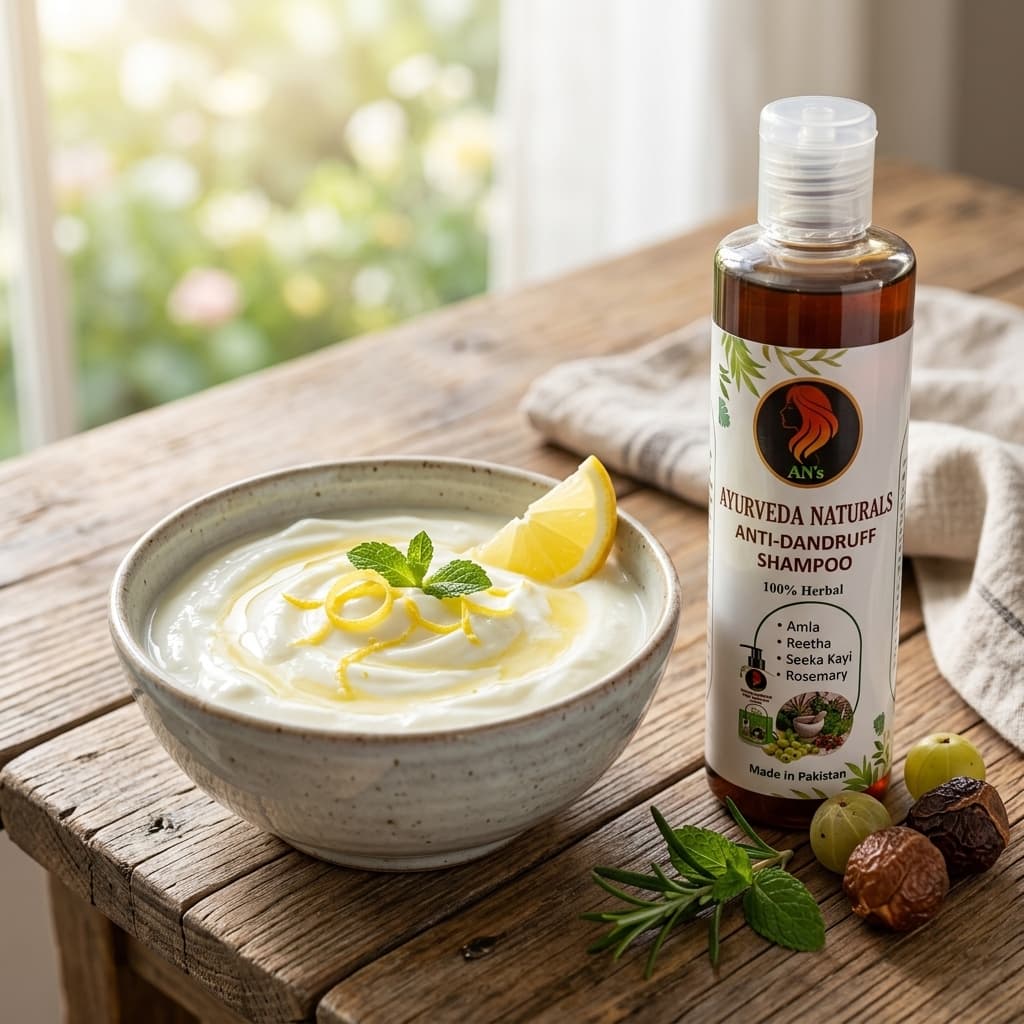
When we embark on a journey to achieve longer, thicker, and more resilient hair, our initial instinct is often to focus exclusively on the hair strands themselves. We invest heavily in deep conditioning masks, expensive leave-in serums, split-end mending treatments, and heat protectants. We carefully brush our lengths, avoiding breakage, and we coat our ends in silicone-heavy products that promise mirror-like shine. Yet, despite these exhaustive and often expensive efforts, many of us still find ourselves standing in front of the mirror, frustrated by stagnant hair growth, thinning roots, and excessive shedding. The fundamental flaw in this traditional approach is simple: we are treating the symptom while entirely ignoring the source. To truly understand hair growth, we must shift our focus from the dead keratin shafts hanging past our shoulders to the living, breathing ecosystem from which they emerge: the scalp. Using a reliable herbal hair oil shampoo combo Pakistan offers is the best way to deeply detoxify your scalp.
Imagine your scalp as the soil in a lush, botanical garden, and your hair as the precious plants growing within it. If the soil is depleted of nutrients, parched from a lack of hydration, suffocated by tightly packed clay, or overrun with harmful weeds, no amount of water sprayed directly onto the leaves of the plants will save them. They will inevitably wilt, grow brittle, and eventually die. The same principle applies directly to your biological biology. Your hair follicles are anchored deep within the dermal layer of the scalp, relying entirely on the surrounding environment for oxygen, blood supply, micronutrients, and structural support. When your scalp is compromised by inflammation, clogged pores, excessive sebum production, or the buildup of synthetic styling products, your hair follicles are essentially suffocated. They become miniaturized, weak, and incapable of producing robust hair strands. This is the ultimate secret to hair growth: it is not about forcing the hair to grow faster, but rather about creating an optimal, deeply healthy environment where the hair is naturally unhindered from growing at its maximum biological potential.
The Science of Scalp Health: Understanding Clogged Follicles and Hair Loss
Before delving into the ancient, time-tested wisdom of Ayurveda, it is incredibly important to understand the modern biological science of the scalp and the hair growth cycle. Every single hair on your head operates on a continuous, multi-year cycle consisting of three main phases: the Anagen (growth) phase, the Catagen (transitional) phase, and the Telogen (resting/shedding) phase. In a perfectly healthy scalp environment, roughly 85% to 90% of your hair follicles are firmly in the Anagen phase, steadily producing new keratin cells and pushing the hair shaft outward. However, when the scalp environment becomes hostile, this delicate cycle is severely disrupted, prematurely forcing a large percentage of hair follicles out of the growth phase and into the resting phase, leading to diffuse thinning and noticeable hair fall.
The Menace of Clogged Hair Follicles
One of the most prevalent yet completely overlooked causes of stalled hair growth is the phenomenon of clogged hair follicles. Throughout the day, your scalp naturally secretes a lipid-rich substance called sebum from the sebaceous glands attached to each hair follicle. Sebum is essential for waterproofing and protecting the hair shaft. However, in our modern world, this natural process is constantly hijacked. The sebum on our scalp rapidly mixes with environmental pollutants, microscopic dust particles, dead keratinized skin cells, sweat, and a heavy cocktail of synthetic styling products like dry shampoos, hairsprays, and heavy silicones. Because many commercial shampoos fail to properly dissolve these specific compounds, a hardened, waxy plug begins to form at the exact opening of the hair follicle.
This microscopic follicular blockage is disastrous for hair growth. First, it physically restricts the diameter of the hair strand that can emerge, leading to thinner, more fragile hair. Second, it creates an anaerobic (oxygen-deprived) environment at the root, which breeds pathogenic bacteria and opportunistic fungi, such as Malassezia globosa. As these microbes feed on the trapped sebum, they excrete oleic acid, a highly irritating byproduct that triggers severe micro-inflammation in the scalp. This invisible inflammation attacks the hair bulb, causing it to shrink—a process scientifically known as follicular miniaturization. Over time, the affected follicle will stop producing hair entirely. If you want your hair to grow, you absolutely must unblock these pathways.
The Ayurvedic Perspective: Doshas and Scalp Health
While modern dermatology has only recently begun emphasizing the concept of the "scalp microbiome" and the dangers of micro-inflammation, Ayurveda—the 5,000-year-old traditional system of medicine originating from the Indian subcontinent—has recognized the scalp as the fundamental root of hair health for millennia. Ayurveda approaches haircare holistically, teaching that external beauty and physical health are direct reflections of internal balance and localized tissue nourishment. In Ayurvedic philosophy, the universe and the human body are governed by three vital bio-energetic forces known as the Doshas: Vata, Pitta, and Kapha. Each individual possesses a unique constitution, and an imbalance in any of these Doshas will manifest distinct, recognizable symptoms on the scalp, directly inhibiting hair growth.
Vata Dosha Imbalance: The Barren, Parched Scalp
Vata is the energetic force composed of Air and Ether (Space). It governs movement, circulation, and the nervous system. When Vata becomes aggravated in the body—often due to stress, irregular sleep patterns, cold weather, or a diet lacking in healthy fats—it leads to severe dryness, constriction, and depletion of the bodily tissues (Dhatus). On the scalp, a Vata imbalance presents as an intensely dry, tight, and flaky environment. The hair follicles are deprived of natural lubrication, and the blood vessels in the scalp constrict, drastically reducing the delivery of oxygen and essential nutrients to the hair bulb. Vata-dominant hair tends to be incredibly brittle, porous, prone to split ends, and frizzy. Furthermore, the flakiness associated with Vata is often mistaken for fungal dandruff, but it is actually the rapid shedding of completely desiccated skin cells. To stimulate hair growth for a Vata scalp, one must employ grounding, deeply hydrating, and warming Ayurvedic therapies that restore lipid barriers and improve blood circulation.
Pitta Dosha Imbalance: The Inflamed, Overheated Scalp
Pitta is the energetic force composed of Fire and Water, governing metabolism, transformation, and body temperature. An aggravation of Pitta—often triggered by excessive consumption of spicy or acidic foods, chronic anger, hormonal fluctuations, or prolonged exposure to direct sunlight—creates excess heat and sharp inflammation within the body. When this heat rises to the head, it "burns" the hair follicles. A Pitta-imbalanced scalp is typically highly sensitive, red, easily irritated, and prone to inflammatory conditions like folliculitis or severe itching. From an Ayurvedic standpoint, excess Pitta heat is the primary culprit behind premature graying (Palitya) and premature hair thinning (Khalitya). The metabolic fire essentially accelerates the hair's life cycle, pushing it prematurely into the shedding phase. Reversing this requires intensely cooling, soothing, and anti-inflammatory botanicals that draw the excess heat out of the dermal layers and calm the irritated follicles.
Kapha Dosha Imbalance: The Congested, Heavy Scalp
Kapha is the energetic force composed of Earth and Water. It provides structure, lubrication, and stability to the body. While a balanced Kapha dosha is responsible for thick, lustrous, and incredibly strong hair, an aggravated Kapha dosha creates stagnation, heaviness, and excess mucous or oil production. On the scalp, a Kapha imbalance manifests as profound congestion. The sebaceous glands go into overdrive, producing a thick, sticky, and heavy oil that deeply clogs the hair follicles. This environment is the perfect breeding ground for fungal overgrowth, leading to thick, greasy, yellowish dandruff scales that stick firmly to the scalp. The roots become literally smothered by this heavy accumulation, and the stagnant energy prevents fresh blood flow from reaching the hair bulb. Treating a Kapha scalp requires stimulating, clarifying, and astringent herbs that deeply cleanse the pores, remove the heavy accumulation of sebum, and invigorate the dormant hair follicles back to life.
Detoxing the Roots: How Ayurvedic Scalp Scrubs Clear Clogged Follicles
Regardless of your specific Dosha imbalance, the very first and most crucial step in any Ayurvedic hair growth protocol is detoxification. In Ayurveda, the accumulation of toxic residue, undigested metabolic waste, and environmental impurities is known as Ama. When Ama builds up on the scalp, it creates a thick, impenetrable barrier that not only blocks the hair follicles from pushing out new hair but also completely prevents any topical treatments or nutrient-rich oils from actually absorbing into the skin. If you are applying expensive hair oils over a layer of dead skin and hardened sebum, you are simply wasting your products.
This is where the profound power of Ayurvedic scalp scrubs and herbal exfoliants comes into play. Unlike harsh chemical exfoliants (like high-percentage salicylic or glycolic acids) that can strip the scalp's delicate acid mantle, or abrasive physical scrubs (like crushed walnut shells or heavy salts) that can create micro-tears in the skin and damage fragile hair cuticles, Ayurveda utilizes gentle, biologically compatible plant powders. These botanical wonders work through a combination of mild mechanical exfoliation and natural enzymatic action.
The Power of Cleansing Botanicals
Ayurvedic scalp detoxification heavily relies on specific herbs that contain natural saponins—plant-derived cleansing agents that foam gently and bind to oils and impurities without stripping the skin's natural moisture barrier. Reetha (Soapnut) and Shikakai (Acacia concinna) are two of the most revered clarifying herbs in the Ayurvedic pharmacopeia. Shikakai, which literally translates to "fruit for the hair," is naturally acidic, making it perfectly suited to balance the pH of the scalp, which naturally sits around 5.5. When massaged into the scalp, these herbal powders gently dissolve the hardened plugs of sebum, wash away synthetic product buildup, and lift away dead skin cells.
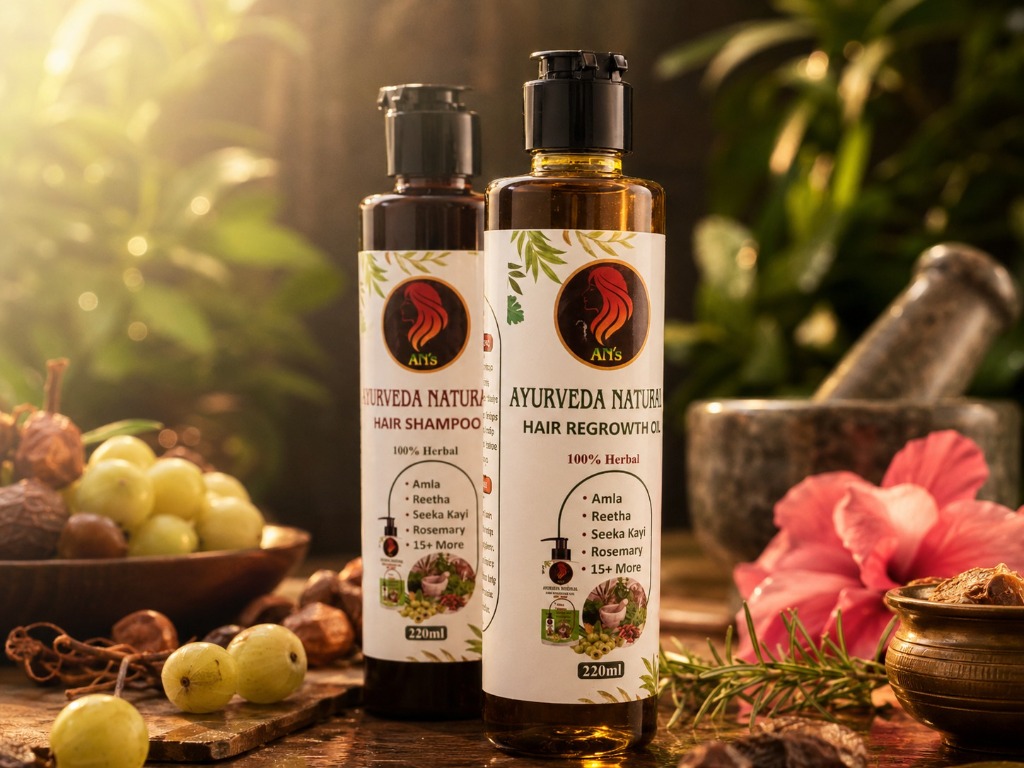
Additionally, detoxifying herbs like Neem and Tulsi (Holy Basil) are incorporated into these scrubs for their potent antimicrobial, antibacterial, and antifungal properties. Neem is a powerhouse ingredient that specifically targets the Malassezia yeast responsible for dandruff and fungal acne on the scalp. By clearing away the pathogenic overgrowth, Neem eliminates the micro-inflammation that causes hair follicles to miniaturize. When you regularly detoxify your scalp using these ancient methods, you are essentially tilling the soil of your garden, aerating it, and preparing it to receive the intense nourishment that follows. To integrate this crucial step into your routine, we highly recommend utilizing a deeply cleansing, herb-infused wash like our Purifying Herbal Shampoo, which harnesses these exact botanicals to wash away the Ama without compromising your scalp's integrity.
Ayurvedic Oils: Liquid Gold for Scalp Nourishment and Hair Growth
Once the scalp has been thoroughly detoxified, clarified, and the follicles are entirely free of obstruction, the environment is perfectly primed to receive nourishment. In Ayurveda, the application of herbal oils to the head is not merely a cosmetic practice; it is a profound therapeutic ritual known as Shiro Abhyanga. This ancient practice of scalp massage using warm, herb-infused oils is considered one of the most effective holistic treatments for promoting longevity, calming the central nervous system, and, of course, stimulating vigorous hair growth.
The Science and Magic of Shiro Abhyanga
The mechanical action of massaging the scalp is just as vital as the oil itself. Shiro Abhyanga involves the deliberate stimulation of specific energy points on the head, known as Marma points. By massaging these points using firm, circular motions, you dramatically increase the microcirculation of blood to the dermal papilla—the vital structure at the base of the hair follicle that supplies it with nutrients and oxygen. Increased blood flow means increased nutrient delivery, which signals the resting hair follicles to re-enter the active Anagen growth phase. Furthermore, the deep relaxation induced by this massage lowers the body's systemic cortisol levels. Since cortisol (the stress hormone) is a known disruptor of the hair growth cycle and an aggravator of the Vata dosha, reducing stress is a direct pathway to thicker hair.
The Supreme Herbs of Hair Regrowth
The true magic of Shiro Abhyanga lies in the specific botanical decoctions infused into the carrier oils. Ayurveda utilizes a complex, multi-stage boiling process (known as Kshir Pak or Taila Paka) to extract both the water-soluble and fat-soluble compounds of the herbs directly into a base of nutrient-dense oils like Sesame, Coconut, or Castor oil. The herbs used are specifically chosen for their profound ability to regenerate cellular tissue and block the hormones that cause hair loss.
- Bhringraj (Eclipta Alba): Universally known in Ayurveda as the "King of Herbs" or the "Ruler of Hair." Bhringraj is a potent Rasayana (rejuvenating) herb that deeply penetrates the scalp to awaken dormant follicles. Clinical studies have shown that Bhringraj extracts can be as effective, if not more so, than modern chemical treatments like Minoxidil in pushing hair follicles into the Anagen phase, without any of the associated side effects.
- Amla (Indian Gooseberry): An absolute powerhouse of naturally occurring Vitamin C and potent antioxidants. Amla protects the hair follicles from oxidative stress and free radical damage caused by pollution and UV radiation. It also plays a crucial role in the synthesis of collagen, which strengthens the structural integrity of the hair shaft and the skin of the scalp.
- Brahmi (Bacopa Monnieri): A deeply cooling, neuro-tonic herb that is exceptionally effective at pacifying the Pitta dosha. Brahmi reduces inflammation, soothes the sensitive nerve endings in the scalp, and thickens the hair roots, ensuring they remain firmly anchored in the skin.
- Rosemary & Fenugreek: While Rosemary is a legendary vasodilator that vastly improves blood flow, Methi (Fenugreek) is packed with proteins and nicotinic acid. Together, they act to inhibit the localized production of DHT (dihydrotestosterone), the hormone primarily responsible for androgenetic thinning hair (pattern extreme thinning).
By regularly flooding your pristine, detoxified scalp with these concentrated botanical extracts, you are providing the exact macronutrients, vitamins, and pharmacological compounds the follicle needs to construct strong, thick keratin fibers. Experience the unparalleled power of these ancient botanical synergies with our meticulously crafted 15-Herbs Hair Regrowth Oil, formulated precisely to penetrate deep into the dermal layer and revitalize your roots from the inside out.
A Step-by-Step Ayurvedic Scalp Detox Routine for Optimal Hair Growth
Theoretical knowledge is only truly powerful when it is applied through consistent action. To physically transform the health of your scalp and unlock your hair's maximum biological growth potential, you must commit to a structured, holistic regimen. Here is a step-by-step Ayurvedic protocol that you can easily integrate into your weekly routine to maintain a pristine scalp environment and dramatically boost hair growth.
Step 1: The Pre-Wash Herbal Oiling (Shiro Abhyanga)
Never wash a dry scalp. At least two hours before you intend to wash your hair—or ideally, the night before—begin by gently warming your Ayurvedic hair oil. Using your fingertips, apply the warm oil directly to your scalp, parting your hair in small sections to ensure full coverage. Spend a dedicated 10 to 15 minutes massaging the oil into your skin using firm, circular motions. Focus deeply on the crown of your head and the nape of your neck, where tension tends to accumulate. This step dissolves oil-soluble impurities, pre-treats the scalp with nutrients, and dramatically boosts blood circulation.
Step 2: The Gentle Scalp Detoxification
Once or twice a month, replace your regular wash with a dedicated herbal scalp scrub or clarifying botanical mask. Mix potent powders like Neem, Shikakai, and Amla with a little water or aloe vera juice to create a smooth paste. Apply this paste directly to your oiled scalp, gently rubbing it in to manually lift away dead skin cells, hardened sebum, and environmental debris. Leave the paste on for 15 to 20 minutes to allow the natural saponins and antibacterial compounds to draw out the deep-seated impurities.
Step 3: The Purifying Cleanse
When it is time to wash, ensure you are using a sulfate-free, botanically driven cleanser that respects your scalp's pH. Harsh synthetic detergents like SLS (Sodium Lauryl Sulfate) completely strip the scalp of its natural lipid barrier, triggering the sebaceous glands to panic and overproduce oil, leading you right back to a congested scalp. Lather your herbal shampoo primarily at the roots, allowing the suds to gently wash down the lengths of your hair without harsh scrubbing.
Step 4: The Balancing Herbal Rinse
As a final step to close the hair cuticles, soothe the scalp, and leave a final layer of protection, perform an herbal tea rinse. Brewing a strong tea using Rosemary, Fenugreek seeds, or Green Tea, allowing it to cool to room temperature, and pouring it over your scalp after you have rinsed out your conditioner acts as a powerful astringent and antioxidant treatment. Do not rinse this out; allow your hair to air dry naturally.
Conclusion: Cultivating Your Scalp for Lasting Hair Health
True hair wellness is never found in a quick fix, a magical synthetic pill, or an overnight serum. Just as a magnificent garden requires time, patience, consistent care, and deeply nourished soil to flourish, your hair requires a healthy, balanced, and vibrant scalp. By understanding the critical importance of unblocking your hair follicles, reducing localized inflammation, and deeply respecting your unique Ayurvedic Dosha, you have the power to entirely rewrite your hair's future.
When you stop viewing your hair care routine as a mere cosmetic chore and start embracing it as an act of profound self-care and holistic healing, the results will speak for themselves. You will no longer be fighting against breakage, thinning, and stagnation. Instead, you will be cultivating an environment where incredible, resilient hair growth is the natural, inevitable outcome. Begin your journey toward transformative scalp health and discover the holistic power of nature's finest botanicals when you Shop All Organic Haircare today.
Ready to stop hair fall naturally?
Don't wait until it's too late. Experience the proven magic of our 100% organic, wild-harvested Ayurvedic formulations and start seeing real results in 14 days.
Free Shipping + Cash on Delivery