
Best Ayurvedic Hair Products Pakistan Price
The Ancient Science of Ayurvedic Hair Loss Prevention
Hair loss is a universal concern that transcends borders, cultures, and ages, impacting not just our physical appearance, but our deeply ingrained sense of identity, self-esteem, and emotional well-being. Modern dermatology offers a plethora of solutions ranging from topical treatments like minoxidil to invasive procedures such as hair transplants. However, thousands of years before the advent of modern medical science, the ancient sages of India developed a comprehensive, holistic system of medicine known as Ayurveda. The science of Ayurvedic hair loss prevention does not merely look at the symptoms appearing on the scalp; instead, it delves profoundly into the internal equilibrium of the body, mind, and spirit. By understanding the intricate balance of the body's vital energies, Ayurveda provides a sustainable, natural, and highly effective roadmap for preventing hair fall, encouraging robust hair regrowth, and maintaining vibrant, lustrous locks throughout one's life. You can explore the best ayurvedic hair products Pakistan price to begin this restorative journey.
Ayurveda, which translates to the "Science of Life" in Sanskrit, operates on the foundational principle that health is a state of vibrant balance, while disease or physical deterioration (such as hair loss) is the manifestation of imbalance. In the context of haircare, Ayurveda posits that your hair is a direct byproduct of your bone tissue (Asthi Dhatu) and is intrinsically linked to the health of your central nervous system and gut. Therefore, treating hair loss requires more than just a topical application; it necessitates a deep, internal cleansing and nourishment protocol. The journey to reversing hair loss naturally begins with understanding your unique mind-body constitution, or Prakriti, and identifying the specific energetic imbalances that are disrupting the natural cycle of hair growth.
Understanding the Root Cause of Hair Loss: The Three Doshas
In Ayurvedic philosophy, the entire universe, including the human body, is composed of five great elements: Space (Akasha), Air (Vayu), Fire (Tejas), Water (Jala), and Earth (Prithvi). These elements combine to form three primary bio-energetic forces known as Doshas: Vata, Pitta, and Kapha. Every individual is born with a unique proportion of these three doshas, which dictates their physical traits, personality, and predispositions to certain health imbalances.
When it comes to the health of your hair, the condition of your scalp, the thickness of your hair strands, and the rate at which your hair grows or falls out are all governed by the state of your doshas. A harmonious balance among the doshas results in a healthy scalp and thick, vibrant hair. Conversely, when internal or external stressors cause one or more doshas to become aggravated and fall out of balance, the resulting physiological changes can disrupt the hair growth cycle, leading to thinning, shedding, and premature greying.
Vata Dosha and Hair Thinning
Vata dosha is composed of the Space and Air elements. It governs movement, circulation, and the nervous system. When Vata is in balance, it promotes creativity, vitality, and flexibility. However, an excess of Vata—often triggered by chronic stress, erratic routines, lack of sleep, or a diet lacking in healthy fats and grounding foods—can wreak havoc on the body. Because Vata is inherently cold, dry, and light, an aggravated Vata dosha leads to severe dehydration of the bodily tissues, including the scalp.
From an Ayurvedic perspective, Vata-induced hair loss is characterized by a dry, flaky scalp and hair that is extremely brittle, frizzy, and prone to split ends. The follicles lack the necessary lubrication and nourishment, causing the hair strands to become weak and easily broken. Individuals experiencing Vata-related hair issues often notice that their hair feels rough to the touch and that it is thinning out overall, rather than receding at a specific hairline. To counteract Vata imbalances, Ayurveda emphasizes deep hydration, warm oil massages (Shiro Abhyanga), and a grounding diet rich in healthy fats.
Kapha Dosha and Scalp Health
Kapha dosha is formed by the Water and Earth elements. It represents structure, stability, and lubrication. In its balanced state, Kapha provides strength, immunity, and calmness. It is responsible for thick, lustrous, and heavily pigmented hair. People with a dominant Kapha constitution naturally have strong, voluminous hair that is well-hydrated.
However, when Kapha accumulates excessively—usually due to a sedentary lifestyle, emotional stagnation, or a diet heavy in sweet, sour, and salty foods—it can lead to overproduction of sebum (oil) on the scalp. This heavy, sticky quality can clog the hair follicles, trapping dirt, dead skin cells, and toxins (Ama). The blocked follicles are unable to breathe or receive proper nutrients, which ultimately suffocates the hair root and inhibits new growth. Kapha-related hair loss is often accompanied by a greasy scalp, heavy dandruff, and sometimes scalp fungal infections. Balancing Kapha requires stimulating, clarifying treatments, regular scalp exfoliation, and the incorporation of warming, astringent herbs that clear out the accumulated congestion.
Pitta Dosha Imbalance: The Primary Culprit for Hair Fall and Premature Greying
While Vata and Kapha imbalances certainly contribute to hair issues, classical Ayurvedic texts pinpoint Pitta dosha as the most significant and aggressive culprit behind severe hair fall, receding hairlines, and premature greying. Pitta dosha is composed of the Fire and Water elements. It governs all forms of transformation in the body, including digestion, metabolism, energy production, and cellular turnover. Pitta is responsible for maintaining body temperature, regulating hormonal balance, and processing not only the food we eat but also the thoughts and emotions we experience.
Because Pitta represents the fire element, it is inherently hot, sharp, penetrating, and slightly oily. In a balanced state, Pitta endows a person with a sharp intellect, strong digestion, and a warm, glowing complexion. Their hair is typically fine, straight, and prone to early thinning if not cared for properly. However, when Pitta dosha becomes aggravated—due to excessive consumption of spicy, sour, or salty foods, chronic anger, intense stress, overwork, or prolonged exposure to heat and the sun—the metabolic fire (Agni) becomes excessively sharp.
According to Ayurvedic anatomy, when excess heat accumulates in the digestive tract, it naturally rises upward. This ascending heat eventually settles in the head and scalp. Imagine a beautiful garden where the soil is suddenly exposed to a scorching, unrelenting sun; the roots dry up, the plants wither, and the soil loses its vitality. This is exactly what happens to your hair follicles under the influence of aggravated Pitta. The intense heat literally "burns" the hair roots from the inside out, causing inflammation in the hair follicles (a condition recognized in modern dermatology as folliculitis or inflammatory thinning hair). This inflammation drastically shortens the anagen (growth) phase of the hair cycle, forcing the hair into the telogen (resting and shedding) phase prematurely. The result is rapid, alarming hair fall, often accompanied by a receding hairline or thinning at the crown.
Why Does Excess Pitta Cause Premature Greying?
The correlation between Pitta dosha and premature greying is one of the most fascinating aspects of Ayurvedic dermatology. Ayurveda identifies a specific sub-dosha of Pitta called Bhrajaka Pitta, which resides in the skin and is responsible for pigmentation, color, and temperature regulation. It is Bhrajaka Pitta that gives your skin its complexion and your hair its natural color (melanin production, in modern terms).
When overall Pitta is aggravated, the intense heat disturbs the delicate balance of Bhrajaka Pitta in the scalp. The elevated thermal energy essentially "scorches" the melanin-producing cells (melanocytes) in the hair bulb. Over time, this chronic inflammation and excess heat deplete the pigment, causing the hair to grow out grey, silver, or white long before its natural time. Furthermore, the emotional attributes of Pitta—such as stress, anger, frustration, and perfectionism—generate high levels of free radicals in the body. Oxidative stress is now scientifically proven to damage melanocytes and induce premature greying, perfectly validating the ancient Ayurvedic observation that "hot" emotions lead to grey hair.
Therefore, treating hair fall and premature greying caused by Pitta imbalance requires a comprehensive strategy aimed at cooling the body, pacifying the mind, and nourishing the scalp with deeply restorative, heat-reducing therapies.
A Holistic Approach: How to Balance Pitta for Healthy Hair
Reversing Pitta-induced hair loss is not a quick fix; it is a holistic lifestyle overhaul. To effectively cool down the internal fire and rescue your hair follicles from inflammation, you must address your diet, your stress levels, and your topical haircare routine.
Cooling the Diet: The first line of defense against elevated Pitta is dietary modification. Since Pitta is aggravated by hot, spicy, sour, and salty tastes, the antidote is a diet rich in sweet, bitter, and astringent flavors. Incorporate plenty of cooling, hydrating foods into your meals, such as fresh cucumbers, sweet melons, leafy green vegetables, coconut water, and sweet juicy fruits like pears and apples. Ghee (clarified butter) is highly revered in Ayurveda as the ultimate Pitta-pacifying food; it deeply nourishes the bodily tissues while powerfully cooling the digestive fire. Avoid fermented foods, excessive caffeine, alcohol, red meat, and pungent spices like chilies and raw garlic, as these act like gasoline on the Pitta fire.
Managing the Mind: Because Pitta is heavily influenced by intense emotions, stress management is crucial for preventing hair loss. High cortisol levels from stress trigger inflammation and hormonal imbalances that directly attack the hair follicle. Incorporating cooling breathing exercises (Pranayama) such as Sheetali (cooling breath) or Nadi Shodhana (alternate nostril breathing) can rapidly reduce core body temperature and calm the nervous system. Regular meditation and spending time in nature, particularly near water or in moonlight (which has a profound cooling effect), are excellent ways to soothe an overactive Pitta mind.
Topical Nourishment and Oiling: One of the most effective ways to draw excess heat out of the scalp is through the ancient practice of Shiro Abhyanga (scalp massage) using cooling herbal oils. Regular application of medicinal oils not only improves blood circulation to the follicles but also physically removes trapped heat. If you are struggling with severe hair fall and want an authentic Ayurvedic solution, you should consider exploring comprehensive herbal formulations. You can Shop All Organic Haircare to find products specifically designed to balance the doshas and nourish the scalp naturally.
The Synergy of Modern Science and Ayurvedic Haircare
For decades, Western medicine viewed Ayurveda as purely anecdotal. However, modern scientific research and pharmacological studies have begun to systematically validate the efficacy of Ayurvedic herbs in promoting hair growth and nourishing thinning hair. By analyzing the active phytocompounds present in these ancient botanicals, scientists have discovered that Ayurvedic herbs operate on multiple biological pathways simultaneously—inhibiting hair-loss causing hormones, neutralizing oxidative stress, and stimulating cellular proliferation in the hair follicle.
Many of the herbs traditionally used to pacify Pitta dosha and promote hair growth are incredibly rich in antioxidants, flavonoids, and essential micronutrients that modern dermatology now recognizes as critical for hair health. Let's delve deeply into the science behind some of the most powerful Ayurvedic botanicals used for hair loss prevention.
Deep Dive into Bhringraj (Eclipta Alba): The King of Hair
In Sanskrit, Bhringraj translates to "Ruler of the Hair," and for good reason. It is universally considered the most potent herb in the Ayurvedic pharmacopeia for reversing hair loss, halting premature greying, and promoting profound hair regrowth. Bhringraj is naturally cooling, making it the perfect antidote for a Pitta-aggravated scalp.
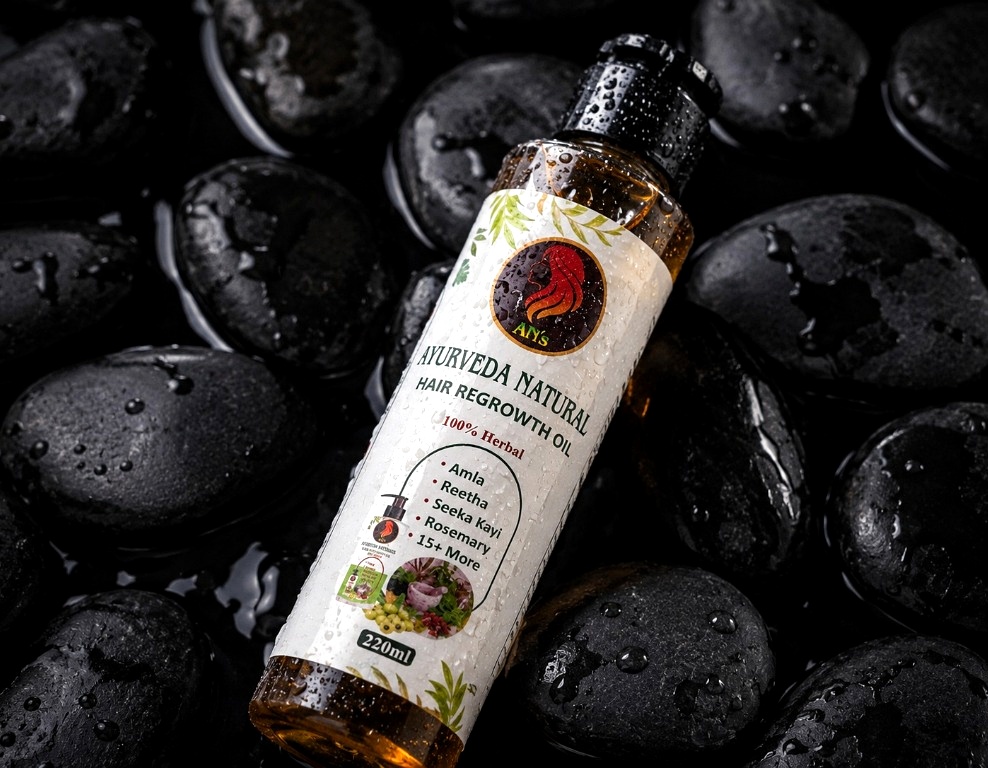
From a scientific standpoint, studies have shown that Eclipta Alba extract significantly reduces the amount of time it takes for hair follicles to transition from the telogen (resting) phase to the anagen (growth) phase. In animal models, topical application of Bhringraj extract has been proven to be more effective than 2% Minoxidil at stimulating hair growth, without any of the adverse side effects associated with synthetic chemicals. The herb works by increasing blood flow to the root and stimulating the proliferation of dermal papilla cells. Furthermore, Bhringraj is rich in wedelolactone and specific flavonoids that possess potent anti-inflammatory and hepatoprotective (liver-protecting) properties. By supporting liver function, Bhringraj helps detoxify the blood, ensuring that only pure, nutrient-rich blood reaches the hair follicles, thereby preventing the oxidative damage that leads to grey hair. If you want to harness the power of this incredible herb, consider incorporating the 15-Herbs Hair Regrowth Oil into your weekly routine, as it is expertly formulated with a high concentration of organic Bhringraj.
Deep Dive into Amla (Indian Gooseberry): The Antioxidant Powerhouse
Amla (Emblica Officinalis) is a cornerstone of Ayurvedic medicine, revered as a powerful Rasayana (rejuvenator). It is deeply cooling and incredibly effective at balancing all three doshas, but it is particularly beneficial for pacifying Pitta. Amla is arguably the richest natural source of Vitamin C on the planet, containing nearly 20 times the Vitamin C of an orange.
Scientifically, the high concentration of Vitamin C in Amla is vital for the synthesis of collagen, the structural protein that makes up the hair shaft and supports the dermis of the scalp. Collagen degradation is a primary reason why hair becomes thin, weak, and brittle as we age. By boosting collagen production, Amla dramatically increases the tensile strength of the hair, reducing breakage and split ends. Moreover, Amla is packed with powerful antioxidants, including tannins, gallic acid, and ellagic acid, which aggressively scavenge free radicals that cause premature greying.
Remarkably, recent pharmacological studies have revealed that Amla extract acts as a potent inhibitor of the enzyme 5-alpha-reductase. This is the exact same mechanism of action utilized by prescription hair loss drugs like Finasteride. The 5-alpha-reductase enzyme is responsible for converting testosterone into Dihydrotestosterone (DHT), the primary hormone responsible for androgenetic thinning hair (male and female pattern extreme thinning). By naturally inhibiting this enzyme, Amla protects the hair follicles from DHT-induced miniaturization, effectively halting hair fall at its hormonal root.
Deep Dive into Brahmi (Bacopa Monnieri) and Hibiscus: The Calm and The Bloom
Another monumental herb in Ayurvedic haircare is Brahmi, renowned primarily as a nervine tonic that profoundly calms the mind and enhances cognitive function. From a haircare perspective, Brahmi's ability to alleviate stress is its most significant asset. Since stress is a primary trigger for Vata and Pitta imbalances, which in turn lead to telogen effluvium (stress-induced hair loss), Brahmi acts as a powerful preventative measure. When applied topically, the alkaloids in Brahmi, such as bacosides, stimulate the proteins in the hair shaft, making them thicker and more resilient. The cooling nature of Brahmi immediately soothes an inflamed, itchy scalp, creating a serene environment that is highly conducive to hair proliferation.
Hibiscus, often referred to as the "Botox plant" of Ayurveda, is equally spectacular. The vibrant red petals and leaves of the Hibiscus plant are rich in naturally occurring alpha-hydroxy acids (AHAs), amino acids, and Vitamin C. The gentle exfoliating action of the AHAs removes dead skin cells and unclogs hair follicles without causing the irritation associated with synthetic chemical exfoliants. Furthermore, the high concentration of amino acids in Hibiscus provides the essential building blocks for keratin production. Keratin is the tough protein that forms the very structure of your hair. By supplying the follicle with abundant amino acids, Hibiscus significantly accelerates the rate of hair growth and reinforces the structural integrity of each strand, preventing breakage and shedding. Traditional Ayurvedic texts also highly recommend Hibiscus for its ability to naturally condition the hair, leaving it silky, bouncy, and deeply hydrated.
The Miraculous Benefits of Fenugreek (Methi) for Hair Density
Fenugreek, known as Methi in Ayurveda, is a humble kitchen spice that harbors extraordinary therapeutic properties for hair loss prevention. Methi seeds are incredibly rich in folic acid, Vitamin A, Vitamin K, and Vitamin C, alongside a high concentration of minerals such as potassium, calcium, and iron. Iron deficiency is one of the most common, yet frequently overlooked, causes of diffuse hair loss, particularly in women. While dietary iron is essential, topical application of iron-rich herbs like Fenugreek provides localized nourishment directly to the depleted follicles.
Scientifically, Fenugreek seeds contain unique compounds called phytoestrogens, which are plant-based estrogens. These compounds help to counteract the effects of hormonal imbalances that often lead to hair thinning. Additionally, Methi seeds are packed with mucilage, a slippery, gel-like substance that is released when the seeds are soaked in water. This mucilage is a natural humectant; it draws moisture into the hair shaft and binds it there, providing intense, long-lasting hydration. This makes Fenugreek an exceptional remedy for pacifying the dry, brittle qualities of an aggravated Vata dosha. Regular application of a Fenugreek paste or infused oil not only halts hair fall but also dramatically improves hair density, adding significant volume and thickness to thinning hair.
The Cleansing Power of Neem and Shikakai
While nourishing the roots is essential, maintaining a clean, infection-free scalp is equally critical for preventing hair loss. An inflamed, dandruff-ridden scalp is a hostile environment for hair growth. This is where the Ayurvedic herbs Neem (Azadirachta Indica) and Shikakai (Acacia Concinna) shine.
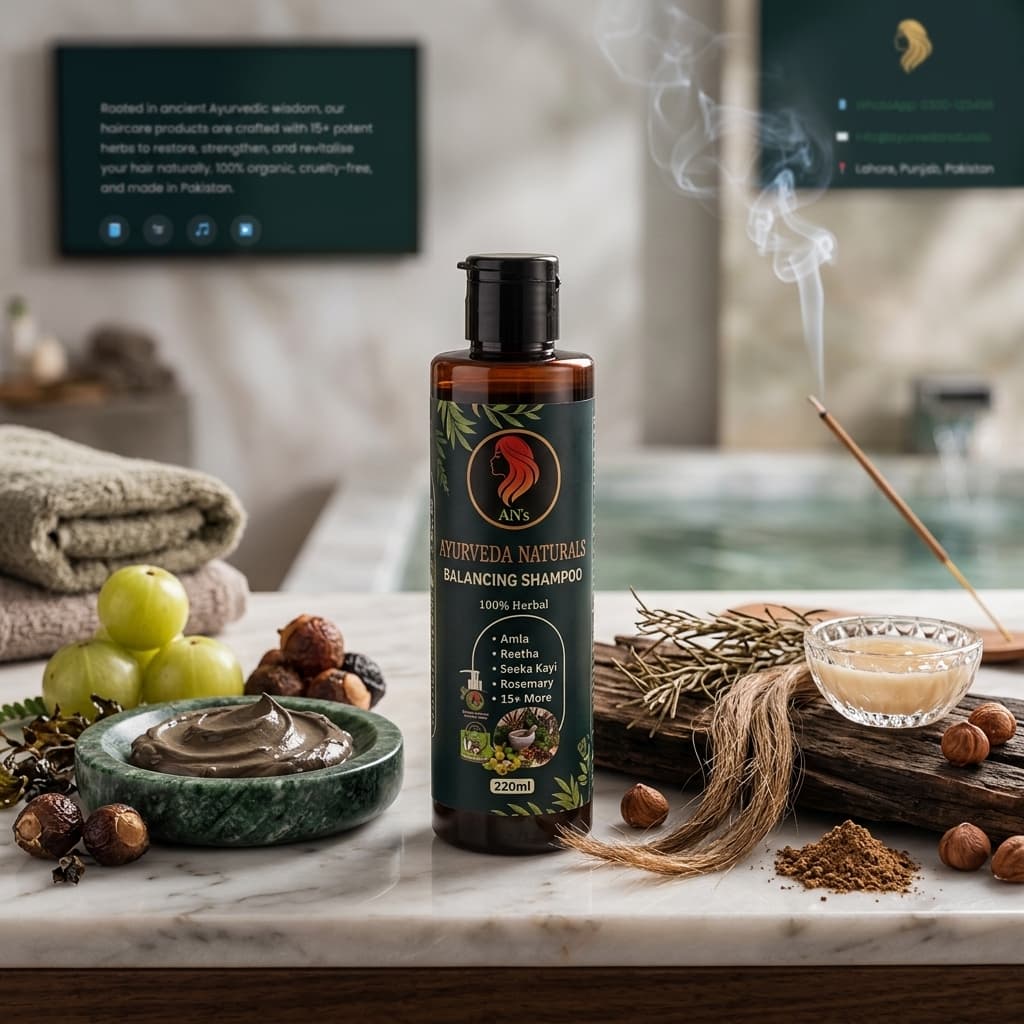
Neem is celebrated in Ayurveda for its exceptional antimicrobial, antifungal, and anti-inflammatory properties. It deeply purifies the scalp, eliminating the Malassezia impurities that causes severe dandruff and severe flaking. By clarifying the scalp and soothing irritation, Neem creates a healthy foundation for hair to thrive. Shikakai, on the other hand, translates to "fruit for the hair." It contains natural saponins that gently cleanse the scalp of excess sebum and product buildup without stripping away the natural oils. Unlike harsh chemical sulfates found in commercial shampoos, which aggravate Pitta and strip the scalp's protective barrier, Shikakai maintains the natural pH of the scalp. For a truly holistic cleansing experience that utilizes these ancient herbs, try washing your hair with a naturally formulated Purifying Herbal Shampoo.
Integrating Ayurvedic Daily Routines (Dinacharya)
Ayurveda places immense emphasis on Dinacharya, or daily routines, to maintain the delicate balance of the doshas. Consistency in your daily habits acts as an anchor, preventing the physiological fluctuations that trigger hair loss. Waking up early, ideally before sunrise during the Vata time of the morning, allows you to attune your body's circadian rhythms with nature. This natural alignment optimizes hormonal secretion, including the hormones responsible for regulating the hair growth cycle.
Hydration is another critical component of Dinacharya. However, Ayurveda advises against drinking ice-cold water, as it shocks the digestive system and extinguishes the digestive fire (Agni), leading to the accumulation of toxins (Ama). Instead, sipping warm or room-temperature water infused with cooling herbs like mint, fennel, or coriander throughout the day helps to gently flush toxins from the body and maintain internal hydration, which directly translates to a hydrated, healthy scalp.
Furthermore, ensuring adequate, high-quality sleep is non-negotiable for hair health. The body undergoes its most intense cellular repair and regeneration processes during deep sleep. For individuals with a Pitta imbalance, winding down before bed is crucial. Disconnecting from electronic devices, which emit heat and stimulating blue light, and engaging in calming activities such as reading or gentle stretching, prepares the nervous system for restorative sleep. Rubbing a few drops of pure, cooling coconut oil or Brahmi oil onto the soles of your feet before bed is a traditional Ayurvedic practice that instantly draws excess Pitta heat downward, away from the head, promoting deep, uninterrupted sleep and protecting your hair follicles from nocturnal stress-induced inflammation.
Building Your Ayurvedic Haircare Routine
Knowledge of Ayurvedic principles and herbs is only the beginning; the true magic lies in the consistent application of these practices. Building a traditional Ayurvedic haircare routine is a ritual of self-care that requires patience, mindfulness, and a commitment to utilizing pure, organic ingredients. Here is a step-by-step guide to establishing a hair loss prevention regimen based on the timeless wisdom of Ayurveda.
Step 1: Deep Oiling (Shiro Abhyanga)
The cornerstone of Ayurvedic haircare is the practice of warm oil massage. At least twice a week, ideally before bedtime or a few hours before washing your hair, gently heat a high-quality, herb-infused Ayurvedic hair oil. Using your fingertips, massage the warm oil into your scalp using circular motions. This mechanical action stimulates the blood vessels, delivering oxygen and nutrients to the hair bulb, while the active compounds in the herbs penetrate deeply into the dermal layers. The massage itself calms the Vata dosha in the nervous system, drastically reducing stress, while cooling herbs in the oil pacify the Pitta dosha. Leave the oil in for a minimum of two hours, or overnight for maximum absorption and deep tissue repair.
Step 2: Gentle Cleansing
When it is time to wash your hair, it is imperative to avoid synthetic shampoos laden with sulfates (SLS/SLES), parabens, and artificial fragrances. These chemicals strip the hair of its natural lipids, causing the scalp to overcompensate by producing excess oil, leading to a vicious cycle of damage and irritation. Instead, cleanse your hair with gentle, herbal formulations containing natural surfactants like Reetha (Soapnut) and Shikakai. These botanicals clean the hair effectively while preserving its structural integrity and moisture balance. Always wash your hair with lukewarm or cool water; hot water aggravates Pitta dosha, damages the cuticle, and can weaken the hair roots.
Step 3: Herbal Hair Masking (Lepa)
Once a week, treat your scalp to an Ayurvedic hair mask (Lepa) to provide an intensive dose of nutrition and detoxification. You can create a powerful, Pitta-pacifying mask by mixing organic powders of Amla, Brahmi, and Hibiscus with plain yogurt or aloe vera gel. Aloe vera is deeply cooling and hydrating, making it an excellent carrier for the herbs. Apply the paste generously to your scalp and the lengths of your hair, leaving it on for 30 to 45 minutes before rinsing it out. This regular masking ritual fortifies the hair shaft, improves elasticity, and imparts a brilliant, natural shine.
The Importance of Consistency and Patience
In our modern, fast-paced world, we have grown accustomed to expecting overnight results from our skincare and haircare products. However, Ayurveda teaches us that true healing—especially the regeneration of complex biological structures like hair follicles—takes time. The hair growth cycle is long, and the follicles require consistent, uninterrupted nourishment over several months to transition from a state of distress to a state of robust health.
When you transition to an Ayurvedic haircare routine, you are committing to a journey of profound cellular repair. You may not see a dramatic transformation in the first two weeks, but as the herbs begin to detoxify your scalp, balance your doshas, and strengthen the newly forming hair beneath the skin's surface, the results will emerge. Over a period of three to six months, you will notice a significant reduction in hair fall, the cessation of premature greying, the appearance of new baby hairs along your hairline, and a remarkable improvement in the overall texture and vitality of your hair.
Ultimately, the science of Ayurvedic hair loss prevention is a profound reminder that we are intrinsically connected to the natural world. Our bodies are not isolated machines, but complex ecosystems that require balance, nourishment, and harmony. By aligning your lifestyle, diet, and haircare routine with the timeless wisdom of Ayurveda, you can cool the fires of Pitta, soothe the winds of Vata, and cultivate a foundation of deep, lasting health that radiates from the inside out—manifesting in a crown of beautiful, resilient, and thriving hair.
Ready to stop hair fall naturally?
Don't wait until it's too late. Experience the proven magic of our 100% organic, wild-harvested Ayurvedic formulations and start seeing real results in 14 days.
Free Shipping + Cash on Delivery