
Sulfate Free Shampoo Pakistan Online
Introduction: The Modern Haircare Dilemma and the Allure of Suds
For decades, the commercial beauty industry has conditioned us to believe that a satisfying, billowing cloud of lather is the ultimate indicator of cleanliness. We step into the shower, squeeze a dollop of our favorite brightly colored, synthetically fragranced shampoo into our palms, and scrub until our heads are covered in thick, white suds. It feels luxurious. It feels effective. But what if this deeply ingrained ritual is actually the root cause of your most persistent hair woes? The truth is, that mountain of foam is often a chemical illusion, a synthetic sleight of hand created by harsh detergents known as sulfates. As we awaken to the realities of what we are putting on our bodies and down our drains, a quiet revolution is taking place. People are turning away from the laboratory and back to the earth, rediscovering the ancient wisdom of Ayurvedic haircare and the profound benefits of organic products. That is why making the switch to a trusted sulfate free shampoo Pakistan online is essential for your hair's future.
In this comprehensive exploration of sulfates vs. herbal shampoos, we will delve deep into the science and the tradition of hair washing. We will expose the insidious damage caused by widely used chemicals like Sodium Laureth Sulfate (SLES) and Sodium Lauryl Sulfate (SLS). More importantly, we will unveil the superior, nurturing power of traditional Ayurvedic botanicals, specifically the legendary duo of Reetha (Soapnut) and Shikakai (Acacia Concinna). By understanding the stark contrast between synthetic stripping agents and nature's gentle cleansers, you will be empowered to make choices that not only transform the aesthetic appearance of your hair but also restore its fundamental health and vitality. If you have been battling with chronic dryness, unmanageable frizz, unexplained hair thinning, or a perpetually irritated scalp, the answers you seek may lie not in a newer, more expensive chemical formulation, but in the time-tested principles of Ayurveda.
The Harsh Reality of Sulfates: The True Cost of Sodium Laureth Sulfate
To truly appreciate the necessity of herbal shampoos, we must first understand the antagonist of our story: sulfates. Sulfates are a broad class of synthetic chemical surfactants—surface-active agents—that are primarily responsible for the foaming action in thousands of personal care products, from toothpaste and body wash to, most notably, shampoos. The most common offenders found on ingredient labels are Sodium Lauryl Sulfate (SLS) and its slightly milder cousin, Sodium Laureth Sulfate (SLES). Originally developed as heavy-duty industrial degreasers for cleaning car engines and garage floors, these inexpensive chemicals were swiftly adopted by the cosmetic industry because they excel at one thing: cutting through grease and creating massive amounts of cheap lather.
The mechanism by which SLES works is aggressive. A surfactant molecule has two ends: one that is attracted to water (hydrophilic) and one that is attracted to oil and dirt (lipophilic). When you massage a sulfate-laden shampoo into your scalp, the lipophilic ends aggressively bind to the sebum (natural oils), dirt, and product buildup on your hair. When you rinse, the water washes away the hydrophilic ends, taking the dirt and oil with them. This might sound ideal, but the problem lies in the indiscriminate nature of sulfates. Sodium Laureth Sulfate does not differentiate between excess, unwanted grime and the essential, protective lipid barrier that your scalp naturally produces to keep itself and your hair strands hydrated and healthy.
The damage caused by Sodium Laureth Sulfate is multifaceted and cumulative. First and foremost, sulfates brutally strip the hair and scalp of their natural moisture. This intense degreasing action leaves the hair cuticle—the outermost protective layer of the hair shaft—raised, roughened, and highly vulnerable. This manifests cosmetically as severe frizz, dullness, split ends, and a brittle texture that snaps easily under tension. For individuals with curly or coily hair types, which are naturally more prone to dryness, the regular use of SLES is practically a death sentence for curl definition and elasticity.
Furthermore, SLES wreaks havoc on the delicate ecosystem of the scalp, known as the scalp microbiome. Just like our gut, our scalp hosts a complex community of beneficial bacteria and fungi that protect against pathogens and maintain a healthy pH balance. Sulfates obliterate this microflora, leading to a compromised skin barrier. The result? A perpetually irritated, red, itchy, and inflamed scalp. In a desperate attempt to compensate for the sudden, drastic loss of oil, the sebaceous glands go into overdrive, producing excess sebum. This creates a frustrating, paradoxical cycle: your scalp feels greasy within a day of washing, prompting you to wash it again with the same harsh sulfate shampoo, thereby perpetuating the damage and the overproduction of oil.
There is also a significant correlation between long-term sulfate use and hair thinning. The chronic inflammation caused by SLES can damage the hair follicles over time, shortening the anagen (growth) phase of the hair cycle and leading to premature shedding. When the follicle is constantly assaulted by harsh detergents, it struggles to produce strong, resilient hair strands. If you are serious about preserving the thickness and longevity of your hair, eliminating Sodium Laureth Sulfate is non-negotiable.
Ayurvedic Haircare: Understanding the Doshas (Vata, Pitta, Kapha)
In stark contrast to the modern "one-size-fits-all" chemical approach, Ayurveda—the 5,000-year-old traditional system of medicine from India—offers a profoundly personalized and holistic perspective on health, including the health of our hair. Ayurveda teaches that the universe, and everything within it including our bodies, is composed of five elements: space, air, fire, water, and earth. These elements combine to form three primary life forces or energies known as Doshas: Vata, Pitta, and Kapha. Every individual has a unique constitution (Prakriti) made up of a specific ratio of these three doshas. When our doshas are in perfect harmony, we experience optimal health, vibrant skin, and lustrous hair. When they fall out of balance due to diet, stress, environmental factors, or the use of harsh chemicals like sulfates, disease and cosmetic issues arise.
Understanding your dominant dosha is the key to unlocking the perfect Ayurvedic haircare regimen.
Vata (Space and Air): The Vata dosha governs movement and communication. When it comes to hair, individuals with a dominant Vata constitution typically have hair that is naturally thin, fine, dry, and slightly wavy or curly. It is highly susceptible to static, split ends, and frizz. When Vata is out of balance (aggravated), the hair becomes excessively brittle, straw-like, and prone to rapid shedding and hair loss. The scalp may become parched and flaky, resembling dry dandruff. For Vata hair, the stripping action of Sodium Laureth Sulfate is devastating, as it removes the precious little moisture the scalp produces. Vata hair desperately needs deep nourishment, hydration, and grounding botanical oils.
Pitta (Fire and Water): The Pitta dosha governs metabolism and transformation. Individuals with Pitta-dominant hair generally have straight, fine to medium-textured hair that is soft and manageable. However, because Pitta is associated with heat, an imbalance often manifests as excessive heat in the body and scalp. Pitta aggravation is the primary culprit behind premature graying, premature extreme thinning, and a receding hairline. The scalp may become oily, inflamed, tender, and prone to conditions like folliculitis or red, inflammatory dandruff. Sulfates exacerbate Pitta imbalances by causing further inflammation and irritation, essentially adding fuel to the fire. Pitta hair requires cooling, soothing, and balancing herbs.
Kapha (Water and Earth): The Kapha dosha governs structure and lubrication. Those with a Kapha constitution are blessed with thick, heavy, lustrous, and strong hair. It is often deeply colored and wavy. However, when Kapha is imbalanced, the excessive earth and water elements lead to an overproduction of sebum. The hair can become excessively greasy, heavy, and limp very quickly. A Kapha imbalance can also cause large, sticky flakes of dandruff and a sluggish scalp circulation that impedes growth. While someone with Kapha hair might feel they need the strong degreasing power of sulfates, SLES actually triggers the rebound oil production mentioned earlier, trapping them in a cycle of grease. Kapha hair benefits from stimulating, clarifying, and purifying botanicals that cleanse without stripping.
By understanding this Ayurvedic framework, it becomes clear why a generic, chemical-laden shampoo fails so spectacularly. It ignores the unique energetic and physical needs of the individual, treating all hair as mere dirty fabric rather than living tissue connected to the body's holistic well-being.
Nature's Cleansers: Why Reetha and Shikakai are Superior to Sulfates
If we reject the harsh, synthetic reality of Sodium Laureth Sulfate, what is the alternative? Ayurveda offers a brilliant, elegant solution drawn straight from nature. For millennia, Indian women—renowned globally for their exceptionally long, thick, and lustrous hair—have relied on specific botanical fruits and pods to cleanse their hair. These natural alternatives do not merely clean; they actively nourish, condition, and heal the scalp. The crown jewels of Ayurvedic cleansing are Reetha and Shikakai. When used in combination, they form a synergistic powerhouse that renders chemical shampoos entirely obsolete.
Reetha (Soapnut): The Ayurvedic Answer to Synthetic Lather
Reetha, scientifically known as Sapindus mukorossi, and commonly referred to as the Indian Soapnut, is nature's perfect surfactant. Unlike SLES, which is synthesized in a laboratory using petroleum derivatives and harsh catalytic processes, Reetha is a dried fruit that falls straight from the tree. The secret to Reetha's cleansing power lies in its exceptionally high concentration of natural plant compounds called saponins.
Saponins are natural, biodegradable surfactants. When Reetha shells are soaked in water and agitated, these saponins are released, creating a mild, gentle, and surprisingly satisfying lather. However, the cleansing action of Reetha is fundamentally different from that of sulfates. While SLES aggressively binds to and rips away all oils, the saponins in Reetha work through a more delicate process of emulsification. They gently lift dirt, environmental pollutants, and excess sebum away from the scalp and hair shaft, suspending them in the water to be rinsed away, while deliberately leaving the essential lipid barrier intact.
Because Reetha preserves the scalp's natural oils, the hair retains its natural moisture, elasticity, and shine. Furthermore, Reetha possesses potent natural antimicrobial and antifungal properties. It actively fights the proliferation of the Malassezia impurities, which is the primary cause of dandruff, without disrupting the beneficial microflora of the scalp. Regular use of Reetha soothes an irritated scalp, prevents flakiness, and creates a healthy, balanced environment where hair follicles can thrive. It is the ultimate testament to the fact that you do not need harsh chemicals to achieve a deeply clean scalp.
Shikakai (Acacia Concinna): The Magical Fruit for Hair Health
While Reetha provides the cleansing lather, Shikakai is the ultimate botanical conditioner and treatment. Its name literally translates to "fruit for the hair" in Hindi, and it more than lives up to this bold moniker. Shikakai comes from the pod-like fruit of the Acacia concinna, a climbing shrub native to the warm plains of central and south India. Like Reetha, Shikakai also contains a small amount of natural saponins, providing a very mild cleansing action, but its true magic lies in its astonishing array of vitamins, antioxidants, and its unique chemical profile.
One of the most significant advantages of Shikakai over any commercial shampoo is its naturally low pH. The human scalp and hair shaft thrive in a slightly acidic environment, typically ranging between a pH of 4.5 and 5.5. This acidity keeps the hair cuticle tightly sealed, which locks in moisture, creates a smooth surface that reflects light (resulting in brilliant shine), and protects the inner cortex of the hair from damage. The vast majority of commercial shampoos, particularly those heavily laden with sulfates, are highly alkaline. This alkaline shock blasts the hair cuticle open, leading to friction, tangling, and severe moisture loss.
Shikakai, being naturally acidic, acts as an incredibly effective astringent. It gently cleanses while simultaneously sealing the hair cuticle tight. This makes Shikakai a phenomenal natural detangler, eliminating the need for heavy, silicone-based chemical conditioners that merely coat the hair in a synthetic film. The high levels of Vitamin C and Vitamin D found in Shikakai provide powerful antioxidant protection, neutralizing free radicals that cause oxidative stress and premature aging of the hair follicle.
Furthermore, Shikakai is deeply revered in Ayurveda for its ability to cool the scalp, making it an exceptional remedy for Pitta imbalances. It actively prevents premature graying, promotes thicker, stronger growth, and effectively treats persistent dandruff and scalp imbalances. When Shikakai is combined with Reetha, you have a complete, perfectly balanced, all-natural hair washing system that cleanses, conditions, balances the pH, and nourishes the scalp simultaneously.
Sulfates vs. Herbal Shampoos: A Comprehensive Head-to-Head Comparison
To truly cement the necessity of switching to Ayurvedic haircare, let us break down the differences between sulfate shampoos and herbal shampoos in a comprehensive, head-to-head comparison.
- Cleansing Mechanism:
- Sulfates (SLES/SLS): Aggressive chemical stripping. They indiscriminately remove all dirt, product, and essential natural sebum, leaving the hair and scalp parched and defenseless.
- Herbal Shampoos (Reetha/Shikakai): Gentle emulsification. Natural saponins lift away excess dirt and grease while preserving the crucial protective lipid barrier, maintaining the scalp's natural equilibrium.
- Impact on the Hair Cuticle:
- Sulfates: The high alkalinity and harsh detergents raise and roughen the hair cuticle, leading to friction, frizz, tangles, and structural damage that causes breakage.
- Herbal Shampoos: The naturally low pH of botanicals like Shikakai smooths and seals the cuticle flat, locking in moisture, increasing elasticity, and producing a brilliant, natural shine.
- Scalp Health and Microbiome:
- Sulfates: Disrupt the natural acid mantle, destroy beneficial scalp microflora, and trigger chronic inflammation. This often leads to itchiness, redness, contact dermatitis, and an overproduction of rebound oil.
- Herbal Shampoos: Respect and nourish the scalp microbiome. They offer natural antifungal and antibacterial properties that treat dandruff at the source while soothing irritation and balancing sebum production.
- Long-Term Effects on Hair Growth:
- Sulfates: Chronic inflammation and follicular damage from harsh chemicals can shorten the hair growth cycle, leading to increased shedding, thinning, and a lack of density over time.
- Herbal Shampoos: By maintaining a healthy, balanced, and nutrient-rich scalp environment, Ayurvedic herbs strengthen the hair roots, stimulate the follicles, and promote thick, healthy, and sustained hair growth.
- Environmental Impact:
- Sulfates: Synthetic chemicals derived from petroleum that are often toxic to aquatic life. They persist in the environment and contribute to the chemical pollution of our waterways.
- Herbal Shampoos: 100% biodegradable, sustainable, and derived from renewable plant sources. They return to the earth without leaving a toxic footprint.
The Transition Phase: Moving from Synthetic to Organic Haircare
Deciding to ditch the sulfates and embrace the healing power of Ayurvedic herbal shampoos is a monumental step toward achieving the best hair of your life. However, it is crucial to understand that this transition is exactly that—a transition. Your scalp and hair have been subjected to aggressive chemical manipulation for years, perhaps decades. Moving to a natural, gentle system requires a period of adjustment often referred to as the "detox phase."
When you first stop using Sodium Laureth Sulfate, your sebaceous glands are still accustomed to operating in overdrive, desperately trying to replace the oils that were being violently stripped away every day. Consequently, during the first few weeks of using an herbal shampoo, you might find that your hair feels oilier than usual, or perhaps a bit heavier. The natural saponins in Reetha and Shikakai are powerful, but they do not provide the instant, aggressive degreasing action you are used to.
During this phase, patience is your greatest ally. Resist the urge to reach for the old bottle of chemical shampoo. Your scalp needs time to realize that it is no longer under attack. Usually, within two to four weeks, a remarkable shift occurs. The sebaceous glands begin to downregulate their production of oil, finding their natural, balanced rhythm. The scalp heals, inflammation subsides, and your hair begins to reveal its true, unadulterated texture.
Another aspect of the transition is adjusting your expectations regarding lather. While Reetha does foam, it will never produce the massive, synthetic, bubbly mountains created by SLES. You have to unlearn the association between heavy suds and cleanliness. Herbal shampoos require a bit more mechanical action; you need to take the time to deeply massage the botanical extracts into your scalp using the pads of your fingers, allowing the herbs to do their therapeutic work. The result is a profoundly clean, balanced scalp, not just an illusion of cleanliness.
A Holistic Ayurvedic Haircare Routine for Optimal Growth and Health
True Ayurvedic haircare is not just about swapping one product for another; it is about adopting a holistic ritual that nourishes the hair from root to tip. To maximize the benefits of Reetha, Shikakai, and other potent botanicals, you must embrace the complete traditional routine.
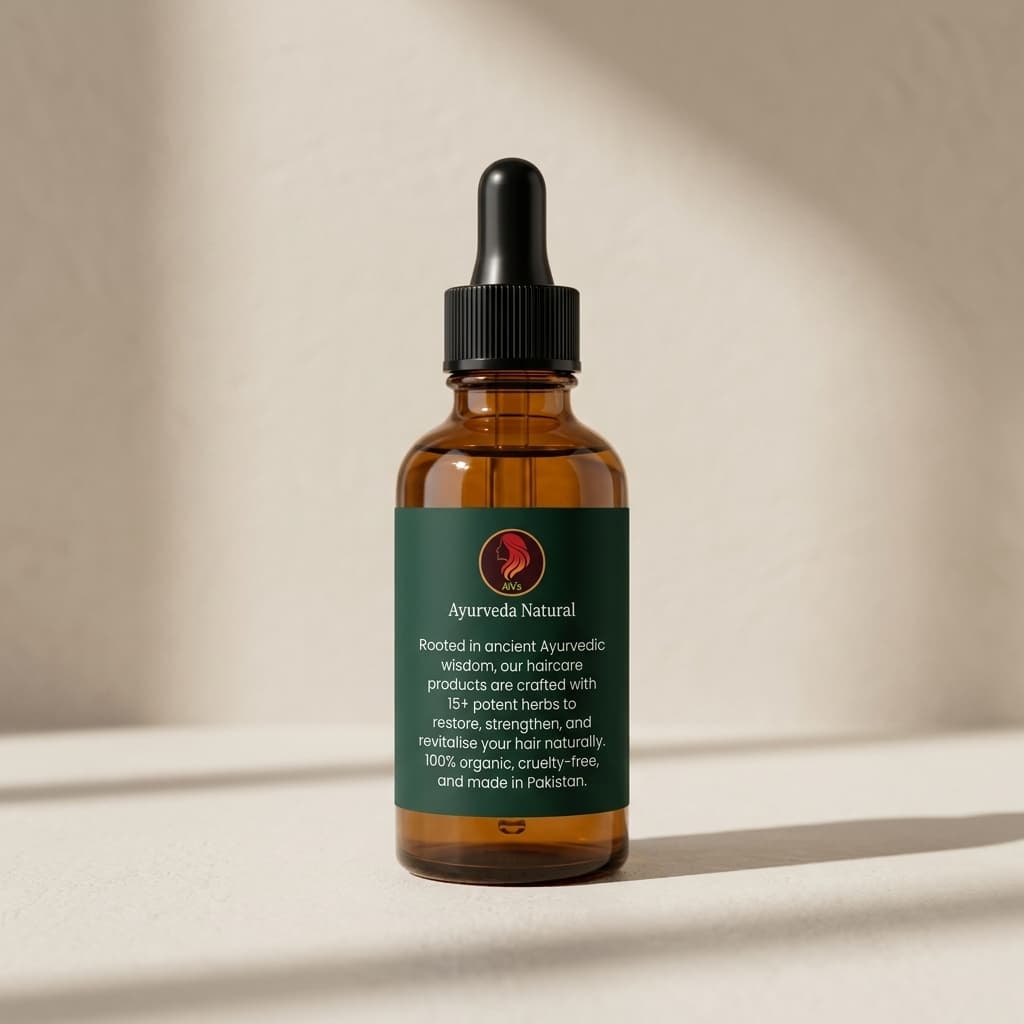
The foundation of any Ayurvedic hair regimen is regular scalp oiling, known as Shiro Abhyanga. This ancient practice is essential for pacifying the Vata dosha, deeply nourishing the hair follicles, improving blood circulation, and preparing the scalp for cleansing. Before you wash your hair, it is highly recommended to perform a vigorous, yet gentle, scalp massage using a potent, herb-infused oil. For unparalleled results in stimulating dormant follicles and combating hair fall, we highly recommend incorporating our 15-Herbs Hair Regrowth Oil into your weekly routine. This meticulously crafted formulation blends powerful Ayurvedic herbs in a base of pure, cold-pressed oils to provide the ultimate pre-wash treatment.
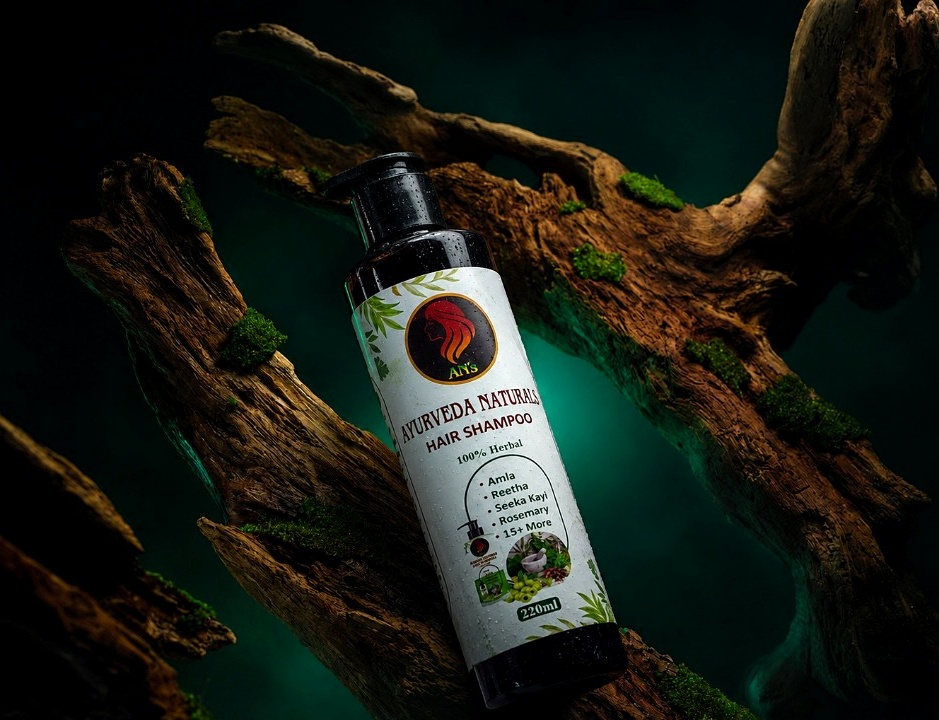
After allowing the oil to deeply penetrate the scalp for at least an hour (or preferably overnight), it is time to cleanse. This is where you step away from the damaging sulfates and embrace the power of nature. Instead of reaching for a chemical detergent, wash away the excess oil and impurities using our Purifying Herbal Shampoo. Expertly formulated with high concentrations of Reetha, Shikakai, Amla, and other balancing botanicals, this shampoo provides the perfect, gentle cleanse. It removes dirt without stripping your natural lipids, balances the scalp's pH, and infuses your hair with essential nutrients.
By consistently following this two-step process—nourishing oil followed by a gentle, sulfate-free herbal cleanse—you are completely transforming the environment in which your hair grows. You are moving away from a cycle of damage and repair, and entering a state of constant, holistic nourishment. To explore our complete range of authentic, chemical-free solutions and truly commit to your hair's health, we invite you to Shop All Organic Haircare. Every product is a testament to the belief that nature provides everything we need for radiant beauty.
Conclusion: Reclaiming Your Hair's Natural Glory with Ayurveda
The debate between sulfates vs. herbal shampoos is not merely a matter of preference; it is a fundamental choice about how we treat our bodies. For too long, we have accepted the harsh, stripping action of Sodium Laureth Sulfate as an inevitable part of being clean. We have endured dry, brittle hair, irritated scalps, and thinning strands, masking the damage with synthetic silicones and quick-fix styling products. But the illusion is shattering.
Ayurveda offers us a path back to true health. By understanding our unique doshic constitution and utilizing the profound, gentle power of botanical cleansers like Reetha and Shikakai, we can break free from the cycle of chemical dependency. We can cleanse our hair without compromising its structural integrity. We can soothe our scalps, balance our natural oils, and create the optimal environment for vigorous, healthy growth.
Making the switch to organic, Ayurvedic haircare is an act of deep self-care. It requires a willingness to unlearn the marketing myths of the modern cosmetic industry and a commitment to patience during the transition phase. But the rewards are immeasurable. When you finally experience the incredible softness, the brilliant shine, and the undeniable strength of hair that has been nurtured by nature rather than assaulted by chemicals, you will understand why these ancient traditions have survived for millennia. Your hair is an extension of your vitality. Nourish it with the earth's wisdom, and watch it thrive.
Ready to stop hair fall naturally?
Don't wait until it's too late. Experience the proven magic of our 100% organic, wild-harvested Ayurvedic formulations and start seeing real results in 14 days.
Free Shipping + Cash on Delivery