
Sulfate-Free Shampoo for Frizzy Hair in Pakistan: A Practical Routine
Sulfate-Free Shampoo for Frizzy Hair in Pakistan: A Practical Routine
Short answer: a sulfate-free shampoo can be a comfortable option for frizzy hair when the formula cleans your scalp without leaving dry lengths feeling stripped. It is not a cure for frizz; humidity, damage, curl pattern, water temperature, and drying technique all matter.
What sulfate-free actually means
Sulfate-free shampoos use cleansing agents other than common sulfates. That label does not tell you exactly how gentle, moisturising, or suitable a formula will be. Read the full ingredient list, consider fragrance sensitivity, and judge the product by how your scalp and hair respond over several washes.
Build a frizz-conscious wash day
- Detangle gently before washing, especially if your hair is curly or long.
- Use lukewarm water and concentrate shampoo at the scalp.
- Rinse well; residue can make hair look dull and heavy.
- Condition the mid-lengths and ends.
- Blot with a soft towel or cotton T-shirt instead of rubbing.
- Use heat protectant before hot tools and keep styling heat moderate.
Pakistan humidity and dry lengths
High humidity can make raised cuticles and textured hair appear more frizzy. The answer is not necessarily to wash less or add lots of oil at the root. Keep scalp cleansing separate from length conditioning, avoid brushing dry curls aggressively, and protect hair from sun and heat where practical. If the hair feels coated, clarify only as often as your routine genuinely needs.
What a shampoo cannot do
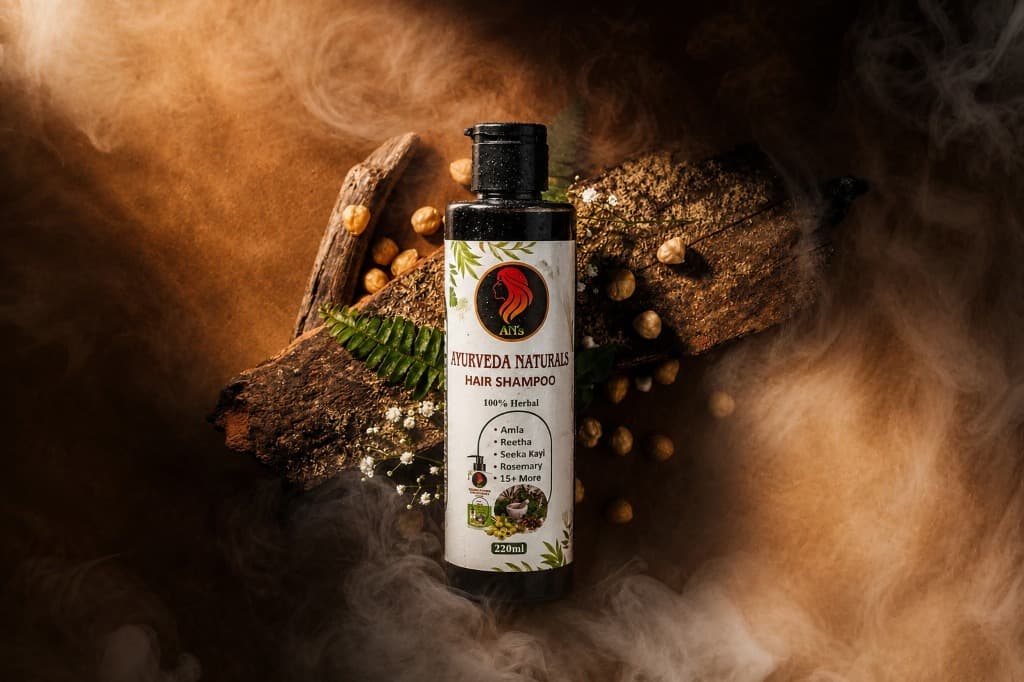
Shampoo cannot repair permanently split ends or promise faster growth. Trim damaged ends when needed and seek professional advice for scalp inflammation, significant breakage, or unexplained shedding. Our oily scalp, dry ends guide helps separate scalp cleansing from length care. You can also review the Purifying Hair Shampoo ingredient list to decide whether it fits your routine.
FAQ
Will switching shampoo stop frizz immediately?
It may change how hair feels after washing, but frizz usually needs a whole routine: gentler handling, conditioning, and humidity-aware styling.
Can I use oil on frizzy hair?
A small pre-wash amount on dry lengths can suit some people. Avoid heavy root application if your scalp is oily or flaky.
Why frizz happens after a seemingly good wash
Frizz is not a sign that hair is dirty or that you have failed to find the right oil. It is the visible result of many small factors: the natural shape of the strand, humidity, raised or worn cuticles, heat damage, bleaching, brushing, rough drying, and residue. Curly and wavy hair is often more prone to frizz because its bends make it harder for natural scalp oils to travel from root to tip. Straight hair can frizz too, especially when the ends are dry and the weather is humid.
That is why a single label cannot solve the problem. A sulfate-free shampoo may be a comfortable part of a routine when it cleans without making the lengths feel squeaky or tangled, but it should be judged alongside conditioner, drying technique, styling heat, and how often you wash. Treat it as a practical cleansing choice, not a repair claim.
What to expect from a sulfate-free formula
Sulfate-free shampoos use cleansing agents other than common sulfates. Some lather generously and some less so; foam is not a reliable measure of cleaning. Some are light enough for oily roots, while others are rich enough to leave fine hair coated. Read the complete ingredient list and follow the directions rather than assuming every sulfate-free option behaves the same way.
If you regularly use a pre-wash oil, thick styling cream, dry shampoo, or hairspray, rinse time matters. A shampoo that is gentle but not rinsed fully can leave hair dull. Start with a modest amount on the scalp and add a second light cleanse only when you have genuine buildup. Putting large amounts of shampoo through fragile ends is rarely necessary.
A wash-day routine for frizz-prone hair
- Before showering, separate tangles with fingers or a wide-tooth comb. Do not pull through knots.
- Wet hair completely with lukewarm water. Very hot water can leave skin and lengths feeling dry.
- Apply shampoo at the scalp and massage with finger pads. Let the rinse carry cleanser down the lengths.
- Rinse until the scalp no longer feels slippery or coated.
- Apply conditioner from mid-lengths to ends. Use the contact time stated on the product.
- Rinse according to your preference and the product instructions, then blot with a soft towel or cotton T-shirt.
- Apply a leave-in product only if it suits your hair, and avoid repeatedly touching hair while it dries.
Humidity strategies that do not require a product overload
Humidity can make hair absorb water from the air and change shape. Instead of adding several oils at the roots, protect the lengths through gentle handling. Dry hair without rough rubbing, use a heat protectant before hot tools, and choose a loose style that does not create tension. If you brush textured hair dry, it may expand and look frizzier; detangling while conditioned or damp may be more comfortable for your hair type.
In very humid weather, simplify. A clean scalp, conditioned lengths, and one compatible styling product are easier to assess than a mix of serum, oil, mask, and spray. If hair starts to feel stiff, greasy, or dull, review how much product is being layered rather than assuming it needs more moisture.
Frizz, breakage, and hair loss are different concerns
Frizz is largely cosmetic. Breakage means the fibre is snapping, and hair loss involves hairs leaving the follicle. They can occur together, but they are not identical. A gentle routine can improve manageability and reduce mechanical damage, yet it cannot diagnose a widening part, abrupt shedding, or smooth patches. Seek a dermatologist for persistent or sudden loss, scalp pain, inflammation, or changes in eyebrow hair.
For roots that are oily while the lengths frizz, follow our oily-scalp, dry-ends shampoo routine. The American Academy of Dermatology healthy hair guidance also covers practical ways to reduce breakage from heat and handling.
Common mistakes to avoid
- Washing the ends aggressively to make them feel “clean.”
- Using nails to scrub the scalp.
- Skipping conditioner when the lengths are dry or chemically treated.
- Applying heavy oil directly to an already oily scalp.
- Using hot tools without a heat protectant.
- Expecting a shampoo to permanently repair split ends or guarantee growth.
How to choose a formula in Pakistan
Consider your water, weather, commute, and styling habits. If you sweat often or cover your hair for long periods, you may need more frequent scalp cleansing than someone with dry hair who rarely uses products. If you colour or bleach your hair, conditioning and heat protection may matter more than switching shampoos repeatedly. Review the current ingredients and directions for the Purifying Hair Shampoo before deciding whether it fits your routine.
How to tell whether dryness is coming from the routine
Before blaming a shampoo, review the full sequence around it. Hair can feel dry because it is being shampooed with very hot water, towel-rubbed, brushed aggressively while wet, or heat-styled after every wash. Colour treatments, straightening, and sun exposure can add to the problem. Changing only the cleanser while keeping all of those habits in place may not give useful information.
Try changing one variable for two weeks. For example, keep your shampoo but use conditioner every wash and stop rubbing with a towel. Or keep your conditioner but lower the temperature of styling tools. Record whether the ends feel less rough and whether tangles reduce. This is more reliable than changing products after one wash.
Fine hair, thick hair, curls, and colour treatment
Fine hair can be weighed down easily, so use conditioner sparingly and keep oils away from the roots. Thick or coarse hair may need more conditioning time and gentler detangling in sections. Wavy and curly hair often benefits from reducing dry brushing and using a styling method that respects its pattern. Colour-treated hair needs special care around heat and mechanical stress because the ends may be more porous and fragile. These are broad starting points, not diagnoses; comfort and manageability remain the best routine tests.
Frizz-friendly styling after washing
Once hair is conditioned, use hands to distribute any compatible leave-in product through the lengths. Avoid piling several serums and oils together because residue can make the hair look dull. Air-dry when practical, or use a diffuser or dryer on moderate heat with a heat protectant. Do not repeatedly touch, brush, or reshape hair while it dries. If you wear a protective style, make sure it is not tight at the roots.
Questions to ask before buying a new shampoo
- What is my scalp actually asking for: more frequent cleansing, less fragrance, dandruff care, or simply better rinsing?
- Are my lengths dry because of processing or handling rather than the cleanser alone?
- Can I use this formula consistently within my budget and wash schedule?
- Do I have a history of reactions to fragrance or essential oils?
- Would a conditioner, trim, or heat adjustment solve more of the problem than another shampoo?
FAQ: sulfate-free shampoo and frizz
Does less lather mean my hair is not clean?
No. Lather and cleaning are not the same thing. Judge a wash by a comfortable scalp, thorough rinsing, and manageable lengths.
Can I use a clarifying shampoo with frizzy hair?
Some routines need occasional deeper cleansing for product buildup, but frequency depends on your hair and products. Follow directions and condition the lengths afterwards.
What if my scalp is flaky as well as frizzy?
Address the scalp separately. Persistent flakes, itch, redness, or pain may need an evidence-based dandruff product or clinical advice.
Make the routine work across the week
A good wash day can be undone by the way hair is handled between washes. Sleep on a smooth, clean pillowcase if friction is a problem. Keep combs and brushes free of product buildup. Avoid repeatedly tying wet hair tightly, since hair is more vulnerable when wet. If you exercise or commute in heat, focus on drying sweat at the scalp and washing when it is genuinely needed rather than adding several leave-in products to mask the feeling.
Use a small reset when frizz feels worse: return to shampoo, conditioner, gentle drying, and one styling product for a few washes. If hair improves, add products back one at a time only if they serve a clear purpose. This prevents a common issue where a product intended for shine becomes another layer of residue.
Protecting hair from heat and friction
Heat is a major contributor to dry, rough-feeling lengths. If you use a dryer, choose a moderate setting and keep it moving. Use a heat protectant before a straightener or curling tool, and lower the temperature where possible. Try not to make heat styling the only way hair can look presentable; a routine that depends on daily high heat makes it difficult to tell whether shampoo changes are helping.
Friction also matters. Detangle from the ends upward, support the hair above a knot, and avoid yanking through it. When wearing a scarf, helmet, or hair tie, choose a fit that does not create repeated rubbing at the same hairline area. These simple adjustments can improve the look of frizz without a stronger cleanser.
When to stop experimenting
Stop a new shampoo or styling product if it causes burning, rash, swelling, or a clear worsening of itch. Return to the simplest product you know you tolerate and get advice if symptoms do not settle. If you are seeing sudden shedding, smooth patches, pain, or marked scalp scale, do not keep switching formulas in search of a cosmetic fix. A dermatologist can assess whether a medical cause needs treatment.
Summary
A sulfate-free shampoo for frizzy hair in Pakistan can be a sensible part of a routine, but it is not the whole routine. Cleanse the scalp according to its needs, condition the lengths, dry with less friction, protect hair from heat, and avoid product overload. Evaluate comfort and manageability over several washes. That gives you better information than a quick product claim and keeps space for professional help when scalp or hair-loss symptoms need it.
Example routines by hair situation
Oily roots and frizzy ends: wash the scalp as needed, use conditioner only through the lower lengths, and reserve oil for a small pre-wash amount on the ends. Avoid smoothing oil over the roots to control surface frizz; it often makes the next wash feel more urgent.
Dry, curly, or wavy hair: detangle while conditioned, use a gentle towel blot, and minimise dry brushing. Choose a wash frequency that keeps the scalp comfortable without repeatedly drying already fragile ends.
Colour-treated hair: reduce heat and chemical overlap. A sulfate-free shampoo may fit the routine, but conditioning, heat protection, and a professional trim for splitting ends are equally important.
Check results at the right interval
Assess a shampoo after several comparable washes, not after one unusually humid day or a new haircut. Ask whether your scalp feels calm, whether the hair rinses cleanly, whether the ends are easier to detangle, and whether you are using less heat or force to style it. If the answer is no, change one part of the routine at a time. If there is burning, rash, or worsening scalp symptoms, stop and get advice rather than trying to “push through” an adjustment period.
Final checklist before you switch
- Choose for scalp comfort, not a growth promise.
- Read the full ingredient list and directions.
- Use conditioner on dry lengths.
- Rinse thoroughly, especially after oil or styling products.
- Protect hair from heat, friction, and tight styles.
- Seek medical advice for sudden, patchy, painful, or persistent hair loss.
Keep the goal realistic
The best result from a frizz-focused routine is hair that feels cleaner at the scalp, softer through the lengths, and easier to style with less force. It is not perfectly smooth hair in every climate, and it is not a medical treatment. Texture is normal. If a routine makes you spend less time fighting your hair, avoids irritation, and helps you use less damaging heat, it is doing useful work.
Review that goal after a few weeks. Keep what improves comfort and manageability, remove what adds buildup or irritation, and consult a professional for scalp disease or persistent hair-loss changes. This approach is slower than chasing every trend, but it is safer and gives much clearer information about what your hair actually needs.
Plan your next wash, not a perfect routine
Before the next wash, decide only three things: whether the scalp needs cleansing, whether the ends need conditioner, and whether you will use heat. This prevents product overload. If the scalp is comfortable and the lengths are manageable, leave the routine unchanged. If one part is not working, adjust one variable and observe the result over several washes.
Use this same approach during travel, humid weather, or a change in styling routine. Small, deliberate adjustments are easier on hair and easier to evaluate than a complete product reset.
Ready to stop hair fall naturally?
Don't wait until it's too late. Experience the proven magic of our 100% organic, wild-harvested Ayurvedic formulations and start seeing real results in 14 days.
Free Shipping + Cash on Delivery