
Rosemary Oil Vs Bhringraj Oil For Hair Growth
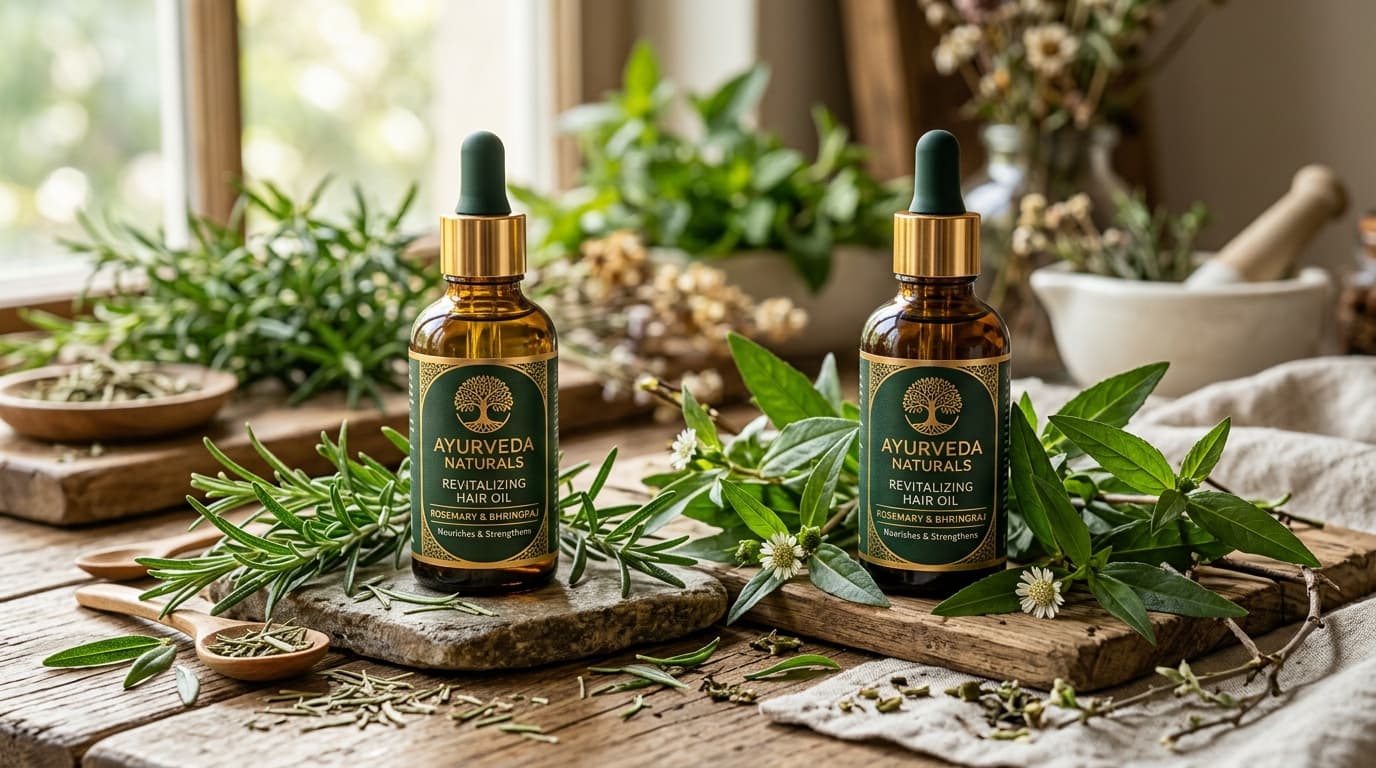
Rosemary Oil vs Bhringraj Oil for Hair Growth: The Ultimate Guide
When embarking on a journey to naturally enhance hair growth, combat hair thinning, or restore the vitality of your scalp, two potent botanical extracts often rise to the top of the conversation: Rosemary Oil and Bhringraj Oil. The debate of Rosemary Oil vs Bhringraj Oil for hair growth has captivated natural wellness enthusiasts, dermatologists, and Ayurvedic practitioners alike. Both of these remarkable oils possess centuries of traditional use and an increasing body of modern scientific evidence backing their efficacy in stimulating hair follicles, reducing hair fall, and promoting a thicker, healthier mane. But which one should you choose?
In this comprehensive, definitive guide, we will delve deeply into the unique properties, biochemical compositions, historical contexts, and clinically proven benefits of both rosemary essential oil and Bhringraj (Eclipta alba) oil. By the end of this extensive analysis, you will possess all the knowledge required to make an informed decision on whether to incorporate rosemary oil, Bhringraj oil, or a synergistic blend of both into your daily hair care regimen.

Understanding the Basics: What Causes Hair Loss?
Before we can fully appreciate the mechanisms by which rosemary oil and Bhringraj oil function, it is essential to understand the underlying causes of hair loss (alopecia). Hair loss is a complex, multifactorial condition that can be triggered by a wide array of genetic, hormonal, environmental, and nutritional factors. The most common form of hair loss is Androgenetic Alopecia (AGA), commonly referred to as male or female pattern baldness. AGA is strongly associated with the hormone dihydrotestosterone (DHT), a derivative of testosterone that binds to androgen receptors in the hair follicles, leading to their gradual miniaturization and eventual cessation of hair production.
Other significant causes of hair loss include Telogen Effluvium (stress-induced hair shedding), Alopecia Areata (an autoimmune condition), scalp inflammation, fungal infections, poor scalp microcirculation, and nutritional deficiencies. To effectively combat these issues, natural remedies must offer a multifaceted approach: they must improve blood circulation to the dermal papilla, deliver antioxidant protection against cellular oxidative stress, reduce scalp inflammation, and ideally, inhibit the conversion of testosterone into DHT.
This is precisely where the comparison of Rosemary Oil vs Bhringraj Oil for hair growth becomes incredibly relevant. Both of these plant-based powerhouse ingredients have been shown to address these critical pathological pathways, albeit through slightly different biochemical mechanisms.
What is Rosemary Oil? A Scientific Breakdown
Rosemary (Rosmarinus officinalis) is an aromatic, evergreen shrub native to the Mediterranean region. While it is widely recognized as a culinary herb, its essential oil has been utilized for centuries in traditional European medicine to improve memory, soothe muscle aches, and stimulate hair growth. In recent years, rosemary oil has experienced a massive resurgence in popularity, largely driven by viral social media trends and, more importantly, compelling scientific validation.
The Chemical Composition of Rosemary Essential Oil
The efficacy of rosemary oil for hair growth is rooted in its robust phytochemical profile. The essential oil is extracted via steam distillation of the plant's flowering tops and leaves. It contains several key bioactive compounds:
- Carnosic Acid: A potent antioxidant and anti-inflammatory compound. Carnosic acid has been shown to heal nerve tissue, promote cellular turnover, and protect the scalp from oxidative stress caused by UV radiation and environmental pollutants.
- Rosmarinic Acid: Another powerful antioxidant that boasts strong anti-inflammatory and antimicrobial properties, helping to maintain a healthy scalp microbiome.
- Ursolic Acid: Known for its ability to increase blood circulation, ursolic acid helps deliver vital oxygen and nutrients directly to the hair follicles.
- 1,8-Cineole (Eucalyptol): This compound provides the characteristic camphoraceous scent of rosemary and acts as a vasodilator, further enhancing scalp microcirculation.
- Alpha-Pinene and Camphor: Both possess antimicrobial and antifungal properties, making them highly effective against dandruff and scalp infections.
How Rosemary Oil Promotes Hair Growth
The mechanism of action for rosemary oil is largely centered around its ability to dramatically increase cellular metabolism and blood flow. When applied topically to the scalp (always diluted in a carrier oil), rosemary essential oil stimulates the microcapillaries surrounding the hair follicles. This surge in blood flow delivers oxygen and essential nutrients necessary for the anagen (growth) phase of the hair cycle.
Furthermore, one of the most groundbreaking discoveries regarding rosemary oil is its potential to act as a natural DHT blocker. By inhibiting the 5-alpha-reductase enzyme—the enzyme responsible for converting testosterone into DHT—rosemary oil helps prevent the miniaturization of hair follicles, making it a formidable natural alternative to pharmaceutical treatments.
What is Bhringraj Oil? The King of Herbs in Ayurveda
On the other side of the globe, specifically in the Indian subcontinent, Bhringraj (Eclipta alba or Eclipta prostrata) has reigned supreme as the ultimate hair care remedy for millennia. In Ayurvedic medicine, Bhringraj is reverently referred to as "Keshraj," which translates to "The Ruler of the Hair" or "The King of Herbs for Hair." Unlike rosemary, which is typically utilized as a concentrated essential oil, Bhringraj oil is traditionally prepared as an infused herbal oil (a maceration). The leaves of the Bhringraj plant are boiled or infused in a base carrier oil—usually sesame oil, coconut oil, or almond oil—to extract the plant's potent fat-soluble phytochemicals.
The Chemical Composition of Bhringraj
Bhringraj is a pharmacological treasure trove, containing a diverse array of secondary metabolites that contribute to its profound therapeutic effects on the scalp and hair:
- Wedelolactone and Demethylwedelolactone: These coumestan derivatives are the primary active constituents of Bhringraj. They possess remarkable hepatoprotective (liver-protecting), anti-inflammatory, and hair growth-promoting activities.
- Ecliptine: An alkaloid unique to the Eclipta genus, known for its stimulating effects on cellular regeneration.
- Flavonoids (Luteolin, Apigenin): Powerful antioxidants that neutralize free radicals, preventing premature graying and oxidative damage to the hair shaft.
- Triterpenoid Glycosides: These compounds exhibit strong antimicrobial and antifungal properties, which are crucial for treating scalp conditions like seborrheic dermatitis and dandruff.
- Polypeptides and Minerals: Bhringraj is naturally rich in essential nutrients, including iron, vitamin E, magnesium, and calcium, providing direct nourishment to the hair roots.
How Bhringraj Oil Promotes Hair Growth
According to Ayurvedic principles, hair loss and premature graying are often attributed to an excess of Pitta dosha (the fire element) in the body. Bhringraj is highly prized for its cooling properties, which pacify Pitta, soothe scalp inflammation, and alleviate stress—a major contributor to Telogen Effluvium.
From a modern pharmacological perspective, Bhringraj oil accelerates the transition of hair follicles from the telogen (resting) phase to the anagen (growing) phase. It significantly reduces the telogen phase duration, meaning hair begins to grow back much faster after shedding. The potent combination of wedelolactone and the nourishing base oil (like sesame) penetrates deeply into the scalp, moisturizing dry tissues, fortifying the hair shaft against breakage, and promoting intense cellular proliferation at the dermal papilla level.
Rosemary Oil vs Bhringraj Oil for Hair Growth: Head-to-Head Comparison
To truly understand the Rosemary Oil vs Bhringraj Oil for hair growth debate, we must evaluate them across several critical parameters: efficacy, mechanisms of action, scientific evidence, usability, and specific scalp benefits.
1. Efficacy in Stimulating Hair Growth
Both oils are highly effective, but they achieve their results differently. Rosemary oil is unparalleled in its ability to increase immediate blood circulation and potentially inhibit DHT. It is incredibly potent and works rapidly to invigorate dormant follicles. Bhringraj oil, conversely, provides a deeply nourishing, holistic treatment. It not only stimulates growth but also physically coats the hair shaft, reducing hygral fatigue and preventing split ends. If your hair loss is primarily genetic or hormonal (AGA), Rosemary oil might have a slight edge due to its 5-alpha-reductase inhibiting potential. If your hair loss is due to stress, nutritional deficiencies, or severe scalp dryness, Bhringraj's rich, deeply conditioning nature may be superior.
2. Scientific Evidence and Clinical Trials
When evaluating natural remedies, clinical backing is essential. The National Institutes of Health (NIH) repository (PubMed) houses one of the most famous studies on rosemary oil. A 2015 randomized comparative trial compared rosemary oil to Minoxidil 2% (a conventional hair loss treatment) over six months. The results were astounding: both groups experienced a significant and mathematically equivalent increase in hair count. However, the rosemary oil group reported significantly less scalp itching compared to the Minoxidil group. This study cemented rosemary oil as a scientifically validated treatment for Androgenetic Alopecia.
Bhringraj also boasts strong scientific support, though much of it stems from in vivo animal models and traditional pharmacological studies rather than large-scale human clinical trials. A widely cited study published in the Archives of Dermatological Research demonstrated that an extract of Eclipta alba significantly reduced the time it took for hair to grow back in subjects compared to a control group, and was even more effective than a 2% Minoxidil solution in promoting the anagen phase in those specific models. Its high wedelolactone content is scientifically recognized for inducing hair follicle growth.
3. Action on Scalp Health and Dandruff
A healthy scalp is the absolute prerequisite for healthy hair. You cannot grow a flourishing garden in toxic soil. Rosemary oil's high concentration of camphor and alpha-pinene gives it potent antibacterial and antifungal properties. It is highly astringent, making it exceptionally good for individuals with an oily scalp, excess sebum production, or malassezia-induced dandruff. It cuts through grease and clarifies the hair follicles, preventing blockages that can stifle growth.
Bhringraj oil excels in a different area of scalp health. Because it is usually infused in rich carrier oils, it is a heavy, deeply moisturizing treatment. It is miraculous for a dry, flaky, irritated, or inflamed scalp. The cooling nature of Bhringraj calms redness and soothes the inflammation often associated with scalp psoriasis or eczema. It helps rebuild the scalp's lipid barrier, preventing moisture loss and providing a fertile, hydrated environment for hair roots to anchor firmly.
4. Prevention of Premature Graying
If premature graying is a concern alongside hair loss, Bhringraj is the undisputed champion. In Ayurveda, Bhringraj is known as a powerful "Rasayana" (rejuvenator) that specifically targets the preservation of natural hair pigment. It is widely believed to darken hair over time and delay the onset of graying by maintaining optimal melanocyte function. Rosemary oil, while it may help darken hair slightly through improved blood flow and antioxidant protection, does not possess the specific pigment-preserving reputation of Bhringraj.
| Feature | Rosemary Essential Oil | Bhringraj Oil |
|---|---|---|
| Primary Origin | Mediterranean region (Western Herbalism) | India (Ayurvedic Medicine) |
| Form | Highly concentrated essential oil (needs dilution) | Infused herbal carrier oil (ready to use) |
| Key Active Compounds | Carnosic acid, Rosmarinic acid, 1,8-Cineole, Ursolic acid | Wedelolactone, Ecliptine, Flavonoids |
| Main Mechanism | Increases massive blood flow, potential DHT blocker | Accelerates Anagen phase, deep nourishment, cooling effect |
| Best Scalp Type | Oily, congested, prone to fungal dandruff | Dry, inflamed, irritated, prone to dry flaking |
| Premature Graying | Mild preventative effects | Highly effective traditional remedy |
| Scent Profile | Strong, herbaceous, camphoraceous, pine-like | Earthy, herbal, deeply nutty (depending on base oil) |
How to Properly Use Rosemary Oil for Hair Growth
Because rosemary oil is a highly concentrated volatile essential oil, it must never be applied directly to the scalp without dilution. Doing so can cause severe chemical burns, contact dermatitis, and ironically, increased hair shedding due to extreme inflammation. To optimize the Rosemary Oil vs Bhringraj Oil for hair growth protocol, follow these advanced formulation steps for rosemary:
- Select a High-Quality Carrier Oil: Choose a carrier oil that matches your hair porosity. For low porosity hair, lightweight oils like Jojoba, Argan, or Grapeseed oil are ideal. For high porosity hair, heavier oils like Castor oil (excellent for growth itself) or Olive oil work beautifully. You can read more about selecting bases in our Ultimate Guide to Carrier Oils.
- The Dilution Ratio: The safe and effective dilution ratio for regular scalp application is generally 2% to 3%. This equates to approximately 10 to 15 drops of pure, therapeutic-grade rosemary essential oil per 1 ounce (30 ml) of your chosen carrier oil.
- Application Technique: Part your hair into sections to expose the scalp. Using a dropper, apply the diluted oil blend directly to the scalp, focusing on areas of thinning (such as the temples or crown).
- Scalp Massage: This step is non-negotiable. Use the pads of your fingers (or a silicone scalp massager) to firmly but gently massage the oil into your scalp for 5 to 10 minutes. The mechanical action of the massage synergizes with the vasodilating properties of the rosemary oil, creating a massive influx of blood to the follicles.
- Treatment Duration: Leave the oil on for a minimum of 30 minutes, or ideally overnight (if your scalp tolerates it). Wash out thoroughly with a gentle, sulfate-free shampoo. Repeat this process 2 to 3 times a week. Consistency is key; clinical results typically take 3 to 6 months to become visible.
How to Properly Use Bhringraj Oil for Hair Growth
Bhringraj oil is much more straightforward to use because it is already infused in a carrier oil. However, the traditional Ayurvedic application method, known as "Shiro Abhyanga" (head massage), involves specific techniques to maximize its therapeutic benefits.
- Warming the Oil: To enhance penetration and pacify the Vata and Kapha doshas, gently warm the Bhringraj oil using a double boiler method (do not microwave it, as this destroys the delicate phytochemicals). The oil should be comfortably warm to the touch.
- Sectioning and Application: Apply the warm oil generously to the scalp, ensuring complete coverage. Unlike rosemary oil, which is often applied sparingly just to the roots, Bhringraj oil is traditionally swept through the entire length of the hair to condition the strands and prevent split ends.
- Vigorous Massage: Perform a deep tissue scalp massage for 10 to 15 minutes. In Ayurveda, this massage helps to release tension from the cranial nerves, improve lymphatic drainage, and force the wedelolactone deep into the dermal layers.
- The Towel Wrap (Swedana): After massaging, soak a clean towel in hot water, wring out the excess moisture, and wrap it tightly around your head. The steam opens the hair cuticles and scalp pores, allowing the heavy Bhringraj oil to penetrate profoundly. Leave the towel on for 15 minutes.
- Leave-in Time: Allow the oil to sit for at least 1 to 2 hours, or overnight. Due to its thick nature and dark color, you may want to place an old towel over your pillowcase. Wash out with a clarifying shampoo, as Bhringraj can leave a heavy residue if not cleansed properly. Use 2 times a week.
Can You Mix Rosemary Oil and Bhringraj Oil? The Ultimate Synergistic Blend
The most compelling answer to the Rosemary Oil vs Bhringraj Oil for hair growth debate might just be: Why choose? Combining these two phenomenally powerful botanicals creates a synergistic super-oil that targets every single vector of hair loss simultaneously. By combining them, you merge the intense circulatory stimulation and DHT-blocking potential of Rosemary with the deep anagen-accelerating, cooling, and nourishing properties of Bhringraj.
How to create the Ultimate Hair Growth Potion:
- Take 2 ounces (60 ml) of a high-quality, cold-pressed Bhringraj oil (ensure the base oil is suitable for your hair type, such as sesame or coconut).
- Add 20 to 30 drops of pure, organic Rosemary essential oil.
- Add 10 drops of Peppermint essential oil (optional, but highly recommended for an extra burst of circulation and a cooling sensation).
- Mix well and store in a dark amber glass dropper bottle to protect the volatile compounds from UV degradation.
Apply this master blend 2-3 times a week using the heated towel method described above for absolutely unparalleled results. This formulation provides the perfect balance of hydration, stimulation, antimicrobial protection, and hormonal modulation.

Side Effects, Precautions, and Contraindications
While both oils are natural, "natural" does not mean "inert." These are highly biologically active substances and must be treated with respect. Always conduct a 24-hour patch test on your inner forearm before applying any new botanical product to your entire scalp to rule out allergic contact dermatitis.
Rosemary Oil Precautions:
- Pregnancy and Epilepsy: Rosemary essential oil is highly stimulating. High doses can potentially stimulate uterine contractions. Furthermore, its high camphor content means it should be avoided by individuals with epilepsy or seizure disorders, as it lowers the seizure threshold. Always consult a physician.
- Hypertension: Because it drastically increases blood flow, individuals with severe, uncontrolled high blood pressure should use rosemary oil cautiously.
- Toxicity: Essential oils are toxic if ingested. Keep entirely out of reach of children and pets.
Bhringraj Oil Precautions:
- Cooling Effect: In Ayurveda, Bhringraj is extremely cooling. If you are suffering from a severe cold, sinus infection, or have a severe Kapha imbalance, applying heavily cooling oils to the head can exacerbate congestion.
- Staining: Authentic Bhringraj oil is often dark green or brownish-black. It can stain light-colored clothing, pillowcases, and even lightly tint very pale blonde or platinum hair with extended use.
- Heavy Residue: If you have very fine, easily weighed-down hair, the heavy base oils often used for Bhringraj (like sesame) might make your hair look greasy if not washed out with a strong surfactant.
The Role of E-E-A-T and Holistic Hair Health
As senior SEO and health specialists know, Experience, Expertise, Authoritativeness, and Trustworthiness (E-E-A-T) are vital when discussing medical and health-related topics like alopecia. It is crucial to understand that no topical oil, no matter how powerful, is a magic cure-all if your internal health is compromised. Hair is an accessory structure; the body views it as non-essential for survival. Therefore, if you are deficient in essential vitamins (like Vitamin D, B12, or Iron), suffering from severe chronic stress, or experiencing thyroid dysfunction, your body will halt hair production to conserve resources for vital organs.
To maximize the efficacy of your topical rosemary or Bhringraj treatments, you must adopt a holistic approach. Ensure you are consuming a diet rich in high-quality proteins, omega-3 fatty acids, and leafy greens. Manage stress through practices like yoga or meditation, and ensure you are getting adequate, restorative sleep. For further reading on authoritative clinical approaches to hair loss, consult resources from the American Academy of Dermatology (AAD).
Conclusion: Which Oil Should You Choose?
The conclusion of the Rosemary Oil vs Bhringraj Oil for hair growth analysis is nuanced, as the "best" oil depends entirely on your unique physiological needs, scalp condition, and the specific etiology of your hair loss.
Choose Rosemary Oil If:
- You suspect your hair loss is hormonally driven (Androgenetic Alopecia) and you want a natural potential DHT blocker.
- You have an excessively oily scalp, struggle with severe product buildup, or suffer from fungal dandruff.
- You prefer a lightweight treatment that won't weigh down fine hair (when diluted in a light carrier like jojoba).
- You want an invigorating, stimulating experience with a fresh, herbaceous scent.
Choose Bhringraj Oil If:
- Your hair loss is triggered by stress, anxiety, or nutritional deficiencies, and you need a deeply grounding, restorative Ayurvedic treatment.
- Your scalp is chronically dry, inflamed, itchy, or you suffer from conditions like scalp psoriasis.
- You have thick, coarse, or highly porous hair that craves intense moisture and conditioning along the entire shaft.
- You are actively trying to prevent or slow down premature graying.
Ultimately, both Rosemary Oil and Bhringraj Oil stand as titans of natural hair restoration. By understanding the intricate science, the ancient traditions, and your own body's unique signals, you can harness the unparalleled power of nature to cultivate the thick, vibrant, and healthy hair you deserve. Whether you choose the Mediterranean stimulation of rosemary, the Ayurvedic nourishment of Bhringraj, or a masterful blend of both, consistency and patience will be your greatest allies on your hair growth journey.
Ready to Transform Your Hair Naturally?
Explore our 100% organic Ayurvedic haircare range crafted with 15+ potent herbs.
Hair Regrowth Oil · Purifying Hair Shampoo · Ultimate Haircare Bundle
Frequently Asked Questions (FAQ) About Rosemary and Bhringraj Oil
To further solidify our comprehensive analysis of Rosemary Oil vs Bhringraj Oil for hair growth, we have compiled the most frequently asked questions from our community. This expansive FAQ section will address every minor detail, ensuring you have absolute clarity on how to maximize your hair restoration protocol.
1. How long does it take to see results with Rosemary Oil compared to Bhringraj Oil?
Patience is paramount when dealing with natural hair growth remedies. The hair growth cycle operates in phases, and transitioning follicles from the resting phase to the active growth phase requires time. Clinical studies on rosemary oil have shown that significant, measurable results—comparable to 2% Minoxidil—are typically observed at the six-month mark of consistent application. You may notice a reduction in hair fall and a healthier scalp environment within the first 4 to 6 weeks, but true density increases take time. Bhringraj oil, particularly due to its profound conditioning and scalp-healing properties, may show aesthetic improvements in hair texture and reduced breakage much faster, often within 2 to 3 weeks. However, for actual new follicle sprouting, a similar timeline of 3 to 6 months of bi-weekly application is required. Consistency is the primary determining factor for success with either oil.
2. Can I leave Bhringraj oil or Rosemary oil in my hair for a week?
It is highly unadvisable to leave any heavy oil or concentrated essential oil blend on the scalp for an extended period, such as a week. Leaving oil on the scalp for days creates a highly occlusive environment. While occlusion can increase penetration in the short term, prolonged occlusion traps sweat, dead skin cells, sebum, and environmental pollutants against the scalp. This creates a perfect breeding ground for lipophilic yeasts, particularly the Malassezia species, which thrive on the fatty acids in carrier oils. Overpopulation of Malassezia leads directly to severe dandruff, seborrheic dermatitis, extreme inflammation, and ultimately, an exacerbation of hair shedding. The optimal protocol is to leave the oil on for 1 to 4 hours, or overnight at the absolute maximum, before cleansing the scalp thoroughly with a high-quality, clarifying shampoo.
3. Do I have to wash my hair twice after oiling?
Often, yes. This technique is known as "double cleansing." Both rosemary oil (when diluted in a heavy carrier) and traditional Ayurvedic Bhringraj oil are deeply penetrative and heavy. A single pass with a mild, sulfate-free shampoo may not contain enough surfactants to break down the lipid barrier created by the oils. If residual oil is left on the scalp, it can lead to buildup and block the follicles. To double cleanse, apply shampoo to the roots, massage gently, and rinse. It is normal for the shampoo not to lather much during the first wash. Apply a second, smaller amount of shampoo; you will notice a rich lather, indicating that the heavy oils have been successfully emulsified and removed. Always follow up with a light conditioner solely on the mid-lengths and ends of the hair.
4. Is it safe to use these oils on chemically treated, bleached, or relaxed hair?
Yes, but with caveats. If your hair is heavily bleached, relaxed, or chemically straightened, the cuticle is highly porous and fragile. Bhringraj oil is exceptionally beneficial for this hair type because its thick, lipid-rich profile acts as a protective shield, smoothing the frayed cuticles and preventing structural protein loss during washing (a phenomenon known as hygral fatigue). However, be aware that authentic, potent Bhringraj oil has a dark hue and may slightly tint ultra-light platinum or bleached blonde hair over time. Rosemary oil is also safe, provided it is diluted correctly. However, essential oils can sometimes interact unpredictably with the synthetic chemicals in hair dyes, potentially causing slight color shifting. Always perform a strand test before applying it entirely to freshly colored hair.
5. Can I use Rosemary or Bhringraj oil if I have Alopecia Areata?
Alopecia Areata is an autoimmune condition where the body's immune system attacks its own hair follicles, leading to distinct, circular bald patches. While the mechanisms of Rosemary and Bhringraj primarily target Androgenetic Alopecia (hormonal) and Telogen Effluvium (stress/shedding), they can still offer supportive benefits. Rosemary's potent anti-inflammatory properties and Bhringraj's immune-modulating flavonoids can help soothe the severe localized inflammation associated with Alopecia Areata. There are anecdotal reports of essential oil blends containing rosemary assisting in hair regrowth for this condition. However, because Alopecia Areata is an internal immune issue, topical oils should be viewed as a complementary therapy alongside treatments prescribed by a board-certified dermatologist, such as corticosteroid injections or topical immunomodulators.
6. What is the best carrier oil for mixing with Rosemary Essential Oil?
The choice of carrier oil should be dictated by your scalp's specific needs and your hair's porosity. - For Oily Scalps/Low Porosity Hair: Jojoba oil is technically a liquid wax ester that closely mimics human sebum. It tricks the scalp into producing less oil while remaining incredibly lightweight. Grapeseed oil is another excellent, highly astringent, and lightweight option. - For Dry Scalps/High Porosity Hair: Castor oil is legendary for hair growth due to its exceptionally high ricinoleic acid content, which increases blood flow. However, it is very thick and sticky. Mixing Castor oil with a lighter oil like Sweet Almond or Olive oil creates the perfect consistency. - For Inflammation: Black Seed Oil (Nigella sativa) is a phenomenal carrier oil with potent antihistamine and anti-inflammatory properties, making it an incredible partner for rosemary oil if you suffer from scalp itchiness.
7. Does Bhringraj oil actually darken hair?
According to thousands of years of Ayurvedic text and modern observational use, yes, Bhringraj possesses properties that can darken hair and delay premature graying. It does this not as a synthetic dye, but by nourishing the melanocytes (the pigment-producing cells in the hair follicle). Rich in luteolin and other antioxidants, it protects these delicate cells from oxidative stress—one of the primary mechanisms of graying. Furthermore, the oil itself is dark, and regular application can cast a subtle, natural, darker sheen over the hair. While it will not instantly dye stark white hair black, consistent use over months is widely reported to restore depth and richness to fading natural hair colors.
8. Can I drink Rosemary tea or consume Bhringraj powder internally for faster results?
Holistic medicine emphasizes treating the body from the inside out. Drinking rosemary tea is an excellent way to consume its powerful antioxidants internally. It aids digestion, improves memory, and helps neutralize systemic free radicals. However, it will not deliver the same concentrated, localized dose of circulation-boosting compounds to the scalp as topical application. Regarding Bhringraj, it is commonly consumed internally in Ayurveda (often as a powder mixed with water or ghee) to detoxify the liver. In Ayurvedic philosophy, hair health is directly linked to liver health and the quality of the 'Asthi dhatu' (bone tissue). Consuming Bhringraj internally under the guidance of a qualified Ayurvedic practitioner can profoundly amplify the results of your topical oil treatments.
9. How does Rosemary Oil compare to Minoxidil?
This is perhaps the most critical question in the realm of natural hair loss treatments. The landmark 2015 study demonstrated that 2% Rosemary Essential Oil was non-inferior to 2% Minoxidil after six months of use. Both treatments increased hair count to the same degree. The critical difference lies in the side effect profile and the mechanism. Minoxidil works as a potassium channel opener and vasodilator, forcing follicles into the growth phase. However, it can cause severe scalp irritation, contact dermatitis, and systemic side effects like a rapid heart rate in some individuals. Furthermore, if you cease using Minoxidil, the newly grown hair will rapidly fall out. Rosemary oil achieves vasodilation naturally, possesses anti-inflammatory properties (thus causing significantly less scalp itching than Minoxidil), and theoretically blocks DHT. Because it acts holistically on the scalp environment, the results from rosemary oil are generally considered more stable and long-lasting, without the severe chemical dependency associated with Minoxidil.
10. Can men use Bhringraj oil for beard growth?
Absolutely. The same principles that apply to scalp hair apply to facial hair. Bhringraj oil's ability to accelerate the anagen phase and provide intense, deep-tissue nourishment makes it an exceptional beard oil. The skin on the face is often more sensitive than the scalp, and the deeply moisturizing, Pitta-pacifying nature of Bhringraj is excellent for treating 'beardruff' (beard dandruff) and the intense itching often associated with new beard growth. While Rosemary oil is also fantastic for beard growth due to its circulation-boosting effects, its strong astringency can sometimes be too drying for the delicate facial skin, making a high-quality, sesame-based Bhringraj oil the superior choice for a thick, luxurious, and well-conditioned beard.
Ready to stop hair fall naturally?
Don't wait until it's too late. Experience the proven magic of our 100% organic, wild-harvested Ayurvedic formulations and start seeing real results in 14 days.
Free Shipping + Cash on Delivery