
How To Wash Oiled Hair Properly
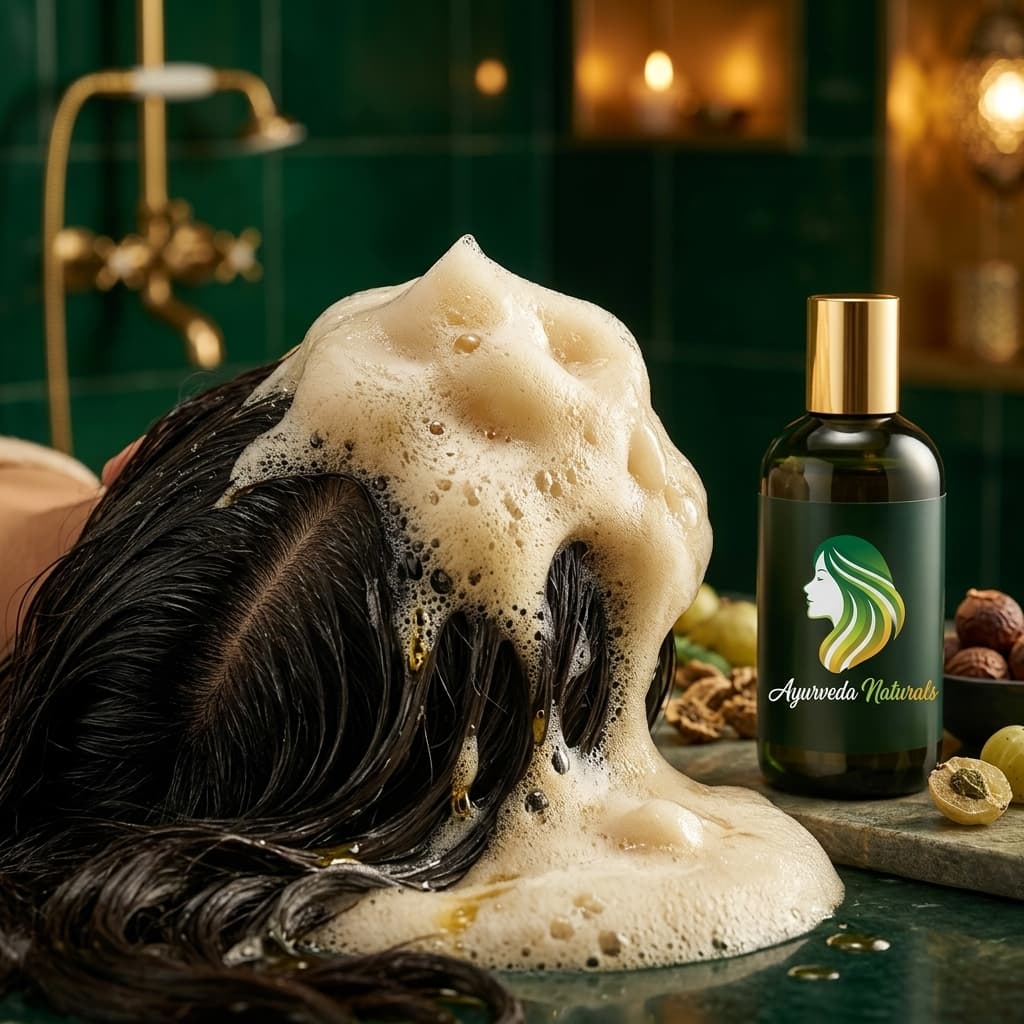
how to wash oiled hair properly
If you have ever indulged in a deeply nourishing head massage and found yourself wondering exactly how to wash oiled hair properly, you are certainly not alone. In Pakistan and throughout the South Asian subcontinent, applying organic oils to the scalp is a time-honored tradition deeply rooted in Ayurvedic practices. However, many people struggle with the crucial next step: the wash. If you wash too vigorously or use harsh chemical detergents, you risk stripping away the very nutrients and hydration you just spent hours trying to infuse into your hair follicles. On the other hand, if you do not wash it well enough, you are left with a heavy, greasy, and weighed-down mane that attracts dust and environmental pollutants. Striking the perfect balance is essential for achieving the luscious, vibrant, and healthy hair that Ayurveda promises. This comprehensive guide will walk you through everything you need to know about removing hair oil effectively while maintaining your scalp's natural microbiome.
The Importance of Oiling in an Ayurvedic Hair Care Routine
Before we dive into the intricacies of washing, it is critical to understand why we oil our hair in the first place. In Ayurveda, the practice of massaging the head with warm herbal oils is known as "Shiro Abhyanga." This ancient technique goes far beyond mere aesthetics; it is a holistic ritual designed to balance the body's vital energies, known as doshas (Vata, Pitta, and Kapha). When your doshas are in harmony, your body functions optimally, and this internal balance is reflected externally through strong, glowing hair.
Oiling provides deep conditioning that reaches the innermost layers of the hair shaft, known as the cortex. It fortifies the hair against breakage, prevents split ends, and forms a protective lipid barrier against harsh weather conditions, which is especially important given the varying climates across Pakistan. Furthermore, the physical act of massaging stimulates blood circulation in the scalp, ensuring that oxygen and essential nutrients are delivered efficiently to the hair follicles. For those struggling with hair thinning or excessive shedding, incorporating a potent botanical blend like our Ayurvedic Hair Regrowth Oil can significantly rejuvenate dormant follicles and promote thicker, denser growth.
Despite these incredible benefits, the positive effects of hair oiling can be entirely negated if the removal process is flawed. Leaving excess oil on the scalp for prolonged periods can clog pores, leading to fungal infections, dandruff, and even increased hair fall. Therefore, mastering the art of the hair wash is non-negotiable for anyone serious about their hair health.
Understanding Hair Porosity and Choosing the Right Oil
To fully master the washing process, you must first ensure you are using the correct oil for your specific hair type. Your hair's porosity—its ability to absorb and retain moisture—plays a crucial role in how easily an oil washes out.
Low Porosity Hair: If you have low porosity hair, the cuticles lay flat and tight, making it difficult for moisture to enter. Heavy oils will simply sit on top of the hair shaft, making them extremely difficult to wash out without harsh scrubbing. For this hair type, lightweight, easily absorbable oils like sweet almond oil, argan oil, or grapeseed oil are ideal. Applying gentle heat or steam before washing is practically mandatory for low porosity hair to ensure the oil penetrates rather than just coating the surface.
High Porosity Hair: High porosity hair has gaps and holes in the cuticle, often due to chemical treatments or environmental damage. This hair type absorbs moisture quickly but loses it just as fast. Thicker, more viscous oils like organic cold-pressed castor oil, olive oil, or a heavy coconut oil blend are excellent for sealing in hydration. Because high porosity hair readily absorbs the oil, washing it out is sometimes easier, but you must be careful not to strip away the essential moisture the hair desperately needs to stay smooth and frizz-free.
Ayurvedic Dosha Considerations: According to Ayurvedic principles, identifying your dominant dosha can further refine your oiling choices. Vata dominant individuals typically experience dry, frizzy, and brittle hair, benefiting greatly from heavy, warming oils like sesame. Pitta types often deal with premature thinning and graying due to excess heat in the body, making cooling oils like coconut or amla-infused oils the perfect remedy. Kapha types, prone to oily and thick hair, should opt for lighter, stimulating oils infused with herbs like neem or eucalyptus to prevent excess sebum buildup. By tailoring your pre-wash oil to your porosity and dosha, you simplify the subsequent washing process immensely.
Common Mistakes Made When Washing Oiled Hair
Many people unknowingly sabotage their hair care efforts during the washing phase. Let us examine some of the most frequent errors so you can avoid them in your routine.
1. Using Harsh, Sulfate-Laden Shampoos
The most common reaction to a head full of heavy oil is to reach for the strongest, most foaming shampoo available. Conventional commercial shampoos rely heavily on harsh surfactants like Sodium Laureth Sulfate (SLES) or Sodium Lauryl Sulfate (SLS). While these chemicals are highly effective at cutting through grease, they are indiscriminating. They strip away not only the applied herbal oils but also the scalp's natural sebum. This aggressive stripping sends your sebaceous glands into overdrive, causing them to produce even more oil to compensate, leading to a vicious cycle of a greasy scalp and dry, brittle ends.
2. Washing with Scorching Hot Water
While a steaming hot shower might feel incredibly relaxing, it is one of the worst things you can do for your hair. Hot water opens the hair cuticles too widely, causing the strands to lose moisture rapidly and become prone to frizz and breakage. It can also scald the delicate skin of the scalp, leading to irritation and inflammation. Conversely, freezing cold water is ineffective at breaking down heavy oils, leaving a stubborn residue behind.
3. Over-Washing and Excessive Scrubbing
In a desperate bid to remove every last drop of oil, many people shampoo their hair three or four times in a single session. This excessive washing causes severe mechanical damage to the hair shafts, which are at their most fragile state when wet. Vigorous scrubbing with fingernails can also cause micro-abrasions on the scalp, inviting bacterial and fungal infections.
Step-by-Step Guide: How to Wash Oiled Hair Effectively
Now that we have identified what not to do, let us explore the optimal, Ayurvedic-approved method for cleansing your hair after a deep oiling session. Following these steps will ensure your hair is impeccably clean yet beautifully nourished.
Step 1: Pre-Wash Preparation and Detangling
The process of washing actually begins before you even step into the shower. Wait at least two to three hours after applying your oil to allow the nutrients to penetrate fully. Leaving oil on overnight is highly beneficial for dry and damaged hair types, provided you protect your pillows. Right before washing, gently detangle your hair using a wide-toothed wooden comb. Wood is preferred in Ayurveda as it prevents static electricity and helps distribute the oils evenly along the hair shaft. Detangling beforehand minimizes breakage during the washing process when hair is most vulnerable.
Step 2: Steam Therapy (Optional but Highly Recommended)
If you have low porosity hair or are using a particularly thick oil like castor oil, applying steam can work wonders. Wrap a warm, damp towel around your head for about 10 to 15 minutes before washing. The gentle heat opens up the pores and the hair cuticles, allowing the oil to penetrate deeper while simultaneously loosening the surface oil, making it significantly easier to wash out.
Step 3: Select the Right Cleanser
To preserve the benefits of your oil treatment, you must use a gentle, naturally derived cleanser. Look for shampoos that utilize plant-based surfactants rather than synthetic chemicals. Our Purifying Hair Shampoo is expertly formulated with Ayurvedic herbs to cleanse the scalp deeply without causing dryness or irritation. It effectively lifts excess oil and impurities while respecting the scalp's delicate pH balance.
Step 4: Use Lukewarm Water
As mentioned earlier, temperature plays a pivotal role in hair washing. Thoroughly wet your hair with lukewarm water. The lukewarm temperature is the "Goldilocks zone"—warm enough to gently melt and loosen the heavy oils, yet cool enough to keep the hair cuticles relatively smooth and protect the scalp from thermal damage.
Step 5: The Dilution and Massage Technique
Instead of squirting shampoo directly onto your head, which can lead to product buildup in concentrated areas, dilute a coin-sized amount of shampoo with a little water in a small cup or the palm of your hand. Apply this diluted mixture directly to your scalp. Focus all your attention on the roots and the scalp skin, not the lengths of the hair. Using the pads of your fingertips (never your nails), gently massage the scalp in circular motions. This mechanical action is what lifts the dirt and excess oil. Allow the suds to gently run down the lengths of your hair as you rinse; this is usually sufficient to clean the shafts without drying them out.
Step 6: The Second Wash (If Necessary)
If you have used a very heavy oil or applied a generous amount, a single wash might not suffice. It is perfectly acceptable to do a second, much lighter wash. You will notice that the shampoo lathers much more easily during the second wash, indicating that the bulk of the oil has been removed. Rinse thoroughly, ensuring no soapy residue remains.
Step 7: Conditioning (Yes, Even After Oiling)
A common misconception is that if you have oiled your hair, you do not need to use a conditioner. While oil provides deep internal nourishment, a conditioner is necessary to seal the hair cuticle, smooth the outer surface, and provide slip for easy detangling. Apply a small amount of conditioner only to the mid-lengths and ends of your hair, completely avoiding the scalp. Leave it on for two to three minutes before rinsing it out with cool water. The final cool water rinse helps to lock down the cuticles, enhancing shine and smoothness.
Top Ayurvedic Ingredients for Cleansing the Scalp
If you are looking to embrace a fully traditional Ayurvedic lifestyle, you might consider skipping commercial liquid shampoos altogether on certain wash days. The rich botanical landscape of Pakistan offers incredible natural cleansers that have been used for centuries.
- Reetha (Soapnut): Reetha contains natural saponins, which are plant-derived foaming agents. It creates a mild, gentle lather that effectively removes oil and dirt without altering the natural pH of the scalp.
- Shikakai (Acacia Concinna): Literally translating to "fruit for hair," Shikakai is a natural astringent and cleanser. It is rich in vitamins C and D, promoting hair growth while detangling and imparting a beautiful shine.
- Amla (Indian Gooseberry): While not a cleanser itself, Amla is often mixed with Reetha and Shikakai. It is packed with antioxidants and vitamin C, strengthening the hair roots and preventing premature graying.
- Neem: Known for its powerful antibacterial and antifungal properties, Neem is excellent for those who suffer from dandruff or scalp acne, often exacerbated by improper oil removal.
Creating a DIY hair wash paste by soaking these dried herbs overnight and boiling them the next day is a fantastic way to detoxify your scalp naturally. However, if you prefer convenience without compromising on quality, choosing a pre-formulated Ayurvedic shampoo is the ideal modern solution.
Advanced Post-Wash Care: The Secret to Long-Lasting Freshness
Once you have successfully executed the perfect hair wash, your routine is not quite complete. How you handle your freshly cleansed, damp hair dictates its texture and health for the days following your wash.
The Magic of Herbal Hair Rinses
To further enhance the cleansing process and restore the acidic pH of the scalp, consider incorporating a final herbal rinse. A highly diluted Apple Cider Vinegar (ACV) rinse (one tablespoon of ACV mixed in two cups of filtered water) poured over the scalp after conditioning helps to flatten the hair cuticles, seal in moisture, and dissolve any lingering microscopic soapy residues. Alternatively, a rinse made from brewed green tea or rosemary water can stimulate the hair follicles and add a mirror-like shine to your strands.
Drying Techniques to Prevent Damage
Wet hair is highly elastic and incredibly prone to snapping. Never aggressively rub your hair with a towel. The friction causes irreversible cuticle damage, leading to a halo of frizz once the hair dries. Instead, adopt the "plopping" method or gently pat and squeeze the water out using a microfiber towel or an old, soft cotton t-shirt. If you live in a humid climate within Pakistan, air-drying is ideal. However, if you must sleep soon after washing, ensure your roots are completely dry, as sleeping on a wet scalp creates a breeding ground for fungal infections and dandruff.
Choosing the Right Comb
Throw away those cheap plastic combs with sharp, jagged seams. In Ayurveda, a pure neem wood comb is highly revered. Neem wood naturally possesses antibacterial properties, and the smooth, wide teeth glide effortlessly through damp hair without causing static or pulling out fragile strands. When detangling post-wash, always start from the very tips of your hair and slowly work your way up to the roots to minimize breakage.
Frequently Asked Questions About Washing Oiled Hair
How many times a week should I oil and wash my hair?
For most hair types, oiling and washing one to two times a week is optimal. Over-oiling can lead to build-up, while under-oiling might leave your hair deprived of necessary nutrients. Listen to your hair; if it feels excessively dry, increase the frequency, but ensure you follow the proper washing techniques outlined above.
Can I leave oil in my hair for days before washing?
It is highly recommended not to leave oil on your scalp for more than 12 to 24 hours. Oil acts like a magnet for environmental dust, dirt, and pollution. Leaving it on for extended periods can severely clog your hair follicles and lead to scalp issues like folliculitis and severe dandruff.
Does washing my hair with hard water affect oil removal?
Yes, significantly. Hard water contains high levels of calcium and magnesium minerals, which can react with shampoos to form a stubborn scum rather than a cleansing lather. This makes it incredibly difficult to wash out oils. If you live in an area with hard water in Pakistan, consider installing a shower filter or doing a final rinse with distilled water or a diluted apple cider vinegar solution to help remove mineral buildup.
Can I use dry shampoo if my hair still feels oily after a wash?
While dry shampoo can be a quick fix to absorb excess sebum at the roots, it is not an Ayurvedic practice and should be used sparingly. Dry shampoos often contain alcohols and starches that can clog scalp pores if used excessively. If you find your hair consistently feels oily right after a wash, it is a sign that your washing technique needs adjustment—you may need a slightly more clarifying natural shampoo or you might need to dilute your shampoo less during the first wash.
Is it normal to lose hair while washing out oil?
It is completely normal to lose between 50 to 100 strands of hair a day. When you oil and massage your scalp, you loosen the hair strands that have already detached from the follicle but are trapped in the lengths of your hair. During the washing process, these loose strands are finally rinsed away. This can sometimes look like an alarming amount of hair fall, but it is usually just the accumulation of naturally shed hairs. However, if you notice severe clumps falling out, it may indicate excessive scrubbing or a deeper underlying health issue.
Embrace the Complete Ayurvedic Journey
Mastering the art of washing oiled hair transforms what could be a frustrating chore into a luxurious, self-care ritual. By understanding the science of your scalp, choosing the right water temperature, employing gentle massage techniques, and selecting the finest botanical cleansers, you ensure that every drop of herbal oil works to your advantage. True Ayurvedic hair care is about synergy—the harmonious relationship between nourishment and cleansing.
To experience the absolute best that Ayurveda has to offer, consistency is key. Combining a nutrient-dense oil with a perfectly balanced shampoo creates an unstoppable routine for hair vitality. For those looking to completely overhaul their hair health, we highly recommend exploring our Ultimate Haircare Bundle. This carefully curated collection provides everything you need from pre-wash nourishment to post-wash perfection, taking the guesswork out of your routine and delivering salon-quality results right at home. Start treating your hair with the ancient wisdom it deserves, and watch as it transforms into its healthiest, most radiant state.
Ready to stop hair fall naturally?
Don't wait until it's too late. Experience the proven magic of our 100% organic, wild-harvested Ayurvedic formulations and start seeing real results in 14 days.
Free Shipping + Cash on Delivery