
How to Stop Teenage Hair Fall Naturally: Diet & Herbal Remedies
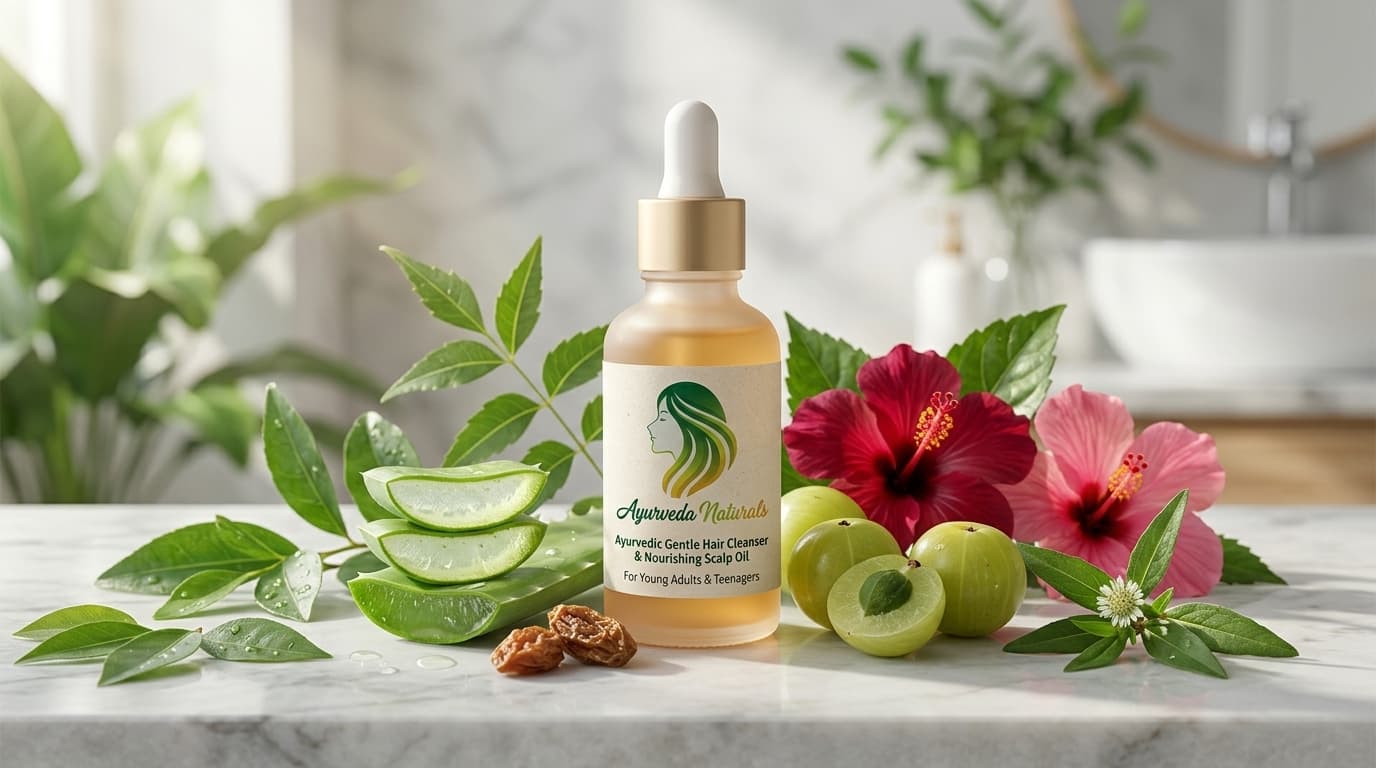
Discovering how to stop teenage hair fall naturally requires addressing the dual forces of adolescent hormonal fluctuations and metabolic imbalances that disrupt the follicular growth cycle. In Ayurveda, teenage hair loss is primarily driven by aggravated Pitta (internal metabolic heat) and Vata (stress and dryness) depleting the Asthi Dhatu (bone and structural tissue), combined with clogged pores from puberty-induced sebum surges. To arrest teenage shedding permanently without harsh chemicals, you must balance internal digestive fire (Agni), switch to pure botanical scalp cleansers, perform weekly Shiro Abhyanga (herbal scalp massage) with cooling herbs like Bhringraj and Amla, and eliminate nutrient-depleting processed foods.
The Biological and Ayurvedic Roots of Teenage Hair Fall
Adolescence is a period of dramatic biological transformation. Between the ages of 13 and 19, the human endocrine system undergoes rapid development, flooding the bloodstream with androgens, estrogens, and growth hormones. While these hormones facilitate vital physical maturation, they can also trigger significant turbulence within the hair follicles. Understanding how to stop teenage hair fall naturally begins with decoding the precise physiological mechanisms occurring beneath the scalp surface.
From an Ayurvedic perspective, life stages are governed by the three doshas. Childhood is the Kapha stage of life, characterized by physical growth, anabolic tissue building, and structural stability. As young adults enter adolescence, they transition rapidly into the Pitta stage of life—a period ruled by the fire (Tejas) and water (Jala) elements, responsible for metabolism, cellular transformation, enzymatic activity, and hormonal surges. When Pitta becomes excessively elevated due to emotional stress, academic pressure, late-night studying, and diets heavy in spicy, oily, salty, or ultra-processed fast foods, this internal thermal energy rises upward toward the head (Urdhvaga Pitta). In classical Ayurvedic treatises such as the Charaka Samhita and Sushruta Samhita, this phenomenon is documented under the classifications of Khalitya (early hair fall) and Palitya (premature graying), where systemic heat literally burns, scorches, and weakens the delicate hair roots (follicular bulbs or Kesha Moola).
Biochemically, the surge in circulating testosterone during puberty interacts directly with the enzyme 5-alpha reductase (type I and type II) located in the outer root sheath and sebaceous glands of the hair follicle. This enzymatic reaction converts free testosterone into dihydrotestosterone (DHT). In genetically susceptible adolescents, DHT exhibits high affinity for androgen receptors in the dermal papilla, restricting local capillary blood flow through micro-vascular constriction, shortening the anagen (active growth) phase from several years to just months, and accelerating the transition into the catagen (involution) and telogen (resting and shedding) phases. When combined with typical teenage nutritional deficiencies—such as low ferritin (stored iron), sub-optimal 25-hydroxy vitamin D3 levels, and poor zinc status—the dermal matrix simply lacks the bio-energetic fuel required to sustain thick, resilient hair shafts.
Furthermore, internal nutrient absorption plays a decisive role in maintaining follicle viability. In Ayurveda, hair is recognized as the secondary metabolic byproduct (Upadhatu) of Asthi Dhatu (bone tissue). During the sequence of tissue transformation (Dhatu Parinama), the digested food essence (Ahara Rasa) transforms sequentially through Rasa (plasma), Rakta (blood), Mamsa (muscle), Meda (fat), and finally into Asthi (bone). If your digestive fire (Agni) is impaired by irregular eating schedules, late dinners, or junk food, your body generates Ama (toxic, sticky metabolic residue). This toxic accumulation clogs the microscopic channels of circulation (Srotas), preventing essential trace minerals from reaching the scalp microcirculation, an intricate process detailed in our comprehensive guide on how diet and digestion affect your hair quality. Therefore, addressing teenage hair thinning requires a comprehensive strategy that heals the digestive tract while nourishing the roots externally.
The Modern Teenage Lifestyle Factors Accelerating Hair Thinning
While biological and hormonal factors establish the baseline vulnerability, modern adolescent lifestyle habits frequently act as aggressive catalysts for accelerated shedding. The contemporary teenager faces unprecedented environmental, physical, and psychological stressors that past generations never encountered.
1. High Cortisol, Digital Fatigue, and Circadian Disruption
Academic competition, standardized testing pressures, social media comparisons, and irregular sleep cycles keep the teenage sympathetic nervous system in a state of chronic activation. Elevated cortisol levels trigger vasoconstriction in peripheral blood vessels, choking off the microcapillary network that feeds the dermal papilla. Cortisol also accelerates the breakdown of hyaluronic acid and proteoglycans in the scalp matrix, destabilizing the extracellular environment necessary for follicle anchorage.
Furthermore, late-night exposure to high-energy visible (HEV) blue light from smartphones, tablets, and laptops suppresses the natural secretion of melatonin from the pineal gland. Melatonin is not only crucial for deep, restorative slow-wave sleep, but it is also one of the body's most potent direct free-radical scavengers and an essential regulator of the human hair cycle. Anagen hair follicles express functional melatonin receptors (MT1 and MT2); when nocturnal melatonin surges are blunted by screen time, the rate of cellular repair in the hair matrix plummets, causing premature follicular exhaustion and diffuse telogen shedding.
2. The Trap of Synthetic Styling and Detergent Shampoos
Teenagers frequently experiment with commercial styling waxes, chemical gels, heat straighteners, curling irons, and synthetic bleaching agents to express personal identity. Unfortunately, conventional consumer hair care products are laden with harsh synthetic surfactants such as Sodium Lauryl Sulfate (SLS) and Sodium Laureth Sulfate (SLES), along with silicones (dimethicone, cyclopentasiloxane), artificial fragrances, and parabens.
Harsh sulfates strip the natural lipid barrier (acid mantle) of the scalp, throwing the cutaneous pH into an alkaline state. In response, the sebaceous glands overcompensate by pumping out excessive, greasy sebum that quickly oxidizes on the scalp surface, creating a toxic plug around the follicular infundibulum. Meanwhile, non-water-soluble silicones create an occlusive plastic film that suffocates the scalp ecosystem, trapping dead epithelial cells and airborne pollutants. To understand how these commercial chemical regimens systematically erode hair density over time, explore our detailed analysis on why commercial hair care routine is causing hair thinning.
3. Scalp Microbiome Disruption and Fungal Dandruff (Malassezia Overgrowth)
Because adolescent sebaceous glands produce unprecedented volumes of sebum under pubertal androgenic stimulation, the scalp becomes an ideal hyper-caloric environment for the lipophilic yeast Malassezia globosa and Malassezia restricta. These opportunistic microorganisms secrete lipase enzymes that metabolize sebum triglycerides, releasing irritating free fatty acids (particularly oleic acid) directly onto the epidermal barrier.
The resulting inflammatory cascade compromises stratum corneum integrity, triggering hyper-keratinization, visible flaking, intense pruritus (itching), and localized folliculitis. If left unmanaged, this chronic subclinical microbial inflammation damages the follicular stem cell niche in the outer root sheath bulge, causing excessive daily shedding during brushing, washing, or simply running fingers through the hair.
Ayurvedic Dosha Imbalances in Adolescent Hair Loss
Every adolescent possesses a unique mind-body constitution (Prakriti), meaning that hair fall manifests differently depending on which specific doshic bio-energy is currently aggravated (Vikriti). Accurately diagnosing the dominant imbalance is the critical first step in prescribing effective botanical interventions.
Pitta-Dominant Teen Hair Fall (Thermal and Inflammatory)
- Visible Manifestations: Oily scalp within 24 hours of shampooing, visible scalp erythema (redness), burning or sensitive scalp sensations, papules or small inflammatory bumps along the frontal hairline, rapid diffuse thinning across the vertex and crown, and the appearance of early silver or gray strands.
- Underlying Etiology: Excessive consumption of fried foods, hot chilies, sour condiments, carbonated energy drinks, pent-up anger, intense academic competitiveness, and chronic lack of cooling hydration.
- Ayurvedic Therapeutic Strategy: Application of cooling (Sheeta) botanicals such as Amla (Phyllanthus emblica), Brahmi (Bacopa monnieri), Hibiscus (Hibiscus rosa-sinensis), and pure cold-pressed Coconut oil to dissipate cranial heat and extinguish the Pitta fire.
Vata-Dominant Teen Hair Fall (Dry, Constrictive, and Stress-Induced)
- Visible Manifestations: Dry, rough, unmanageable strands resembling straw, extensive split ends (Trichoptilosis), brittle hair shafts that snap under minimal tension, small dry powdery white flakes that shed easily onto clothing, and sudden diffuse hair shedding following exams or emotional shocks.
- Underlying Etiology: Irregular sleep schedules, erratic meal timings, consumption of cold and dry snacks (chips, crackers), excessive caffeine, heightened anxiety, and sensory overload from digital devices.
- Ayurvedic Therapeutic Strategy: Grounding, warming (Ushna), and deeply unctuous (Snigdha) therapies. Warm Shiro Abhyanga using organic Sesame or Almond oils infused with Ashwagandha (Withania somnifera) and Shatavari (Asparagus racemosus) to lubricate dry tissues and calm the erratic Vata nervous system.
Kapha-Dominant Teen Hair Fall (Congestive and Stagnant)
- Visible Manifestations: Heavy, excessively oily scalp and hair, sticky yellowish sebum plugs that can be scraped from the roots, large greasy dandruff plaques that adhere stubbornly to the epidermal surface, and hair shafts falling out with a thick white bulb of solidified sebum attached.
- Underlying Etiology: Sedentary lifestyle, lack of physical exercise, oversleeping, excessive consumption of heavy dairy (cheese, milkshakes), refined white sugar, and deep-fried fast foods.
- Ayurvedic Therapeutic Strategy: Invigorating, stimulating, and astringent (Kashaya) treatments. Herbal cleansing powders such as Shikakai (Acacia concinna), Reetha (Sapindus mukorossi), Neem (Azadirachta indica), and stimulating rosemary extracts to clear follicular congestion and ignite microcirculation.
| Hair Loss Category | Physiological Mechanism | Conventional Treatment & Risks | Targeted Ayurvedic Protocol |
|---|---|---|---|
| Pubertal Sebum Overproduction | Androgen-induced sebaceous gland hypertrophy leading to sebum oxidation, bacterial colonization, and follicular occlusion. | Clarifying sulfate-based cleansers and alcohol astringents. Strips lipid barrier, inducing severe rebound oiliness and dermal dryness. | Herbal saponin washes (Reetha, Shikakai, Neem) that solubilize oxidized sebum while preserving epidermal pH and beneficial microflora. |
| DHT-Mediated Follicle Miniaturization | 5-alpha reductase converts free testosterone to DHT, binding dermal papilla receptors and shortening anagen growth duration. | Oral Finasteride or Dutasteride. Contraindicated for developing adolescents due to severe endocrine and developmental risks. | Topical plant polyphenols (Amla, Bhringraj, Rosemary) that naturally inhibit 5-alpha reductase locally without systemic hormone disruption. |
| Academic Stress (Telogen Effluvium) | Neurogenic inflammation and elevated cortisol prematurely force up to 50% of growing anagen hairs into the resting telogen shedding phase. | Synthetic Minoxidil 2–5%. Causes initial 4–8 week 'dread shed', skin irritation, contact dermatitis, and immediate rebound loss upon cessation. | Shiro Abhyanga with Ashwagandha and Brahmi oil infusions, accompanied by Nadi Shodhana breathwork to modulate the HPA axis and cortisol. |
| Scalp Seborrheic Dermatitis | Malassezia fungal proliferation feeds on sebum, releasing inflammatory oleic acids that disrupt barrier cohesion and weaken follicular anchors. | Ketoconazole, Zinc Pyrithione, or Coal Tar shampoos. Can cause severe cuticle weathering, shaft brittleness, and chemical sensitisation. | Cold-pressed Neem seed oil, Tea Tree, and Aloe Vera lepas that provide potent antifungal action while deeply conditioning keratin fibers. |
| Dietary Agni Impairment (Ama Accumulation) | Poor digestive breakdown prevents nutrient assimilation into plasma and bone marrow, starving the Asthi Dhatu and hair matrix. | Synthetic megadose multivitamins. Low bio-accessibility, potential gastrointestinal irritation, and does not fix underlying absorption failures. | Agni-stimulating herbal decoctions (Ginger, Cumin, Coriander, Fennel) paired with nutrient-dense Rasayana foods (Amla, Sesame, Ghee). |
Step-by-Step Ayurvedic Regimen to Stop Teenage Hair Fall Naturally
Reversing adolescent hair thinning does not require an intimidating or expensive chemical regime. Instead, teenagers achieve outstanding, permanent recovery by establishing a rhythmic, bio-harmonious routine that works with the body's natural regenerative cycles. Below is the comprehensive, daily and weekly Ayurvedic master protocol.
Step 1: Botanical Cleansing Without Stripping Surfactants
The foundational law of adolescent hair hygiene is to eliminate grime, environmental pollutants, and oxidized sebum without compromising the scalp's protective mantle (pH 4.5 to 5.5). Using chemical shampoos that lather aggressively via synthetic foaming agents destroys the inter-cellular lipid matrix, leaving the scalp inflamed and triggering hyper-seborrhea.
Cleanse the hair 2 to 3 times per week using our meticulously formulated Purifying Herbal Shampoo. Powered by concentrated extracts of wild Shikakai, Reetha, Aloe Vera, and Neem, this gentle botanical formulation gently binds to dirt and excess lipids, rinsing them away without stripping essential moisture. It leaves young hair shafts glossy, lightweight, bouncy, and resilient against everyday environmental stressors.
Step 2: Shiro Abhyanga (Therapeutic Scalp Oil Massage)
Practicing traditional Shiro Abhyanga 2 times weekly is universally recognized in classical Ayurvedic medicine as the most potent non-invasive method for halting active hair loss. Warm cold-pressed carrier oils act as biological transdermal carriers, ferrying fat-soluble antioxidants, flavonoids, and phytosterols directly to the dermal papillae. Follow this exact ritual:
- Warm the Oil: Dispense 2 to 3 tablespoons of an authentic, multi-herb Ayurvedic hair oil into a small glass bowl. Place the bowl in a warm water bath for 3 to 5 minutes until the oil reaches a comfortable body-warm temperature (never microwave the oil, as excessive heat denatures fragile botanical compounds).
- Section and Distribute: Part your hair into thin, 1-inch sections and apply the warm oil directly onto the exposed scalp skin using a glass dropper or your clean fingertips.
- Acupressure (Marma Therapy): Using the soft pads of your fingers, execute gentle, circular kneading motions across the entire scalp for 10 to 15 minutes. Apply firm yet gentle pressure to the three vital cranial Marma points:
- Adhipati Marma: Located at the exact crown of the head (the soft spot); pacifies all three doshas and stimulates systemic cranial circulation.
- Simantaka Marma: Located along the sagittal suture and hairline; relieves mental fatigue, headaches, and frontal thinning.
- Krikatika Marma: Located at the base of the skull where the head meets the neck; releases built-up physical tension from studying and screen use.
- Therapeutic Absorption: Allow the herbal oil to penetrate the follicular pores for a minimum of 60 to 90 minutes. For deep follicular rehabilitation, leave the oil on overnight while sleeping on a smooth silk pillowcase or wrapping the head in a breathable cotton wrap, then wash thoroughly with a botanical cleanser.
Step 3: Bi-Weekly Ayurvedic Lepas (Nutritive Restorative Hair Masks)
When teenage hair shows signs of severe mechanical breakage, heat damage, or split ends, applying an herbal hair mask (Lepa) once every 7 to 10 days supplies the hair cortex with bio-available plant proteins, mucilaginous conditioning agents, and free-radical scavengers.
The Master Adolescent Follicle-Strengthening Lepa Recipe:
- 2 tablespoons of Fenugreek (Methi) Seed Powder: Soak whole methi seeds overnight in pure spring water, then grind into a velvety paste. Fenugreek contains exceptional levels of natural plant lecithin, nicotinic acid, and structural proteins that bond to damaged keratin fissures.
- 2 tablespoons of Organic Amla Powder: Infuses the hair follicle with concentrated ascorbic acid and gallic acid, strengthening dermal collagen scaffolds and preventing oxidative cuticle degradation.
- 2 tablespoons of Fresh Aloe Vera Gel (Kumari): Provides natural proteolytic enzymes that gently slough away dead cellular debris from around the follicular ostium while infusing deep hydration.
- 1 tablespoon of Fresh Organic Yogurt (Curd): Supplies lactic acid to normalize scalp pH and natural probiotics to support a healthy cutaneous microbiome.
Whisk all ingredients into a creamy, lump-free consistency. Apply generously starting at the scalp and working through to the very tips of the hair. Cover with a shower cap to retain natural moisture and warmth. Leave on for 30 to 45 minutes, then rinse thoroughly with lukewarm water followed by a gentle herbal wash.
Step 4: Internal Rasayana Nutrition and Agni Igniters
Topical application must be reinforced with targeted internal dietary habits to nourish the Asthi Dhatu and fuel rapid keratin synthesis. Adolescents should incorporate these daily Ayurvedic nutritional practices:
- Morning Amla Rasayana Shot: Mix 20ml of pure, cold-pressed Indian Gooseberry (Amla) juice with 50ml of lukewarm water and 1 teaspoon of raw organic honey. Drink every morning on an empty stomach. Amla provides 20 times the bio-available vitamin C of citrus fruits, fighting systemic oxidative stress and promoting collagen cross-linking.
- The Mineral-Rich Seed Matrix: Consume 1 tablespoon of lightly toasted organic black sesame seeds (Kala Tila) paired with 5 soaked and peeled almonds (Badam) and 2 soaked walnuts (Akshota) every morning. Black sesame seeds are rich in plant-based calcium, magnesium, copper, and zinc—vital mineral co-factors required for synthesizing strong, dense hair fiber.
- Curry Leaf Chewing Protocol: Chew 4 to 6 fresh, thoroughly washed raw curry leaves (Kadi Patta) every morning. Curry leaves are loaded with beta-carotene, iron, and sulfur-bearing amino acids that prevent premature follicular senescence and maintain vibrant natural pigmentation.
- CCF Digestive Tea (Cumin, Coriander, Fennel): Boil 1/2 teaspoon each of whole cumin seeds, coriander seeds, and fennel seeds in 500ml of water for 10 minutes. Strain and sip warm throughout the day. This classical Ayurvedic formula gently stimulates Agni, clears metabolic Ama, and enhances intestinal absorption of iron, zinc, and B-vitamins without overheating the body.
Step 5: Stress Pacification, Breathwork, and Sleep Architecture
To break the chronic neuro-endocrine stress cycle that triggers telogen effluvium, adolescents should practice daily restorative breathwork and maintain strict circadian hygiene:
- Nadi Shodhana (Alternate Nostril Breathing): Practice for 5 to 10 minutes before studying or prior to sleep. This rhythmic breathing technique calms the amygdala, balances the autonomic nervous system, and reduces systemic cortisol secretion.
- Bhramari Pranayama (Humming Bee Breath): Perform 5 to 7 cycles when feeling overwhelmed by schoolwork. The acoustic vibrations stimulate the release of endogenous nitric oxide within the paranasal sinuses, enhancing cranial blood circulation and inducing physical tranquility.
- Circadian Lighting Rules: Switch all electronic screens to "Night Shift" mode after 8:00 PM, and turn off all screens at least 45 minutes before sleep. Ensure 8 to 9 hours of uninterrupted sleep in a completely dark, cool room to maximize natural nocturnal growth hormone and melatonin release.
Master Botanical Ingredients for Teenage Hair Recovery
Ayurvedic pharmacognosy harnesses the complex, multi-target synergy of whole-plant botanical extracts. When evaluating hair care remedies or formulating restorative preparations, prioritize these scientifically validated herbs:
1. Bhringraj (Eclipta prostrata / Eclipta alba) - The Ruler of Hair
Bhringraj is celebrated across classical Ayurvedic texts as the undisputed monarch of hair tonics. Modern phytochemical analysis reveals that Bhringraj is rich in unique coumestan derivatives (wedelolactone and demethylwedelolactone), triterpene saponins, and flavonoids (luteolin, apigenin). Pharmacological trials demonstrate that standardized topical Bhringraj extracts significantly reduce hair follicle transition time from telogen to anagen, producing higher follicle density and greater hair length than 2% Minoxidil solutions without causing local cutaneous irritation or systemic side effects.
2. Amla (Phyllanthus emblica / Emblica officinalis)
Amla is renowned as one of the most potent natural antioxidants known to botanical science. Beyond its massive ascorbic acid content, Amla contains heat-stable hydrolyzable tannins (emblicanin A, emblicanin B, punigluconin, and pedunculagin). These bioactive polyphenols scavenge hydroxyl and superoxide radicals within the dermal papilla, down-regulate inflammatory cytokines (TNF-alpha, IL-6), and directly inhibit the 5-alpha reductase enzyme to safeguard adolescent follicles against hormonal miniaturization.
3. Neem (Azadirachta indica) - The Miracle Purifier
Known in Sanskrit as Arishta (reliever of sickness), Neem leaves and seeds contain a complex array of tetranortriterpenoids including azadirachtin, nimbin, nimbidol, and gedunin. These compounds deliver potent, broad-spectrum antifungal and antibacterial efficacy against Malassezia yeast and Staphylococcus bacteria. Neem resolves scalp inflammation, eliminates chronic dandruff flaking, relieves itchiness, and keeps the follicular ostium pristine and unclogged.
4. Brahmi (Bacopa monnieri) - The Brain and Follicle Energizer
Brahmi contains triterpenoid saponins known as bacosides A and B. When applied topically through warm herbal oils, Brahmi acts as a peripheral vasodilator, expanding the microcapillary loops surrounding each hair bulb. It cools excessive scalp heat, fortifies the structural integrity of the outer root sheath, and shields fragile young hair from split ends and thermal styling damage.
5. Shikakai (Acacia concinna) - The Natural pH Balancer
Shikakai literally translates to "fruit for the hair." It is packed with natural saponins that produce a mild, non-drying lather when mixed with water. With a naturally acidic pH of 4.5 to 5.0, Shikakai cleanses the scalp without raising or swelling the delicate keratin cuticles, sealing moisture into the hair shaft, detangling unruly teenage curls, and imparting a brilliant, lustrous sheen.
Critical Mistakes Teenagers Must Avoid
Even with high-quality botanical products, common adolescent styling habits can undermine follicle recovery. Avoid these five critical mistakes:
- Washing Hair with Steaming Hot Water: Hot water dissolves the scalp's protective lipid barrier, dehydrates the keratin cortex, and triggers reactive hyper-seborrhea. Always wash and rinse your hair with lukewarm or cool water to preserve cuticle smoothness.
- Vigorous Towel Drying: Wet hair fibers expand and absorb water, making the internal hydrogen bonds fragile and vulnerable to mechanical snapping. Instead of rubbing aggressively with a rough bath towel, gently squeeze excess water using a soft microfiber towel or a clean cotton t-shirt.
- Tight Hairstyles and High-Tension Buns: Tight ponytails, slicked-back buns, cornrows, and tight braids exert continuous mechanical tension on the frontal hairline and temporal peaks. Over time, this constant traction causes Traction Alopecia, permanently damaging the follicular anchor. Wear hair in loose, natural styles and secure with silk or satin scrunchies.
- Severe Caloric Restriction and Crash Dieting: Drastic calorie restriction or eliminating all dietary fats deprives the body of essential fatty acids, amino acids, and micronutrients. The brain responds by entering a protective survival state, shutting down energy allocation to non-essential appendages like hair follicles, triggering acute telogen effluvium.
- Frequent Chemical Bleaching and Permanent Dyes: Oxidative chemical dyes rely on ammonia and concentrated hydrogen peroxide to swell the cuticle and strip natural melanin. This destructive process dissolves the structural disulphide bonds within the cortex, leaving the hair shaft permanently porous, dry, brittle, and prone to breaking mid-shaft.
Frequently Asked Questions: Teenage Hair Fall
Can teenage hair fall be reversed naturally?
Yes, in the vast majority of cases, teenage hair fall is completely reversible. Because adolescent hair loss is predominantly non-scarring and driven by temporary hormonal surges, academic stress, or nutritional gaps, the follicles remain alive and capable of regeneration. Adopting an Ayurvedic routine that balances Pitta dosha, eliminates chemical irritants, optimizes digestion, and nourishes the scalp with botanical oils typically restores natural hair density within 3 to 6 months.
Is it normal for a teenager to lose 100 hairs a day?
Losing between 50 and 100 hairs daily is considered normal physiological shedding as part of the natural hair cycle (the telogen phase). However, if you notice distinct thinning along your part line, visible patches of scalp, large clumps falling out during washing, or hair shedding that exceeds 100 strands consistently, it indicates an active imbalance that requires prompt botanical intervention.
Which oil is best for teenage hair fall control?
An Ayurvedic blend featuring cold-pressed Sesame or Coconut oil infused with Bhringraj, Amla, Brahmi, and Neem is the most effective choice. Bhringraj stimulates microcapillary blood circulation to dormant follicles, Amla provides vital antioxidants that block localized DHT, and Neem ensures the scalp remains free from fungal dandruff and sebum congestion.
Does masturbation or hormonal changes cause hair loss in teenage boys?
Masturbation does not cause hair loss; this is an unfounded myth with no scientific basis. However, natural hormonal shifts during puberty increase circulating testosterone, which can be converted to DHT in the scalp by the 5-alpha reductase enzyme. Managing stress, eating a zinc-rich diet, and applying cooling Ayurvedic herbal oils help mitigate this genetic and hormonal sensitivity naturally.
How does junk food affect teenage hair growth?
Fast food, sugary beverages, and refined carbohydrates impair your digestive fire (Agni) and create toxic metabolic residue (Ama). This systemic inflammation restricts microcirculation to the scalp and deprives hair follicles of vital micronutrients like iron, zinc, sulfur, and B-vitamins, pushing hairs into premature resting and shedding phases.
Can stress from exams really make teenage hair fall out?
Yes. Acute academic or psychological stress triggers a condition known as Telogen Effluvium. Elevated cortisol levels cause a large percentage of actively growing anagen follicles to prematurely transition into the resting telogen phase. Approximately 6 to 12 weeks following the stressful event, noticeable shedding occurs. Daily pranayama, regular sleep, and Brahmi scalp massages effectively counteract this stress-induced shedding.
How often should teenagers wash their hair to prevent hair loss?
Teenagers should wash their hair 2 to 3 times per week using a gentle, sulfate-free herbal shampoo. Overwashing with harsh commercial cleansers strips natural protective oils and triggers reactive greasiness, while underwashing allows oxidized sebum, sweat, and dead skin cells to clog follicular pores and foster fungal overgrowth.
Reclaim Strong, Dense, Natural Hair Today
Don't let synthetic chemical products compromise your scalp during these vital developmental years. Transition your routine to our pure, wild-crafted Ayurvedic botanical formulas and nourish your hair from the root up.
Explore Purifying Herbal ShampooReady to stop hair fall naturally?
Don't wait until it's too late. Experience the proven magic of our 100% organic, wild-harvested Ayurvedic formulations and start seeing real results in 14 days.
Free Shipping + Cash on Delivery