
How To Protect Hair From Sun Damage Naturally
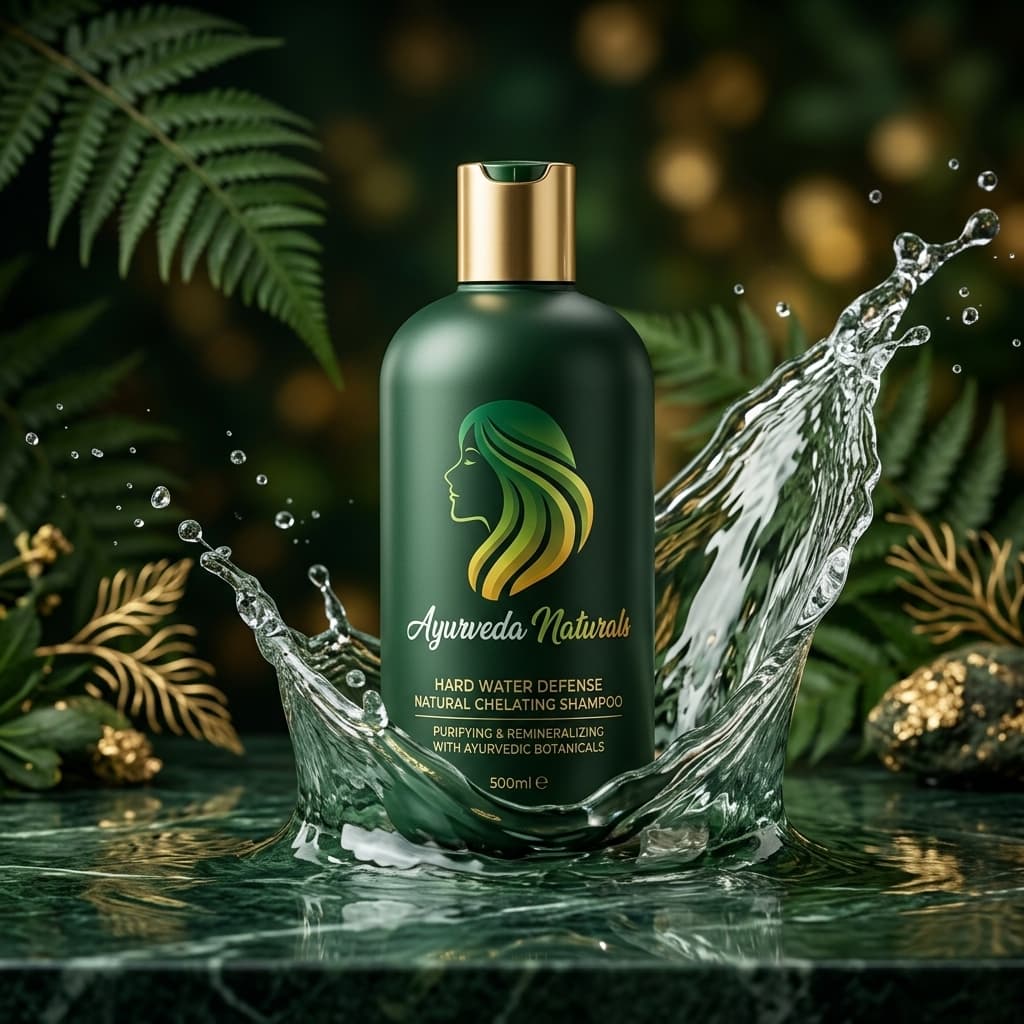
How To Protect Hair From Sun Damage Naturally: The Ultimate Expert Guide
By Ayurveda Naturals Experts | Published: July 12, 2026

Summer is a season of unparalleled joy, outdoor adventures, beach trips, and abundant sunshine. However, while we diligently apply broad-spectrum sunscreen to our skin, we often completely neglect our hair. If you have ever wondered exactly how to protect hair from sun damage naturally, you are in the right place. This comprehensive, expert-reviewed guide will take you through everything you need to know to shield your precious locks from the harsh, degrading effects of ultraviolet (UV) radiation without relying on toxic synthetic chemicals. Understanding how to protect hair from sun damage naturally is not just a cosmetic luxury; it is an essential component of holistic wellness and long-term hair health.
The quest for beautiful, resilient hair often leads people down a rabbit hole of expensive salon treatments and chemical-laden products. Yet, nature has always provided the most potent, effective solutions. In this definitive guide, we will explore the profound science of UV degradation, uncover the most powerful botanical oils with innate sun protection factors, dive deep into Ayurvedic remedies passed down through millennia, and provide you with actionable, step-by-step DIY recipes. By the time you finish reading, you will be a master of natural hair preservation, fully equipped to enjoy the sunshine without sacrificing the vitality of your tresses.
Before we delve into the remedies, it is crucial to understand that hair, unlike skin, is biologically dead tissue. Once it grows out of the follicle, it cannot heal itself. Skin can regenerate and repair minor UV damage over time, but hair relies entirely on the preventative care and structural reinforcement you provide externally. This fundamental biological difference underscores why learning how to protect hair from sun damage naturally is critical. You are not just treating symptoms; you are building an impenetrable fortress around each individual hair strand.
The Science: Why You Must Learn How to Protect Hair From Sun Damage Naturally
To truly appreciate the necessity of natural sun protection for hair, we must first understand the invisible enemy: Ultraviolet (UV) radiation. The sun emits various types of electromagnetic radiation, but the two that penetrate the earth's atmosphere and wreak havoc on our cellular structures are UVA and UVB rays. Each of these rays affects the hair shaft in distinct, destructive ways. When you seek to understand how to protect hair from sun damage naturally, you are essentially learning how to counteract these specific forms of radiation.
Understanding UVA vs. UVB Rays
UVA rays, which make up the vast majority of the UV radiation reaching the earth's surface, are characterized by longer wavelengths. These rays are insidious because they penetrate deeply into the hair shaft, bypassing the outer cuticle layer and directly assaulting the cortex. The cortex contains melanin, the pigment responsible for your hair's natural or artificial color. When UVA radiation interacts with melanin, it triggers a photochemical oxidation process. This is the exact mechanism that causes your hair color to fade, turn brassy, or become bleached out after prolonged sun exposure.
On the other hand, UVB rays have shorter wavelengths and carry more energy. They primarily attack the outermost layer of the hair, known as the cuticle. The cuticle is composed of overlapping, microscopic scales—much like shingles on a roof—that protect the fragile inner layers. UVB radiation causes structural damage to these cuticle scales, leading to physical degradation. For a detailed clinical perspective on this phenomenon, refer to this comprehensive NCBI study on UV damage to hair, which meticulously outlines how UVB rays break down hair proteins.
The Degradation of Hair Proteins
Hair is predominantly composed of a tough, fibrous protein called keratin. Keratin provides hair with its incredible tensile strength, elasticity, and structural integrity. However, keratin is highly susceptible to photo-degradation. Prolonged exposure to the sun's radiation breaks the disulfide bonds holding the keratin molecules together. When these crucial bonds are severed, the hair loses its elasticity, becoming exceedingly fragile and prone to snapping. This protein loss is why sun-damaged hair feels brittle, straw-like, and impossibly difficult to style. By mastering how to protect hair from sun damage naturally, you are effectively preserving the structural keratin matrix of your hair.
Furthermore, the sun strips the hair of its natural protective lipids. The sebaceous glands in your scalp produce sebum, a natural oil that coats the hair shaft, locking in moisture and providing a smooth, reflective surface. UV radiation, combined with summer heat and wind, evaporates this moisture and degrades the lipid barrier. The result is chronic, unmanageable dryness that no amount of standard conditioning seems to fix.
7 Critical Signs Your Hair is Suffering from Sun Exposure
Before implementing a prevention strategy, you must be able to recognize the distress signals your hair is sending. Many people mistake sun damage for general dryness or the effects of hard water. Identifying these specific symptoms will help you tailor your approach as you discover how to protect hair from sun damage naturally.
1. Chronic Dryness and Unmanageable Frizz
The most immediate and ubiquitous sign of sun damage is a profound lack of moisture. Because the UV rays have compromised the lipid barrier and damaged the cuticle scales, the hair shaft can no longer retain hydration. Instead of lying flat and smooth, the damaged cuticle scales stand up and snag on each other, creating intense friction and chronic frizz. If your hair feels rough, coarse, and perpetually thirsty despite using regular conditioners, you are likely experiencing severe sun-induced dehydration.
2. Brassy Discoloration and Fading
As discussed in the science section, UVA rays oxidize melanin. If you have dark hair, you may notice it taking on unwanted reddish or brassy undertones. If you have blonde or light brown hair, it may become starkly bleached or ash-toned. For those with color-treated hair, the fading process is accelerated exponentially. If your expensive salon color is washing out within weeks during the summer, the sun is the culprit.
3. Extreme Brittleness and Snapping
Healthy hair has a natural elasticity; it can stretch up to 30% of its length when wet without breaking. Sun-damaged hair, depleted of its structural keratin and moisture, loses this elasticity. If you notice an unusual amount of hair snapping off when you brush or comb it, or if you find short, broken pieces of hair on your shoulders, the structural integrity of your hair has been compromised by UV radiation.
4. An Abundance of Split Ends
While split ends can be caused by heat styling and rough handling, the sun is a major contributing factor. As the cuticle degrades and the inner cortex is exposed, the tip of the hair shaft—the oldest and most fragile part of the hair—splinters and frays. Regular trims are necessary, but preventing them by learning how to protect hair from sun damage naturally is the ultimate solution.
5. Thinning and Increased Shedding
Severe sunburn on the scalp can damage the hair follicles themselves. A healthy scalp is the foundation of healthy hair. If the scalp is repeatedly burnt and inflamed, it can enter a state of shock, leading to telogen effluvium—a condition where hair prematurely enters the resting phase and sheds rapidly. Protecting the scalp is just as vital as protecting the hair strands.
6. Loss of Natural Shine and Luster
Healthy hair shines because the smooth, tightly closed cuticle scales reflect light efficiently. When the cuticle is battered by UVB rays, it becomes jagged and uneven. Instead of reflecting light, the hair scatters it, resulting in a dull, matte, and lifeless appearance.
7. Difficulty Styling and Tangles
Damaged hair is notoriously difficult to manage. The raised cuticle scales interlock like velcro, causing severe tangles and knots. You may find that your hair no longer holds a curl, or that straightening it takes twice as long and yields suboptimal results.
Top 10 Natural Oils: How to Protect Hair From Sun Damage Naturally Using Botanicals
One of the most effective and luxurious ways to shield your hair is by harnessing the power of botanical oils. Many natural plant oils possess inherent sun protection properties, effectively absorbing or reflecting UV radiation before it can penetrate the hair shaft. Incorporating these oils into your routine is a cornerstone of understanding how to protect hair from sun damage naturally.
1. Red Raspberry Seed Oil: The Ultimate Botanical Shield
Red raspberry seed oil is widely celebrated in natural beauty communities for its exceptionally high natural SPF. Studies have suggested that it can offer an SPF equivalent ranging from 28 to 50 against UVB rays, and up to 8 against UVA rays. This makes it an absolute powerhouse for natural sun protection. It is incredibly rich in essential fatty acids, particularly Omega-3 and Omega-6, as well as potent antioxidants like Vitamin E and Vitamin A. To use it, simply rub a few drops between your palms and smooth it over the lengths and ends of damp hair before stepping out into the sun.
2. Carrot Seed Oil: The Antioxidant Powerhouse
Carrot seed oil is an essential oil extracted from the seeds of the wild carrot plant. It is renowned for its remarkable healing and protective properties. While its exact SPF value is debated, it is undisputedly packed with beta-carotene, Vitamin A, and Vitamin E. These antioxidants neutralize the free radicals generated by UV exposure, halting the chain reaction of cellular damage. Because it is an essential oil, it must be diluted in a carrier oil (like jojoba or coconut oil) before applying it to your hair.
3. Cold-Pressed Coconut Oil: The Ayurvedic Favorite
Coconut oil has been a staple in Ayurvedic beauty rituals for centuries. It possesses a natural SPF of around 4 to 5, which, while relatively low, provides an excellent baseline of protection. What makes coconut oil truly special is its unique molecular structure. The lauric acid in coconut oil has a low molecular weight and a straight-chain structure, allowing it to penetrate deeply into the hair shaft rather than just sitting on the surface. This deep penetration reduces protein loss and strengthens the hair from within. It is an indispensable tool when figuring out how to protect hair from sun damage naturally.
4. Sweet Almond Oil: The Weightless Protector
If you have fine or easily weighed-down hair, sweet almond oil is your best friend. It has a natural SPF of around 5 and is exceptionally rich in Vitamin E, magnesium, and omega-rich fatty acids. It forms a lightweight, non-greasy protective film over the cuticle, locking in moisture and reflecting harmful rays. It also adds a brilliant, healthy shine to dull, sun-damaged hair without making it look oily.
5. Extra Virgin Olive Oil: The Mediterranean Secret
Olive oil is a heavy, deeply penetrating oil with a natural SPF of roughly 2 to 8. It is incredibly rich in squalene, a lipid that is naturally produced by our own skin cells. Squalene is a highly effective emollient and antioxidant. Olive oil is particularly beneficial for thick, coarse, or highly porous hair that requires intense hydration and robust physical protection against the elements.
6. Argan Oil: Liquid Gold from Morocco
Argan oil is famous for its transformative effects on hair. It contains high levels of tocopherols (Vitamin E), ferulic acid, and fatty acids. Ferulic acid is a particularly potent antioxidant that becomes even more effective when exposed to UV light, making argan oil an incredible natural defense mechanism. It smooths frizz, repairs split ends, and creates a heat and UV protective barrier.
7. Jojoba Oil: The Biomimetic Balancer
Jojoba oil is technically a liquid wax ester that closely mimics the molecular structure of human sebum. Because of this biomimetic property, it is readily accepted by the scalp and hair. It provides a natural SPF of about 4 and is exceptional at balancing scalp oil production. By maintaining a healthy lipid barrier, jojoba oil ensures that the hair remains resilient against environmental stressors.
8. Macadamia Nut Oil: The Reconstructor
Macadamia nut oil is uniquely rich in palmitoleic acid (Omega-7), a fatty acid that diminishes as we age. This oil is highly reconstructive and deeply nourishing. It helps to replenish the lipids stripped away by the sun, restoring elasticity and preventing breakage. Its high oxidative stability makes it a reliable shield during long days of sun exposure.
9. Shea Butter: The Heavy-Duty Sealant
While not a liquid oil, unrefined shea butter is a magnificent natural sealant. It provides an estimated SPF of 3 to 6. Shea butter is exceptionally thick and emollient, making it ideal for creating a strong physical barrier over the hair shaft. It is particularly beloved in the natural hair community for protecting tightly coiled and textured hair from the harsh, drying effects of the summer sun.
10. Avocado Oil: The Vitamin-Rich Infusion
Avocado oil is brimming with vitamins A, D, and E, as well as amino acids and potassium. It has a natural SPF of around 4 to 15. This deeply penetrating oil fortifies the hair cuticle, making it more resistant to UV degradation. It is highly recommended for hair that has already suffered sun damage and needs intensive rehabilitation.
For more detailed information on creating an optimal regimen using these natural oils, you can explore our comprehensive Ayurvedic hair care routine.
5 DIY Ayurvedic Hair Masks for Supreme UV Shielding
Applying oils is excellent for daily protection, but to truly fortify your hair, you need intensive treatments. These DIY Ayurvedic hair masks are designed to deeply hydrate, repair the cuticle, and deposit protective antioxidants directly into the cortex. Using these masks weekly is a masterclass in how to protect hair from sun damage naturally.
1. Aloe Vera & Honey Hydration Mask
Aloe vera is a succulent plant renowned for its immense water content and soothing properties. It contains proteolytic enzymes that repair dead skin cells on the scalp and act as an incredible conditioner. Honey is a natural humectant, meaning it draws moisture from the air and binds it to the hair shaft. Together, they create a profoundly hydrating mask that counteracts sun-induced dehydration.
Ingredients:
- 3 tablespoons of fresh Aloe Vera gel (directly from the leaf if possible)
- 2 tablespoons of raw, organic honey
- 1 tablespoon of Coconut oil
Instructions: Blend the ingredients together until smooth. Apply generously from roots to tips, focusing heavily on the ends. Cover your hair with a shower cap and leave it on for 45 minutes. Rinse thoroughly with cool water and a gentle cleanser.
2. Amla & Brahmi Strengthening Paste
Amla (Indian Gooseberry) is one of the most potent sources of Vitamin C in the botanical world. Vitamin C is crucial for collagen production and neutralizing free radicals caused by UV exposure. Brahmi is a powerful Ayurvedic herb that coats the hair follicles, providing a protective layer that reduces split ends and breakage.
Ingredients:
- 2 tablespoons of Amla powder
- 2 tablespoons of Brahmi powder
- Enough warm water or rose water to form a thick, smooth paste
Instructions: Mix the powders with the liquid until it resembles the consistency of yogurt. Apply it directly to the scalp and the lengths of the hair. Leave it on for 30 to 40 minutes. Because this is an herbal paste, it may require a bit more effort to rinse out. Use a sulfate-free natural shampoo to assist with removal.
3. Banana & Coconut Cream Shield
Bananas are incredibly rich in potassium, natural oils, carbohydrates, and vitamins, which help to soften the hair and protect its natural elasticity. Coconut cream provides dense, rich lipids that seal the cuticle, preventing UV rays from penetrating deeply.
Ingredients:
- 1 ripe banana (mashed completely to avoid lumps)
- 3 tablespoons of thick coconut cream
- 1 teaspoon of olive oil
Instructions: Blend the mixture thoroughly in a blender to ensure there are no banana chunks. Apply to damp hair, cover with a warm towel, and leave for 30 minutes. Rinse exceptionally well.
4. Hibiscus & Yogurt Cooling Mask
Hibiscus flowers are a traditional Ayurvedic remedy known to stimulate hair growth, prevent premature graying, and condition the hair. The amino acids in hibiscus nourish the hair, strengthen the roots, and keep your locks lustrous and healthy. Yogurt contains lactic acid, which helps cleanse the scalp of sweat and buildup from summer activities, while its proteins strengthen the hair shaft.
Ingredients:
- 2 tablespoons of crushed dry hibiscus petals or hibiscus powder
- 4 tablespoons of plain, unsweetened yogurt
- 1 teaspoon of sweet almond oil
Instructions: Mix the ingredients into a creamy paste. Apply evenly across the scalp and hair lengths. Leave it to rest for 30 minutes before rinsing with cool water.
5. Green Tea & Lemon Clarifying Rinse
Green tea is loaded with catechins and polyphenols, which are exceptionally strong antioxidants that fight UV-induced free radicals. Lemon juice helps to close the hair cuticle, increasing shine and smoothness. This is a lighter treatment, perfect for an after-beach rinse.
Ingredients:
- 2 cups of strongly brewed, cooled green tea
- 1 tablespoon of fresh lemon juice
Instructions: After shampooing and conditioning your hair as usual, pour this mixture over your head as a final rinse. Do not wash it out. The green tea will leave a protective antioxidant film on the hair.
Physical Barriers & Protective Hairstyles: How to Protect Hair From Sun Damage Naturally with Lifestyle Changes
While botanical oils and masks offer chemical and biological protection, physical barriers remain the most absolute and foolproof method to prevent UV degradation. Understanding how to protect hair from sun damage naturally must involve modifying how you physically expose your hair to the elements.
UPF Hats and Silk Scarves
The simplest and most effective way to protect your hair and scalp is to physically block the sun. Wide-brimmed hats are non-negotiable for long days at the beach or hiking. Look for hats that specify a UPF (Ultraviolet Protection Factor) rating, which guarantees a certain level of UV blockage. If hats aren't your style, consider elegant silk or satin scarves. Wrapping your hair in a silk scarf not only blocks the sun but also prevents wind-induced friction and tangling. Silk is incredibly gentle on the cuticle, ensuring your hair remains smooth and intact.
Surface-Area Reducing Hairstyles
When you wear your hair completely loose, you are exposing the maximum surface area of your hair to the sun. Every single strand is vulnerable. By changing your hairstyle, you can drastically reduce the amount of hair exposed to UV radiation. Protective hairstyles such as tightly woven French braids, sleek top knots, classic chignons, and twisted buns tuck the fragile ends of the hair away and limit exposure primarily to the top layer of the hair. Before styling your hair into a protective updo, apply a generous layer of your chosen natural SPF oil (like raspberry seed or coconut oil). This creates a double layer of defense: physical concealment and botanical protection.
How to Protect Hair From Sun Damage Naturally at the Beach
The beach presents a triple threat to your hair: UV radiation, saltwater, and wind. Saltwater is highly osmotic, meaning it draws moisture out of the hair shaft, leaving it parched and brittle. When combined with the sun, the damage is exponential. Before entering the ocean or a chlorinated pool, wet your hair with fresh, clean water. Hair is like a sponge; if it is already saturated with clean water, it cannot absorb as much damaging salt or chlorine. After wetting your hair, seal it heavily with a thick butter or oil, like shea butter, to create a waterproof barrier.
Diet and Nutrition: How to Protect Hair From Sun Damage Naturally from the Inside Out
True holistic health recognizes that external vitality is a reflection of internal nourishment. You cannot build a resilient, sun-proof fortress if the raw materials you provide your body are subpar. When learning how to protect hair from sun damage naturally, optimizing your diet is a mandatory step. The nutrients you consume dictate the strength of the keratin and the quality of the sebum your scalp produces.
Antioxidant-Rich Superfoods
Antioxidants are the body's internal defense system against free radicals and oxidative stress generated by UV exposure. To fortify your hair from the inside out, your diet must be abundant in vitamins C, E, and beta-carotene. Citrus fruits, strawberries, bell peppers, and kiwi are explosive sources of Vitamin C, which is vital for collagen production and iron absorption. Vitamin E, found in abundance in almonds, sunflower seeds, spinach, and avocados, acts as a systemic shield for cell membranes, including those in your hair follicles. Beta-carotene, a precursor to Vitamin A, is found in sweet potatoes, carrots, and dark leafy greens, and it is essential for maintaining a healthy, moisturized scalp.
Hydration and Omega-3 Fatty Acids
Internal hydration is the foundation of external moisture. If you are chronically dehydrated, your body will prioritize vital organs over hair and skin, leaving your tresses dry and brittle. Aim to drink at least half your body weight in ounces of water daily, especially during the hot summer months. Furthermore, incorporate Omega-3 fatty acids into your diet through chia seeds, flaxseeds, walnuts, and fatty fish like wild-caught salmon. Omega-3s profoundly reduce systemic inflammation and nourish the hair follicles, ensuring the hair that grows out is thick, glossy, and highly resilient to environmental damage.
The Ultimate After-Sun Hair Repair Routine
Even with the most rigorous preventative measures, a long day in the sun requires a dedicated recovery protocol. Knowing how to protect hair from sun damage naturally includes knowing how to nurse it back to full health after exposure. The American Academy of Dermatology highlights the importance of gentle handling to stop hair damage.
Gentle, Sulfate-Free Cleansing
After sun exposure, your hair is vulnerable. The cuticle may be slightly raised, and the lipid barrier may be compromised. The absolute worst thing you can do is wash it with harsh, sulfate-laden shampoos that strip away whatever natural oils remain. Opt for ultra-gentle, sulfate-free cleansers that utilize mild, plant-derived surfactants. Focus the cleansing action primarily on the scalp to remove sweat, salt, and excess oils, allowing the suds to simply run down the lengths of the hair without aggressive scrubbing.
Cold Water Rinsing
Hot water forces the hair cuticle to open wide, which can lead to moisture loss and frizz. After completing your wash and conditioning routine, always finish with a blast of cold water. Cold water rapidly constricts and seals the cuticle scales, locking the moisture and nutrients from your conditioner tightly inside the hair shaft. This simple step dramatically increases shine and smoothness, directly counteracting the roughening effects of the sun.
Intensive Leave-In Conditioning
After gently squeezing excess water from your hair with a microfiber towel or a soft cotton t-shirt (never rub vigorously with a rough terrycloth towel), apply a natural, botanical leave-in conditioner. Look for products containing aloe vera, marshmallow root extract, or slippery elm. Follow this with a few drops of argan or jojoba oil to seal the moisture in. Avoid all heat styling tools (blow dryers, curling irons, straighteners) after sun exposure; allow your hair to air dry naturally to prevent compounding the damage.
Ready to Transform Your Hair Naturally?
Explore our 100% organic Ayurvedic haircare range crafted with 15+ potent herbs.
Hair Regrowth Oil · Purifying Hair Shampoo · Ultimate Haircare Bundle
Frequently Asked Questions (FAQ) About How to Protect Hair From Sun Damage Naturally
We receive hundreds of inquiries about summer hair care. Here, we address the most pressing questions regarding how to protect hair from sun damage naturally, providing you with definitive, expert answers.
Can the sun cause permanent hair loss?
While the sun primarily damages the hair shaft (the dead portion of the hair), severe, repeated sunburns to the scalp can indeed damage the hair follicles. Chronic inflammation of the scalp can disrupt the natural hair growth cycle, leading to a condition called telogen effluvium, where hair sheds excessively. In extreme cases, severe blistering sunburns can cause permanent scarring alopecia. Protecting the scalp with hats or SPF is critical.
How to Protect Hair From Sun Damage Naturally for Color-Treated Hair?
Color-treated hair is inherently more porous and fragile because the chemical dyeing process lifts the cuticle. This makes it exceptionally vulnerable to UV radiation, which rapidly oxidizes the artificial pigment, leading to fading and brassiness. For color-treated hair, utilizing heavy, protective oils like olive oil or shea butter, combined with absolute physical barriers like silk scarves, is non-negotiable. Regular use of the DIY masks listed above will help seal the color and maintain the structural integrity of the processed hair.
Does my hair type dictate how I should protect it?
Absolutely. Fine, straight hair is easily weighed down, so lightweight oils like sweet almond or red raspberry seed oil are ideal. Thick, curly, or coily hair tends to be naturally drier because the scalp's sebum struggles to travel down the spiral hair shaft. This hair type requires heavy-duty sealants like shea butter, castor oil, and extra virgin olive oil to maintain a robust protective barrier against the sun.
How often should I apply natural oils for sun protection?
If you are spending a continuous, long day in the sun (like at the beach or a festival), you should reapply a light layer of oil every few hours, just as you would with skin sunscreen. For daily, incidental exposure (walking to the car, running errands), applying a few drops of a protective oil to the ends of your hair during your morning routine is sufficient.
What is the absolute best natural ingredient for sun protection?
Based on natural SPF values, Red Raspberry Seed Oil and Carrot Seed Oil reign supreme in the botanical kingdom for UV protection. However, the "best" ingredient is a holistic routine that combines these oils with deep conditioning masks and physical barriers like UPF hats.
Conclusion: Mastering How to Protect Hair From Sun Damage Naturally
Learning exactly how to protect hair from sun damage naturally is a transformative journey that shifts your hair care paradigm from reactive chemical treatments to proactive, holistic wellness. The sun, while a source of life and joy, commands respect. By understanding the insidious nature of UVA and UVB rays, and by arming yourself with the profound power of botanical oils like red raspberry seed and cold-pressed coconut oil, you build an impenetrable defense.
Remember that consistency is the key to all natural remedies. Integrating Ayurvedic masks, adopting protective hairstyles, fortifying your diet with antioxidants, and executing a gentle after-sun recovery routine must become habitual. Armed with this extensive, expert knowledge on how to protect hair from sun damage naturally, you can confidently step into the summer sunshine, knowing your radiant, resilient hair is perfectly safeguarded.
Ready to stop hair fall naturally?
Don't wait until it's too late. Experience the proven magic of our 100% organic, wild-harvested Ayurvedic formulations and start seeing real results in 14 days.
Free Shipping + Cash on Delivery