
Hibiscus for Hair Conditioning & Follicle Growth
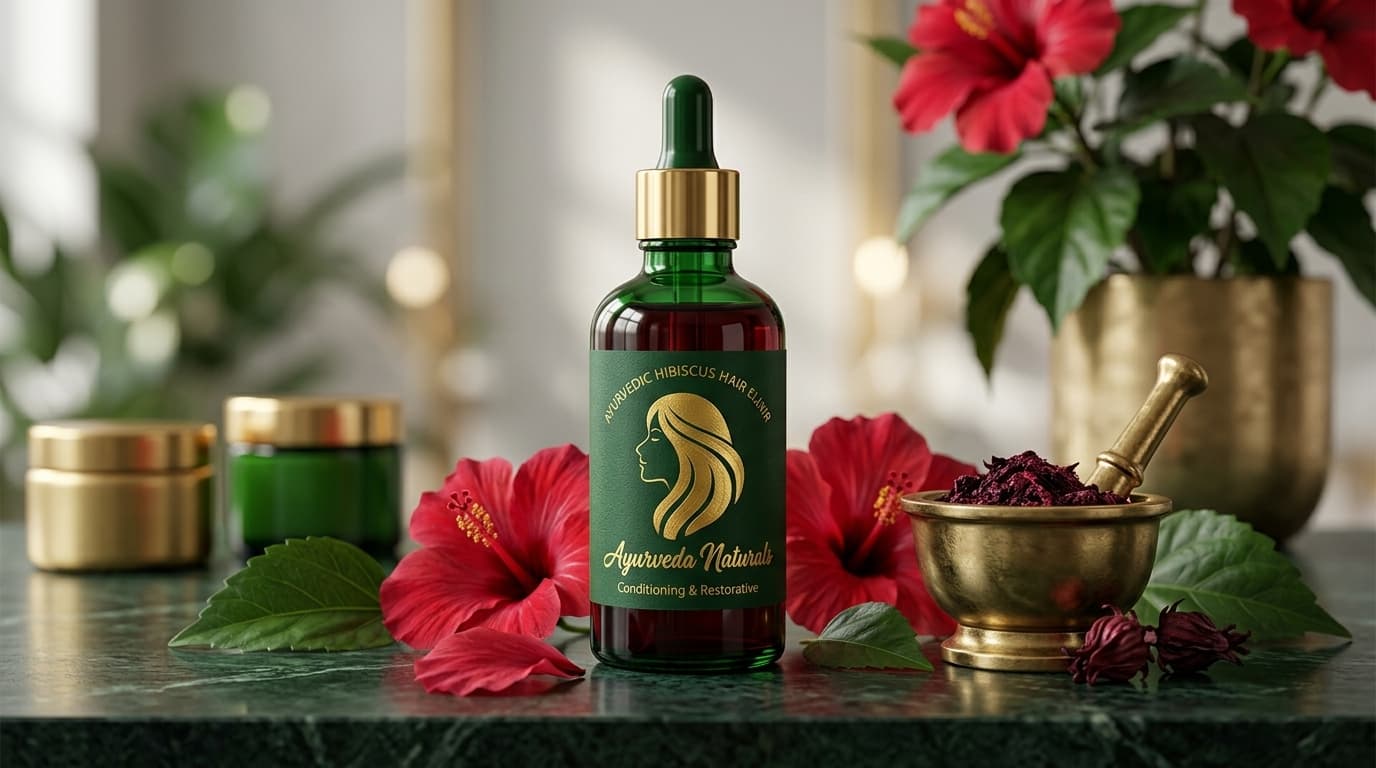
Direct Answer: Why Hibiscus Flowers and Leaves Are Nature’s Master Conditioner
Hibiscus flower and leaves for natural hair conditioning deliver an incomparable botanical solution for dull, frizzy, brittle, and thinning hair. Botanically known as Hibiscus rosa-sinensis, this royal Ayurvedic flora acts as a multi-functional hair therapy. While the leaves provide rich, gelatinous mucilage polysaccharides and natural cleansing saponins that detangle, soften, and coat the hair cuticle in an elastic moisture shield, the vibrant red flowers supply a dense infusion of amino acids, Vitamin C, alpha-hydroxy acids (AHAs), and antioxidant flavonoids. Together, they stimulate follicular cell division in the dermal papilla, extend the anagen growth cycle, repair split ends, and impart glass-like shine without synthetic silicones or sulfates.
The Sacred Ayurvedic Science of Japa Pushpa (Hibiscus rosa-sinensis)
In classical Ayurvedic pharmacology (Dravyaguna Shastra), the red hibiscus is celebrated as Japa Pushpa (the flower) and Japa Patra (the leaf). Ancient Ayurvedic sages categorized hibiscus as an exceptionally potent Keshya (hair-promoter), Varnya (complexion-enhancer), and Rasayana (cellular rejuvenator). Hibiscus possesses Kashaya (astringent) and Tikta (bitter) tastes (Rasa), Laghu (light) and Snigdha (unctuous/nourishing) physical qualities (Guna), a deeply Sheeta (cooling) thermal potency (Virya), and a Madhura (sweet) post-digestive transformation (Vipaka).
According to the foundational Ayurvedic text Charaka Samhita, premature hair thinning, follicular burning, excessive shedding, and early graying are primary symptoms of aggravated Pitta dosha. When internal metabolic heat (Ushnatva) rises into the head and scalp (Shiro Pradesha), it scorches the delicate hair roots (Keshamula), causing hair follicles to rapidly enter premature senescence. Because of its intensely cooling Sheeta Virya and astringent Kashaya Rasa, hibiscus immediately cools scalp inflammation, constricts dilated microcapillaries, pacifies Pitta heat, and binds loose, shedding roots firmly into the scalp matrix.
To understand how hibiscus coordinates with other premier Ayurvedic botanicals, read our curated guide on the top 10 herbs for thick and lustrous hair, exploring how botanical synergy accelerates follicular transformation.
Phytochemical Blueprint: Unpacking the Leaves vs. Flowers
One of the most fascinating aspects of Hibiscus rosa-sinensis is the distinct yet complementary biochemical profile of its leaves compared to its vibrant blossoms. Utilizing both parts provides a complete hair care system:
The Phytochemistry of Hibiscus Leaves (Japa Patra)
- High-Molecular-Weight Mucilage Polysaccharides: Crushing fresh hibiscus leaves with water yields a rich, slippery, gel-like mucilage. This natural biopolymer mimics synthetic silicones (like dimethicone) by forming an ultra-thin, breathable, lubricating film along each strand. It eliminates mechanical friction during combing, locks internal water molecules within the cortex, and provides extreme slip for instant detangling.
- Mild Plant Saponins: The leaves contain gentle, naturally occurring triterpenoid saponins. These saponins emulsify surface oils, environmental dust, and sweat without stripping the scalp's protective sebum mantle (acid mantle), functioning as a zero-sulfate conditioning cleanser.
- Chlorophyll & Plant Sterols: Rich in bioavailable chlorophyll, beta-sitosterol, and stigmasterol, hibiscus leaves deliver potent antioxidant protection directly to the cellular lining of the follicular infundibulum.
The Phytochemistry of Hibiscus Flowers (Japa Pushpa)
- Keratin-Building Amino Acids: The petals are packed with free amino acids (including arginine, lysine, glutamic acid, and tyrosine). These amino acids diffuse directly into damaged, porous regions of the hair cortex, replenishing structural proteins and preventing mid-shaft tensile breakage.
- Ascorbic Acid (Vitamin C) & Bioflavonoids: Hibiscus flowers contain high levels of Vitamin C and polyphenolic bioflavonoids (quercetin, kaempferol). Vitamin C is an indispensable cofactor for prolyl and lysyl hydroxylase, the enzymes responsible for collagen cross-linking and structural reinforcement around the dermal papilla.
- Anthocyanins (Cyanidin and Delphinidin Glucosides): The brilliant crimson pigment of hibiscus flowers is derived from anthocyanins—extraordinary free-radical scavenging pigments that protect hair keratin and melanocytes from solar UV photodegradation and atmospheric oxidation.
- Alpha-Hydroxy Acids (Citric, Malic, and Tartaric Acids): Natural fruit acids gently exfoliate dead stratum corneum cells from around the follicular ostia, lower the pH of the hair fiber to its optimal acidic baseline (pH 4.5–5.5), and seal down the outer imbricated scales of the cuticle for mirror-like light reflectivity.
5 Proven Biological Mechanisms: How Hibiscus Transforms Hair
Deploying hibiscus flower and leaves for natural hair conditioning produces dramatic, measurable changes across the scalp and hair fiber through five core biological pathways:
1. Follicular Anagen Induction and Stem Cell Activation
In peer-reviewed in vivo trichological research, petroleum ether and ethanolic extracts of Hibiscus rosa-sinensis flowers and leaves demonstrated remarkable hair-growth promoting activity. Studies showed a significant increase in the percentage of hair follicles shifting from the dormant telogen phase into the actively dividing anagen phase, with results rivaling 2% pharmaceutical minoxidil solutions. The active bioflavonoids stimulate gene expression for basic fibroblast growth factor (bFGF) and vascular endothelial growth factor (VEGF) within the dermal papilla.
2. Cuticle Alignment and Porosity Normalization
Healthy hair cuticles resemble tightly packed shingles on a roof. When hair is subjected to chemical dyes, alkaline soaps, or heat tools, these cuticle scales blow open, creating high porosity, chronic moisture loss, tangles, and frizz. The natural organic acids in hibiscus gently lower the hair’s surface pH, causing lifted cuticle scales to contract and lie flat against the cortex. This locks hydration inside the shaft and prevents environmental humidity from causing frizzy swelling.
3. Sealing Split Ends & Increasing Tensile Elasticity
Split ends (trichoptilosis) occur when the protective cuticle is worn away, allowing cortical fibers to fray and unravel. The combination of hibiscus leaf mucilage and petal amino acids cross-links with the fractured cortical matrix, temporarily sealing split ends, smoothing rough nodes along the hair shaft, and increasing mechanical elasticity (the ability of a strand to stretch under tension without snapping).
4. Neutralizing Pitta Scalp Heat and Malassezia Overgrowth
Scalps experiencing excessive heat, sebum oxidation, and inflammation provide an ideal breeding ground for Malassezia yeasts, which trigger severe itching, dandruff, and inflammatory hair fall. Hibiscus possesses natural antifungal and antibacterial bioactives that suppress yeast proliferation while its cooling thermal energetics soothe erythema, calm burning sensations, and restore a harmonious microfloral equilibrium.
5. Enhancing Melanin Depth and Guarding Against UV Photo-Bleaching
Prolonged exposure to solar ultraviolet radiation breaks down hair melanin and oxidizes keratin disulfide bonds, turning dark hair brassy, faded, and weak. The anthocyanin pigments and polyphenols in hibiscus petals act as natural botanical UV filters, absorbing damaging radiation and preserving rich, dark hair pigmentation.
For individuals struggling with extreme dryness, split ends, and damage, combining hibiscus with other Ayurvedic treatments delivers rapid recovery. Learn more in our guide on the best Ayurvedic hair mask recipes for split ends and frizz.
Comprehensive Comparison: Hibiscus Conditioning vs. Alternative Treatments
To understand where hibiscus stands among hair conditioning options, review this side-by-side evaluation:
| Conditioning Treatment | Primary Active Agents | Mechanism of Action | Scalp Health Impact | Long-Term Buildup Risk |
|---|---|---|---|---|
| Fresh Hibiscus Leaves & Flowers | Mucilage polysaccharides, amino acids, AHAs, anthocyanins | Biopolymer cuticle coating, internal cortex repair, pH alignment | Deeply cooling, anti-inflammatory, stimulates dermal papilla | Zero buildup (100% water-soluble and biodegradable) |
| Commercial Silicone Conditioners | Dimethicone, Amodimethicone, Cyclopentasiloxane | Synthetic polymer wrap creating artificial surface slip | Can occlude scalp follicles and suffocate the dermal layer | High (requires harsh sulfate clarifiers to remove) |
| Raw Aloe Vera Gel | Acemannan, proteolytic enzymes, vitamins A/C/E | Humectant hydration, enzymatic exfoliation of dead cells | Excellent soothing, cooling, and pH balancing properties | Very low (hydrating, but lacks rich structural amino acids) |
| Egg White / Yolk Protein Mask | Albumin, ovalbumin, lutein, biotin, sulfur | Surface protein deposition, lipid replenishment | Nourishing, but can leave heavy residue and odor if overheated | Moderate (can cause protein overload and brittleness if overused) |
| Flaxseed Mucilage Gel | Galacturonic acid mucilage, ALA Omega-3, lignans | Film-forming flexible hold, moisture retention, curl definition | Calming to dry scalps, non-greasy | Very low (excellent for styling, slightly less reparative for cortex) |
Master DIY Traditional Recipes: Authentic Ayurvedic Formulations
To harness the full therapeutic potential of fresh or dried hibiscus, traditional Ayurvedic medicine utilizes specific preparation techniques. Here are three salon-grade, authentic recipes you can prepare at home:
Recipe 1: The Fresh Hibiscus Ultra-Slip Conditioning & Detangling Mask
This legendary South Indian hair treatment uses fresh leaves and blossoms to create a rich, emerald-and-crimson paste that rivals the most luxurious deep-conditioning salon treatments.
Ingredients:
- 12 to 15 fresh, pesticide-free Hibiscus leaves (washed thoroughly)
- 5 to 6 fresh red Hibiscus flowers (remove the green calyx and yellow pollen stamen)
- 3 tablespoons of plain, fresh yogurt (or fresh coconut milk for vegan hair care)
- 1 tablespoon of raw honey or pure cold-pressed sweet almond oil
Preparation & Application Protocol:
- Blend the Leaves and Flowers: Place the fresh hibiscus leaves and petals into a blender with 2 to 3 tablespoons of pure rose water or filtered water.
- Extract the Mucilage: Blend on high speed for 90 seconds until the mixture transforms into a thick, highly gelatinous, vibrant green paste with an ultra-slippery texture.
- Add Nourishing Lipids: Add the yogurt and honey (or almond oil) to the blender and pulse for another 20 seconds to create a silky, whipped cream consistency.
- Application: Section damp, freshly washed hair. Apply the paste generously from the scalp all the way down to the very ends of the hair strands, working it in with your fingers to ensure every single cuticle is coated in mucilage.
- Rest & Rinse: Cover hair with a shower cap and leave on for 30 to 45 minutes. Rinse thoroughly with cool or lukewarm water. You will feel an immediate silk-like slip; no synthetic conditioner is needed.
Recipe 2: The Classical Hibiscus & Coconut Ruby Hair Oil (Japa Taila)
This slow-infused herbal oil captures both lipid-soluble sterols and antioxidant pigments in a stable coconut and sesame oil matrix, creating an exceptional overnight treatment for thinning and graying hair.
Ingredients:
- 10 fresh red Hibiscus flowers (or 3 tablespoons of pure organic hibiscus powder)
- 10 fresh Hibiscus leaves
- 1/2 cup of cold-pressed virgin Coconut Oil
- 1/4 cup of cold-pressed Black Sesame Oil
- 1 teaspoon of Fenugreek (Methi) seeds
Preparation Protocol:
- Pound the hibiscus flowers, leaves, and fenugreek seeds into a coarse paste using a mortar and pestle (do not add extra water).
- In a heavy-bottomed stainless steel or cast-iron pan, combine the virgin coconut oil and black sesame oil over the lowest possible flame.
- Add the hibiscus paste into the oil. The oil will gently sizzle as the natural botanical moisture evaporates.
- Simmer on low heat for 15 to 20 minutes until the moisture completely evaporates, the sizzling ceases, and the oil turns a deep, translucent ruby-amber color. Never allow the botanicals to burn.
- Turn off the heat and allow the oil to cool and steep for 24 hours. Strain through fine unbleached muslin into a dark amber glass bottle.
- Massage 1 to 2 tablespoons into the scalp and hair lengths twice weekly before bedtime. Wash out the following morning with a mild herbal shampoo.
Recipe 3: The Hibiscus & Rose Cuticle-Sealing Hydrosol Gloss Rinse
For an instant burst of gloss, pH correction, and static control after washing, this botanical tea rinse acts as a natural acidic gloss treatment.
Preparation Protocol:
- Boil 2 cups of filtered water and pour over 2 tablespoons of dried hibiscus petals and 1 tablespoon of dried organic rose petals.
- Cover and allow to steep for 30 minutes until a rich, deep burgundy liquid forms.
- Strain the liquid and add 1 teaspoon of raw apple cider vinegar and 4 drops of rosemary essential oil.
- After shampooing and rinsing your hair, pour this cool infusion over your entire head as a final rinse. Do not rinse out with water. Gently towel-dry to reveal extraordinary shine and smooth cuticles.
Customizing Hibiscus for Hair Porosity and Texture
Different hair structures require tailored approaches to extract the maximum benefits from hibiscus botanicals:
- For Low Porosity Hair (Tightly Bound Cuticles, Product Sits on Strands): Low porosity hair requires light, acidic formulations. Utilize the hibiscus flower tea rinse or blend leaf mucilage with light argan or jojoba oil. Avoid heavy coconut oil blends, and use warm water during the pre-mask rinse to encourage cuticle reception.
- For High Porosity Hair (Chemically Treated, Bleached, Damaged, Frizzy): High porosity hair desperately needs the protein-building amino acids and lipid-sealing properties of hibiscus. Use the full leaf-and-flower mask enriched with coconut cream or cold-pressed castor oil to fill cortex voids and lock in moisture permanently.
- For Curly, Coily, and Textured Hair (Types 3 & 4): Curly hair thrives on the extreme slip provided by hibiscus leaf mucilage. Use fresh leaf paste as a pre-shampoo detangler (pre-poo) to glide wide-tooth combs through knots without snapping fragile curls.
Harvesting, Sourcing, and Storing Hibiscus at Home
To ensure maximum therapeutic potency when using fresh or dried hibiscus:
- Harvesting Fresh Plants: Pick hibiscus flowers and leaves in the early morning after the morning dew has evaporated. Choose fully bloomed, deep red Hibiscus rosa-sinensis flowers (the single-petal five-lobed variety is the traditional medicinal standard). Always gently remove the yellow pollen stem and green base calyx before processing.
- Drying and Powdering: If fresh flowers are unavailable year-round, shade-dry clean petals and leaves on a cotton sheet away from direct sunlight for 4 to 6 days. Once crisp, grind in an airtight spice grinder into an ultra-fine powder and store in a vacuum-sealed jar away from humidity.
- Sourcing Organic Powders: When purchasing packaged hibiscus powder, ensure it is 100% pure Hibiscus rosa-sinensis with no added talc, synthetic dyes, preservatives, or artificial fragrances.
Ready to Transform Your Hair Naturally?
Explore our 100% organic Ayurvedic haircare range crafted with 15+ potent herbs.
Hair Regrowth Oil · Purifying Hair Shampoo · Ultimate Haircare Bundle
Frequently Asked Questions (FAQ)
How do hibiscus flowers and leaves naturally condition and repair hair?
Hibiscus flowers and leaves contain a high concentration of natural mucilaginous polysaccharides, amino acids, alpha-hydroxy acids (AHAs), and anthocyanins. When applied topically, the mucilage from crushed leaves forms a slippery, breathable protective biopolymer sheath over the hair shaft that seals lifted cuticles, prevents moisture loss, and eliminates frizz without silicone buildup. Simultaneously, the amino acids and AHAs in the flowers rebuild keratin structures, balance scalp pH, and enhance radiant shine.
Can hibiscus stimulate new hair growth from dormant follicles?
Yes, pharmacological studies on Hibiscus rosa-sinensis extract have demonstrated significant hair follicle revival. The bioactive flavonoids and vitamins in hibiscus stimulate blood circulation to the dermal papilla, accelerate cellular mitosis in the hair matrix, and trigger dormant telogen follicles into the active anagen growth phase, improving both hair length and density.
Should I use hibiscus flowers, leaves, or both for hair masks?
Using both flowers and leaves together provides the ultimate synergistic benefit. Hibiscus leaves are exceptionally rich in natural saponins and slippery mucilage that provide cleansing, detangling, and deep conditioning slip. Hibiscus flowers are packed with amino acids, Vitamin C, and antioxidants that nourish the scalp, strengthen the hair cortex, and boost natural color richness.
How often should I apply a hibiscus mask or rinse to my hair?
For normal to dry and frizzy hair, applying a fresh hibiscus leaf and petal mask once or twice a week is optimal. A hibiscus floral tea or hydrosol rinse can be used as a final conditioning splash after every shampoo wash to maintain an acidic scalp pH and seal the cuticle.
Does hibiscus stain or alter blonde or color-treated hair?
Red hibiscus flowers contain natural anthocyanin pigments. While they enhance depth and provide subtle reddish-brown highlights to brunette, black, or auburn hair, leave-on masks may leave a temporary reddish or pinkish tint on very porous, platinum-bleached blonde hair. Those with platinum hair should use hibiscus leaves exclusively or limit flower application to 15 minutes.
Can hibiscus cure dandruff and itchy scalp?
Yes, hibiscus leaves contain mild natural plant saponins and astringent tannins that gently cleanse excess sebum and flakes, while natural citric and malic acids exfoliate dead keratinocytes. Furthermore, the cooling (Sheeta) energetic nature of hibiscus pacifies aggravated Pitta heat, calming scalp redness, burning sensations, and chronic itching.
Revitalize Your Hair with Master-Crafted Ayurvedic Formulations
While fresh hibiscus masks provide an exceptional botanical treat, sustaining long-term hair density and vibrant health requires consistent, daily follicular nourishment. If you seek a masterfully balanced, highly concentrated herbal elixir that marries the cooling, conditioning power of organic Hibiscus with the clinically proven follicle-stimulating power of Bhringraj, Amla, Brahmi, and Kalonji, look no further.
Experience the ultimate fusion of ancient Ayurvedic wisdom and modern botanical purity. Discover our artisanal Ayurvedic Hair Regrowth Oil and indulge your hair in pure, restorative luxury today.
Ready to stop hair fall naturally?
Don't wait until it's too late. Experience the proven magic of our 100% organic, wild-harvested Ayurvedic formulations and start seeing real results in 14 days.
Free Shipping + Cash on Delivery