
Fungal Acne On Scalp Treatment
The Ultimate Guide to Fungal Acne On Scalp Treatment: Causes, Symptoms, and Effective Solutions
Published on:
Author: Ayurvedic & Dermatology Specialist
Introduction to Scalp Fungal Acne
If you have been struggling with persistent, itchy, and stubborn bumps on your head that refuse to go away despite numerous shampoos, you might be dealing with a condition commonly known as fungal acne. Understanding the correct Fungal Acne On Scalp Treatment is essential because treating it like regular bacterial acne will often make the situation significantly worse. Fungal acne, medically referred to as Malassezia folliculitis or Pityrosporum folliculitis, is not actually acne at all. It is an overgrowth of yeast within the hair follicles.
Many individuals spend years cycling through salicylic acid treatments, harsh antibiotics, and specialized clarifying shampoos without seeing any relief. This comprehensive, 2500+ word guide is designed to provide you with a definitive Fungal Acne On Scalp Treatment protocol. We will delve deep into the biology of Malassezia, explore the specific ingredients that feed this yeast, and outline both medical and natural remedies to restore your scalp’s health. Whether you are dealing with mild itchiness or severe, inflamed pustules, mastering the right Fungal Acne On Scalp Treatment will be the key to achieving clear, healthy skin.
The journey to clearing this condition requires a paradigm shift. You must stop thinking of these bumps as standard pimples and start treating them as a fungal overgrowth. This means revolutionizing your entire hair care routine, scrutinizing ingredient labels, and employing targeted anti-fungal agents. Let's explore everything you need to know about implementing a successful Fungal Acne On Scalp Treatment.
The Science Behind Malassezia Folliculitis
What is Malassezia?
To truly understand Fungal Acne On Scalp Treatment, we must first understand the culprit: Malassezia. Malassezia is a genus of fungi—specifically, lipophilic (lipid-loving) yeasts—that naturally reside on the skin of most humans and animals. In normal circumstances, these yeasts are a harmless part of the skin's microbiome. They live in harmony with bacteria and other microorganisms, feeding on the natural sebum (oil) produced by your sebaceous glands.
However, problems arise when this delicate balance is disrupted. When Malassezia proliferates uncontrollably and enters the hair follicles, it triggers an inflammatory response from the immune system. This results in the itchy, red bumps characteristic of Malassezia folliculitis. Because the scalp is dense with hair follicles and highly active sebaceous glands, it is a prime environment for this yeast to thrive, making a dedicated Fungal Acne On Scalp Treatment necessary.
Why Does Malassezia Overgrow on the Scalp?
Several environmental and biological factors can trigger an overgrowth of Malassezia, necessitating a robust Fungal Acne On Scalp Treatment plan. These include:
- Excessive Sebum Production: Since Malassezia feeds on lipids (oils), individuals with naturally oily scalps are highly susceptible. Hormonal fluctuations can also increase sebum production.
- Heat and Humidity: Yeast thrives in warm, moist environments. Living in a tropical climate, sweating excessively during workouts, or wearing non-breathable hats and helmets can create a microclimate perfect for yeast overgrowth.
- Antibiotic Use: Broad-spectrum antibiotics kill both bad and good bacteria. When the bacteria that normally compete with yeast for space and resources are eliminated, Malassezia can rapidly multiply. This is why traditional acne treatments involving antibiotics often precipitate fungal acne.
- Immunosuppression: Stress, illness, or medications that suppress the immune system can lower the body's natural defenses, allowing opportunistic pathogens like yeast to flourish.
- Inappropriate Hair Care Products: Many commercial shampoos, conditioners, and styling products contain specific fatty acids, oils, and esters that act as a direct food source for Malassezia. Identifying and eliminating these ingredients is a cornerstone of any effective Fungal Acne On Scalp Treatment.
By understanding these triggers, you can tailor your Fungal Acne On Scalp Treatment to not only address the current breakout but also prevent future recurrences.
Recognizing the Symptoms: Is it Fungal Acne?
Accurate diagnosis is the first and most crucial step in any Fungal Acne On Scalp Treatment regimen. Because Malassezia folliculitis visually mimics other skin conditions, misdiagnosis is incredibly common. Here is how you can differentiate fungal acne from other scalp issues.
Fungal Acne vs. Bacterial Acne (Acne Vulgaris)
While standard acne is caused by Cutibacterium acnes (a bacterium), fungal acne is caused by yeast. The physical manifestations differ in several key ways:
- Uniformity: Fungal acne typically presents as clusters of small, uniform, red bumps or pustules. Bacterial acne features a mix of sizes and types, including cysts, nodules, and pustules.
- Itchiness: The hallmark symptom of Malassezia folliculitis is intense itching. Standard bacterial acne is rarely itchy unless irritated by picking or harsh products. If your scalp bumps itch intensely, you likely need a Fungal Acne On Scalp Treatment.
- Lack of Comedones: Fungal acne does not involve blackheads or whiteheads (comedones). If you see blackheads alongside the bumps, there may be a bacterial component or a mixed infection.
- Location: Fungal acne often appears on the scalp, forehead, hairline, chest, and upper back—areas with high concentrations of sebaceous glands.
Fungal Acne vs. Seborrheic Dermatitis and Dandruff
Interestingly, Malassezia is also the primary culprit behind seborrheic dermatitis and common dandruff. While dandruff presents as flaking without necessarily having bumps, and seborrheic dermatitis presents as greasy, scaly, yellowish patches, fungal acne presents as distinct follicular papules and pustules. Because they share the same underlying cause, the Fungal Acne On Scalp Treatment principles overlap significantly with treatments for seborrheic dermatitis.
Why Traditional Acne Treatments Fail
If you have been treating your scalp bumps with standard acne products and seeing no improvement—or noticing a worsening of the condition—it is a strong indicator that you are dealing with yeast. A proper Fungal Acne On Scalp Treatment requires abandoning traditional acne protocols.
Bacterial acne treatments often involve antibiotics (topical or oral) and harsh antibacterial agents like benzoyl peroxide. When you apply antibiotics to the scalp, you decimate the bacterial population. Because bacteria and yeast compete for resources, eliminating the bacteria gives the yeast free rein to multiply without competition. This phenomenon is why many individuals develop fungal acne during or after a course of antibiotics.
Furthermore, many traditional acne products are formulated in cream or lotion bases that contain lipids and fatty acids. When you apply these to fungal acne, you are essentially feeding the yeast while failing to address the root cause. This is why a specialized Fungal Acne On Scalp Treatment focusing on anti-fungal agents and safe ingredients is absolutely non-negotiable.
The Definitive Fungal Acne On Scalp Treatment Protocol
Successfully clearing Malassezia folliculitis requires a multifaceted approach. You cannot simply use an anti-fungal shampoo and expect permanent results if you continue using conditioners and styling products that feed the yeast. Below is a comprehensive, step-by-step Scalp Care Routine protocol.
Step 1: Implementing Medical Anti-Fungal Shampoos
The foundation of any Targeted Regimen is an effective anti-fungal agent. Over-the-counter medicated shampoos are often sufficient to clear mild to moderate cases. The active ingredients to look for include:
- Ketoconazole (1% or 2%): Ketoconazole is the gold standard for Yeast Management Strategy. It is a broad-spectrum azole antifungal that directly inhibits the synthesis of ergosterol, a vital component of the fungal cell membrane. You can find 1% ketoconazole in over-the-counter products like Nizoral, while 2% formulations typically require a prescription.
- Zinc Pyrithione: This powerful antibacterial and antifungal agent reduces the population of Malassezia on the scalp. It is commonly found in shampoos like Head & Shoulders. However, ensure the specific formulation you choose does not contain unsafe oils.
- Selenium Sulfide: Found in Selsun Blue, selenium sulfide lowers the amount of Malassezia and slows down the turnover of skin cells, reducing flaking and bumps.
- Ciclopirox Olamine: Another potent antifungal that is highly effective against Malassezia. It is often found in prescription shampoos like Loprox.
Step 2: Proper Application Techniques (The Contact Therapy Method)
A common reason why a Targeted Regimen fails is improper application. Anti-fungal shampoos are not like regular cleansers; they are topical medications that require time to work.
The Protocol: Lather the medicated shampoo into your scalp, ensuring the affected areas are thoroughly covered. Do not rinse immediately. You must leave the shampoo on the scalp for 5 to 10 minutes before rinsing. This "contact therapy" allows the active ingredients sufficient time to penetrate the hair follicles and destroy the yeast cells. Repeat this process 2 to 3 times per week until the condition clears.
Step 3: Transitioning to Fungal Acne Safe Hair Products
This is arguably the most challenging and critical step in your Targeted Regimen journey. Malassezia feeds on fatty acids with carbon chain lengths between 11 and 24. This means almost all plant oils, butters, and esters commonly found in hair care products will exacerbate the condition.
Ingredients to Avoid:
- All plant oils (coconut oil, olive oil, argan oil, jojoba oil, shea butter, cocoa butter). The only exceptions are MCT oil (caprylic/capric triglycerides), pure squalane oil, and mineral oil.
- Fatty acids: Lauric acid, myristic acid, palmitic acid, stearic acid, oleic acid, and linoleic acid.
- Esters: Any ingredient ending in "-ate" (e.g., isopropyl myristate, glyceryl stearate, decyl oleate).
- Polysorbates: Polysorbate 20, 40, 60, and 80.
You must meticulously cross-reference the ingredient lists of your shampoos, conditioners, hair masks, and styling gels against a fungal acne database. Finding a fungal acne safe conditioner is notoriously difficult, as most rely on fatty alcohols and oils for slip and hydration. Look for lightweight, glycerin-based, or specifically formulated fungal-safe brands to maintain the integrity of your Fungal Acne On Scalp Treatment.
Natural and Ayurvedic Effective Protocol Methods
For those who prefer holistic approaches, or wish to supplement their medical Malassezia Treatment, there are several highly effective natural and Ayurvedic remedies. According to Ayurvedic principles, scalp issues are often related to an imbalance in the Pitta and Kapha doshas, signifying excess heat, inflammation, and sebum production. For a holistic wellness approach, you can read more about balancing your doshas in our Ayurvedic hair care routine guide.
Tea Tree Oil (Melaleuca alternifolia)
Tea tree oil is a potent natural antimicrobial and anti-fungal agent. Extensive studies have shown its efficacy against various strains of Malassezia. However, applying pure tea tree oil directly to the scalp can cause severe burns and contact dermatitis.
How to use: Dilute 2-3 drops of pure tea tree oil into a tablespoon of a fungal acne safe carrier oil, such as 100% pure MCT oil (caprylic/capric triglycerides) or squalane oil. Massage this into the scalp 30 minutes before washing your hair. This acts as an excellent pre-wash Targeted Regimen.
Apple Cider Vinegar (ACV) Rinses
Malassezia thrives in a slightly alkaline environment. Apple cider vinegar helps to restore the scalp's natural acidic mantle (pH 4.5-5.5), creating an inhospitable environment for yeast overgrowth. Additionally, ACV possesses mild anti-fungal properties.
How to use: Mix one part raw, unfiltered apple cider vinegar with four parts water. After shampooing and conditioning, pour the mixture over your scalp. Let it sit for 2-3 minutes before rinsing thoroughly with cool water. This step is a fantastic complementary Yeast Management Strategy.
Neem (Azadirachta indica)
In Ayurvedic medicine, Neem is revered for its powerful blood-purifying and anti-microbial properties. Neem extracts have been scientifically proven to inhibit the growth of pathogenic fungi. While pure Neem oil contains fatty acids that could technically feed Malassezia, a concentrated aqueous extract (Neem water) is a brilliant, oil-free Targeted Regimen.
How to use: Boil a handful of fresh or dried Neem leaves in a liter of water until the water reduces by half and turns a deep greenish-brown. Strain the liquid, let it cool completely, and use it as a final scalp rinse after washing your hair. For more on natural soothing, see our natural dandruff remedies.
Aloe Vera Gel
Pure aloe vera gel is deeply soothing, anti-inflammatory, and hydrating without introducing any lipids that feed Malassezia. It is perfect for calming the intense itchiness associated with fungal breakouts. Ensure you use 100% pure aloe vera without added thickeners or polysorbates. Apply directly to the scalp and leave it on as a calming Scalp Care Routine mask.
Diet and Lifestyle Interventions
Topical treatments are only one piece of the puzzle. An effective Targeted Regimen requires addressing internal and environmental factors that contribute to yeast overgrowth.
Dietary Modifications
Just as Malassezia feeds on lipids on the outside of your skin, yeast in your gut feeds on sugar and simple carbohydrates. A diet high in refined sugars, processed foods, and high-glycemic carbohydrates can systemicly encourage fungal overgrowth. Implementing an anti-inflammatory, low-sugar diet can significantly improve the efficacy of your Effective Protocol. Focus on consuming whole foods, lean proteins, and plenty of leafy greens. Probiotics and fermented foods (like kefir, kimchi, and sauerkraut) can help restore a healthy gut microbiome, which indirectly supports a healthy skin microbiome.
Hygiene and Environmental Management
Yeast loves heat, moisture, and darkness. If you frequently wear hats, beanies, or helmets, you are creating a perfect incubator for Malassezia.
- Post-Workout Hygiene: Shower immediately after a sweaty workout. Letting sweat dry on your scalp creates a prime environment for fungal proliferation.
- Breathable Headwear: If you must wear a hat, ensure it is made of breathable fabrics like cotton or moisture-wicking materials, and wash it frequently.
- Pillowcases: Change your pillowcases every 2-3 days. Dead skin cells, sebum, and fungal spores accumulate on your bedding.
- Avoid Touching: Touching or scratching your scalp spreads the yeast to other follicles and introduces bacteria from your fingers, risking a secondary bacterial infection.
Medical Treatments: When to See a Dermatologist
If you have diligently followed a topical Targeted Regimen protocol for a month without seeing significant improvement, or if the condition is causing hair loss, severe inflammation, or scarring, it is time to consult a board-certified dermatologist. For authoritative insights on dermatological conditions, refer to the American Academy of Dermatology (AAD).
A dermatologist can confirm the diagnosis through a skin scraping or a Wood's lamp examination (Malassezia can fluoresce under specific UV light). If topical treatments are insufficient, your doctor may prescribe an oral Targeted Regimen.
Oral Antifungals: Medications such as oral fluconazole or itraconazole are incredibly effective and can clear severe, stubborn fungal acne in a matter of weeks. Because these medications are systemic, they eradicate the yeast from deep within the hair follicle where topical shampoos cannot reach. However, oral antifungals can have significant side effects, particularly concerning liver health, and require strict medical supervision and liver enzyme monitoring.
To read more scientific literature on Malassezia pathogenesis, you can explore research curated by the National Center for Biotechnology Information (NCBI).
Maintaining Clear Skin: The Post-Treatment Routine
One of the most frustrating aspects of Malassezia folliculitis is its high recurrence rate. Once you have successfully executed your Effective Protocol and your scalp is clear, you cannot simply revert to your old habits and products. Malassezia is a permanent resident of your skin's microbiome; the goal is management, not eradication.
Maintenance Protocol:
- Continue using your anti-fungal shampoo (ketoconazole or zinc pyrithione) once a week for maintenance.
- Strictly adhere to a fungal acne safe hair care routine indefinitely. A single use of a heavy oil-based conditioner can trigger a relapse.
- Periodically use a salicylic acid scalp serum (ensure the formulation is oil-free and ester-free). Salicylic acid is a BHA that exfoliates inside the pore, helping to keep the follicles clear of excess sebum and dead skin cells, depriving the yeast of its food source.
Ready to Transform Your Hair Naturally?
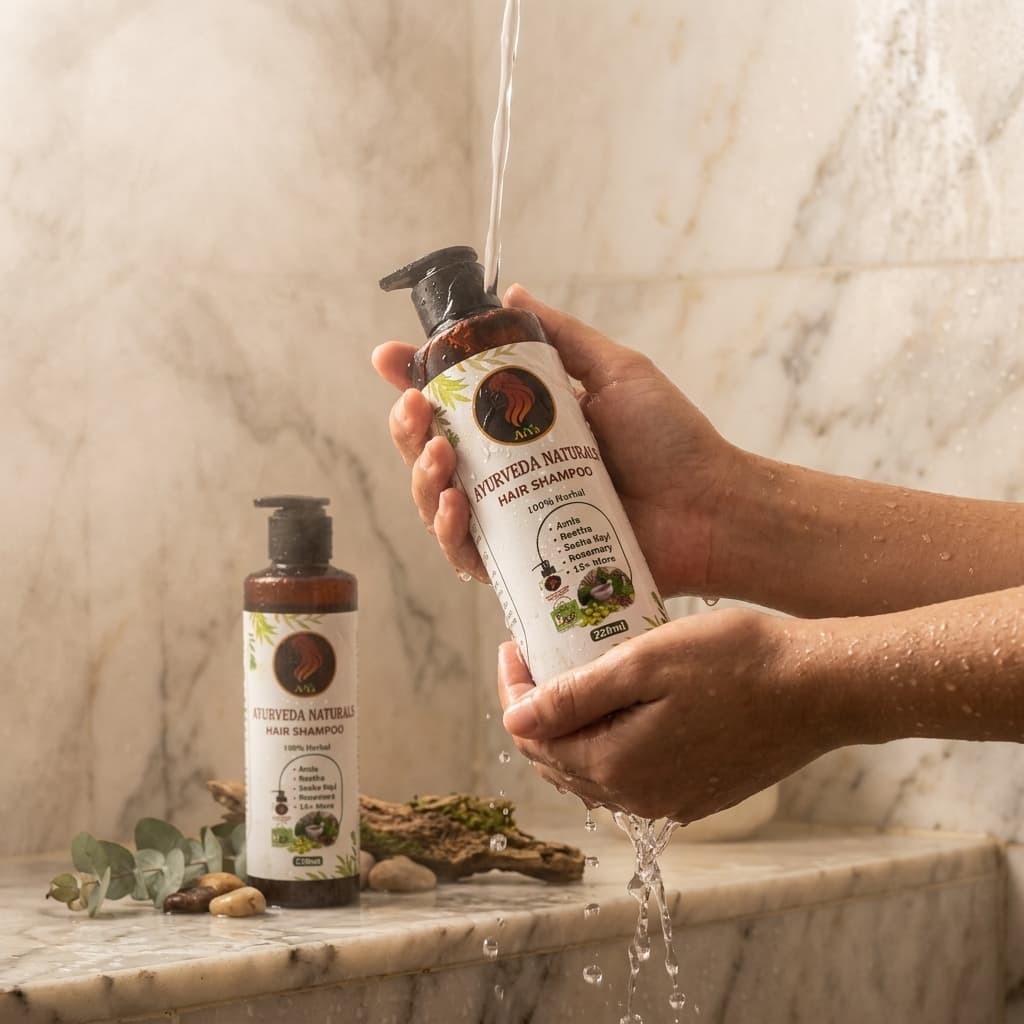
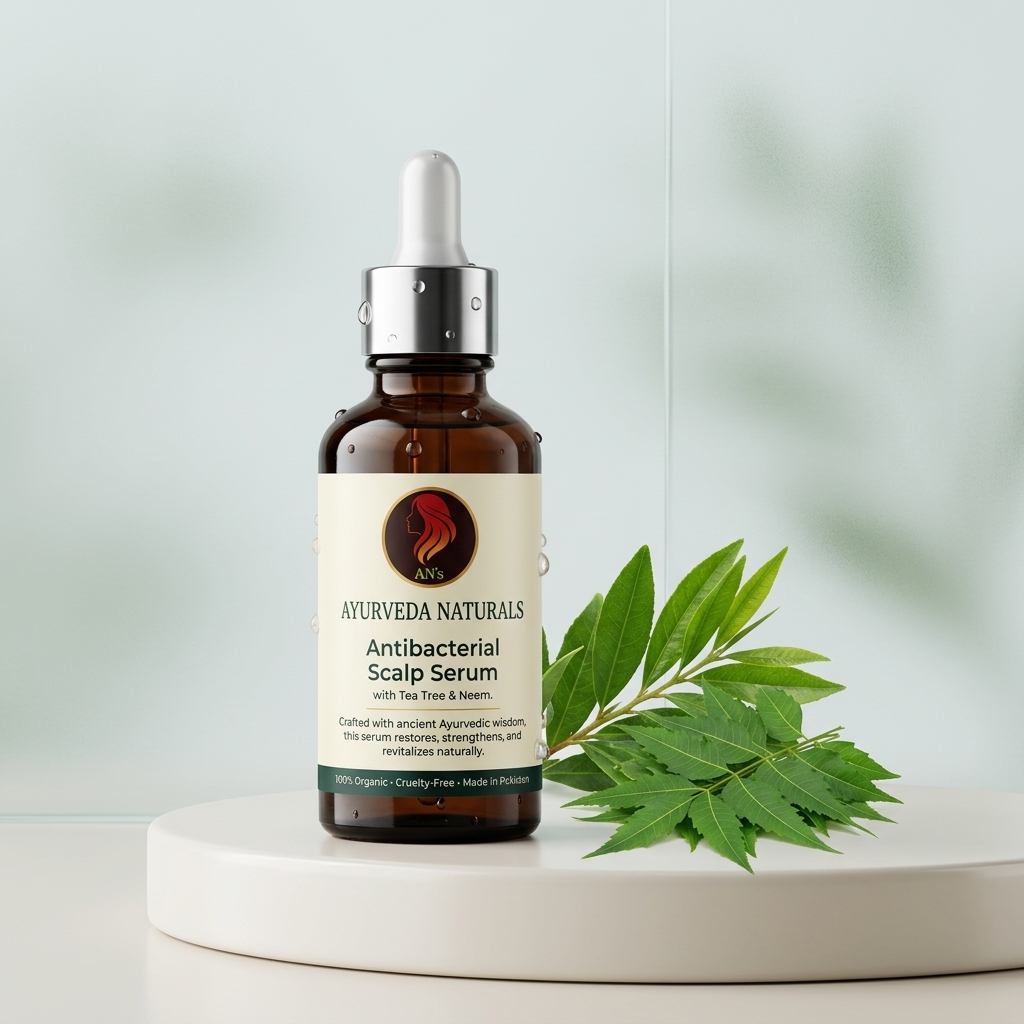
Explore our 100% organic Ayurvedic haircare range crafted with 15+ potent herbs.
Hair Regrowth Oil · Purifying Hair Shampoo · Ultimate Haircare Bundle
Frequently Asked Questions (FAQs)
1. Can fungal acne on the scalp cause hair loss?
Yes. Severe, untreated Malassezia folliculitis causes intense inflammation in the hair follicle. This inflammation can damage the follicle and disrupt the hair growth cycle, leading to temporary shedding or thinning (telogen effluvium). Implementing a proper Effective Protocol quickly reduces inflammation and halts hair loss, allowing the follicles to recover.
2. Is fungal acne contagious?
No, fungal acne is not contagious. The Malassezia yeast naturally lives on everyone's skin. The condition only develops in individuals whose specific skin chemistry, immune response, or environment allows the yeast to overgrow. You cannot catch fungal acne from sharing a hat or a pillowcase with someone who has it.
3. How long does a Malassezia Treatment take to work?
If you strictly follow an effective Scalp Care Routine—using ketoconazole shampoo and eliminating all unsafe products—you should see a significant reduction in itchiness within 3 to 5 days, and visible clearing of bumps within 2 to 4 weeks. Oral medications often yield results even faster.
4. Can I use coconut oil on my scalp if I have fungal acne?
Absolutely not. Coconut oil is extremely rich in lauric acid (a 12-carbon chain fatty acid), which is the absolute preferred food source for Malassezia yeast. Applying coconut oil to your scalp is akin to pouring gasoline on a fire. It will rapidly worsen the condition and completely counteract any Yeast Management Strategy you are using.
5. Does diet really affect scalp fungal acne?
Yes. A high-sugar diet promotes systemic inflammation and alters the body's microbiome, favoring yeast overgrowth both in the gut and on the skin. Reducing sugar and refined carbs is a supportive measure that enhances the effectiveness of your topical Effective Protocol.
6. Can stress trigger Malassezia folliculitis?
Yes, stress increases cortisol levels, which in turn stimulates the sebaceous glands to produce more oil (sebum). Since sebum is the primary food source for Malassezia, a stress-induced oily scalp can trigger an outbreak. Stress also suppresses the immune system, reducing your body's ability to keep the yeast in check.
7. What is the difference between dandruff and fungal acne?
Both are caused by an overgrowth of Malassezia yeast. Dandruff primarily involves an accelerated shedding of the top layer of skin cells, leading to visible white flakes. Fungal acne occurs when the yeast overgrowth extends deep into the hair follicles, causing an inflammatory response that forms distinct, itchy red bumps or pustules. The Malassezia Treatment approach is more rigorous but utilizes similar active ingredients.
8. Are there any safe oils for a Targeted Regimen routine?
Yes. The yeast cannot metabolize oils that lack specific carbon chain lengths. You can safely use 100% pure MCT oil (caprylic/capric triglycerides), pure squalane oil (derived from sugarcane or olives, but completely refined), and pure mineral oil. These will not interfere with your Targeted Regimen.
9. Can sweating make fungal acne worse?
Yes. Sweat creates a warm, humid environment that Malassezia thrives in. Furthermore, sweat mixed with sebum creates an ideal breeding ground. It is critical to shower and wash your hair or at least thoroughly rinse your scalp immediately after heavy sweating to maintain the progress of your Malassezia Treatment.
10. Do I need to throw away my old hairbrushes?
You do not necessarily need to throw them away, but you must thoroughly sanitize them. Soak your combs and brushes in a mixture of hot water and an anti-fungal shampoo, or use rubbing alcohol to disinfect them. Using a contaminated brush can reintroduce the yeast and dead skin cells to your freshly cleaned scalp, sabotaging your Scalp Care Routine.
Conclusion
Dealing with scalp bumps can be incredibly frustrating, especially when traditional methods fail. By understanding that Malassezia yeast is the root cause, you can stop fighting a losing battle against bacteria and start implementing a targeted Targeted Regimen. Remember the golden rules: utilize powerful anti-fungal agents like ketoconazole, meticulously avoid ingredient triggers like plant oils and esters, and practice excellent scalp hygiene. With consistency, patience, and the right Targeted Regimen protocol, you can eradicate the itch, clear the bumps, and restore a healthy, balanced scalp environment.
Ready to stop hair fall naturally?
Don't wait until it's too late. Experience the proven magic of our 100% organic, wild-harvested Ayurvedic formulations and start seeing real results in 14 days.
Free Shipping + Cash on Delivery