
Best Shampoo For Oily Scalp And Dry Ends
best shampoo for oily scalp and dry ends
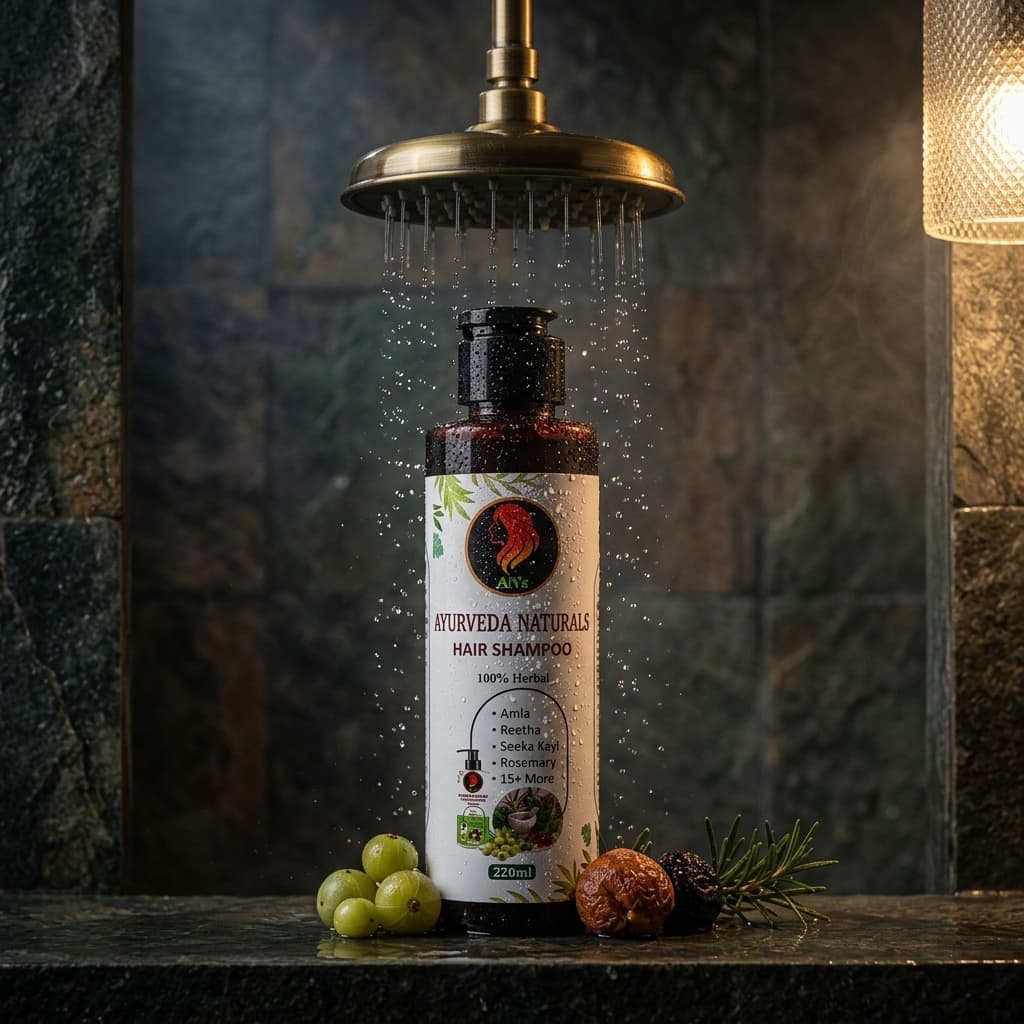
If you are constantly battling with combination hair, finding the best shampoo for oily scalp and dry ends is the most critical step toward achieving balanced, healthy, and lustrous locks. Dealing with hair that seems to have a split personality can be incredibly frustrating. On one hand, your scalp feels greasy, heavy, and prone to buildup just a day after washing. On the other hand, the mid-lengths and ends of your hair feel like straw—brittle, frayed, and desperately in need of moisture. This common predicament requires a nuanced approach, one that goes beyond harsh commercial detergents that strip the scalp or heavy silicones that weigh it down. At Ayurveda Naturals, we believe in treating the root cause of hair issues through holistic, time-tested Ayurvedic principles. In this comprehensive guide, we will explore the underlying causes of combination hair, the Ayurvedic perspective on dosha imbalances, and how to effectively manage your hair using the power of nature.
Understanding the Dilemma: Oily Roots and Dry Ends
Before we dive into the solutions, it is essential to understand why your hair behaves the way it does. Combination hair is very similar to combination skin; different areas require entirely different types of care. The scalp produces sebum, a natural oil designed to protect and nourish the hair follicles and the skin. In a balanced system, this sebum travels down the hair shaft, providing natural conditioning and shine all the way to the ends.
However, for those with combination hair, there is an overproduction of sebum at the scalp level. This excess oil creates a greasy appearance and can even lead to issues like dandruff, clogged hair follicles, and scalp acne. Simultaneously, because of factors like hair length, texture, or environmental damage, this natural oil fails to travel down the hair shaft. As a result, the ends remain deprived of moisture, leading to split ends, breakage, and a rough texture. Finding the right balance requires a cleanser that can effectively remove excess oil from the scalp without further depleting the already fragile ends.
What Causes Combination Hair?
Several factors can contribute to the development of an oily scalp accompanied by dry ends:
- Overwashing: Washing your hair too frequently with harsh sulfate-based shampoos strips the scalp of its natural oils. In response, the sebaceous glands go into overdrive, producing even more oil to compensate. Meanwhile, the harsh detergents severely dry out the ends.
- Improper Product Application: Applying heavy conditioners or styling products directly to the roots can exacerbate oiliness. Conversely, not providing enough hydration to the ends leaves them vulnerable to damage.
- Environmental Aggressors: Sun exposure, pollution, wind, and harsh weather conditions can dry out the hair shaft. At the same time, humidity can cause the scalp to sweat and produce more oil.
- Heat Styling and Chemical Treatments: Frequent use of blow dryers, straighteners, curling irons, and chemical dyes damages the hair cuticle, making it highly porous and unable to retain moisture, leading to severe dryness at the ends.
- Genetics and Hormones: Hormonal fluctuations (such as those during puberty, pregnancy, or stress) can significantly impact sebum production.
The Ayurvedic Perspective on Combination Hair
Ayurveda, the ancient Indian science of life and holistic healing, categorizes individuals and their physical traits based on three primary life energies or "doshas": Vata, Pitta, and Kapha. A state of health and balance is achieved when these doshas are in harmony. Hair problems, including combination hair, are viewed as a manifestation of an internal doshic imbalance.
Pitta and Vata Imbalance
An oily scalp with dry ends is typically seen as a dual imbalance of the Pitta and Vata doshas.
Pitta Dosha: Pitta is associated with the elements of fire and water. It governs metabolism, heat, and transformation in the body. When Pitta is aggravated—often due to a diet high in spicy, sour, or salty foods, excessive heat, or chronic stress—it manifests as excess heat in the body. In the context of hair, a Pitta imbalance leads to an overactive sebaceous gland system, resulting in excessive sweating, greasiness, and sometimes a sensitive or inflamed scalp.
Vata Dosha: Vata is associated with the elements of air and ether. It governs movement, circulation, and the nervous system. When Vata is out of balance—often caused by irregular routines, stress, cold weather, or a dry diet—it manifests as dryness, roughness, and brittleness. A Vata imbalance affects the hair shaft, making it dry, prone to frizz, and susceptible to split ends.
To effectively treat combination hair, Ayurveda recommends a pacifying routine that cools the excess Pitta at the scalp while deeply nourishing and grounding the Vata at the ends. This involves using specific cooling and regulating herbs for the roots, alongside deeply moisturizing botanicals for the lengths.
Why Commercial Shampoos Often Make It Worse
When faced with greasy roots, the immediate instinct for many is to reach for a strong, clarifying shampoo. Unfortunately, most conventional shampoos on the market rely on harsh synthetic surfactants, primarily Sodium Lauryl Sulfate (SLS) and Sodium Laureth Sulfate (SLES). While these chemicals create a rich, satisfying lather and remove oil efficiently, they are entirely indiscriminant. They strip away not just the excess sebum, but all the natural protective lipids on the scalp and hair.
For someone with combination hair, this is a recipe for disaster. The harsh stripping action triggers a rebound effect: the scalp's sebaceous glands panic due to the sudden dryness and immediately pump out even more oil to overcompensate. You are left with a scalp that gets oily even faster than before. Simultaneously, those same harsh detergents run down the length of your hair, severely dehydrating the already parched ends, leading to increased breakage and split ends. Furthermore, many commercial conditioners contain heavy silicones (like dimethicone) that coat the hair to create a false sense of smoothness. These silicones can build up on the scalp, clogging pores and worsening the oily root problem.
Key Ayurvedic Ingredients for Balancing Combination Hair
The Ayurvedic approach to cleansing focuses on using gentle, plant-based saponins that clean the scalp without disrupting its natural acid mantle, combined with hydrating herbs that restore moisture to the hair shaft. When looking for the best shampoo for oily scalp and dry ends, these are the botanical powerhouses you should seek out:
1. Reetha (Soapnut)
Reetha is nature's cleanser. It contains natural saponins that create a mild lather when mixed with water. Unlike synthetic sulfates, Reetha gently removes dirt, excess oil, and buildup from the scalp without stripping its natural moisture. It helps regulate sebum production, making it ideal for managing an oily scalp while keeping the hair soft.
2. Shikakai (Acacia Concinna)
Known as the "fruit for hair," Shikakai is a traditional Ayurvedic hair cleanser. It has a naturally low pH, which means it respects the scalp's delicate acid mantle. Shikakai cleanses effectively, detangles the hair, and imparts a natural shine. It is rich in vitamins C and D, which nourish the hair follicles and promote healthy growth. Because it doesn't strip natural oils, it prevents the ends from drying out.
3. Amla (Indian Gooseberry)
Amla is a potent rejuvenator (Rasayana) in Ayurveda. It is exceptionally rich in Vitamin C, antioxidants, and essential fatty acids. Amla strengthens the hair follicles, prevents premature graying, and conditions the hair from root to tip. Its astringent properties help tone the scalp and control excess oil, while its conditioning nature provides vital moisture to dry, frayed ends.
4. Neem (Azadirachta Indica)
Neem is renowned for its powerful antibacterial, antifungal, and anti-inflammatory properties. An oily scalp is highly prone to dandruff and microbial overgrowth. Neem purifies the scalp, clears clogged pores, and soothes irritation and itchiness. By maintaining a clean, healthy scalp environment, Neem ensures that the roots are fresh without causing dryness to the rest of the hair.
5. Aloe Vera
Aloe Vera is the ultimate hydrator and soothing agent. It contains proteolytic enzymes that repair dead skin cells on the scalp. Aloe Vera provides intense, lightweight moisture that penetrates deep into the hair shaft without leaving a greasy residue. It balances the pH level of the scalp, controls oil production, and smooths the hair cuticle, making it highly effective for both oily roots and dry ends.
6. Bhringraj (Eclipta Alba)
Often referred to as the "king of herbs" for hair, Bhringraj is excellent for promoting hair growth and improving overall hair health. It deeply nourishes the scalp, improves blood circulation, and strengthens the hair roots. Bhringraj is naturally conditioning and helps prevent dryness, ensuring that the hair remains strong and vibrant from the roots to the tips.
7. Hibiscus
Hibiscus flowers and leaves are rich in amino acids, vitamin C, and mucilage. The mucilage acts as a natural conditioner, providing slip and intense hydration to dry, brittle ends. Hibiscus also helps to unclog pores on the scalp and regulates sebum secretion, making it a perfect dual-action ingredient for combination hair.
8. Brahmi (Bacopa Monnieri)
Brahmi is an excellent herb for calming a Pitta imbalance. It has a cooling effect on the scalp, which helps to soothe overactive sebaceous glands. Brahmi also coats the hair follicles with a protective layer, reducing the occurrence of split ends and adding volume and thickness to the hair.
Finding the Ideal Solution: The Purifying Hair Shampoo
Creating a balanced formulation that addresses both extremes of combination hair is an art. At Ayurveda Naturals, we have carefully formulated a cleanser that harmonizes the scalp while nourishing the lengths. We highly recommend our Purifying Hair Shampoo for this exact purpose. Infused with a potent blend of Neem, Aloe Vera, Reetha, and Tea Tree, this shampoo is designed to gently detoxify the scalp, regulate excess oil production, and clear away impurities without compromising the hair's natural moisture barrier.
The gentle, sulfate-free formula ensures that your delicate ends are not subjected to harsh, stripping detergents. Instead, the botanical extracts provide lightweight hydration, smoothing the hair cuticle and leaving your ends soft, manageable, and resilient. By restoring the scalp's natural balance, the Purifying Hair Shampoo helps extend the time between washes, breaking the cycle of over-cleansing and over-production of oil.
Step-by-Step Ayurvedic Hair Care Routine for Combination Hair
Using the right shampoo is only part of the equation. To truly transform combination hair, you need a holistic hair care routine that addresses the specific needs of your roots and your ends simultaneously. Follow this Ayurvedic regimen for optimal results:
Step 1: Targeted Pre-Wash Oiling
Hair oiling (Shiro Abhyanga) is a cornerstone of Ayurvedic hair care. However, when you have an oily scalp, slathering heavy oil all over your head can be counterproductive. The trick is targeted application. Focus your oiling treatment exclusively on the mid-lengths and ends of your hair, which are desperate for moisture and Vata-pacifying nourishment. Apply a few pumps of our Ayurvedic Hair Regrowth Oil to the lower half of your hair. This nutrient-dense oil, rich in Bhringraj, Amla, and deeply moisturizing carrier oils, will create a protective shield around the fragile ends. Leave it on for at least 30 to 45 minutes before washing. The oil acts as a buffer during the shampooing process, ensuring the ends retain their moisture.
Step 2: Gentle Cleansing
When washing, focus the shampoo strictly on your scalp. Wet your hair thoroughly with lukewarm water (never hot, as hot water stimulates oil production and causes further dryness). Take a small amount of the Purifying Hair Shampoo, emulsify it in your palms, and gently massage it into your scalp using your fingertips. Do not vigorously rub the shampoo into the lengths of your hair. As you rinse the shampoo out, the suds running down the length of your hair will be more than enough to cleanse the mid-lengths and ends without stripping away the pre-wash oil or natural moisture.
Step 3: Deep Conditioning the Ends
After rinsing out the shampoo, gently squeeze the excess water from your hair. Apply a rich, silicone-free botanical conditioner exclusively to the mid-lengths and ends. Avoid applying conditioner anywhere near the scalp, as this will instantly recreate the greasy root problem. Leave the conditioner on for 3 to 5 minutes to allow the ingredients to penetrate the hair shaft, then rinse thoroughly with cool water. The cool rinse helps to seal the hair cuticle, locking in moisture and adding natural shine.
Step 4: Herbal Rinses (Optional but Highly Recommended)
Incorporating an Ayurvedic herbal rinse as the final step in your wash routine can work wonders. A rinse made from brewed Green Tea or diluted Apple Cider Vinegar helps to balance the scalp's pH, clarify residual buildup, and lay the hair cuticle flat, which significantly improves the texture of dry ends.
Diet and Lifestyle Adjustments for Balanced Hair
Ayurveda emphasizes that outer beauty is a direct reflection of inner health. Topical treatments can only do so much if your internal doshas are out of balance. To address the root cause of an oily scalp and dry ends, consider making specific dietary and lifestyle adjustments to pacify both Pitta and Vata.
Foods to Eat
- Hydrating Foods: Incorporate water-rich fruits and vegetables like cucumbers, watermelon, zucchini, and leafy greens. These foods help cool Pitta and hydrate Vata from the inside out.
- Healthy Fats: Vata requires grounding, healthy fats to combat dryness. Include ghee, almonds, walnuts, flaxseeds, chia seeds, and avocados in your diet. These fats nourish the hair follicles and promote soft, supple hair ends.
- Cooling Spices: Flavor your meals with cooling spices such as fennel, coriander, mint, and cardamom, which help regulate excess Pitta and reduce scalp inflammation and oiliness.
- Adequate Protein: Hair is primarily composed of keratin, a protein. Ensure you are getting enough high-quality protein from lentils, mung beans, quinoa, and lean meats (if you consume them) to strengthen the hair shaft.
Foods to Avoid
- Fried and Greasy Foods: Excessive consumption of unhealthy, deep-fried foods directly contributes to an overproduction of sebum on the scalp.
- Spicy and Pungent Foods: Excess chili, garlic, and onions aggravate Pitta, leading to a heated, oily, and sensitive scalp.
- Refined Sugar and Processed Foods: High sugar intake triggers insulin spikes, which in turn stimulate androgen hormones that increase sebum production.
- Caffeine and Alcohol: Both are highly dehydrating (aggravating Vata) and heat-producing (aggravating Pitta). Limit your intake to maintain internal balance.
Stress Management
Chronic stress is a major trigger for hormonal imbalances that wreak havoc on sebum production. Stress elevates cortisol levels, which prompts the sebaceous glands to produce more oil, while simultaneously restricting blood flow to the hair extremities, starving the ends of nutrients. Incorporating stress-management techniques such as daily Yoga, Pranayama (breathwork like Anulom Vilom), and meditation can profoundly impact the health of your hair by keeping the doshas balanced.
Comprehensive Hair Care: The Ultimate Approach
For those who are serious about completely overhauling their hair health and addressing the combination hair dilemma from every angle, an integrated approach is best. Using products that are formulated to work synergistically will yield the fastest and most sustainable results. We recommend investing in our Ultimate Haircare Bundle. This comprehensive kit includes everything you need: our clarifying yet gentle shampoos, our deeply nourishing conditioners, and our potent herbal hair oils. By adopting this complete system, you ensure that your scalp receives the purifying, Pitta-balancing care it needs, while your fragile ends receive the intense, Vata-pacifying moisture required to thrive. It takes the guesswork out of building an Ayurvedic regimen and provides a complete solution for beautiful, balanced hair.
Natural DIY Remedies for Extra Care
In addition to using high-quality Ayurvedic products, you can supplement your routine with occasional DIY treatments utilizing ingredients straight from your kitchen to provide targeted care for your combination hair.
Multani Mitti (Fuller's Earth) Scalp Mask
Multani Mitti is an exceptional natural clay that absorbs excess oil, impurities, and toxins from the scalp without disrupting the skin's barrier. It is highly cooling and soothing for a Pitta-aggravated scalp.
- Recipe: Mix 2 tablespoons of Multani Mitti with enough Rose Water (cooling) or Aloe Vera juice to form a smooth paste. Add a few drops of Tea Tree essential oil for added antimicrobial benefits.
- Application: Part your hair and apply the paste strictly to your scalp using a brush or your fingers. Avoid pulling it through the lengths of your hair. Leave it on for 15-20 minutes until it just begins to dry, then rinse thoroughly. Use this treatment once every two weeks to keep scalp oiliness at bay.
Yogurt and Honey Hair Mask for Ends
While treating the scalp with clay, you can simultaneously treat your dry ends with a deeply moisturizing mask.
- Recipe: Mix 2 tablespoons of plain, full-fat Yogurt with 1 tablespoon of raw Honey and 1 teaspoon of Olive Oil or Almond Oil.
- Application: Apply this rich mixture generously to the mid-lengths and ends of your hair. The lactic acid in yogurt gently cleanses and softens, while honey acts as a natural humectant, drawing moisture into the dry hair shaft. Leave it on for 30 minutes before washing your hair as usual.
Apple Cider Vinegar and Green Tea Rinse
This powerful dual-action rinse addresses both oiliness and dryness. Green tea is rich in antioxidants and helps regulate sebum production, while Apple Cider Vinegar restores the scalp's natural pH and smooths the hair cuticles.
- Recipe: Brew a strong cup of organic Green Tea and let it cool completely. Add 2 tablespoons of raw, unfiltered Apple Cider Vinegar.
- Application: After shampooing and conditioning, pour this mixture over your scalp and hair as a final rinse. Gently massage it into the scalp. Do not rinse it out with water. The slight vinegar scent will dissipate as your hair dries, leaving you with a balanced scalp and incredibly shiny ends.
Frequently Asked Questions (FAQs)
1. How often should I wash combination hair?
Washing your hair too frequently strips the scalp and encourages more oil production, while washing too infrequently can lead to buildup and clogged pores. For combination hair, aiming for 2 to 3 washes per week is usually ideal. Use a gentle, sulfate-free cleanser like our Purifying Hair Shampoo to maintain this balance. On non-wash days, you can use a natural, arrowroot-based dry shampoo specifically on the roots if needed.
2. Can I use hair oil if I have an oily scalp?
Yes, but the method is crucial. Avoid heavily oiling your scalp, as this can exacerbate greasiness and lead to dandruff. Instead, focus the oil application strictly on the mid-lengths and dry ends as a pre-wash treatment. If your scalp feels tight or irritated, you can use a very light, cooling oil like pure Aloe Vera gel or a few drops of Jojoba oil specifically on the scalp, as Jojoba closely mimics natural sebum and can help regulate its production.
3. Why are the ends of my hair so dry even though I use conditioner?
If your ends remain dry despite conditioning, it could be due to a highly porous hair shaft caused by heat damage, chemical processing, or environmental stress. It may also be that your conditioner contains silicones, which coat the hair rather than moisturizing it. Switch to a natural, deeply hydrating conditioner, minimize heat styling, and ensure you are getting regular trims to remove irreparable split ends. Implementing the pre-wash oiling technique with our Ayurvedic Hair Regrowth Oil will also make a significant difference.
4. Will brushing my hair make my scalp more oily?
Brushing is essential for combination hair because it helps distribute the natural sebum from the oily roots down to the dry ends. However, over-brushing or using the wrong type of brush can stimulate the scalp to produce more oil. Use a high-quality boar bristle brush or a wooden wide-tooth comb. Brush gently from the scalp down to the ends once or twice a day to evenly distribute the oils and prevent buildup at the roots.
5. Can diet really affect how oily my scalp gets?
Absolutely. As Ayurveda teaches, external issues are often symptoms of internal imbalances. A diet high in refined sugars, processed foods, and unhealthy fats can cause insulin spikes and hormonal fluctuations that directly increase sebum production. Adopting a balanced diet rich in whole foods, vegetables, healthy fats, and adequate hydration will significantly improve the health of your scalp and hair.
6. How long does it take to see results when switching to an Ayurvedic routine?
Transitioning from harsh commercial products to gentle Ayurvedic formulations can sometimes involve a brief adjustment period. Your scalp may take a few weeks to realize it no longer needs to overproduce oil to compensate for being stripped. Typically, you should start noticing a significant improvement in the balance of your scalp and the hydration of your ends within 4 to 6 weeks of consistent use.
Conclusion
Managing an oily scalp and dry ends doesn't have to be an endless battle of compromises. By understanding the underlying doshic imbalances and shifting away from harsh, stripping chemicals, you can achieve the beautiful, balanced hair you desire. The key lies in targeted care: purifying and calming the Pitta-aggravated roots while deeply nourishing and grounding the Vata-depleted ends. When you choose the best shampoo for oily scalp and dry ends—one formulated with the gentle, potent wisdom of Ayurveda—you respect your hair's natural ecosystem.
Embrace the power of botanical ingredients like Reetha, Neem, and Aloe Vera to cleanse without compromising, and rely on rich, natural oils to protect and restore your ends. Combine this with a holistic approach to diet and stress management, and you will unlock the secret to truly healthy, harmonious hair from root to tip. Explore the restorative power of nature with Ayurveda Naturals, and give your combination hair the customized, loving care it deserves.
Ready to stop hair fall naturally?
Don't wait until it's too late. Experience the proven magic of our 100% organic, wild-harvested Ayurvedic formulations and start seeing real results in 14 days.
Free Shipping + Cash on Delivery