
Best Anti Dandruff Shampoo Sulfate Free Pakistan
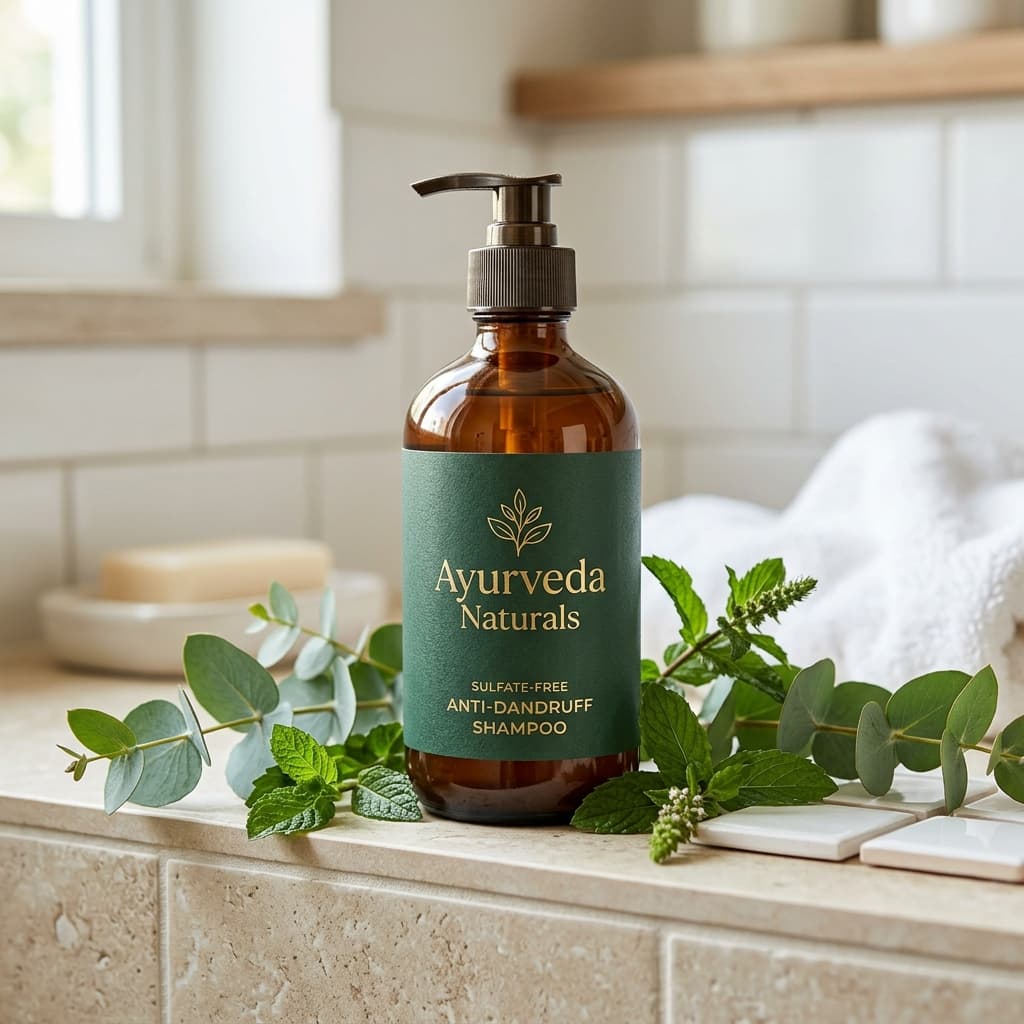
best anti dandruff shampoo sulfate free pakistan
If you have been endlessly searching for the best anti dandruff shampoo sulfate free pakistan, you have arrived at the ultimate guide to solving your scalp woes using the ancient wisdom of Ayurveda. Dealing with dandruff can be a persistent, embarrassing, and highly uncomfortable issue for both men and women. In a country like Pakistan, where the climate fluctuates dramatically from intensely hot and humid summers to bitterly cold and dry winters, maintaining a healthy, flake-free scalp is uniquely challenging. Environmental stressors, combined with the ubiquitous presence of harsh chemicals in commercial haircare products, only exacerbate the condition. This comprehensive guide will walk you through the reasons why switching to a sulfate-free formulation is critical, how Ayurvedic ingredients can naturally cure your scalp, and why making this switch will be the most rewarding decision for your hair's long-term vitality.
The Growing Demand for Natural Haircare in Pakistan
In recent years, there has been a massive paradigm shift in how consumers in Pakistan approach their haircare routines. Gone are the days when people would blindly trust the promises made by commercial brands that fill their bottles with toxic foaming agents and synthetic fragrances. Today, there is a profound awakening regarding the ingredients we apply to our bodies. People are actively seeking out the best anti dandruff shampoo sulfate free pakistan because they have realized the detrimental effects of long-term chemical exposure. This shift is not just a fleeting trend; it represents a return to our roots. Our ancestors relied on potent herbs, botanical extracts, and cold-pressed oils to maintain luscious, thick, and healthy hair. By integrating Ayurvedic principles into modern haircare, we can harness the power of nature to treat underlying issues rather than just masking the symptoms temporarily.
What Are Sulfates and Why Should You Avoid Them?
To truly understand the value of a sulfate-free shampoo, we must first demystify what sulfates actually are. Sulfates, most commonly listed on ingredient labels as Sodium Lauryl Sulfate (SLS) and Sodium Laureth Sulfate (SLES), are inexpensive synthetic detergents. They are primarily responsible for the rich, billowing lather that we have been conditioned to associate with cleanliness. However, this thick lather comes at a steep price. Sulfates are incredibly aggressive surfactants. While they excel at stripping away dirt, grime, and excess sebum, they are fundamentally indiscriminate. This means they also strip away the scalp's natural, protective lipid barrier. For someone suffering from dandruff, this is the worst possible scenario. Stripping the natural oils causes the scalp to overcompensate by producing an excess of sebum, creating an environment ripe for the proliferation of Malassezia globosa—the yeast-like fungus primarily responsible for dandruff.
The Vicious Cycle of Commercial Anti-Dandruff Shampoos
Many commercial anti-dandruff shampoos on the market actually contain high concentrations of sulfates. While they might include active antifungal ingredients like zinc pyrithione or ketoconazole, the harsh sulfate base constantly irritates the scalp. You wash your hair, the active ingredient temporarily suppresses the fungus, but the sulfates leave your scalp dry, raw, and vulnerable. A few days later, the flakes return with a vengeance, forcing you to wash your hair again. This creates a vicious cycle of dependency. Breaking free from this cycle requires a fundamental change in how you cleanse your hair. Transitioning to a sulfate-free alternative ensures that your scalp is gently cleansed without its natural moisture barrier being compromised, allowing the skin to heal and rebalance itself naturally.
Ayurvedic Perspective on Dandruff (Darunaka)
In the ancient medical system of Ayurveda, dandruff is often referred to as 'Darunaka'. According to Ayurvedic texts, Darunaka is primarily classified as a Kapha-Vata disorder. Vata dosha, which represents the elements of air and space, governs dryness. An aggravation of Vata leads to a dry, itchy, and flaky scalp. Kapha dosha, representing earth and water, governs moisture and oiliness. When Kapha is imbalanced alongside Vata, it leads to the sticky, oily type of dandruff that clings to the hair roots. Furthermore, an imbalance in Pitta dosha (fire element) can cause inflammation and redness on the scalp. Ayurveda teaches us that treating dandruff is not a one-size-fits-all approach. It requires a holistic rebalancing of the doshas through the topical application of specific cooling, antimicrobial, and soothing herbs, combined with internal dietary adjustments.
The Power of Neem (Azadirachta indica)
When discussing the best anti dandruff shampoo sulfate free pakistan, it is impossible not to mention Neem. Known as the 'village pharmacy' in traditional Indian and Pakistani households, Neem is a powerhouse of antibacterial, antifungal, and anti-inflammatory properties. The active compound in Neem, Nimbidin, has been scientifically proven to suppress the growth of fungi that cause dandruff. Using a shampoo infused with pure Neem extract helps to purify the scalp, calm active inflammation, and provide immediate relief from intense itching. Unlike chemical antifungals, Neem respects the scalp's delicate microbiome, targeting only the harmful pathogens while leaving the beneficial flora intact.
Reetha (Soapnut) – Nature’s Cleanser
Reetha, or Soapnut, is the foundational ingredient in authentic Ayurvedic shampoos. It contains natural saponins that produce a mild, gentle lather. Reetha cleanses the scalp effectively by removing dead skin cells and excess oil without disrupting the natural pH level. It is the perfect natural alternative to synthetic sulfates. When incorporated into an anti-dandruff formulation, Reetha ensures that the scalp remains clean and breathable, preventing the clogging of hair follicles that often leads to both dandruff and hair thinning.
Amla (Indian Gooseberry) and Shikakai
Amla is exceptionally rich in Vitamin C and antioxidants, making it a vital ingredient for strengthening the hair follicles and preventing the premature greying that often accompanies chronic scalp issues. Shikakai, which translates to 'fruit for the hair', acts as a natural detangler and mild astringent. It works synergistically with Reetha to cleanse and condition the hair simultaneously. A blend of Amla, Reetha, and Shikakai forms the holy trinity of Ayurvedic haircare, ensuring that your journey to a dandruff-free scalp also results in thicker, shinier, and more resilient hair.
How to Choose the Right Sulfate-Free Shampoo
With the market flooded with products claiming to be natural and organic, how do you identify the genuine best anti dandruff shampoo sulfate free pakistan? The key lies in reading the ingredient list meticulously. True Ayurvedic products will feature botanical extracts and essential oils prominently at the top of the ingredient list, rather than buried at the bottom below a myriad of unpronounceable chemicals.
Avoid Hidden Harmful Ingredients
Even if a shampoo boldly claims to be 'sulfate-free', it might still contain other harmful additives such as parabens (used as preservatives but linked to hormonal disruption), silicones (which coat the hair to create a false illusion of shine but ultimately cause severe buildup), and artificial fragrances (which are a leading cause of contact dermatitis and scalp irritation). Always look for transparency from the brand. A reputable Ayurvedic brand will explicitly state that their products are free from these specific toxins.
Introducing the Ayurveda Naturals Solution
At Ayurveda Naturals, we understand the profound frustration that comes with chronic scalp issues. We have meticulously formulated products that honor ancient traditions while meeting modern needs. If you are struggling with persistent flakes, we highly recommend integrating our Purifying Hair Shampoo into your routine. This remarkable formulation is completely free from harsh sulfates, parabens, and synthetic silicones. It harnesses the potent cleansing properties of Reetha and the antifungal prowess of Neem to deliver a deeply purifying yet incredibly gentle wash.
To maximize the benefits and accelerate your healing process, it is essential to nourish the scalp before washing. Pre-oiling is a fundamental Ayurvedic practice. By massaging our Ayurvedic Hair Regrowth Oil into your scalp a few hours before showering, you provide your hair roots with essential nutrients, improve blood circulation, and loosen stubborn dandruff flakes. This powerful oil blend not only combats dandruff but also stimulates dormant follicles, promoting robust hair growth.
For those who are fully committed to transforming their hair health and experiencing the synergistic magic of botanical ingredients, investing in the Ultimate Haircare Bundle is the most effective strategy. This comprehensive bundle provides you with everything you need to cleanse, nourish, and protect your hair, ensuring that dandruff becomes a thing of the past.
Step-by-Step Guide to Washing Your Hair for Dandruff Control
Having the right product is only half the battle; how you use it determines your success. Many people unknowingly sabotage their haircare efforts through improper washing techniques. Here is the definitive Ayurvedic method for cleansing your hair to eliminate dandruff:
Step 1: Pre-Wash Deep Nourishment
Begin by gently detangling your hair with a wide-toothed wooden comb. Apply a generous amount of herbal hair oil directly to your scalp. Use your fingertips (never your nails) to massage the oil in slow, circular motions. This stimulates blood flow, opens up the pores, and allows the active herbs to penetrate deeply. Leave the oil on for at least two hours, or preferably overnight, to allow maximum absorption and to soften any hard, crusty dandruff patches.
Step 2: The Gentle Cleanse
Wet your hair thoroughly with lukewarm water. Never use piping hot water, as it strips the scalp of moisture and triggers excess oil production. Dispense a coin-sized amount of your sulfate-free shampoo into your palms and rub them together to activate the natural botanicals. Apply the shampoo primarily to your scalp, focusing on the roots where the buildup and flakes reside. Massage gently for two to three minutes. Do not vigorously scrub the lengths of your hair; as you rinse, the lather will gently clean the mid-lengths and ends without drying them out.
Step 3: Thorough Rinsing
One of the most common causes of persistent flaking is product buildup left behind by inadequate rinsing. Spend an extra minute ensuring that all traces of the shampoo are completely washed out of your hair. A final rinse with cool water can help seal the hair cuticles, locking in moisture and adding a natural, healthy sheen to your locks.
Step 4: Air Drying and Styling
Avoid aggressively rubbing your hair with a rough terrycloth towel, as wet hair is highly susceptible to breakage. Instead, gently squeeze out the excess water using a soft microfiber towel or an old cotton t-shirt. Whenever possible, allow your hair to air dry naturally. If you must use a blow dryer, use it on the lowest heat setting and keep it at least six inches away from your scalp to prevent aggravating the skin.
The Impact of Diet and Lifestyle on Scalp Health
In Ayurveda, external treatments must always be supported by internal balance. Your scalp is a reflection of your internal health. To truly eradicate dandruff, you must adopt a holistic approach that includes dietary and lifestyle modifications.
Anti-Inflammatory Foods
Incorporate foods rich in Omega-3 fatty acids, such as flaxseeds, walnuts, and fatty fish, into your diet. These essential fats help regulate oil production and reduce inflammation in the body. Additionally, consume plenty of fresh, hydrating fruits and vegetables. Zinc and Vitamin B-complex are also crucial for maintaining a healthy scalp environment, so ensure your diet includes lentils, chickpeas, and leafy greens. Avoid excessive consumption of processed sugars, refined carbohydrates, and deep-fried foods, as these can trigger inflammation and exacerbate fungal overgrowth.
Stress Management
Stress is a massive, often overlooked trigger for dandruff flare-ups. When you are chronically stressed, your body produces higher levels of cortisol, which can lead to increased sebum production and an altered scalp microbiome. Practices such as daily meditation, yoga, and deep breathing exercises (Pranayama) are excellent ways to manage stress levels and promote overall well-being.
Hydration
Drinking adequate amounts of water is essential for keeping your skin, including your scalp, hydrated from the inside out. Aim for at least 8 to 10 glasses of water daily. Herbal teas, particularly those made with cooling herbs like mint and fennel, can also help balance Pitta dosha and soothe internal inflammation.
Navigating the Transition Period
If you have been using chemical-laden, sulfate-heavy shampoos your entire life, switching to an all-natural, sulfate-free alternative may initiate a 'transition period'. During this time, your hair might feel slightly different—perhaps a bit heavier, waxier, or you might even experience a temporary increase in oiliness. This is completely normal and is often referred to as the 'purge' phase.
For years, harsh sulfates have been stripping your scalp, causing your sebaceous glands to overproduce oil in a desperate attempt to compensate. When you suddenly stop using these harsh detergents, your scalp is still producing oil at that elevated rate. It takes time—usually anywhere from two to six weeks—for your scalp to recognize that it is no longer being aggressively stripped and to recalibrate its natural sebum production. Patience is absolutely crucial during this phase. Stick with your sulfate-free routine, and once your scalp finds its natural equilibrium, you will be rewarded with the healthiest, softest, and most flake-free hair you have ever experienced.
Debunking Common Dandruff Myths
There is a significant amount of misinformation surrounding dandruff and its treatments. Let’s debunk a few of the most pervasive myths to help you make informed decisions.
Myth 1: Dandruff Only Occurs on Dry Scalps
While a dry scalp can certainly cause flaking, true dandruff (Seborrheic dermatitis) is actually more common on oily scalps. The Malassezia fungus feeds on sebum. An oily scalp provides an all-you-can-eat buffet for this fungus, leading to rapid proliferation, irritation, and the shedding of dead skin cells in the form of yellowish, oily flakes. This is why balancing sebum production, rather than just adding heavy moisturizers, is the key to treatment.
Myth 2: You Must Wash Your Hair Daily to Cure Dandruff
Over-washing your hair, especially with harsh shampoos, can actually make dandruff worse. Daily washing strips the scalp and triggers more oil production, feeding the fungus further. It is generally recommended to wash your hair two to three times a week with a gentle, sulfate-free shampoo to maintain a clean scalp without causing irritation.
Myth 3: Natural Shampoos Do Not Clean Properly
This misconception stems from the fact that natural shampoos do not produce the massive, synthetic lather that sulfates do. However, lather does not equal cleanliness. Ayurvedic ingredients like Reetha are highly effective cleansers that remove dirt and excess oil thoroughly, without compromising the scalp's health.
The Influence of Pakistan’s Climate on Your Hair
Pakistan’s diverse climate zones play a significant role in hair health. During the sweltering, humid monsoon months, the excess moisture in the air combined with sweat creates a perfect breeding ground for fungal infections. This is when dandruff often peaks for many individuals. Conversely, during the harsh, dry winters in the northern regions and plains, the lack of humidity causes the scalp to dry out and flake off, resembling dandruff.
Adapting your haircare routine to the seasons is vital. In the summer, you may need to wash slightly more frequently with a purifying shampoo to remove sweat and excess oil. In the winter, focusing on deep conditioning and regular oil massages will protect the scalp from severe dehydration. A high-quality sulfate-free shampoo is versatile enough to support your scalp health year-round, gently adapting to what your skin needs without causing extreme fluctuations in moisture levels.
Conclusion: Embrace the Ayurvedic Transformation
Finding the best anti dandruff shampoo sulfate free pakistan is not just about purchasing a new product; it is about embracing a healthier, more sustainable philosophy towards personal care. By ditching the harsh, synthetic chemicals that dominate the commercial market and turning instead to the time-tested wisdom of Ayurveda, you are making a profound investment in the long-term health of your hair and scalp.
Remember that true healing takes time. Unlike chemical treatments that offer a temporary, superficial fix, Ayurvedic remedies work on a deeper level to restore balance, heal the skin barrier, and naturally regulate your scalp's ecosystem. By incorporating pure, botanical products, practicing mindful washing techniques, and supporting your external efforts with a healthy lifestyle, you can finally say goodbye to embarrassing flakes and chronic itching. Empower yourself with nature's finest ingredients, and unlock the secret to vibrant, resilient, and beautifully healthy hair today.
Ready to stop hair fall naturally?
Don't wait until it's too late. Experience the proven magic of our 100% organic, wild-harvested Ayurvedic formulations and start seeing real results in 14 days.
Free Shipping + Cash on Delivery